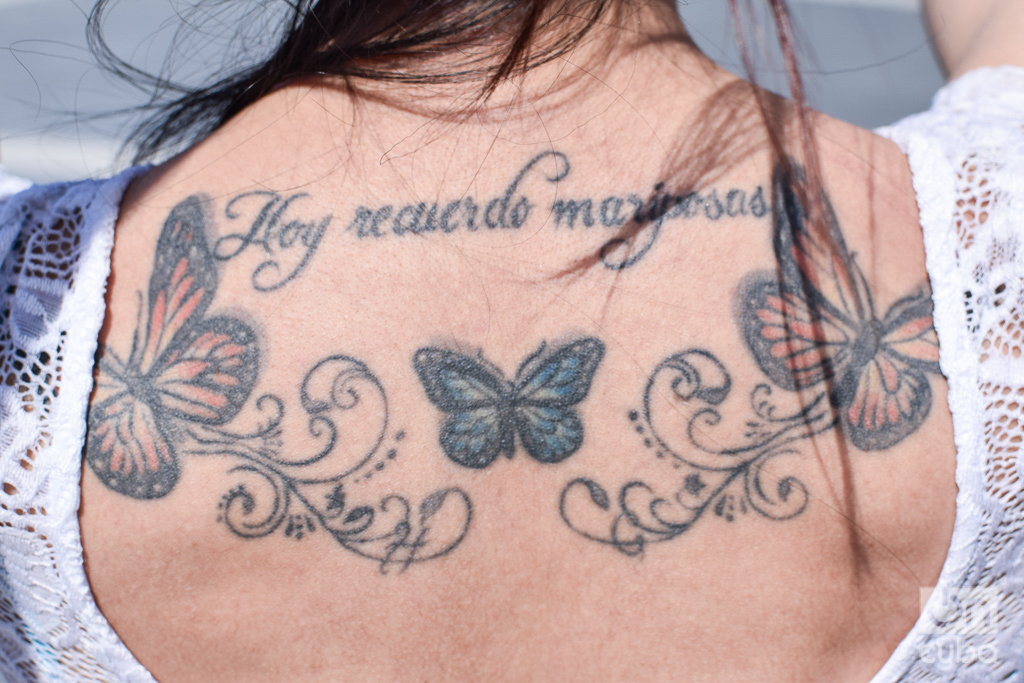
I have crossed with people who, in different parts of their body, carry a word, a verse or even complete stanzas of the same pen: that of Silvio Rodríguez.
To what extent an author, a song, can you mark your life to decide to mark you, in addition, the skin? How much protection can be found in a letter? They were questions that were around my head, until, little by little the idea of tattooing me also was taking a couple of verses of the troubadour.
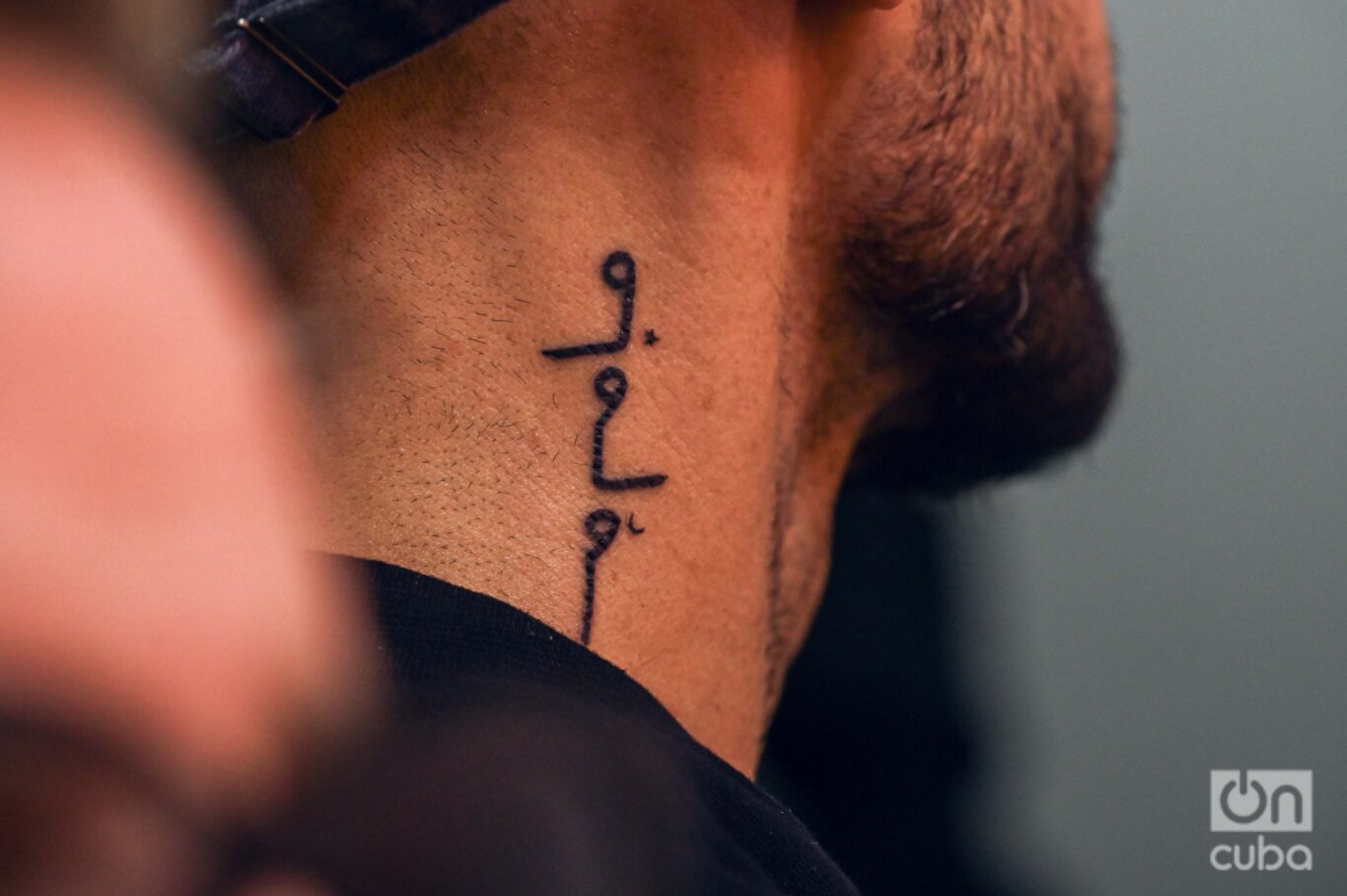
Silvio’s lyrics cover such a vast universe of emotions, thoughts and experiences, that his songs have become a refuge for generations, inside and outside Cuba. From the complaint to love or heartbreak, from personal introspection to the collective connection, the author of “hope” has the ability to touch the soul of those who listen to it. And many, like me, we have decided to bring that connection to the deepest of the surfaces: the skin.
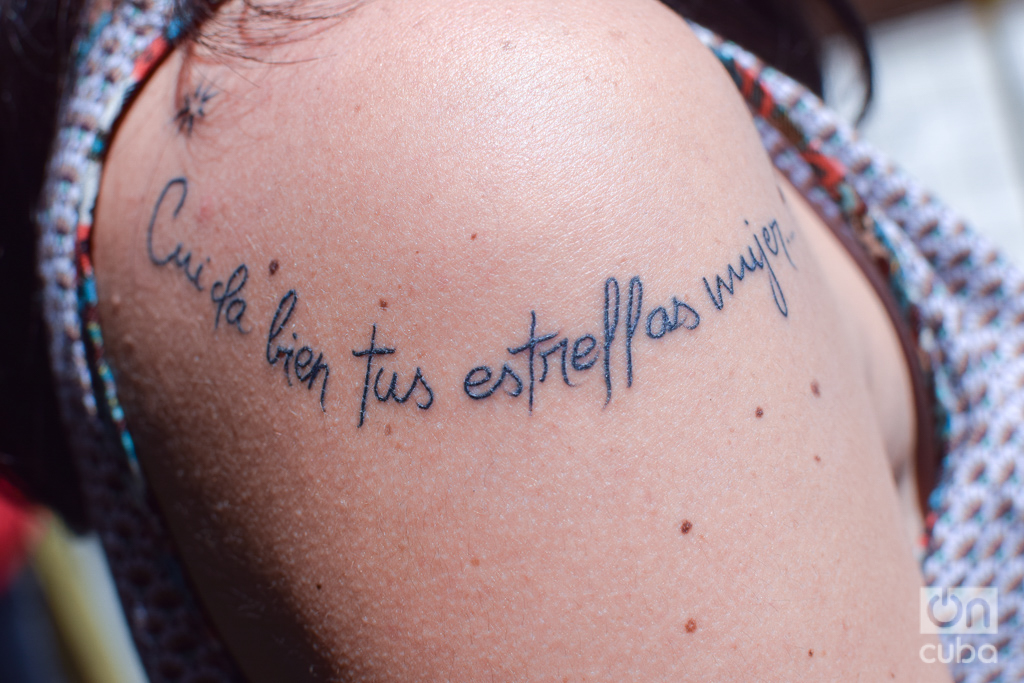
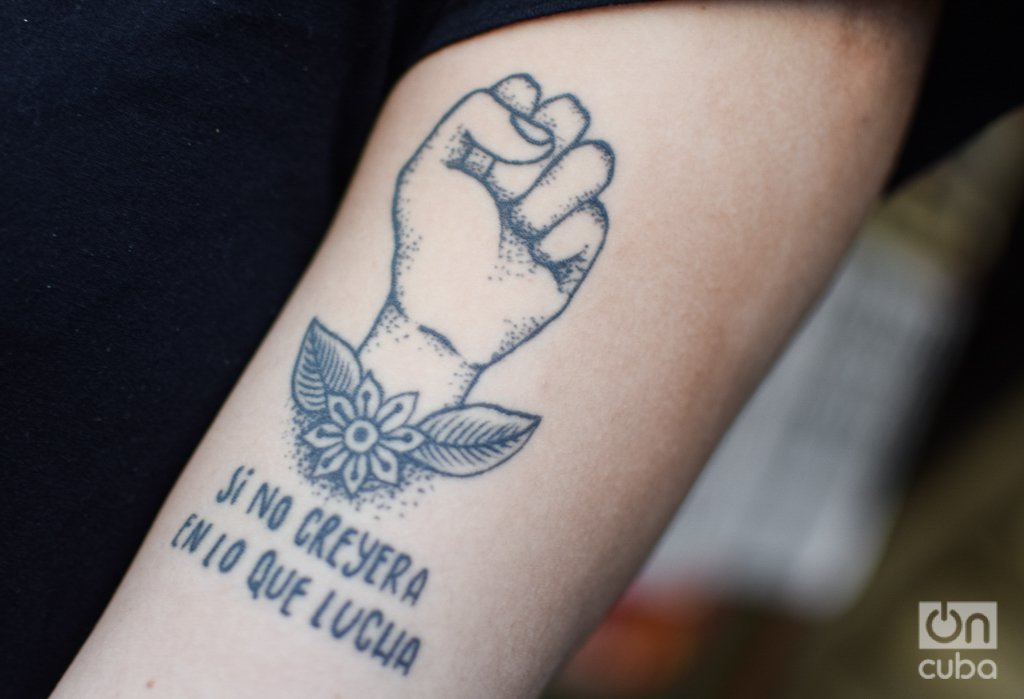
In most cases, an emotional bond can be traced that goes beyond admiration for the poet. There are stories and feelings, anguish and dreams. What implies taking part in a song in the body, then, is the intention of conserving a memory, of marking a time in time, of ensuring that the most important do not forget even when the passing of the years does everything more blurred.
It is a way of affirming that certain emotions, experiences or loves will never fade, which will always be present, such as a personal anchor, something to resort when doubts or difficulties of the road appear.
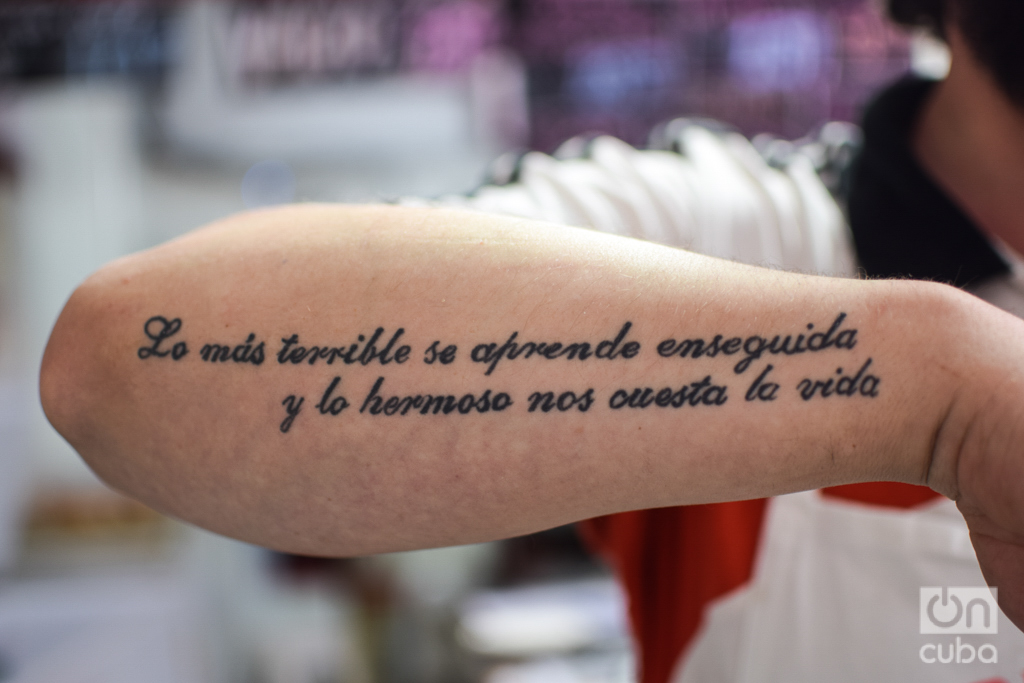
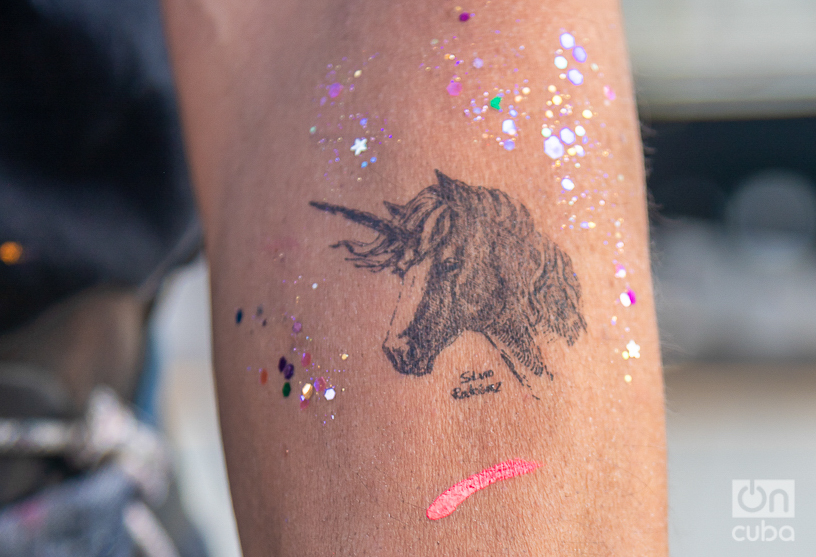
The tattoo becomes a way to make something intangible visible: a feeling, a footprint, a combination of words that is part of who we are. And it is not just an aesthetic issue: it has to do with appropriating something so personal and collective at the same time as a song.
On your album Appointment with angels (2003), Silvio included the theme “Leather lyrics”. Lovingly he says: “So that I don’t forget the lyrics, / I’m going to write it down on your skin. / I know I will never lose that notebook. / I know I will keep it.”