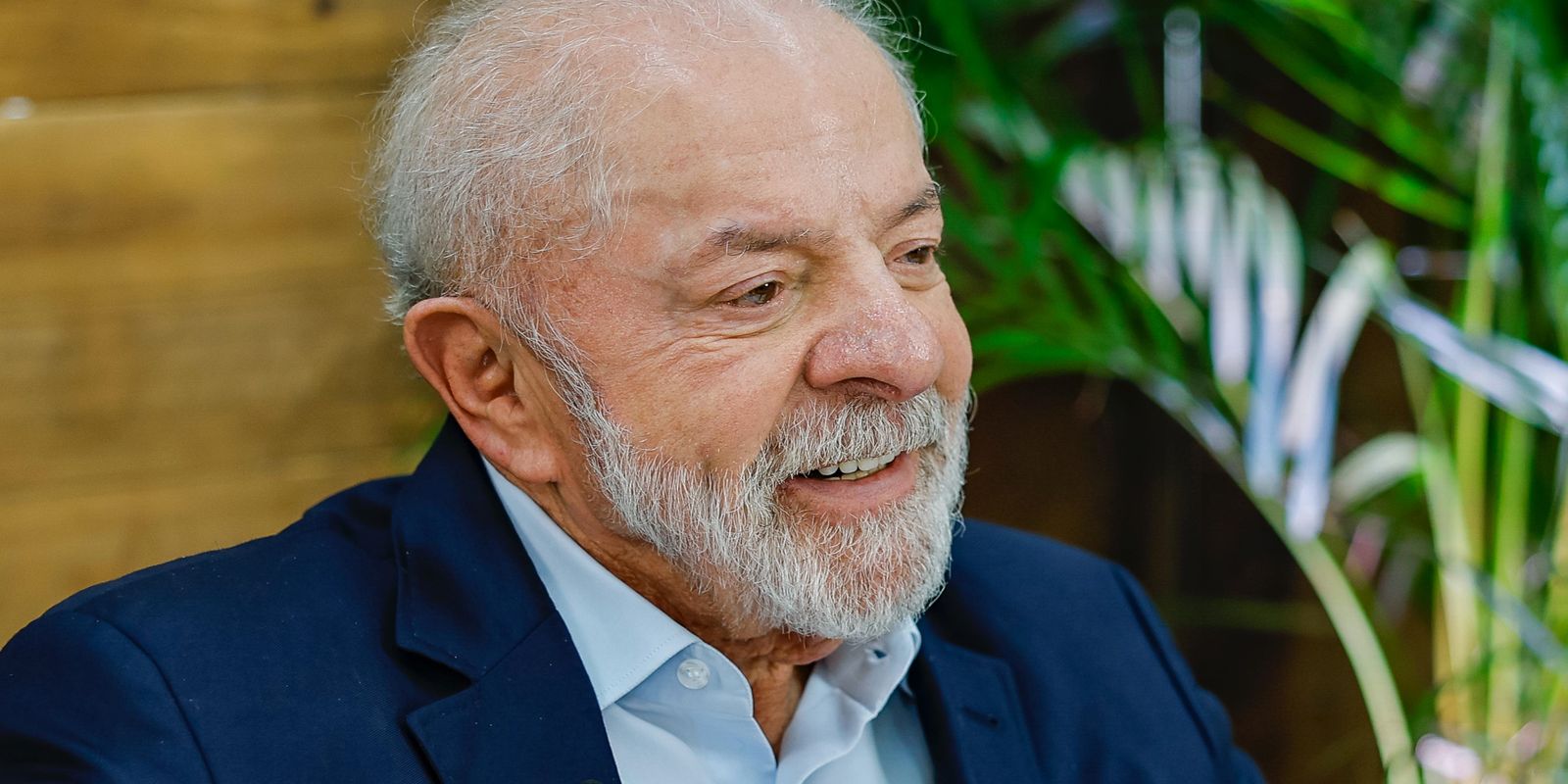
Philanthropic hospitals will be able to access resources from the Service Time Guarantee Fund (FGTS) to seek financing. President Luiz Inácio Lula da Silva signed this Friday (6) provisional measure (MP) which allows the allocation of part of the fund’s money for credit operations by these entities until 2030.
The measure also benefits entities that serve people with disabilities and non-profit organizations that work in a complementary manner to the Unified Health System (SUS).
The announcement was made during a visit to Obras Sociais Irmã Dulce, in Salvador. On that occasion, Lula also signed three other acts aimed at strengthening public health financing.
From 2019 to 2022, the FGTS was authorized to use resources in credit operations for philanthropic health institutions. The MP reestablished the allocation of the fund for this purpose for another four years.
The government’s expectation is that the MP will allow around R$4 billion to be allocated to philanthropic entities in 2026, without impact on the resources already foreseen for housing, sanitation and infrastructure.
Fees
With the use of FGTS, public banks will be able to offer financing with lower interest rates. According to government data, Caixa Econômica Federal’s average interest rate for philanthropic hospitals with resources from the fund totaled 11.6% per year in the previous period, compared to 17.7% per year in operations with its own resources.
The Minister of Health, Alexandre Padilha, stated that the reduction in financial charges will allow the services provided to the SUS to be expanded and qualified. According to him, entities will be able to access credit with a rate around 30% lower, payment term extended from 120 to 180 months and a grace period of 12 months.
“This guarantees the maintenance of services, the expansion of surgeries and care and the acquisition of equipment,” he said.
Other acts
During the visit to Salvador, the government also signed an act that expands the services of the Agora Tem Especialistas program through the so-called Financial Credits Component. The strategy allows private providers’ debts to be offset by directly offering consultations, exams and elective surgeries to the SUS. In Bahia, a hospital will carry out around 150 additional surgeries per month through the public system.
Sister Dulce Hospital was authorized by the Ministry of Health to offer specialized care in nutritional therapy to highly complex patients, such as those admitted to the Intensive Care Unit (ICU). With the recognition, the unit will receive an additional transfer of R$2 million.
The federal government also announced the permanent expansion of resources for existing specialized services. Bahia will receive an additional transfer of R$23 million to fund these actions, which will be incorporated into the budget of the state Department of Health.