Popular movements and organizations met with President Luiz Inácio Lula da Silva to symbolically deliver more than 1.5 million votes favorable to income tax exemption (IR) for salaries up to R $ 5,000, higher tax over R $ 50,000 and for the end of the 6×1 work scale without salary reduction.
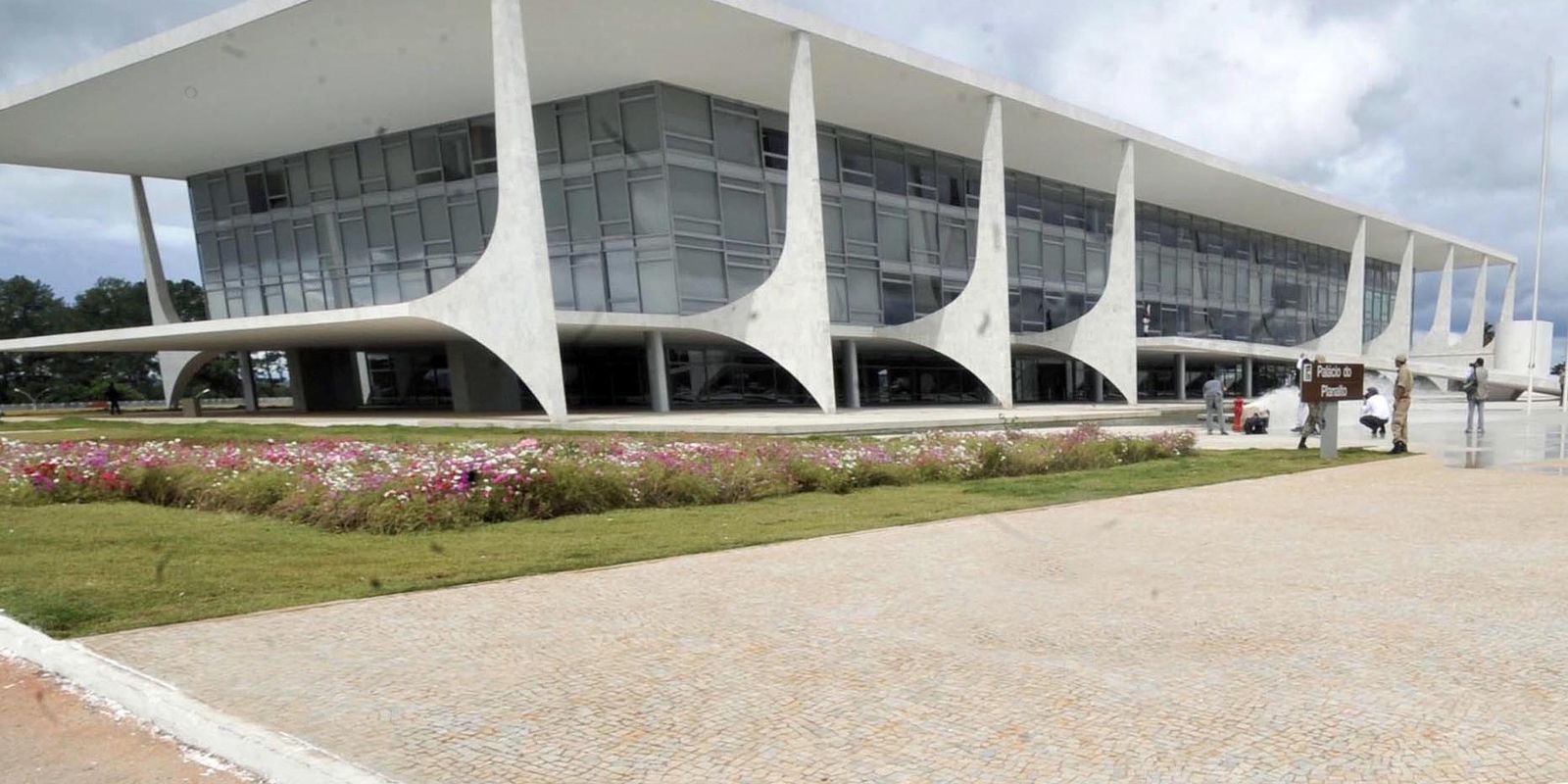
The meeting took place on the afternoon of Wednesday (1st), at the Planalto Palace, hours before the vote, in the House of Representatives, of the bill that can Ensure the exemption of IR for salaries of up to R $ 5 thousand
The mobilization around these guidelines has been taking place since July, when union, student, leftist parties and popular movements have launched the Popular plebiscite for a fairer country. The campaign had as its motto to expand direct debate with the population about greater tax justice and reduction of working hours, which in Brazil reaches 44 hours per week.
“I wanted to congratulate the trade union leaders, I wanted to congratulate the social movement, the leftist parties who are here, and tell you that it is never too late for us to learn to do things. I think this plebiscite that you are delivering me today, symbolically, because there is no cash to bring 1.5 million signatures, is extremely new to the social struggle of this country,” said Lula.
The president argues that the process of mobilization politicizes and awareness. “A awareness, she has much more desire to fight to defend her achievements, than a person who doesn’t know why he’s fighting, doesn’t know who he did, he doesn’t know why he did.”
>> Follow the channel of Brazil agency on WhatsApp
Popular methodology
Plebiscal vote collection occurred in both physical ballot boxes in public places and headquarters of organizations and online voting.
“Popular referendum is a work methodology with the population. You put a question and from this you open a dialogue in the sense of politicizing, organizing and building a conscience in society regarding the need for these measures,” said Igor Felippe, coordinator of the Popular Plebiscite Commission
He explains that in this referendum two questions were worked out.
“A question related to the reduction of working hours without salary reduction and the end of scale 6 by 1. And the second question is related to the taxation of super rich to enable the exemption of income tax for those who earn up to $ 5,000.”
“Our referendum ends on October 12, but we are making a series of agendas here in Brasilia to coincide with the vote we will have today, in the House of Representatives, related to the exemption of income tax and the taxation of those who earn more than $ 600,000 per year,” he noted.
After the IR exemption vote by the National Congress, social movements told Lula that the priority of the segment will be to advance the agenda of the workday reduction and the end of the 6×1 scale.
Social pressure
The agenda of the end of the 6×1 scale gained strength in Brazil at the end of last year and street demonstrations in the first half of this year again asked for the End of this type of work scale.
In the National Congress, the Proposed Amendment to the Constitution (PEC) that ends the 6×1 journey had no advance. Government leaders say that the measure is “priority” for this yearalthough it is not certain that it will be taken further in 2025.
The project undergoes resistance from business sectors that claim that the measure would lead to the increase in companies’ operating costs, as defended the Employer National Confederation of Trade in Goods, Services and Tourism (CNC).