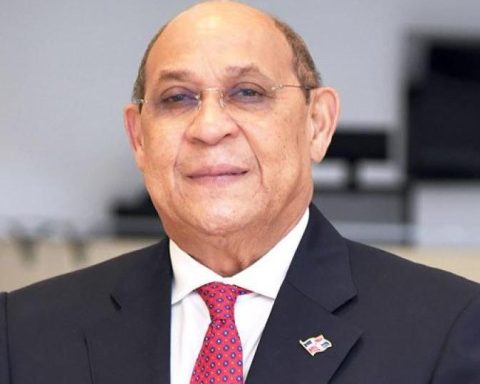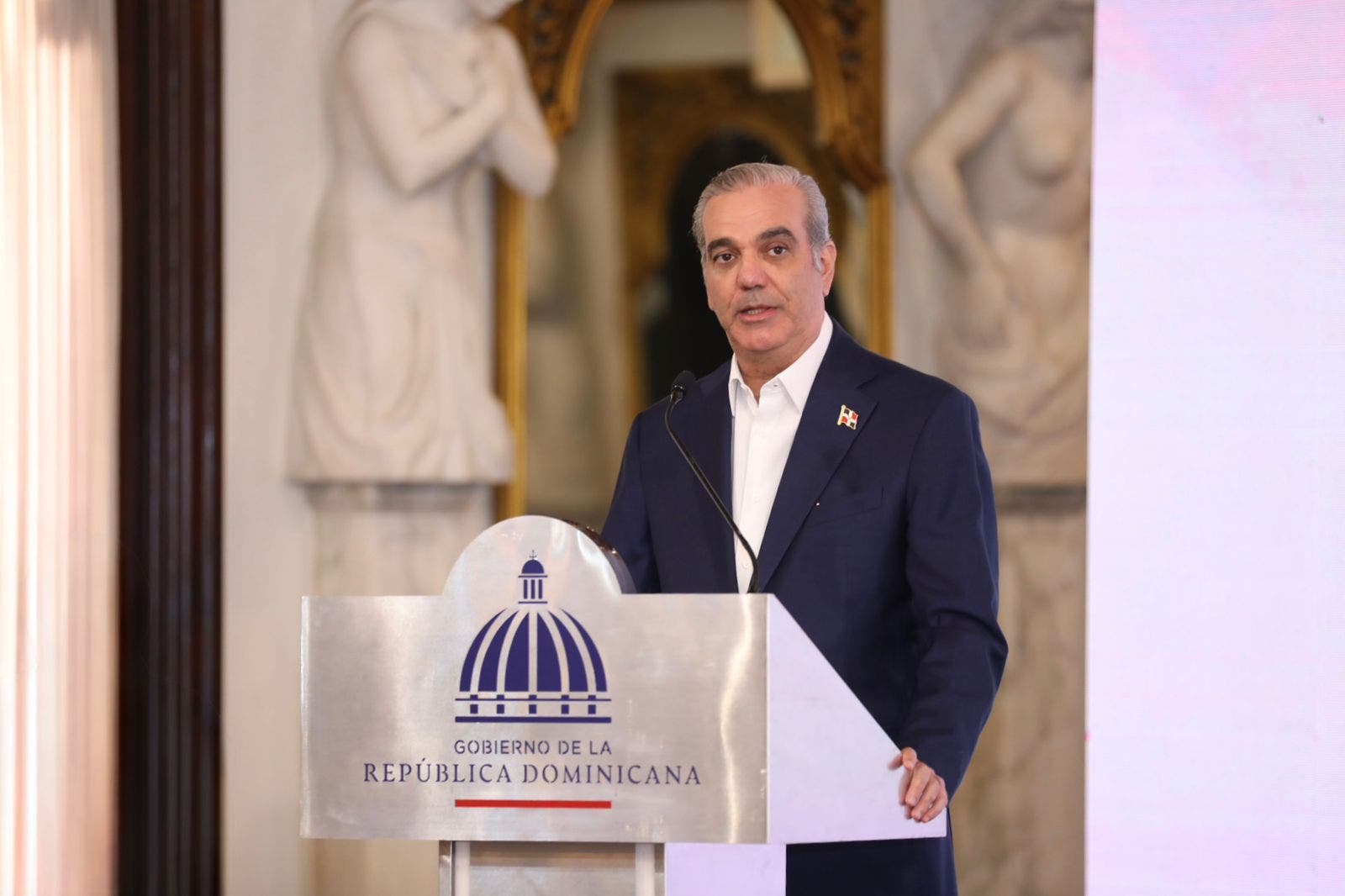
Santo Domingo.– Yes, the United States officially invited President Luis Abinader to participate in the summit of leaders scheduled for March 7 in Miami, thus clarifying the doubts that had arisen about the formal call, Foreign Minister Roberto Álvarez reported this Wednesday.
During the Corripio Communications Group Lunchthe minister explained that the notification was received yesterday, Tuesday, and clarified the official nature of the meeting.
“Indeed, yesterday we received the formal invitation addressed to the President for this assistance, this mini-summit,” he expressed.
He added that this is a meeting called by the US president, Donald Trump, and that the Dominican participation has already been formalized.
You can read: Roberto Álvarez: Crisis in Haiti and Dominican stability maintain migratory pressure
The confirmation comes after public versions that indicated that there was no official invitation. Álvarez indicated that, in parallel, the Dominican Government was preparing to communicate the information. “It has already been formalized… Trump invited President Abinader to formally participate in the summit”, he stated.
Strong relationships
The chancellor stressed that relations between the Dominican Republic and the United States remain solid and at a high level.
You can read: After the cancellation of the 2025 Summit: where are the official gossip?
“The relationship with the United States continues absolutely normal,” he assured, highlighting the climate of cooperation and trust.
He added that this is a special strategic link: “It is a privileged relationship, both because of the trust that exists in the Dominican authorities and because of the Dominican culture and the presence of the diaspora”.
As an example of that closeness, he recalled that the country was recently invited to a mini-summit in Washington on critical minerals along with 55 nations, including only seven Latin Americans, and that the Dominican Republic occupied a place at the main table. Álvarez maintained that, although specific differences may arise, these do not condition the strength of bilateral ties.