Poverty in Latin America decreased 2.2 percentage points in 2024 compared to the previous year and affects 25.5% of the population, the lowest level since there are comparable data
The concentration of income in Latin America continues to be one of the most pronounced in the world: the richest 10% of the population receives 34.2% of the total income, while the poorest 10% barely receives 1.7%, revealed this Wednesday, November 26, the Economic Commission for Latin America and the Caribbean (ECLAC).
In your report annual report on the social panorama of the region, ECLAC attributed this disproportion to a “structural trap” where multiple factors interact that slow down social progress.
Although the region has shown some reduction in its levels of inequality, it remains the most inequitable in the world, the report states.
The executive secretary of the Commission maintained that to overcome obstacles, Latin America needs to reduce educational inequality; create quality jobs; advance gender equality and the caring society; confront discrimination against people with disabilities, indigenous peoples and migrants; and strengthen social institutions and their financing.
“Latin America and the Caribbean has to redouble its efforts to get out of this trap and comply with the commitments of the Second World Summit on Social Development,” said José Manuel Salazar-Xirinachs during the presentation of the study.
*Also read: UN warns that it lacks billions of dollars to combat world hunger
Poverty decreases 2.2 points
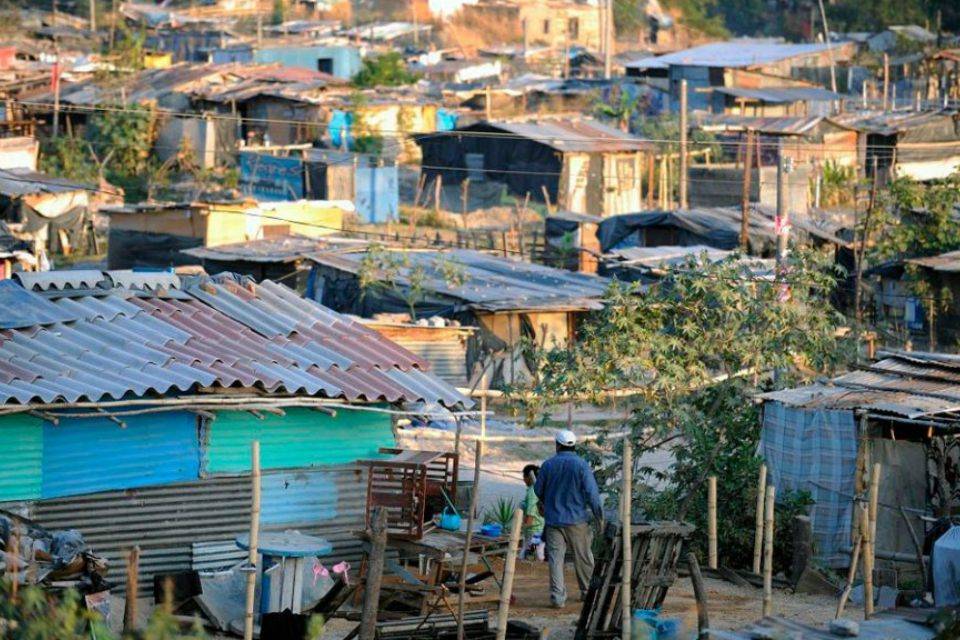
Poverty in Latin America decreased 2.2 percentage points in 2024 compared to the previous year and affects 25.5% of the population, the lowest level since comparable data has been available, the report states.
Last year, 162 million Latin Americans lived in poverty in the region, of which 62 million were in extreme poverty.
“The incidence of monetary poverty (measured by income, ndlr) observed in 2024 in the region constitutes the lowest value since there are comparable data,” said the Economic Commission for Latin America and the Caribbean (ECLAC) in its “Social Panorama” of 2025.
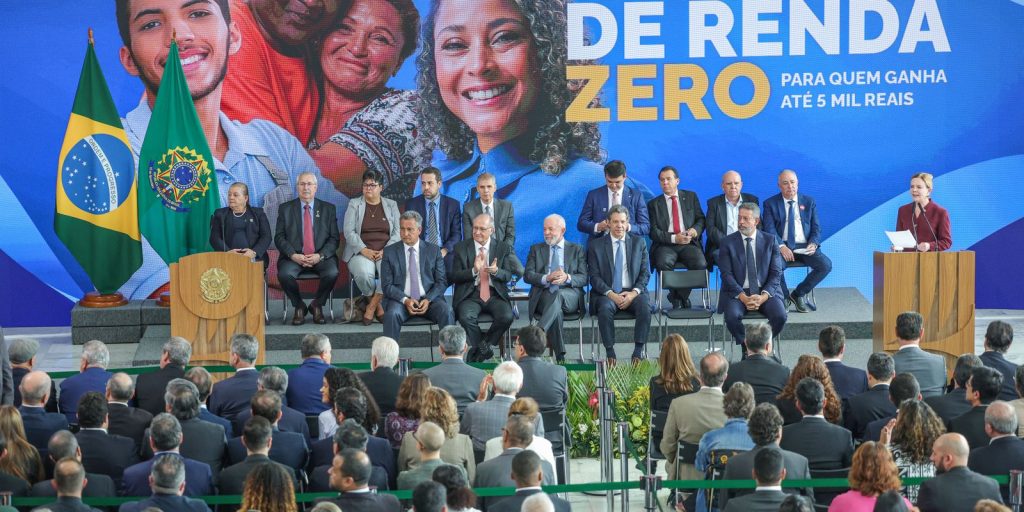
The reduction in poverty is mainly explained by the results of Mexico and, to a lesser extent, Brazil.
“This is so, fundamentally, due to the demographic weight of these countries, which represent 52% of the total population,” despite the fact that it was not where poverty fell the most, José Manuel Salazar-Xirinachs, executive secretary of ECLAC, stated at a press conference.
In both cases, since it was a measurement by income, the increase in the amount of real salaries had an influence.
By 2025, ECLAC projects a slight reduction in poverty, due to the “limited prospects for regional growth.”
With information from UN/Swissinfo.ch
*Journalism in Venezuela is carried out in a hostile environment for the press with dozens of legal instruments in place to punish the word, especially the laws “against hate”, “against fascism” and “against the blockade.” This content was written taking into consideration the threats and limits that, consequently, have been imposed on the dissemination of information from within the country.
Post Views: 337