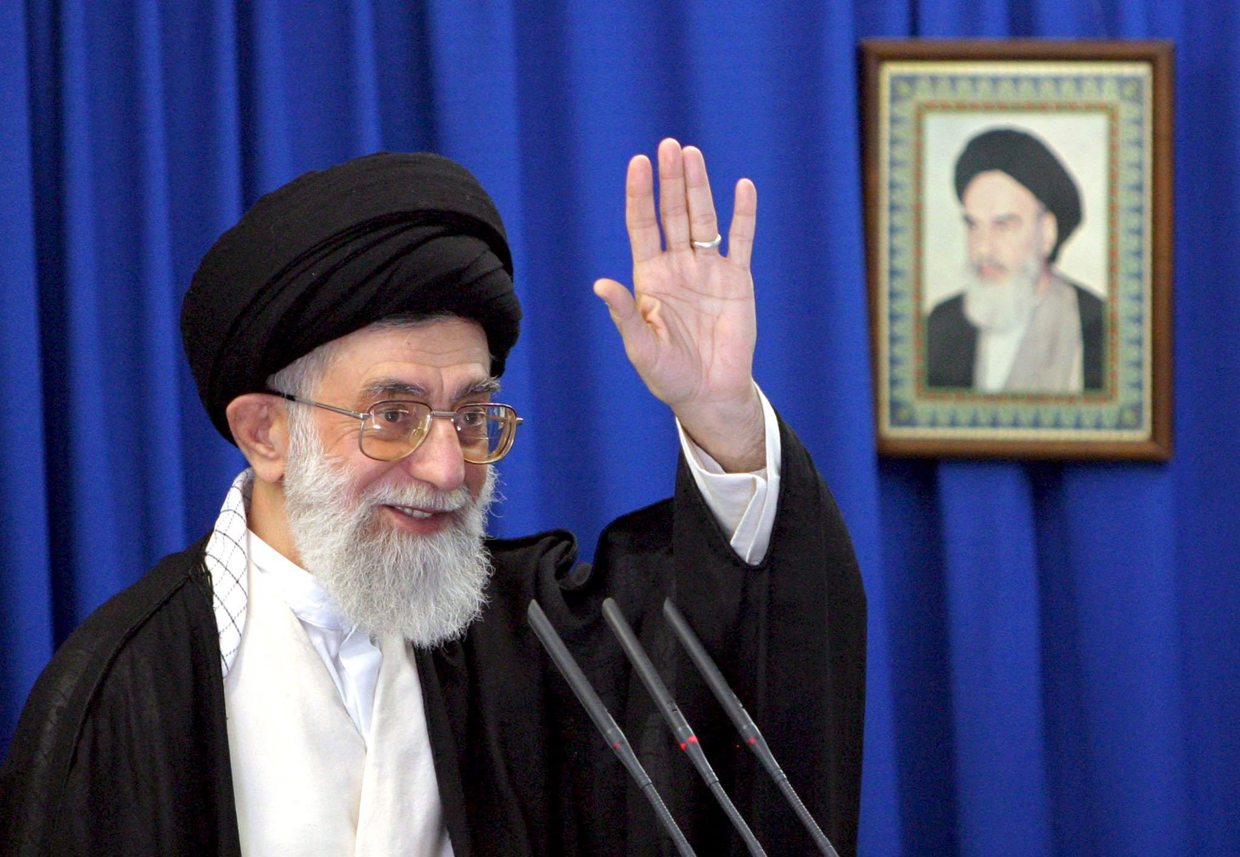
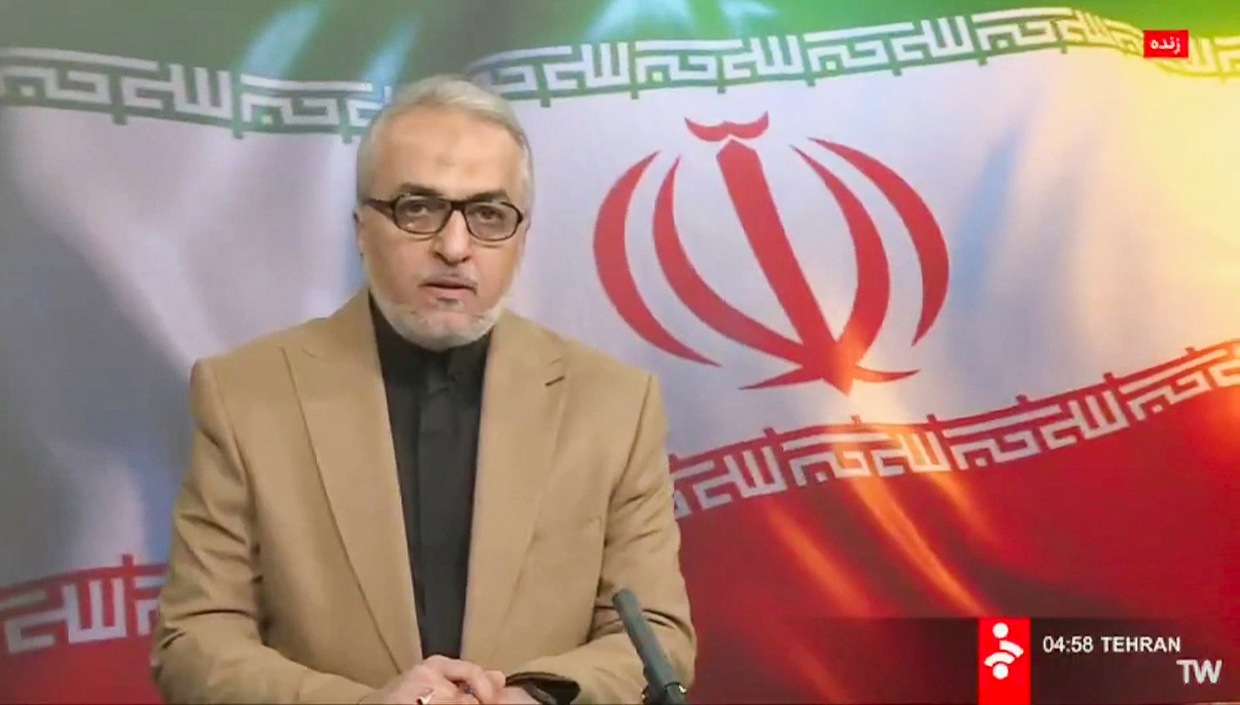
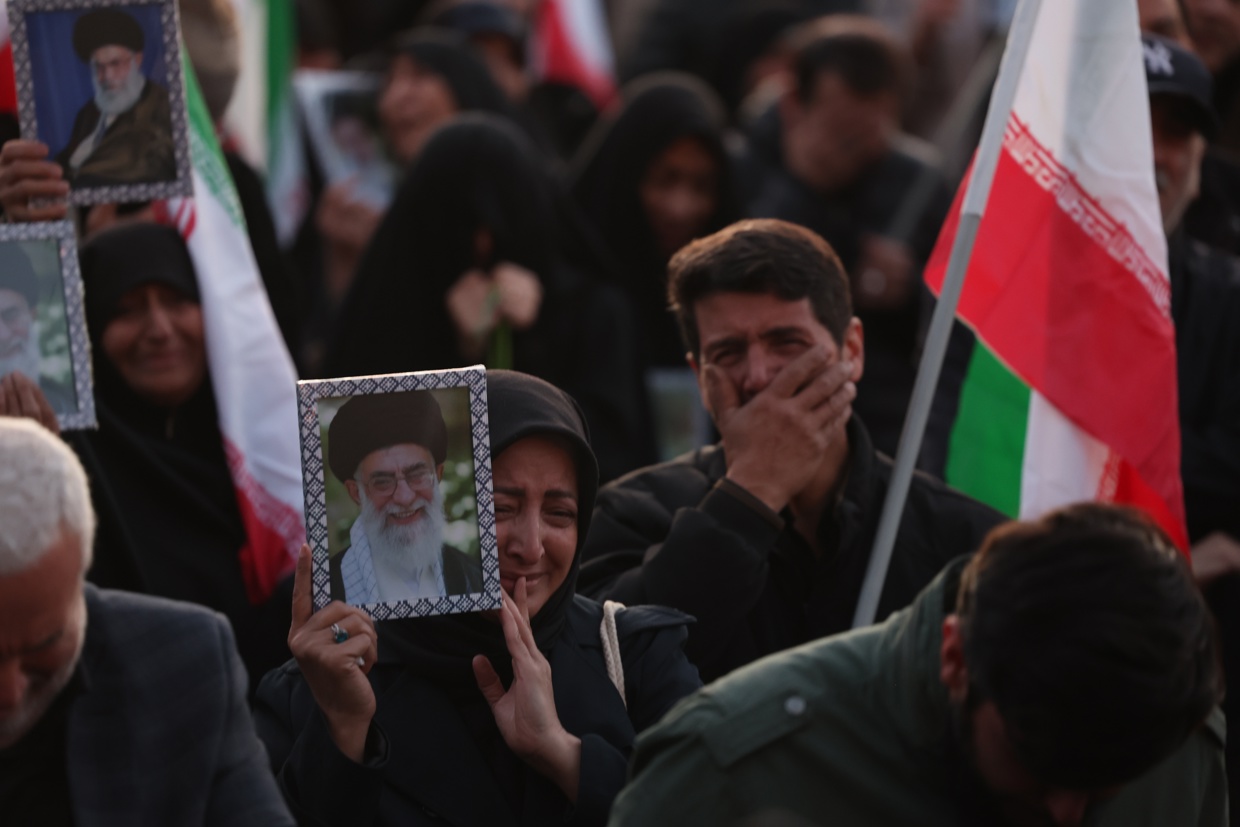
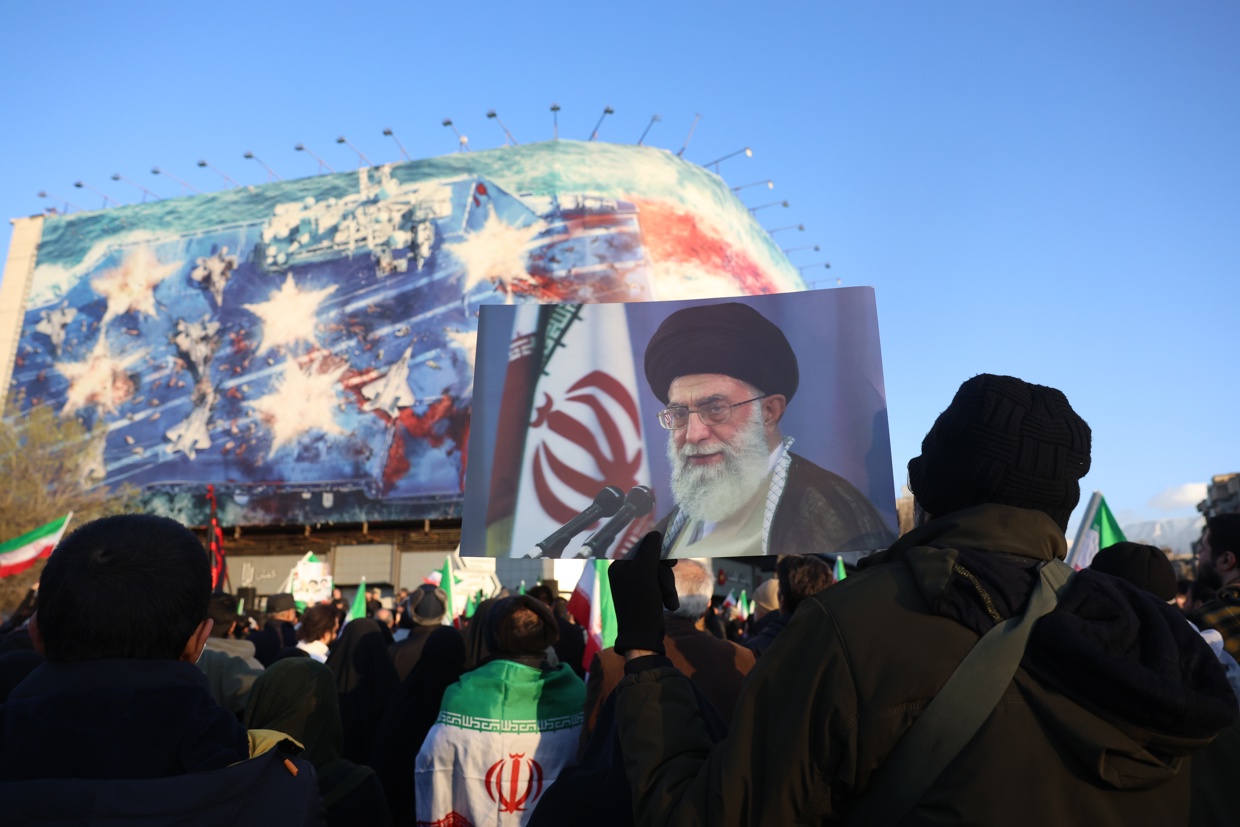
Iranian state television finally confirmed the death of Ayatollah Ali Khamenei, supreme leader for 35 years, in the joint bombings by the United States and Israel that began early Saturday morning.
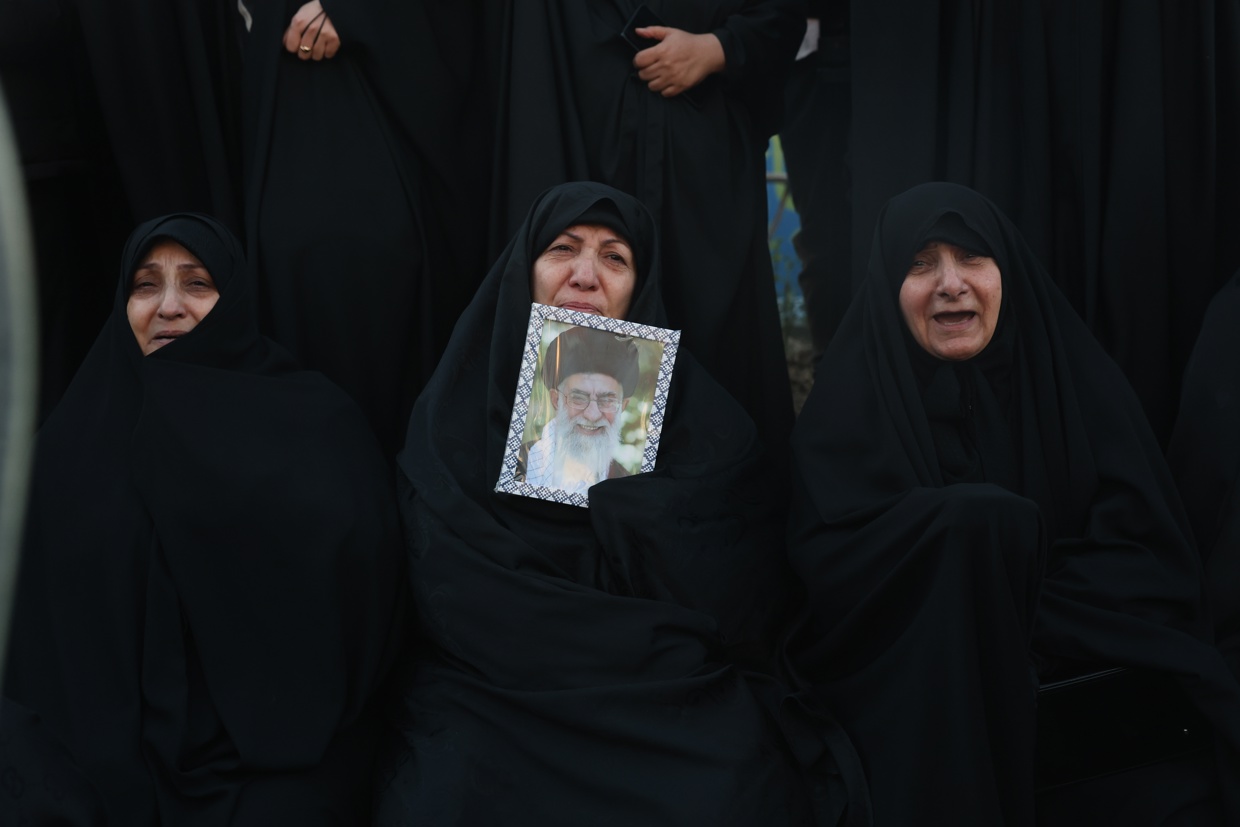
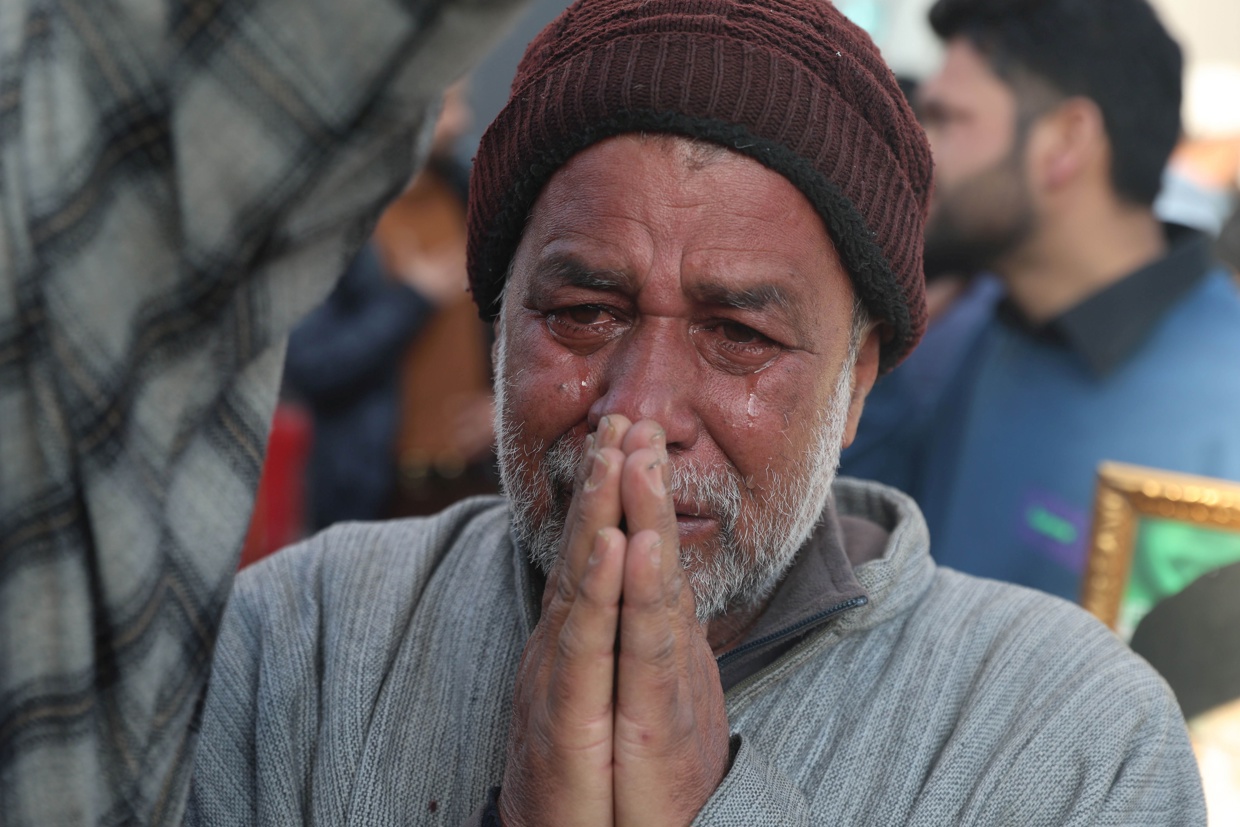
The confirmation came in a solemn tone from state broadcaster IRIB just hours after Israeli and US officials announced the death of the supreme leader. “The Supreme Leader of Iran has achieved martyrdom”said state television, which declared forty days of national mourning.
Along with Khamenei, several of his relatives died – his daughter, his son-in-law, his grandson – and key figures in his closest circle, including Admiral Ali Shamkhani, the leader’s main advisor, and General Mohammad Pakpour, commander-in-chief of the Islamic Revolutionary Guard Corps (IRGC).
The attacks, dubbed “Operation Epic Fury” by the Pentagon and “Operation Lion’s Roar” by Israelaffected 24 Iranian provinces and reached the presidential palace and security headquarters in Tehran, Tabriz and Isfahan.
More than 200 people were killed, according to the Iranian Red Crescent, including at least 85 students at a girls’ primary school in the southern city of Minab, in a coup that is already raising international questions.
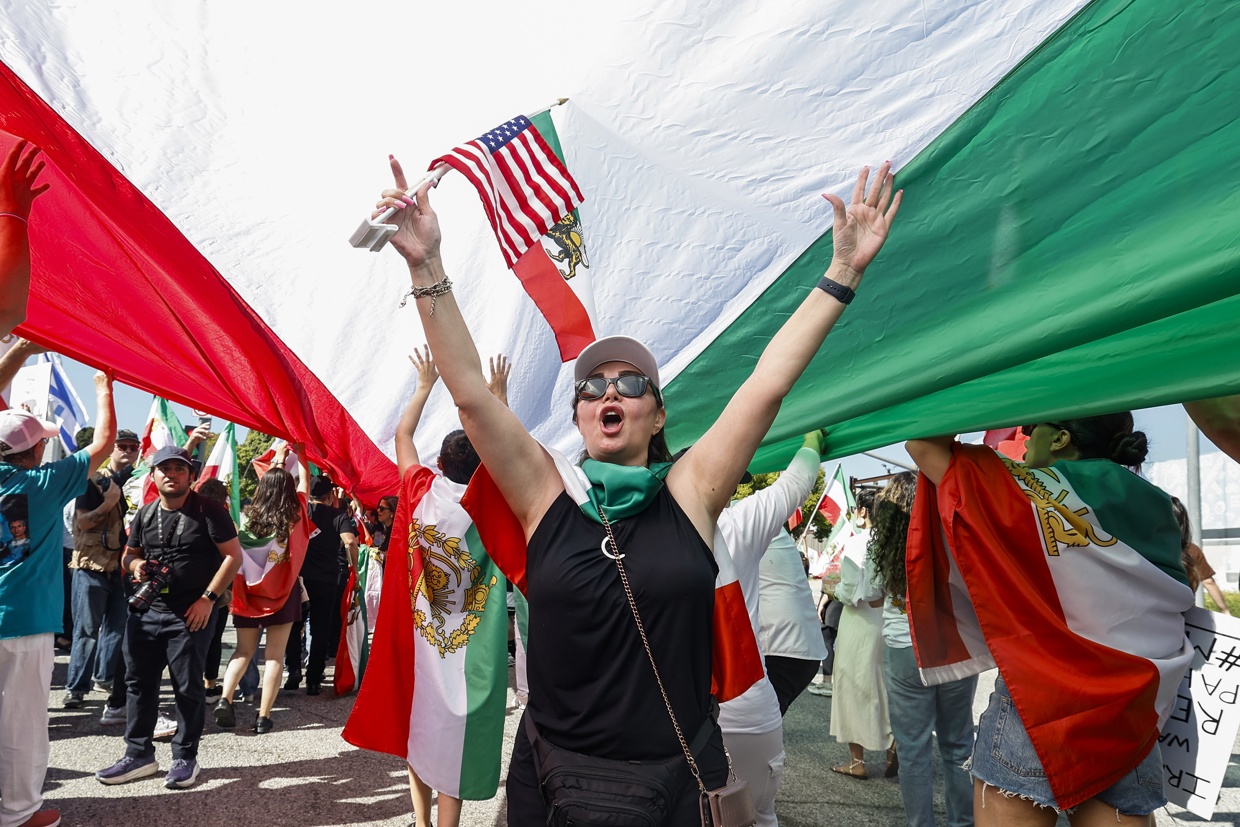
While the Iranian government declared mourning, on the streets of Iran—according to leaked images despite the Internet blackout—some people celebrated.
Trump’s commitment to security forces
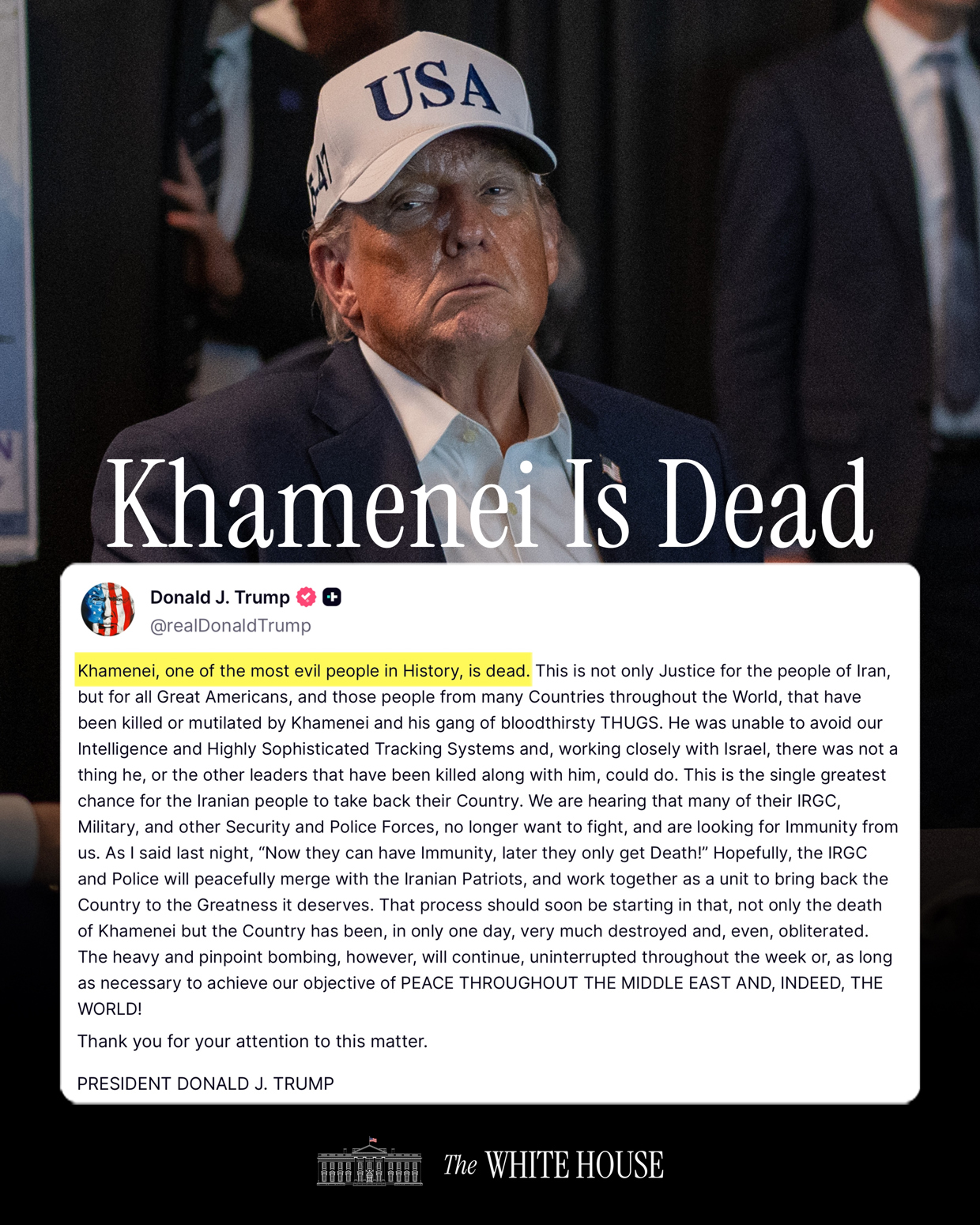
Before state television confirmed Khamenei’s death, Trump published in Truth Social a message explicitly addressed to the IRGC, the police and the military: “We are hearing that many of your members no longer want to fight and are seeking immunity from us.”
The offer, expanded hours later in a new message, invited these forces to “peacefully merge with the Iranian Patriots”.
The logic behind that message is what Washington has been building in recent weeks: authoritarian regimes do not fall in the squares, they fall when those who have weapons decide to stop using them. If the IRGC—a body of between 150,000 and 190,000 troops with Ramifications on the Iranian economy, politics and judicial system— fractures, the regime loses its spine.
A void without an heir
Khamenei ruled for 35 years without appointing an official successor. The Iranian Constitution establishes that Assembly of Expertsa body of 88 high-ranking clerics, must elect the next supreme leader, a task that body has only performed once, in 1989, when Khamenei himself was hastily chosen after the death of Ayatollah Khomeini.
Israel claims to have also decapitated seven echelons of the military chain of command, further complicating any orderly process.
Alí Larijani, secretary of the Supreme National Security Council, emerged this Sunday as the most audible voice of the regime. He promised retaliation and announced the establishment of a temporary leadership structure headed by President Masoud Pezeshkian and the head of the Judiciary.
Pezeshkian declared Khamenei a martyr and swore revenge.
Reza Pahlaviheir to the dynasty overthrown in 1979, urged the security forces from abroad to “unite with the nation and guarantee a stable and safe transition.”
Trump, for his part, said he knows who is ruling Iran right now, but declined to be specific. “There are good candidates”responded when asked about who he would like to see at the head of the country.
Reaction in Cuba
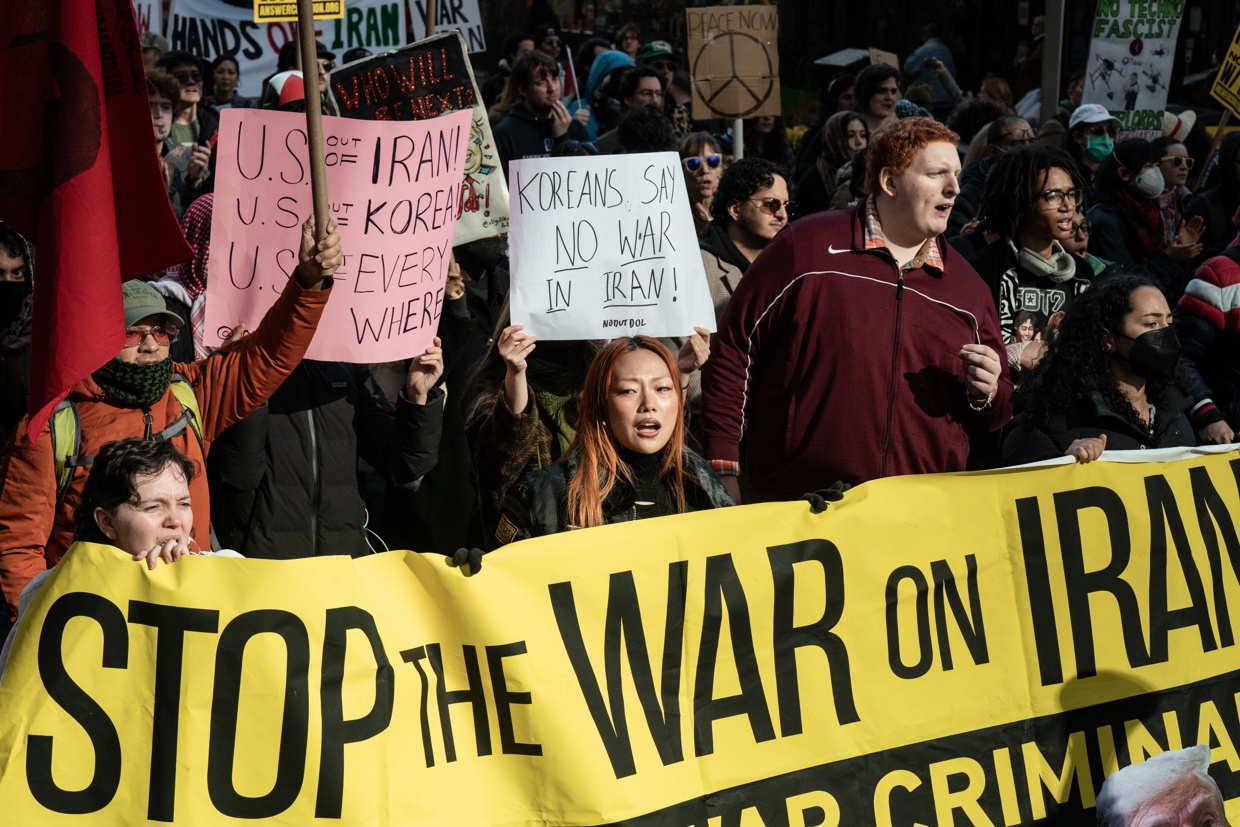
In Havana, Foreign Minister Bruno Rodríguez condemned the attacks from the Vaticanwhere this Saturday he met with Pope Leo XIV as “special envoy” of President Díaz-Canel.
“These irresponsible actions violate international peace and security, and constitute a clear transgression of International Law and the UN Charter,” Rodríguez wrote in Israel attacked Iranian military positionsRodríguez warned of “irreversible” consequences for the region.
What’s coming now?
What comes next in Iran depends on at least three unknowns that will be resolved in parallel: whether the security forces fracture or remain cohesive; if the Assembly of Experts manages to appoint a successor within a reasonable time; and whether the bombings continue or give way to negotiation.
Trump was explicit: the attacks will continue “without interruption during the week, or as long as necessary”.
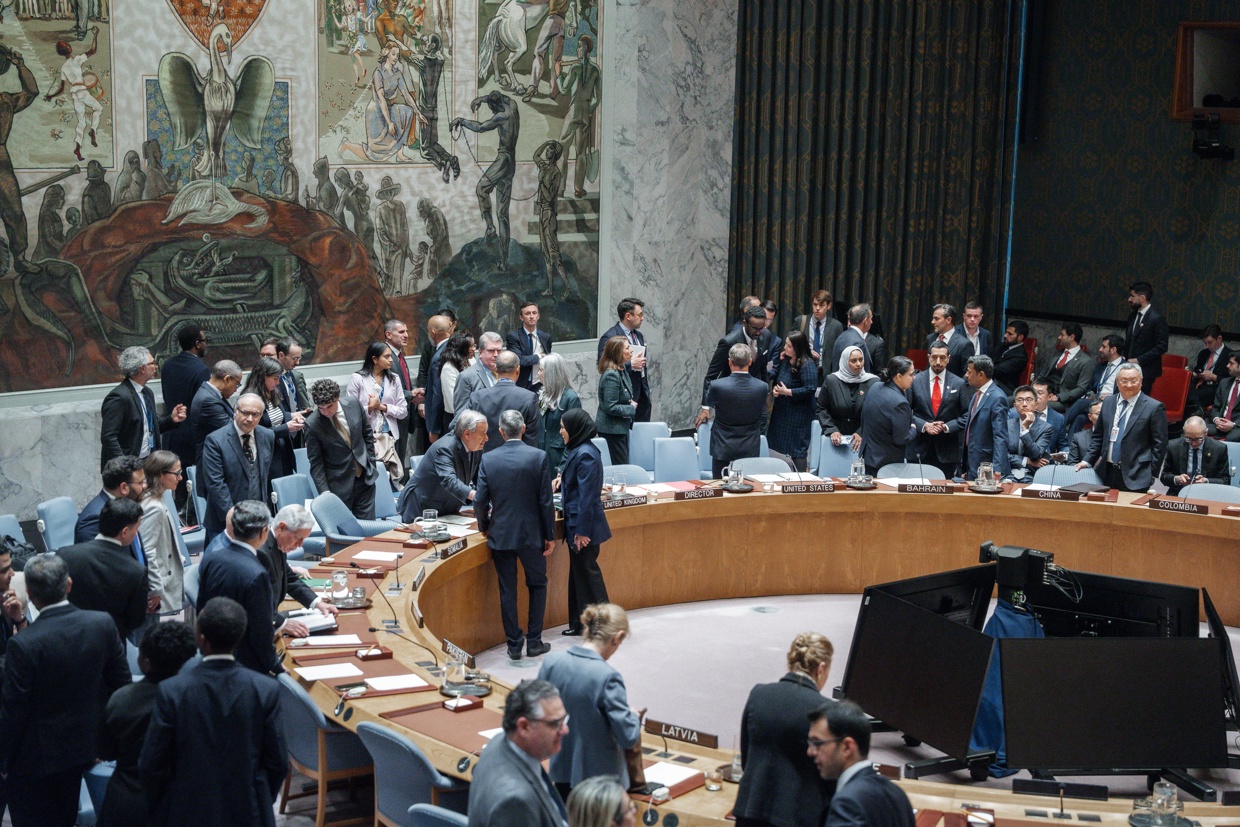
The UN Security Council held an emergency meeting. Secretary-General António Guterres warned that military action “carries the risk of igniting a chain of events that no one can control in the most volatile region in the world.”
Russia and China condemned the attacks. Three Gulf Arab states – Saudi Arabia, Bahrain and the United Arab Emirates – condemned Iran for the missiles that hit their territory, without a single criticism of the US-Israeli operation, a sign of how the map of alliances in the region has changed.
Iran has already demonstrated in “12 Day War” of June 2025 an ability to absorb blows and stay upright. That resilience now faces its most extreme test: without the leader who embodied it for almost four decades, with the military chain of command decimated and with Washington offering immunity to those who decide not to continue fighting.