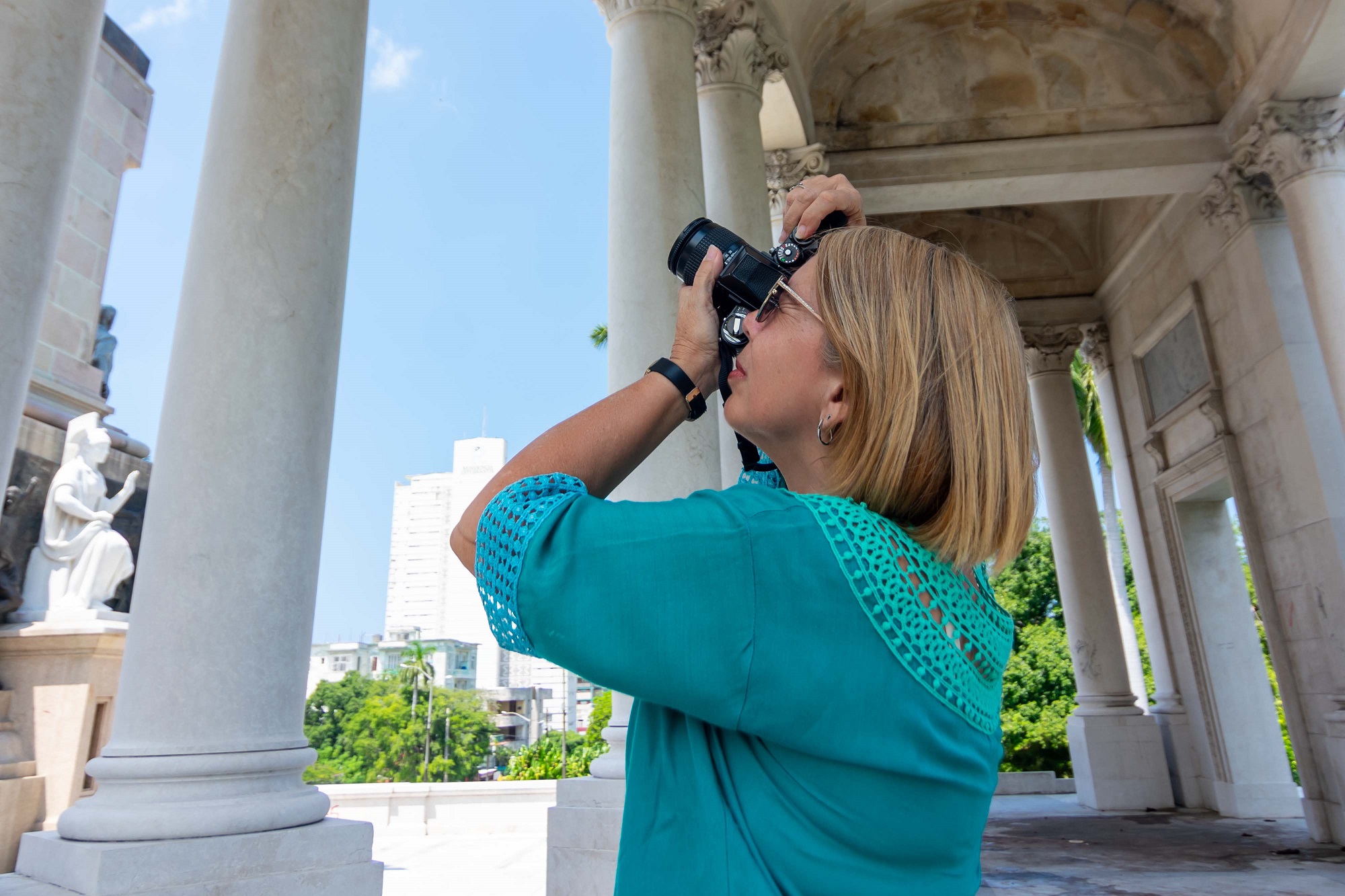
Born in Cienfuegos in 1966, Maribel Pérez Velázquez has lived in Havana for three decades, the city in which she graduated as a hydraulic engineer. Her training as a photographer was obtained in various entities, such as the “José Martí” International Institute of Journalism, Uneac, the “Cabrales del Valle” Academy and the Witness Visual Storytellers program.
He has two personal exhibitions to his credit: Parallel Confluences (Centro Provincial de Artes Plásticas y Diseño de La Habana, 2022) and Point of View (La Pared Negra, Fábrica de Arte Cubano, 2024); He has also participated in various group exhibitions.
His work has been recognized with several awards and mentions. Among these it is worth highlighting: First Prize in the VI edition of the Lente Artístico contest (2020); Best Cuban author in the Fiaf International Photographic Art Contest (2023); and Individual Photography Prize in the 11th Young People of the Lens Photography Contest “Cuban Childhoods” (2023).
Maribel Pérez Vázquez shows us a segment of her work:
My work focuses on artistic architectural photography, although I also dabble in documentary photography and abstractionism. In this genre I seek to move away from conventional representations of imposing structures.
I try to capture the essential details, revealing new ways of looking at architecture, nature and everyday life, through compositions in which light, contrast and visual synthesis are protagonists.
By reversing the images, a fantastic perspective is generated that invites the viewer to reconsider the familiar, and discover shapes and textures that often go unnoticed.
I delve into architecture like someone exploring a soul, but I also travel through the faces, the streets and the symbols, always in search of my own language.
I photograph to find the invisible; to show that beauty often lives in the details and the traces of time.
From 2018 to today
I discovered photography in 1998, when, with an analog camera, I photographed my young children, without having technical knowledge about the medium. He framed and placed them carefully so that the final result was perfect. Since then, my gaze began to instinctively focus on what aroused my interest, discarding the rest and mentally composing the desired image.
In 2018, my son—then an ISDI student—needed to deepen his knowledge of photography, which at that time was an optional subject in his degree. His enthusiasm infected me, and together with him and his girlfriend we decided to enroll in the “Cabrales del Valle” Academy, under the guidance of the renowned teachers Ramón Cabrales and Rufino del Valle. There I studied for seven years, from Photographic Technique or Camera Handling to Universal Art History, Curatorship and Museography.
I come from a family closely linked to art. There are musicians, painters and designers. My older sister, Ileana Pérez Velázquez, has a PhD in Acoustic and Electronic Music, with a specialization in musical composition and a master’s degree in Electroacoustic Music. She is an internationally recognized figure, a professor at Williams College in Massachusetts. I have also been influenced by the visual arts through a painter nephew, as well as my son and his wife, both graphic designers.
Photography saved my life. Together with God, it has become my refuge and strength. It is the space I turn to when nostalgia and longing invade me. I have two children and a grandson who are my greatest pride. My eldest son has a Doctor in Chemical Sciences, graduated in Leuven, Belgium, and the youngest has a Bachelor’s and Master’s degree in Marketing and Visual Communication Design, in Malaga, Spain.
Predilections, influences
In my photographic work I play with composition, light and shadows to, as I noted above, reveal the architectural wonders that are still preserved and that, in the midst of the daily hustle and bustle, often go unnoticed.
Before shooting, I study the places, the buildings and every architectural detail to return at the right moment and capture the image. Starting from a real scene, I sometimes invert the image in search of a more fantastic and minimalist proposal, with the purpose of offering a different vision. I work meticulously on each piece, perfecting it until I am completely satisfied.
Throughout eight years of practicing this art I have explored various photographic genres, such as detailed architecture, creative artistic portraiture, documentary, street and abstract photography, but it is in architectural details where I find my greatest passion.
I feel a special attraction to elements such as columns, cornices, pillars, arches or moldings, as well as stairs and skylights.
Among the photographers whose works have influenced the formation of my vision, Henri Cartier-Bresson, Fan Ho, Sebastião Salgado and Eugene Smith stand out. Within the Cuban panorama, I deeply admire the work of Raúl Cañibano, Armando Zambrana and Rufino del Valle.
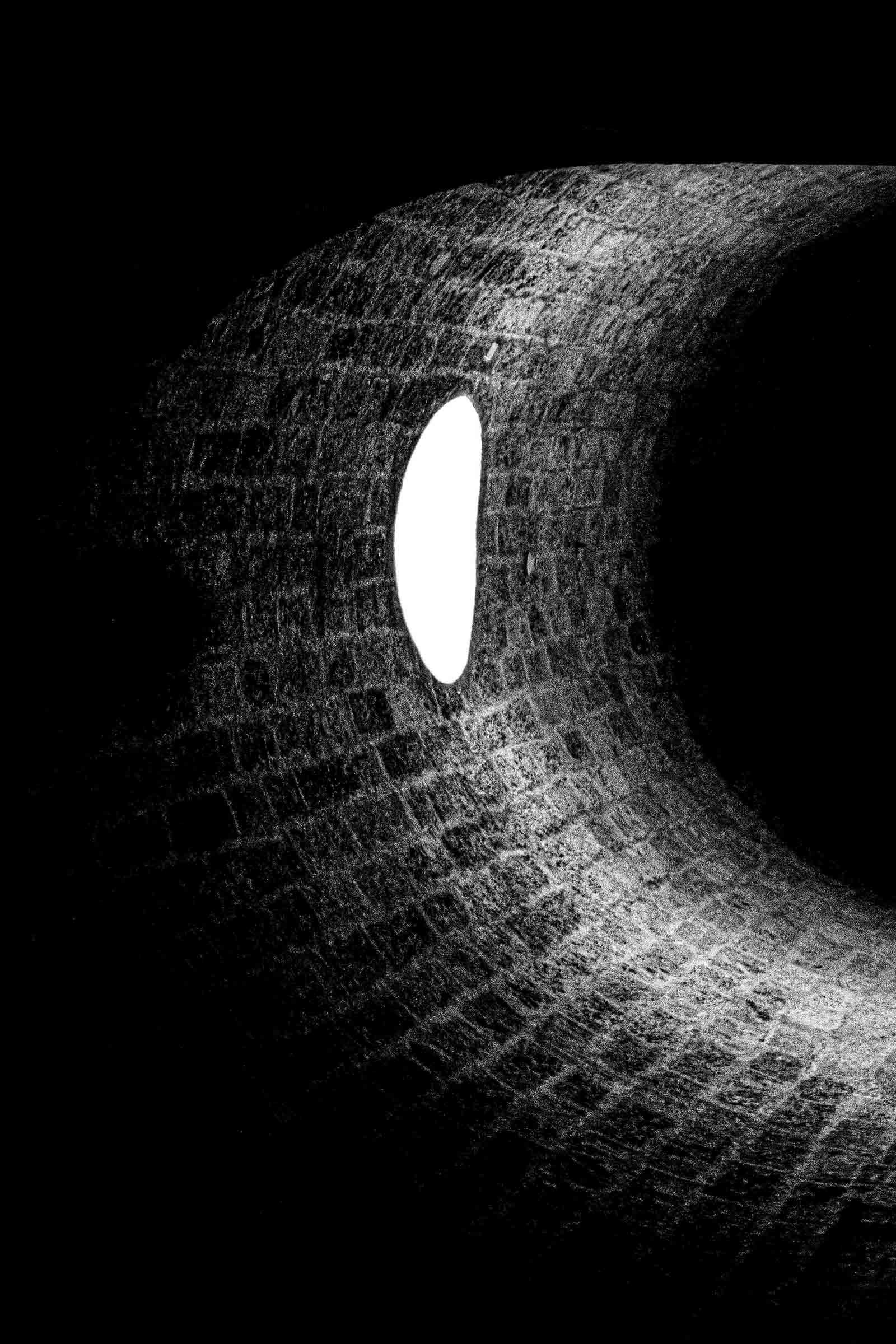
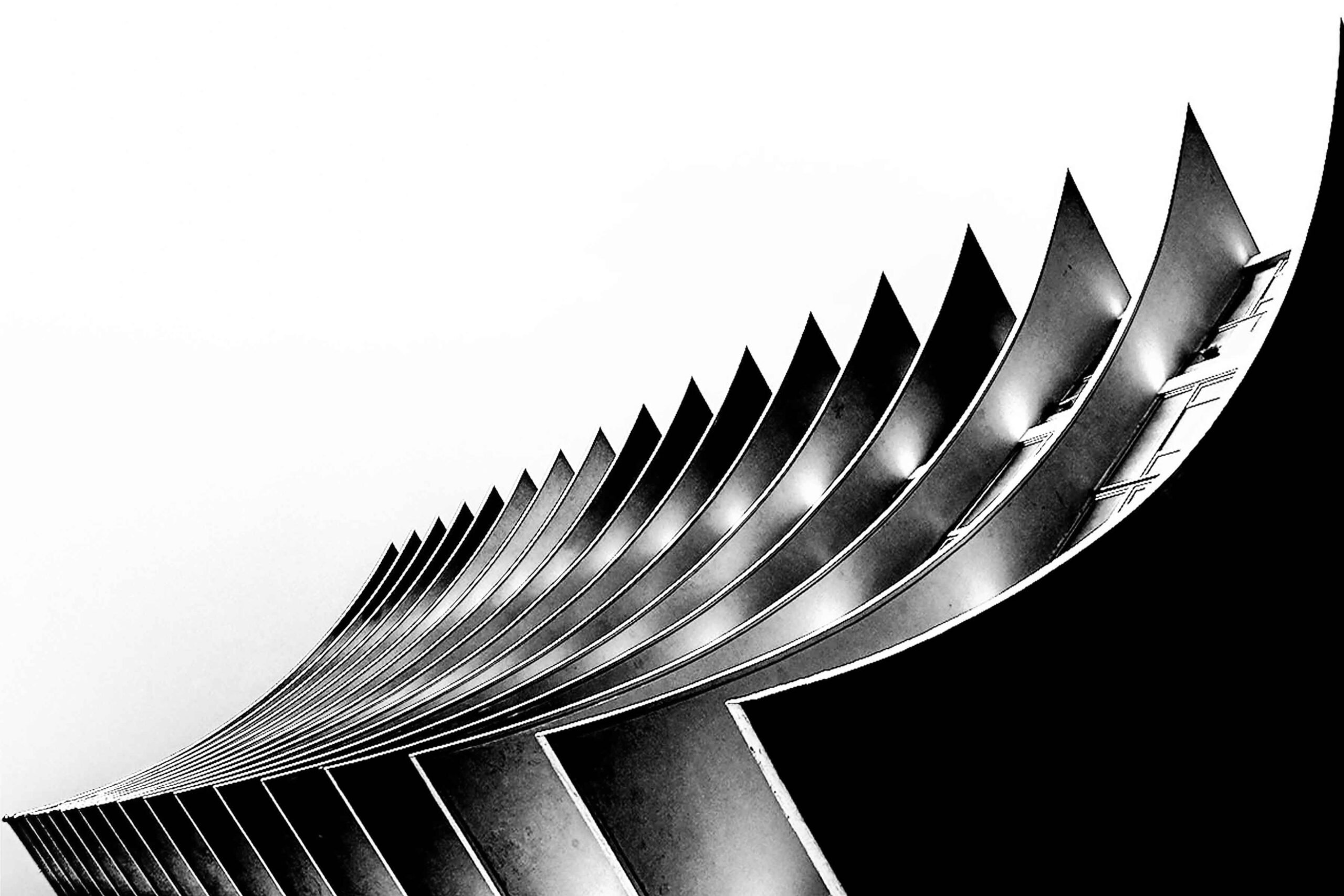
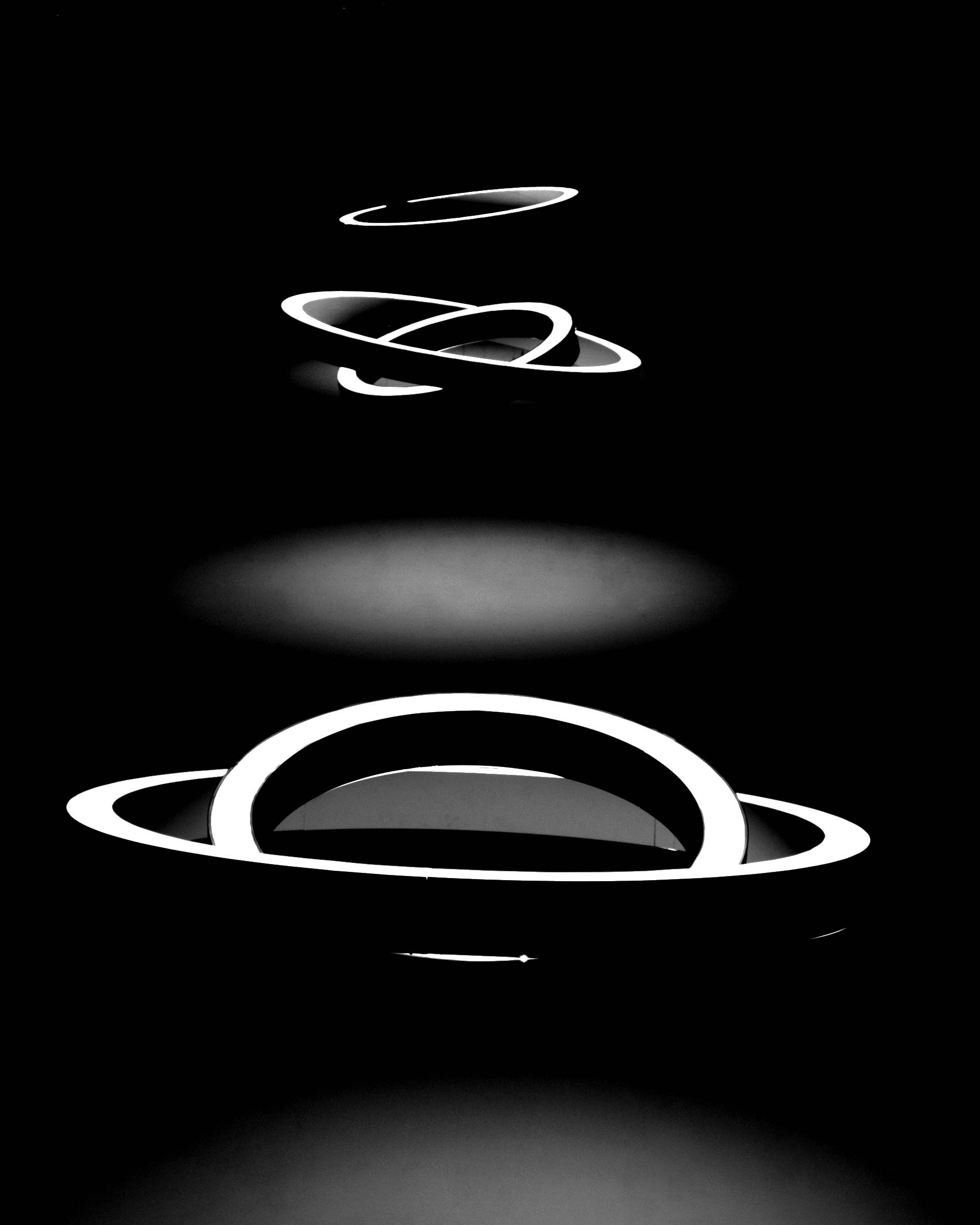
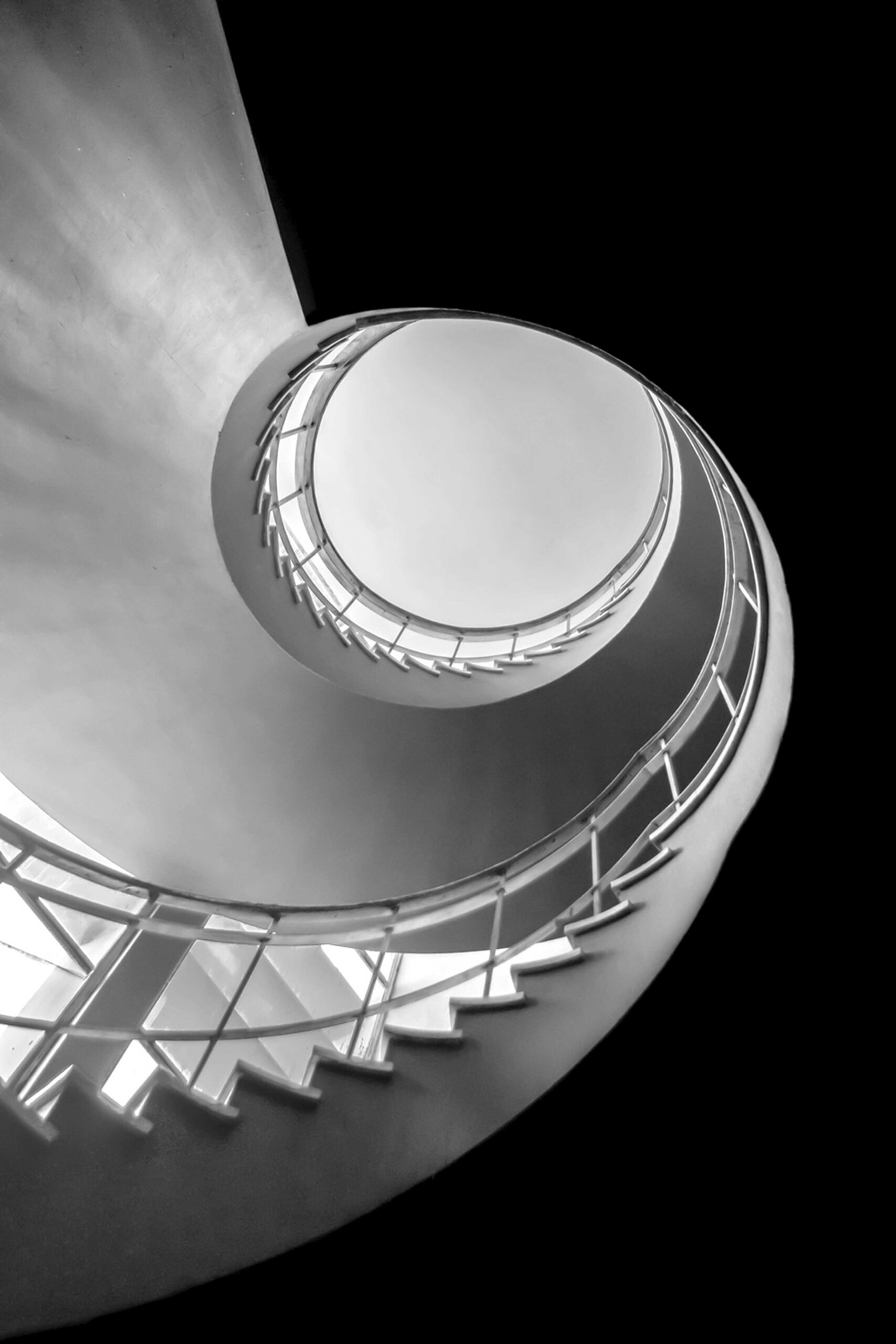
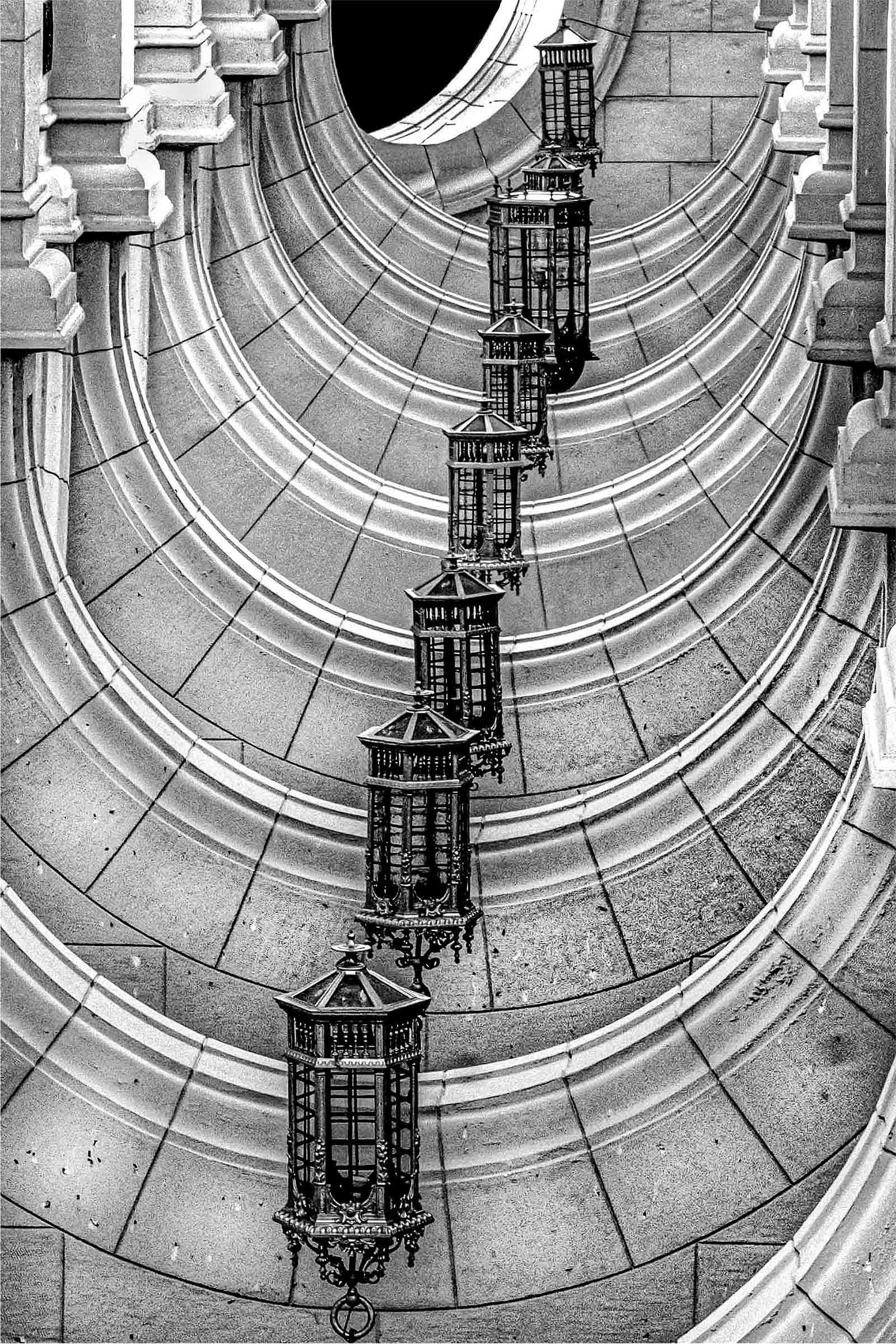
Detail architecture
This series has been conceived in black and white. The images were captured in natural light. Contrast, synthesis and illumination without artifice facilitate somewhat radical compositions that highlight essential details of the buildings, which invite the viewer to take a different point of view than usual.
Reversing the images creates a fantastic perspective. Whoever stops to look at these works must reconsider what is familiar to them, and discover shapes and textures that until then were unknown to them, despite having them in their daily environments.
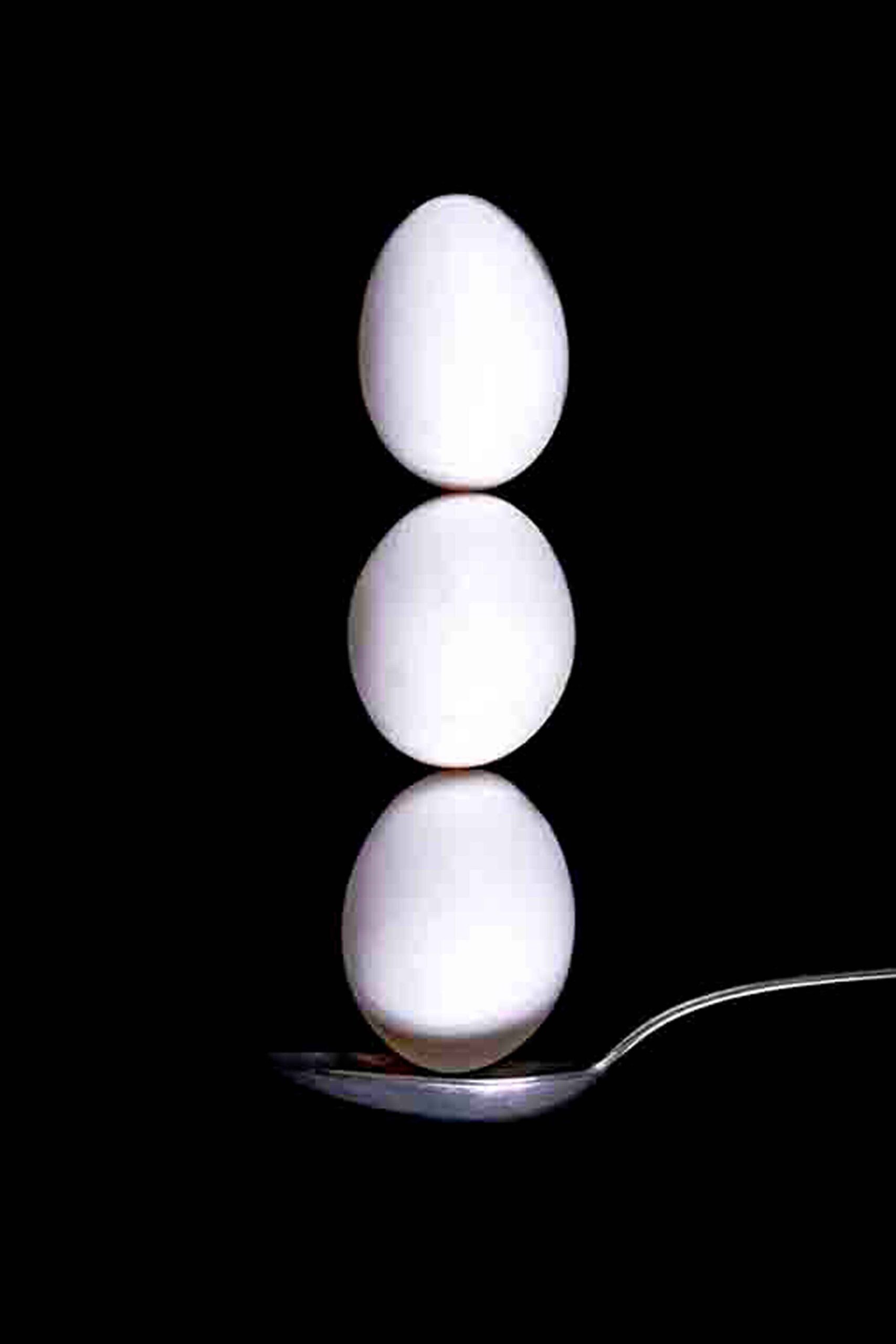
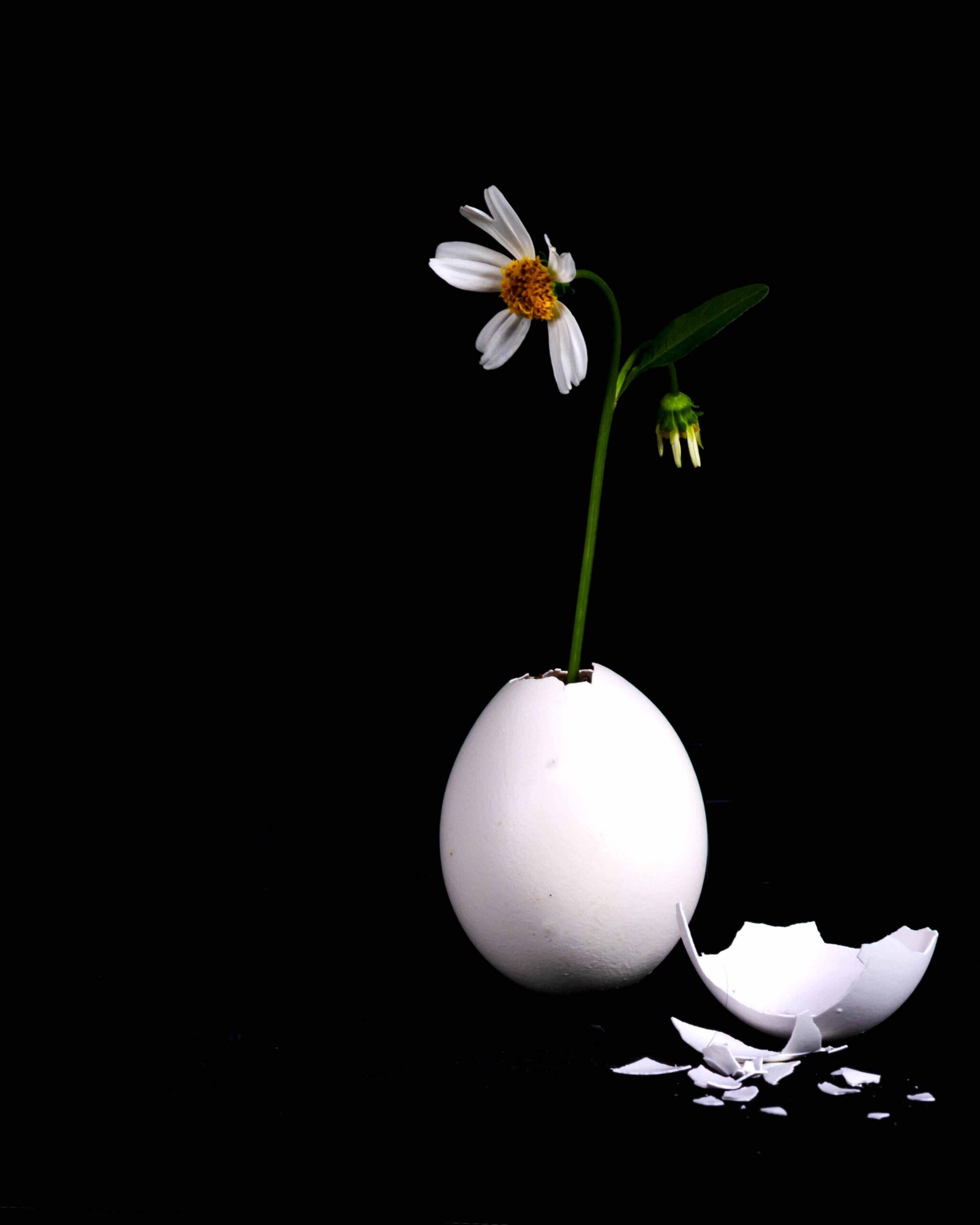
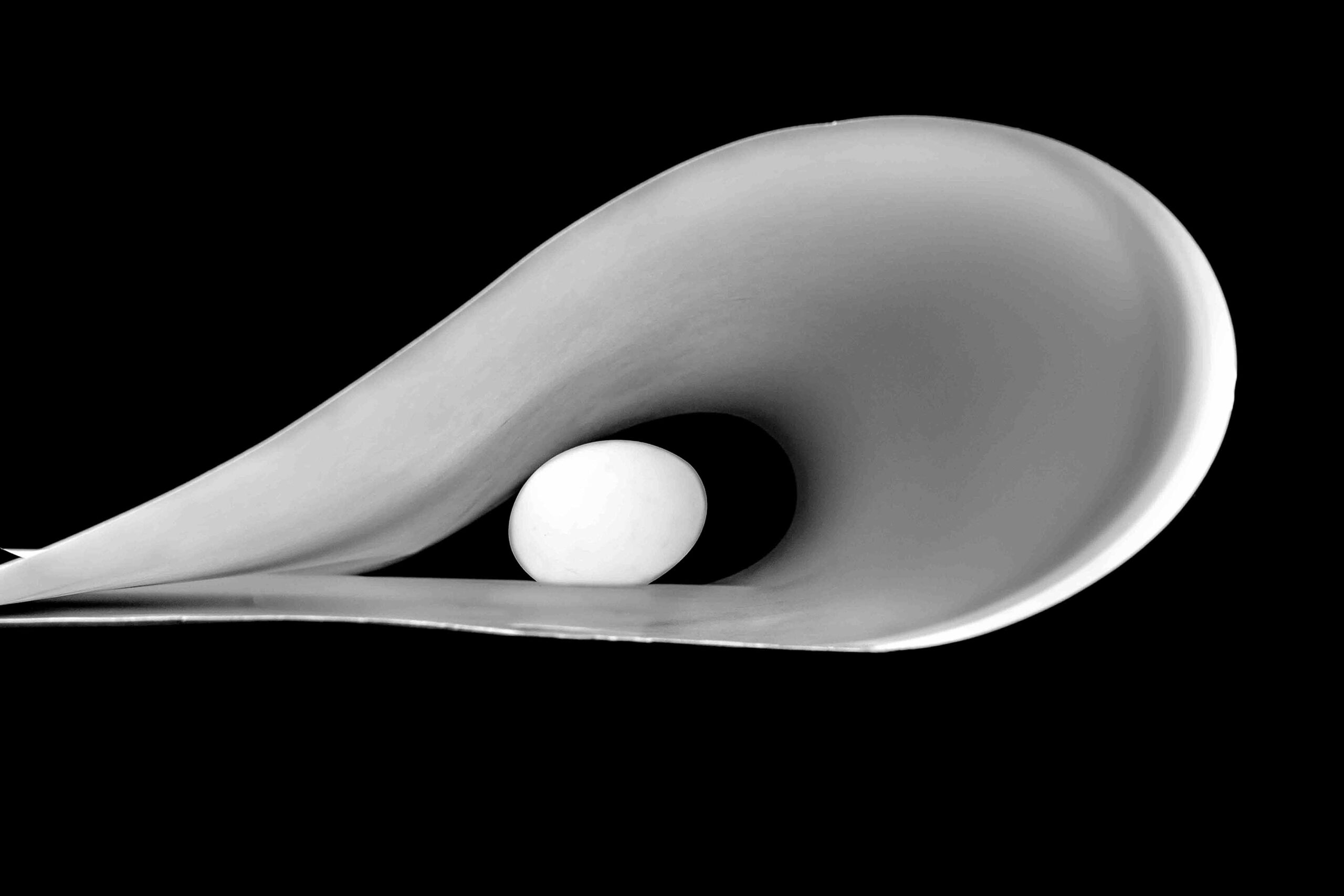
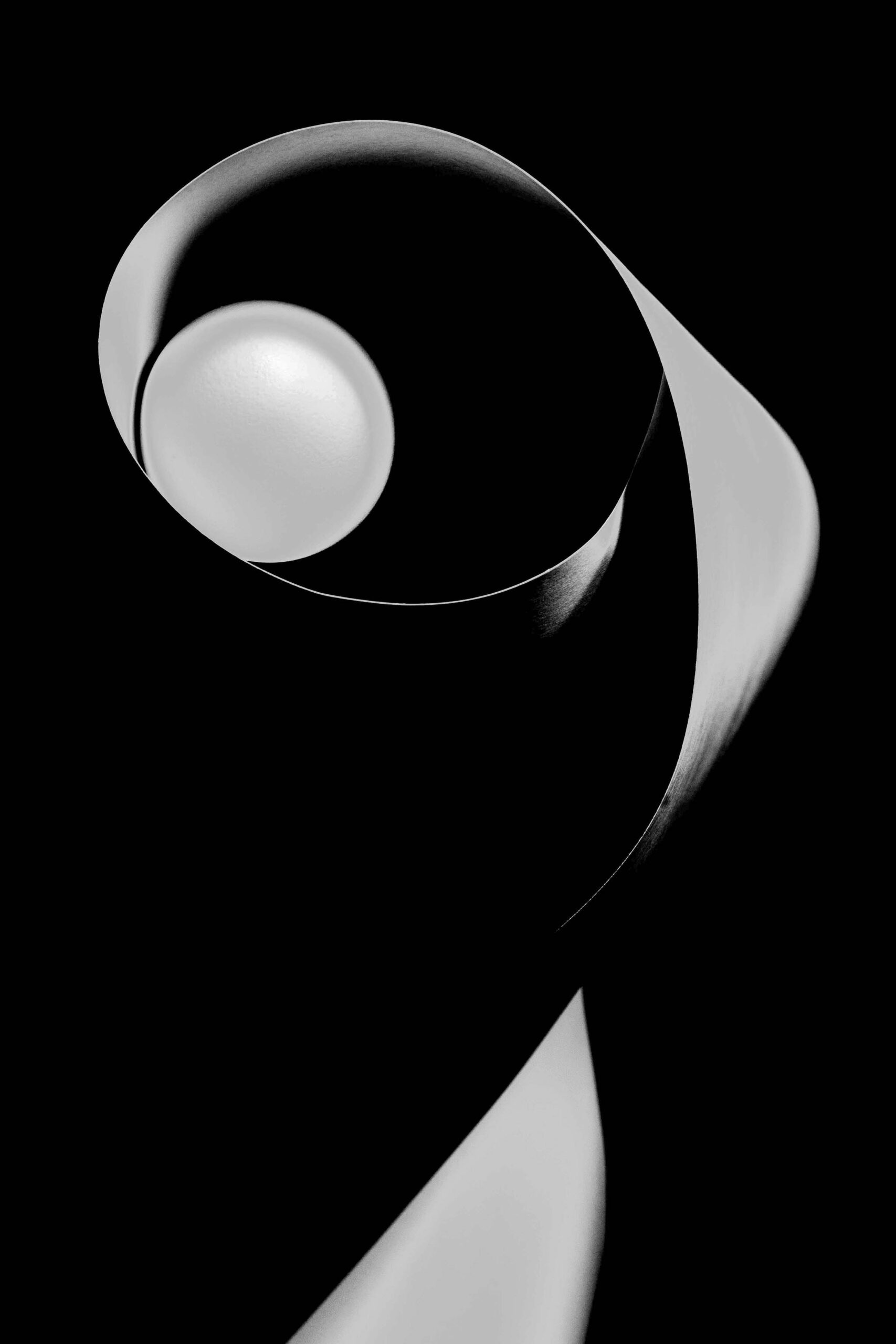
Genesis
Starting from the symbol of the egg—the starting point of existence—I construct narratives where time seems suspended between gestation and rebirth. The shell that envelops and protects also opens as a promise. From the hidden comes the living, from the rupture comes creation.
The images explore that tension between fragility and strength, between emptiness and fullness. For this I use synthetic compositions, natural light and black and white as elements of timelessness.
Sometimes, the life that emerges is not animal, but vegetal: an unexpected flower that sprouts from what is broken, reminding us that the cycles of existence do not obey fixed forms, but rather an essential impulse of transformation.
Genesis It invites the viewer to contemplate the moment in which everything begins, and to recognize in that vulnerability a profound form of beauty.
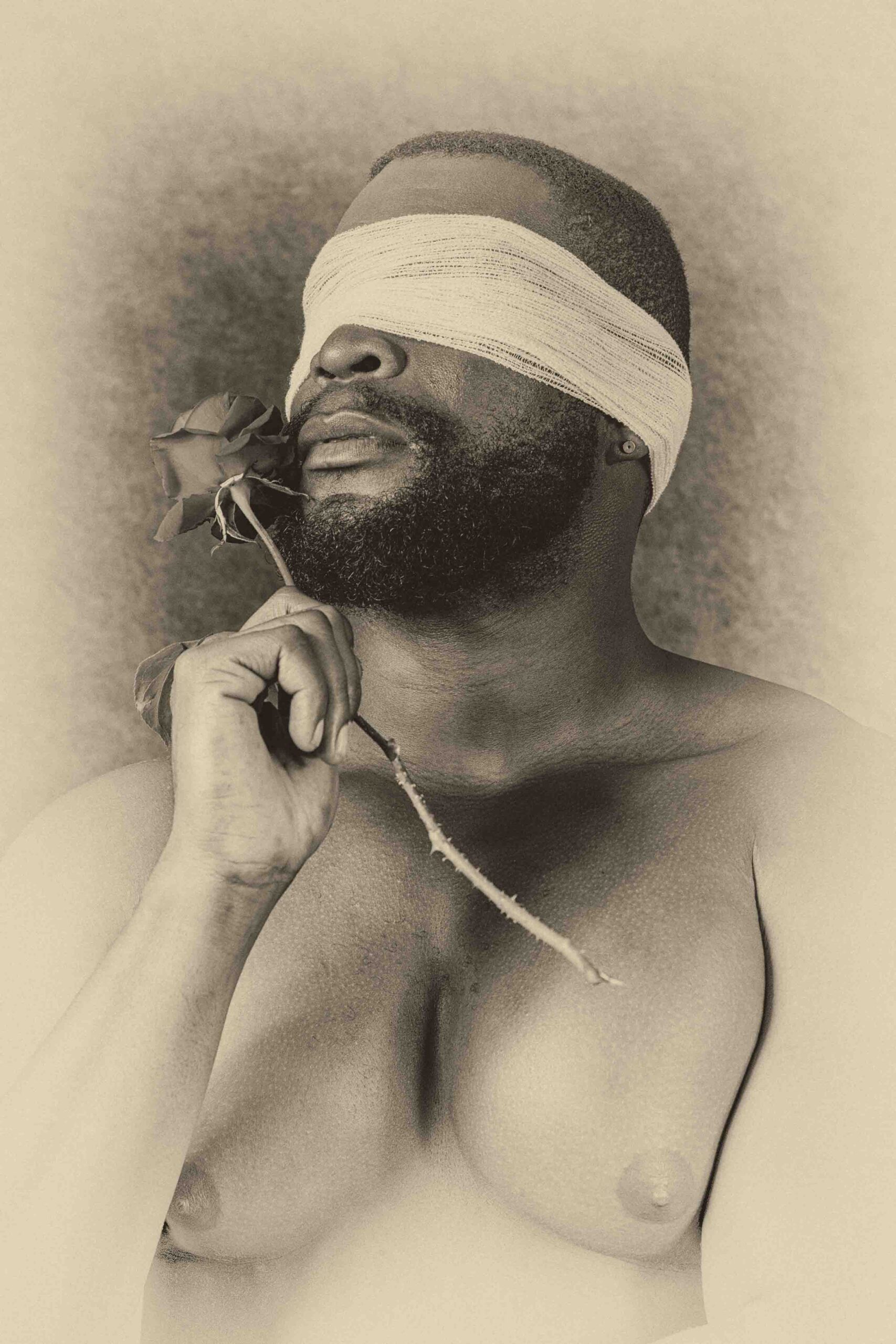
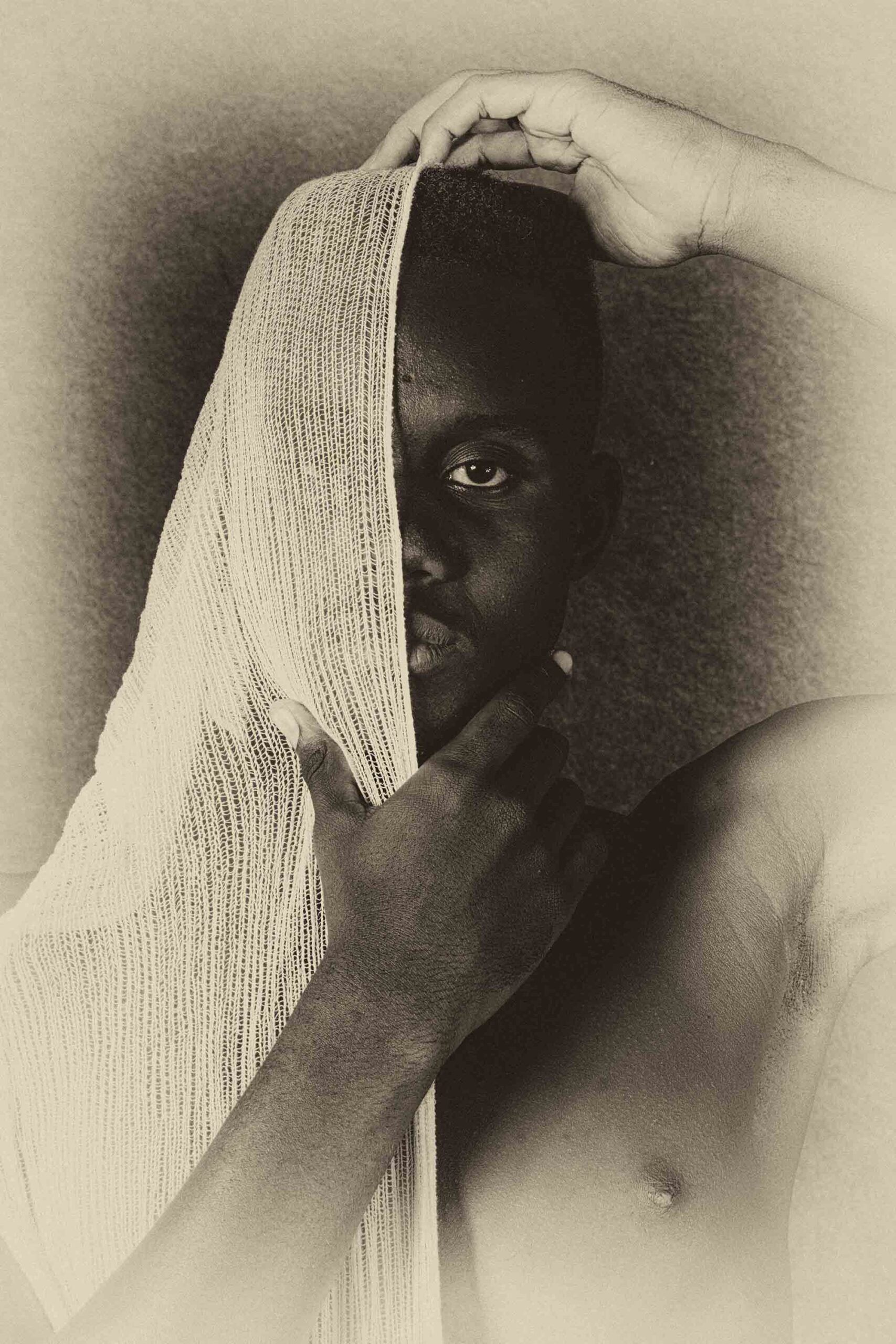
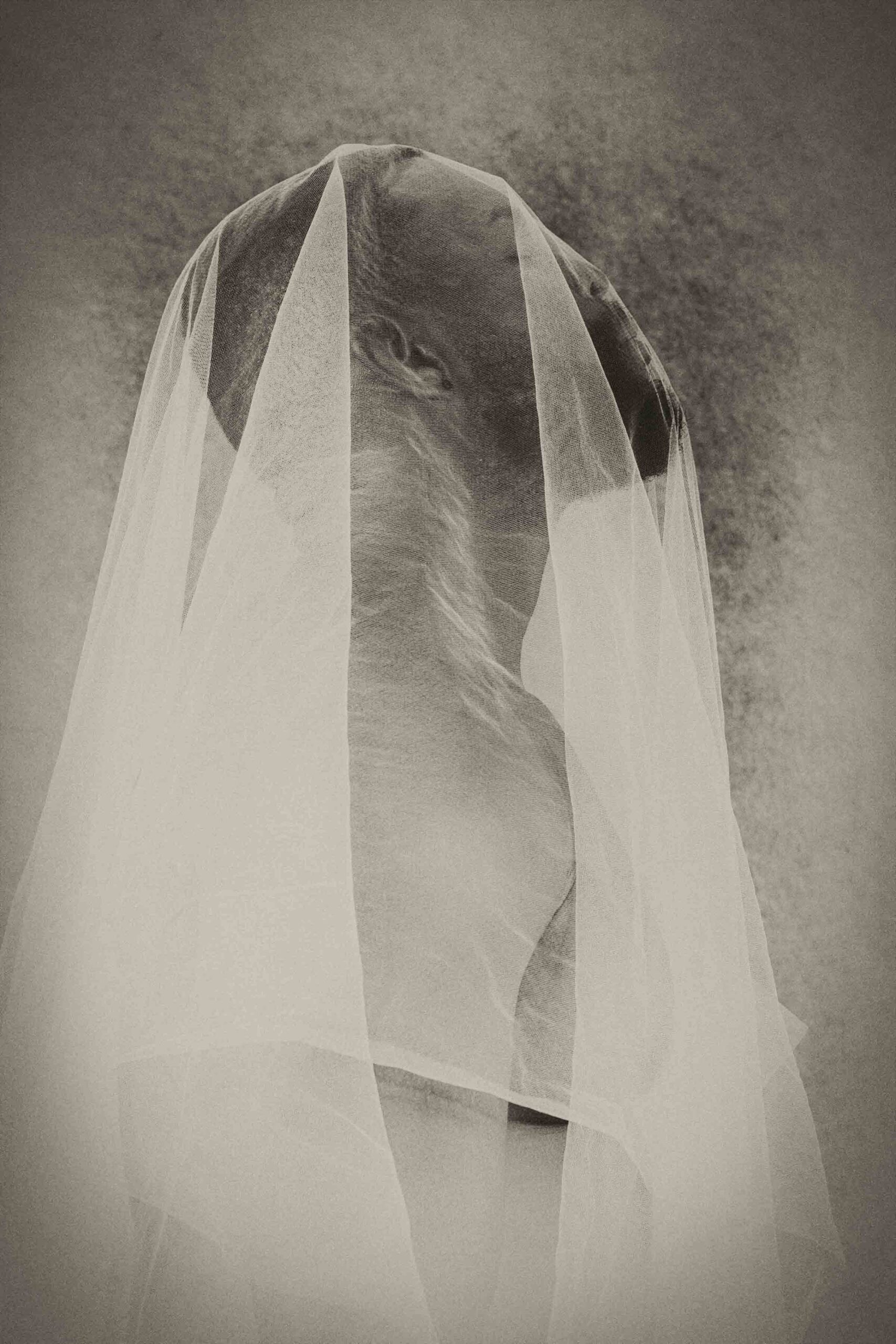
Between veils and thorns
Between veils and thorns explores the complex experiences of those who, for various reasons, are driven to hide their sexual orientation.
Through veils that cover the gaze and floral elements that evoke fragility, desire and beauty, a metaphor is built about that which, although hidden, insists on manifesting itself.
The flower, a symbol of what germinates despite repression, becomes an extension of the body and an act of silent resistance.
This series is an essay about acceptance, the identity that struggles to be recognized, about tenderness as a way of existence and about the delicacy that can contain an irrepressible force.
Anatomy of space
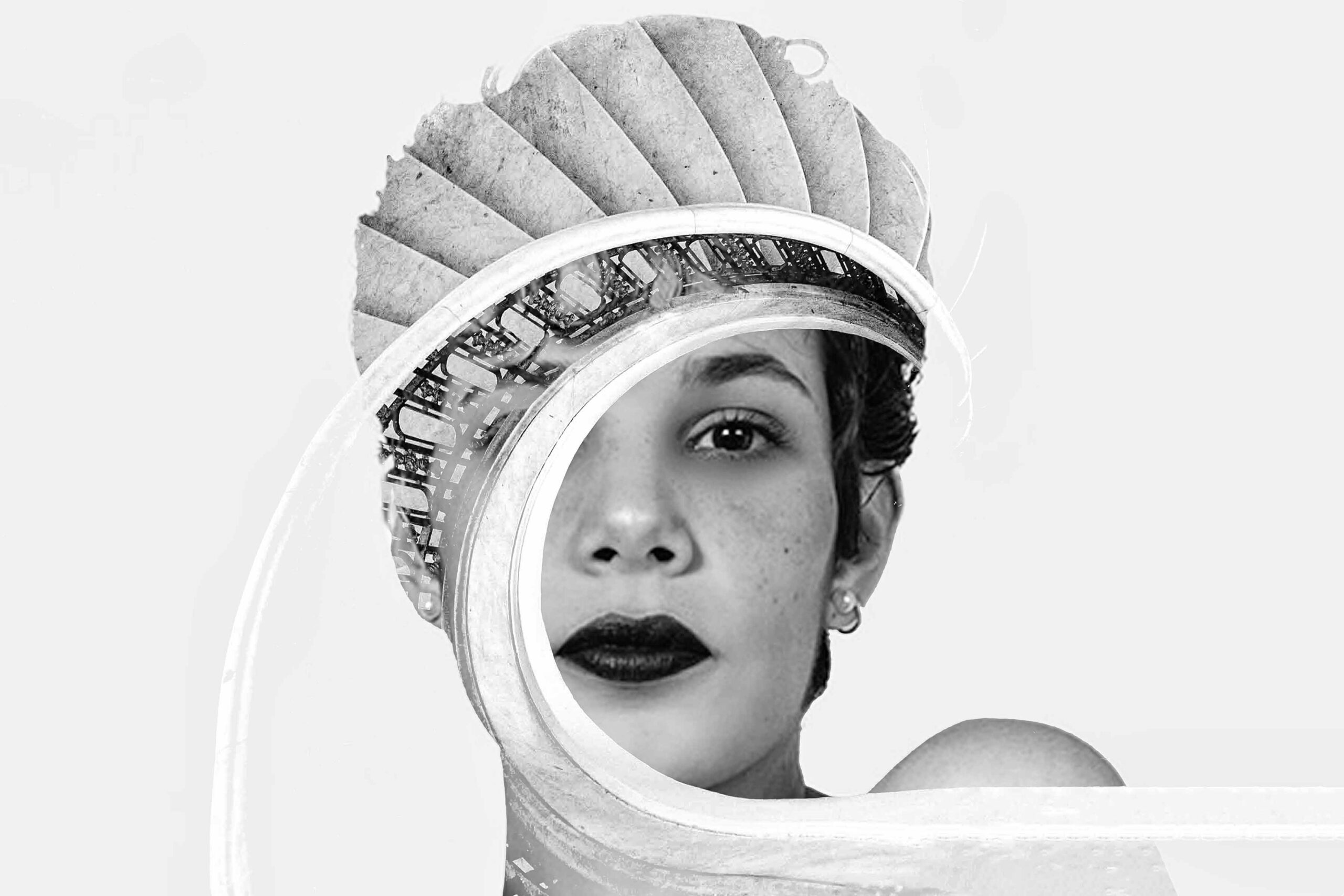
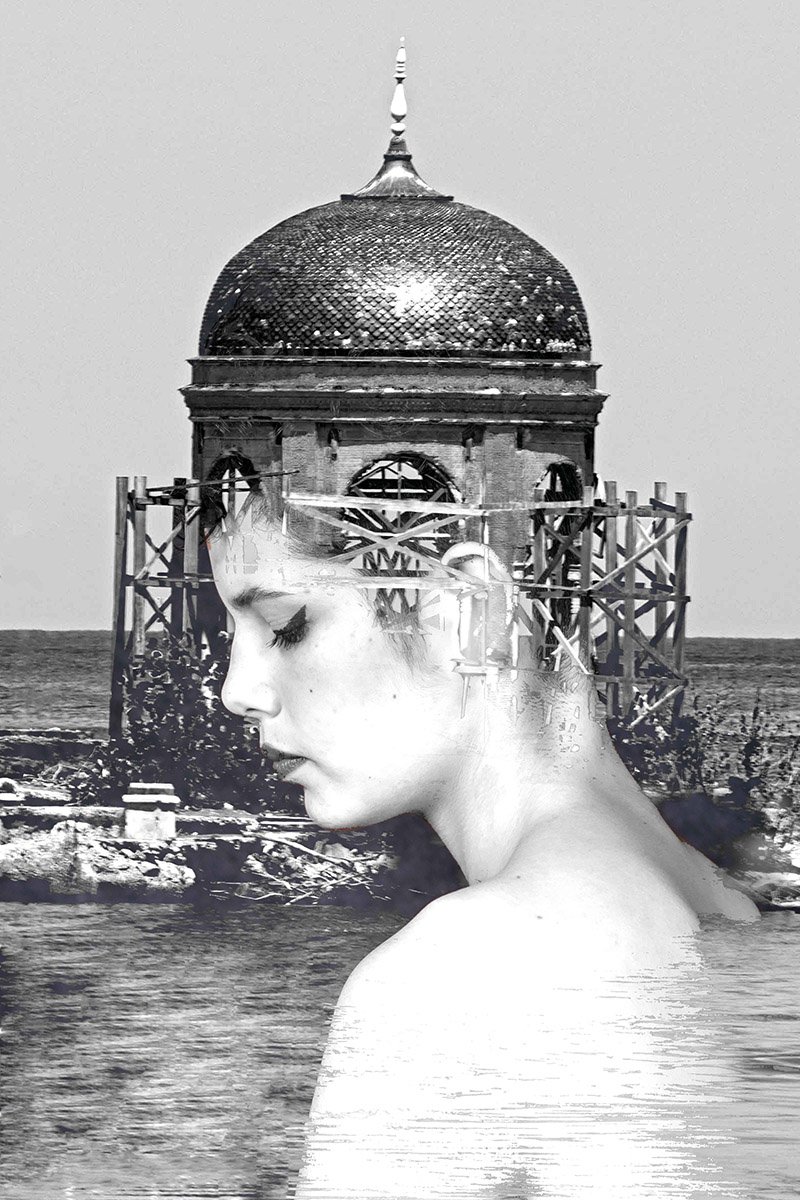
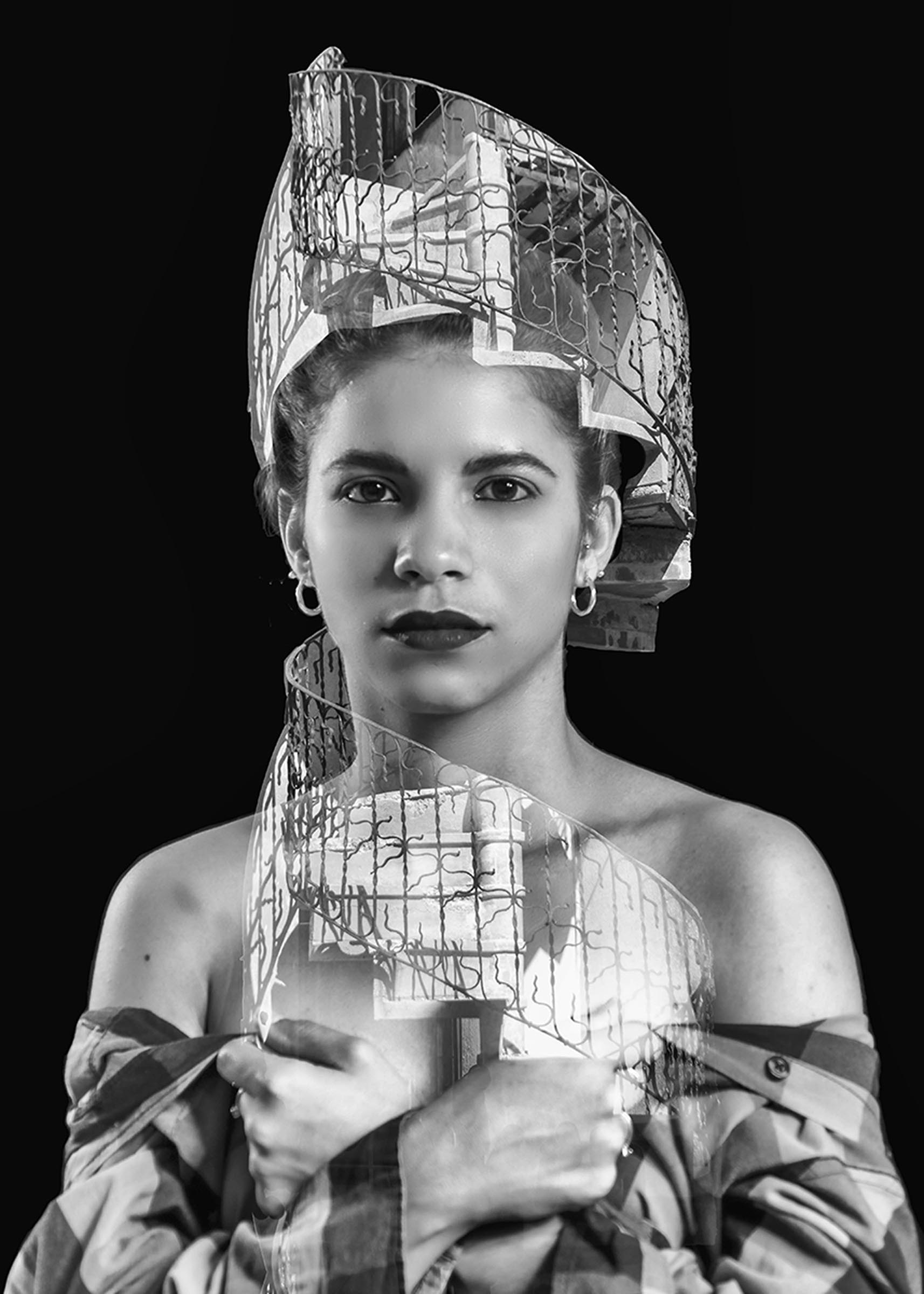
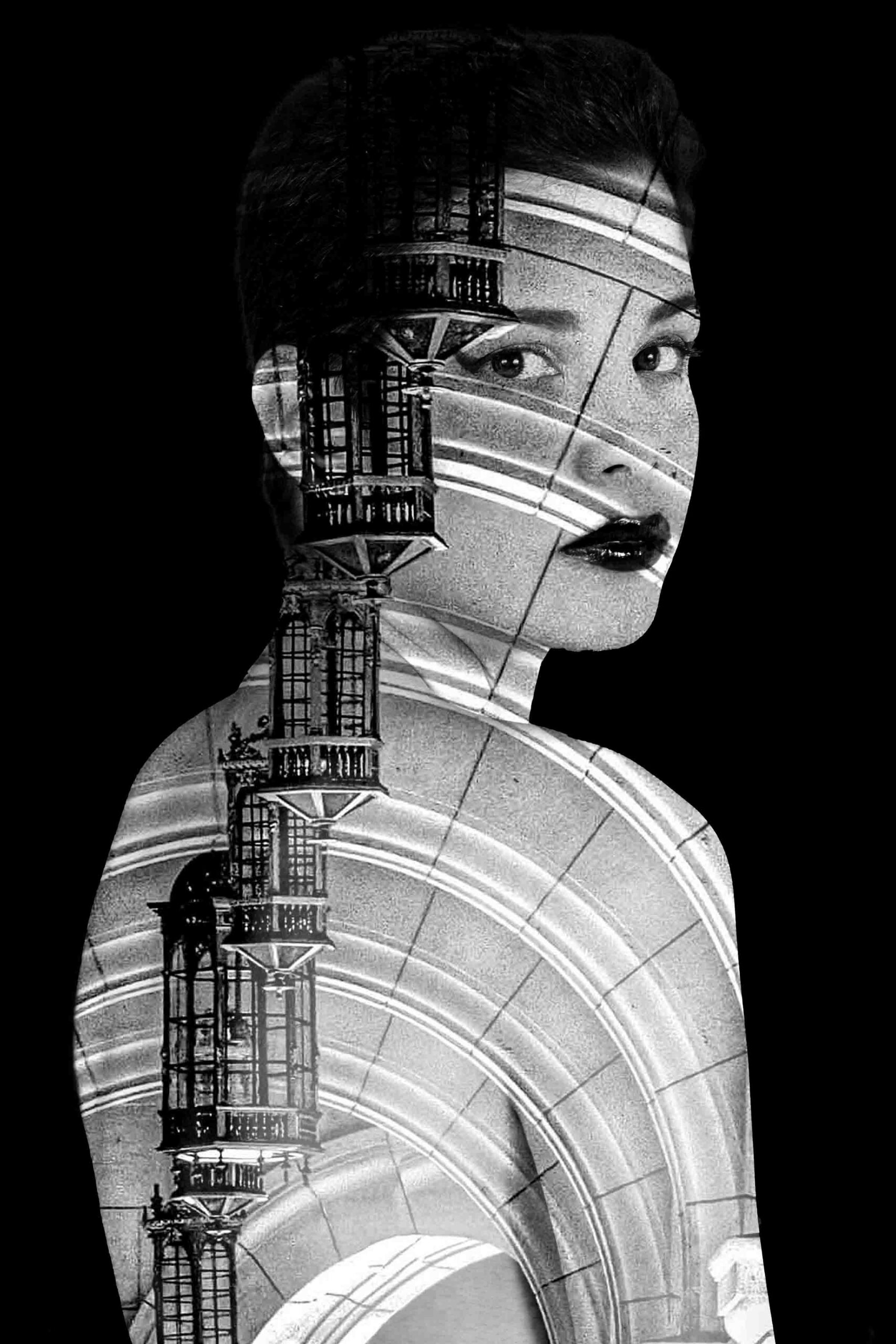
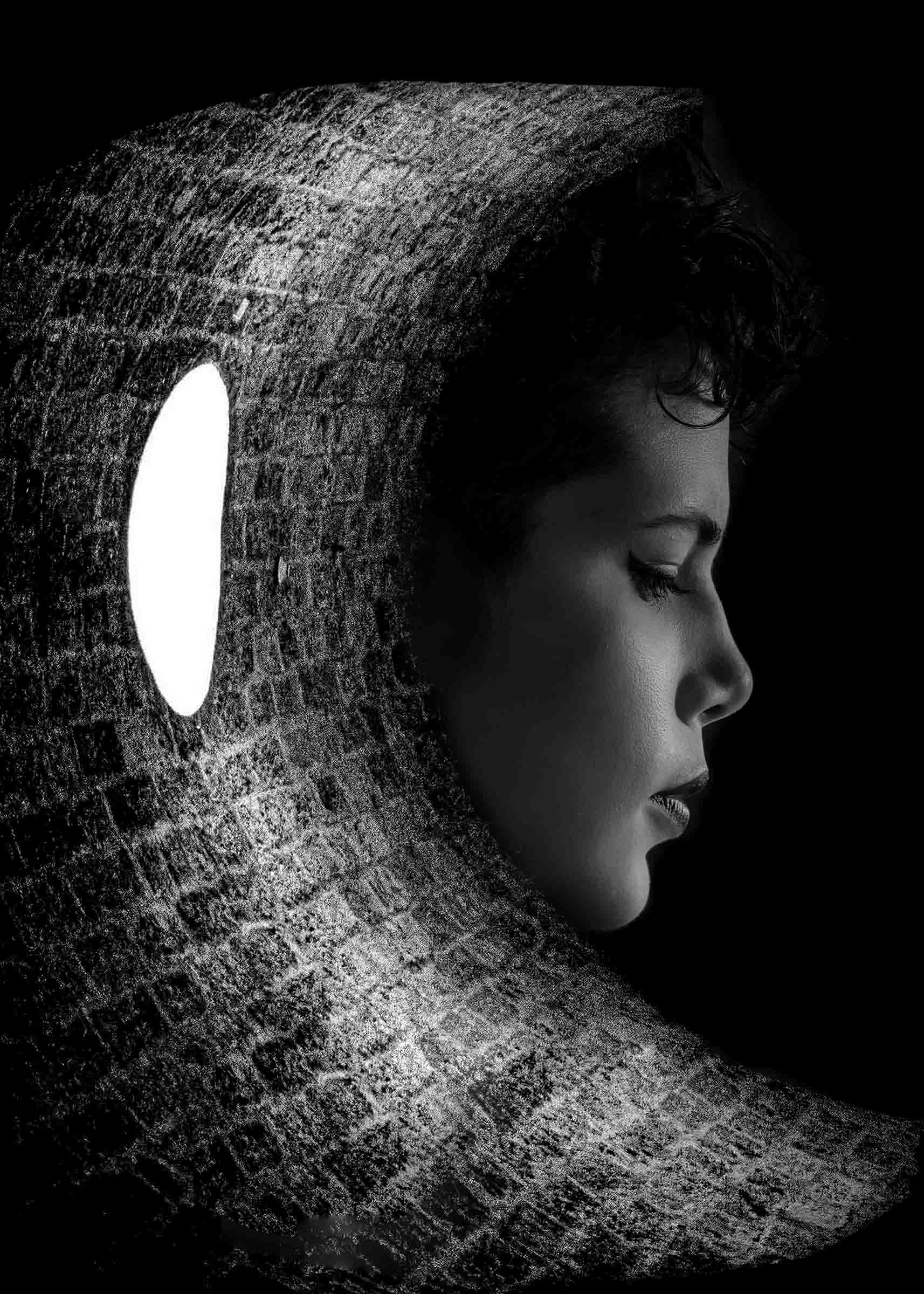
Anatomy of Space is about the human footprint inscribed in architecture. It reveals how the body and space dialogue in a silent and persistent exchange.
Through portraits that merge with architectural fragments, the series proposes a reading in which geometry becomes skin and structure becomes an extension of being.
The use of black and white intensifies the tension between form and presence, and strips the image of distractions to highlight what is essential: the poetics of living and the permanence of the human in the built space.
Each photograph functions as an intimate cartography where architecture stops being a mere setting and becomes the protagonist of the body, and the body, in turn, becomes a vital part of the anatomy of the space.