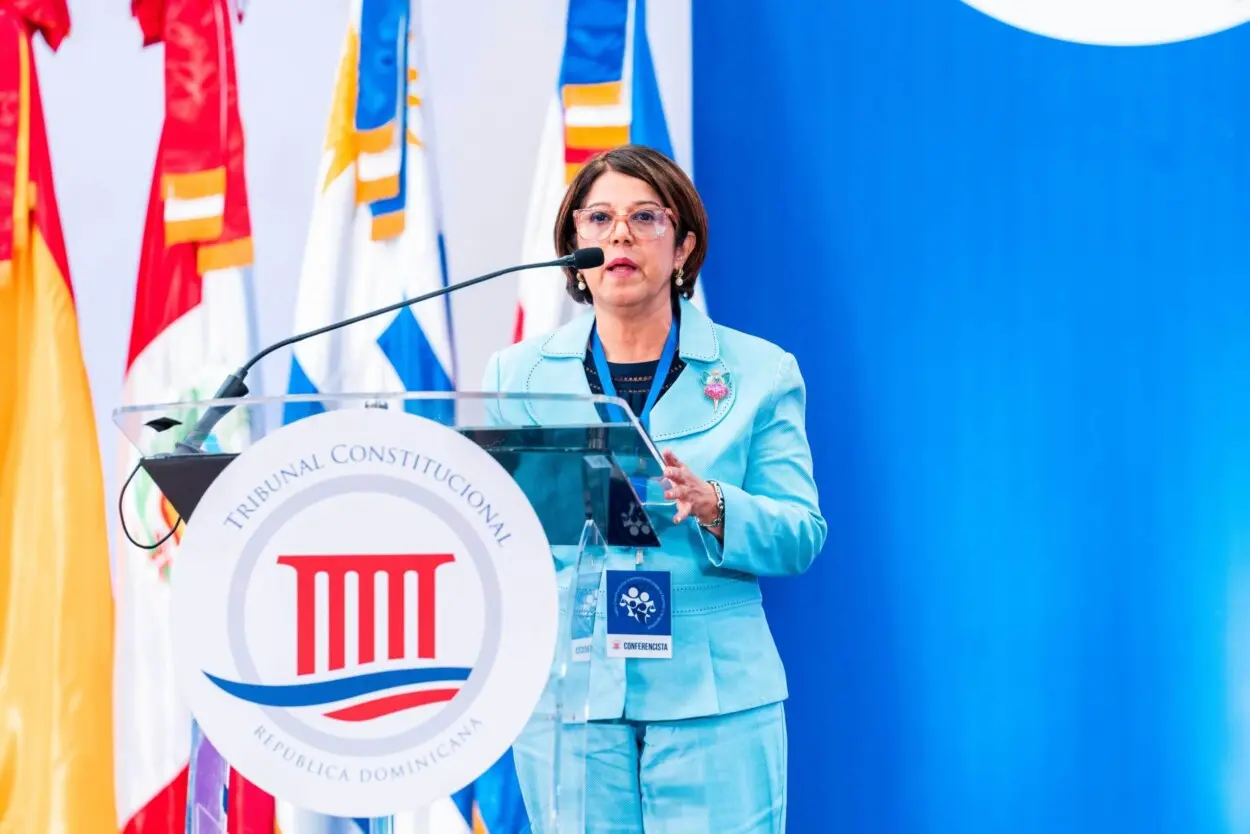
Santo Domingo.-The judge of the Supreme Court of Justice (SCJ), Nancy Salcedo Fernandezstated this Wednesday that the Judiciary promotes a open justice aimed at guaranteeing effective access for people with disabilities, in line with article 13 of the UN Convention on the Rights of Persons with Disabilities.
The statements were offered during the virtual conference “Access to Justice for People with Disabilities”, held on the occasion of the International Day of People with Disabilities and which brought together judicial representatives from the Dominican Republic, Costa Rica, Panama and Paraguay.
Accessible technology and inclusive culture
The magistrate Salcedo Fernandez He highlighted that open justice is key to strengthening transparency, participation and accountability, while ensuring that the Judiciary advances in implementation of accessible digital toolsas well as in promoting an institutional culture based on inclusion.
You may also be interested in:
Salcedo pointed out that one of the main challenges is to continue eliminating physical, communication and attitudinal barriersby adapting judicial buildings with ramps, elevators, braille signage, audio systems and Dominican sign language interpreters.
Specialized training and protocols
The judge reported that judicial personnel receive continuous training in human rights and disability, in coordination with national and international institutions.
He added that the National School of the Judiciary (ENJ) develops teaching materials, training programs and curricular adjustments to strengthen dignified treatment and the inclusive approach.
Among the initiatives already implemented, the Equality Policy for People with Disabilitieshe Accessibility Planthe Decent Treatment Guideand protocols for access to justice for children, women victims of violence, older adults, migrants and the LGBT+ population.
He also highlighted the training and certification of 42 sign language interpreterswho provide support in hearings and forensic interviews to victims, witnesses or defendants with hearing disabilities.
Recognitions for good practices
Inclusive actions have allowed the Judiciary to obtain recognition such as RD Stamp Includesas well as distinctions in Gold, Silver and Bronze categories for their advances in universal accessibility, easy-to-read printing of the Equality Policy, sociodemographic censuses with disability indicators and strengthening of Forensic Interview Centers.