The measure of the Trump administration to revoke the humanitarian parole affected about 530,000 people from Venezuela, Nicaragua, Haiti and Cuba
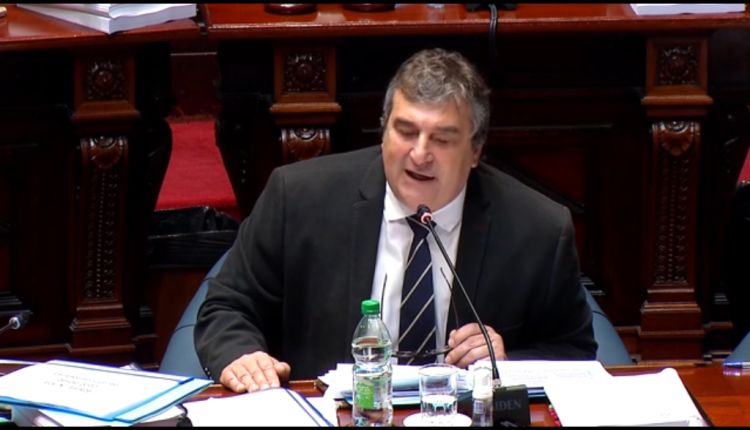
On Thursday, April 10, Federal Judge Indira Talwani said she will temporarily stop the revocation of the humanitarian parole decreed by President Donald Trump for hundreds of Cuban, Haitian, Nicaraguan and Venezuelan migrants.
“The secretary, when shortening the period of ‘Parole’ granted to these people, must have a reasoned decision,” said Talwani. He argued that the justification for the end of the program was based on an incorrect interpretation of the law by the Department of National Security (DHS).
During the audience, the magistrate repeatedly questioned the argument of the United States government to end the program on April 24. He referred to the argument of the administration by defending his power to end the Parole because he no longer fulfilled his purpose. The judge said that the migrants now faced the “fleeing of the country” option or staying and “risk losing everything.”
*Also read: USA Cancel Temporary Permits to Venezuelans: They have seven days to leave the country
Likewise, the judge explained that “what they are prioritizing are not people who illegally crossed the border, but those who followed the rules.”
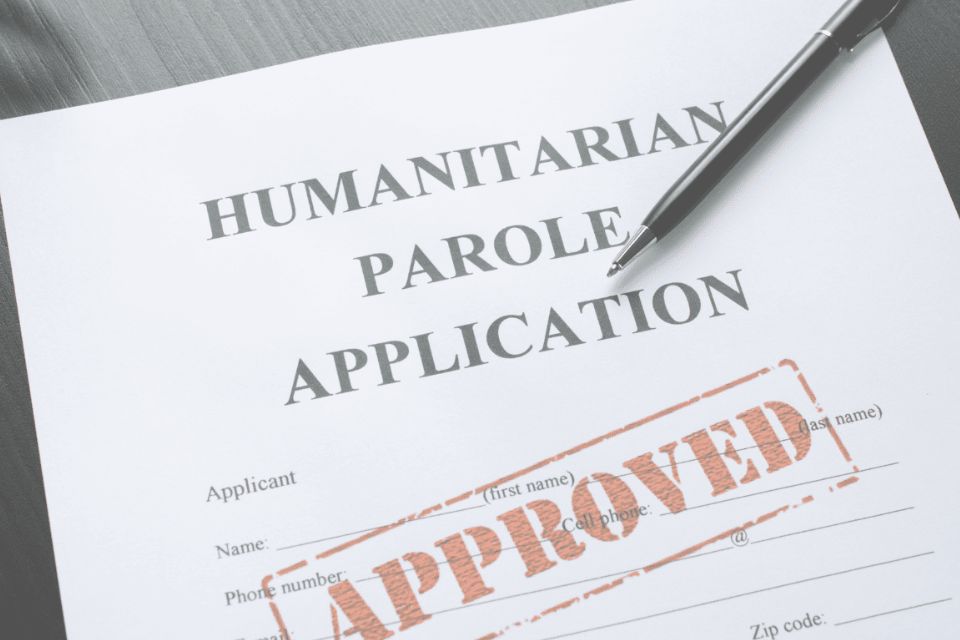
The measure of the Trump administration to revoke the humanitarian parole affected about 530,000 people. This program was established by the administration of Joe Biden in 2022 for Venezuelans and in 2023 included Cubans, Nicaraguans and Haitians in 2023: allowed beneficiary migrants to remain legally in the United States for two years, as long as they had a sponsor.
Humanitarian parole is a legal figure that “authorizes temporary permit to a person who is inadmissible or not eligible to enter the United States,” according to the United States immigration and citizenship service (USCIS).
Here “urgent humanitarian reasons or for a significant public benefit prevail.”
*Journalism in Venezuela is exercised in a hostile environment for the press with dozens of legal instruments arranged for the punishment of the word, especially the laws “against hatred”, “against fascism” and “against blockade.” This content was written taking into consideration the threats and limits that, consequently, have been imposed on the dissemination of information from within the country.
Post views: 764