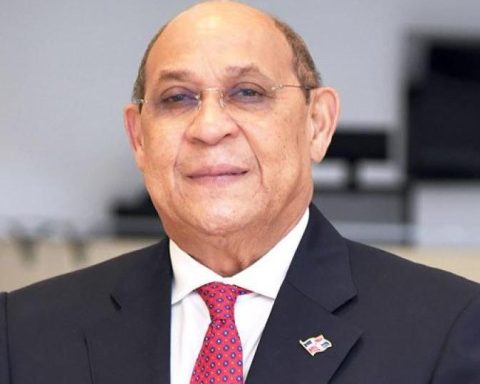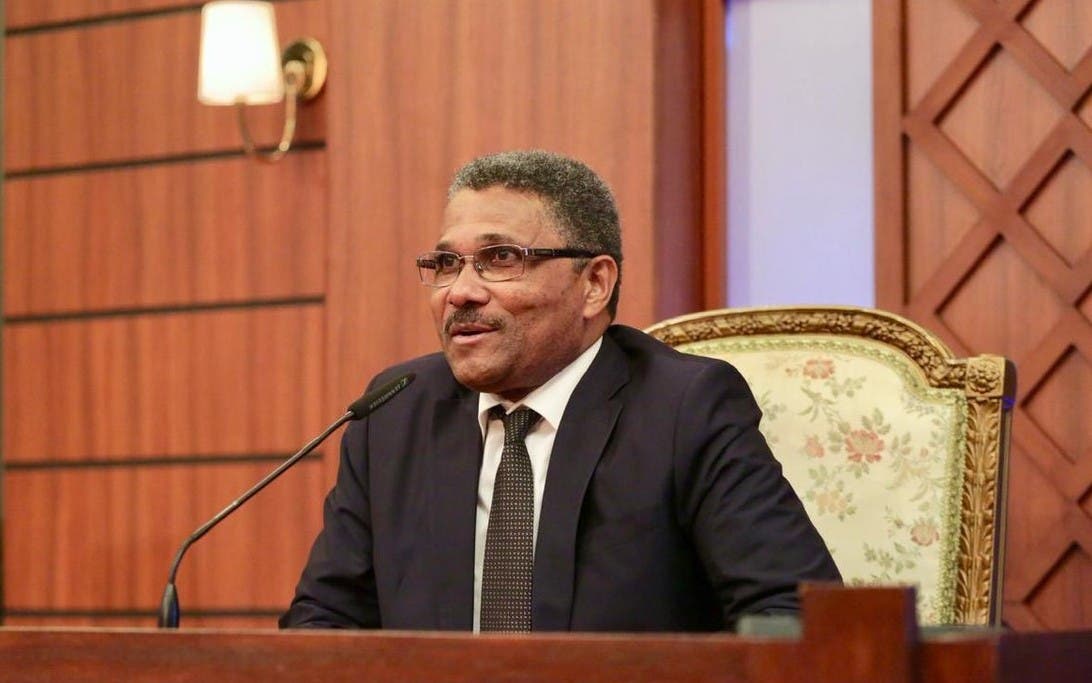
SANTO DOMINGO.- Judge Daniel Nolasco, of the Third Criminal Chamber of the Court of Appeal of the National District, stated that the four-year period established by the Criminal Procedure Code for complex cases has been distorted in the courts.
He considered that this model, to a certain extent, has been distorted because the representatives of the Public Ministry often implement files that are very overloaded with evidentiary evidence and approaches to criminal types that, on occasions, cannot be determined or proven in the trial phase.
“This consumes a lot of time in the preparatory phase, as well as in the intermediate phase, and when they reach the substantive trial there is already a long way to go. So, there the judge has to administer and protect all the guarantees of due process of law,” he explained.
The aspiring judge of the Supreme Court of Justice considered that since this period was not expired, the defense of the accused requests the termination for the maximum duration of the process that has been exhausted.
“This represents a serious problem for the system, because judges, as guarantors of due process, effective judicial protection and due process of law, must ensure that the reasonable period is met, since uncertainty cannot be maintained over the weakest subject of the criminal process, which is the accused,” he stated.
He considered that the actors of the criminal system must use rationality so that justice can fulfill the role of rendering a sentence within a reasonable time, especially when it comes to complex processes, with a timely, agile response and within the deadlines established by the norm.
Alternative conflict resolution
He considered that the lack of agreements and a culture of conflict resolution in the Dominican Republic is due to the fact that in the country lawyers are trained for litigation, because they believe that litigation earns higher fees.
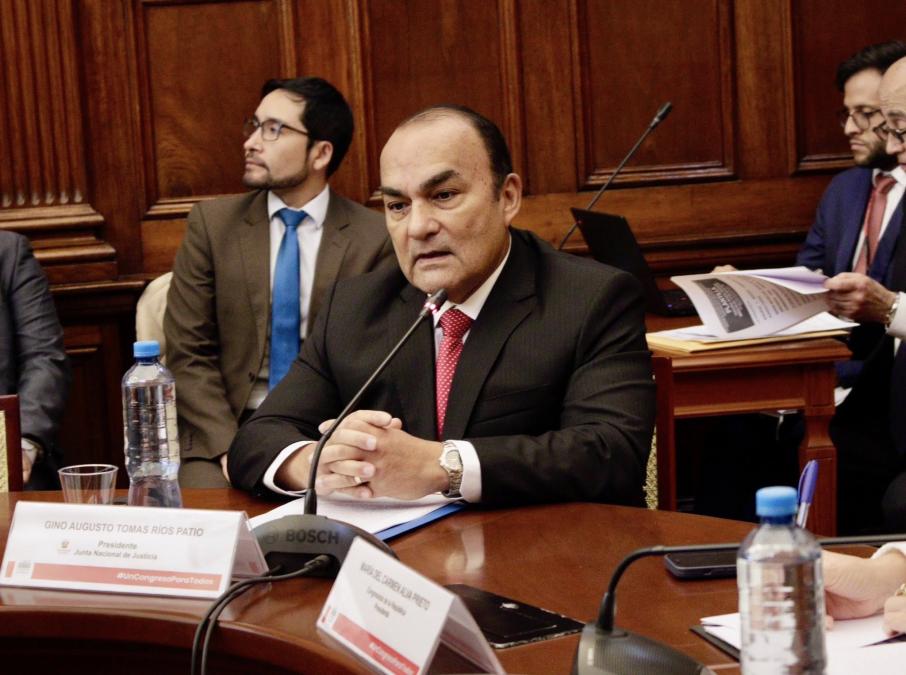
“That is why they overlook that, through alternative means of dispute resolution, these fees could be stipulated and would not necessarily have to affect the expectations that those who work in the legal profession may have, that they will be at a disadvantage,” argued the magistrate and university professor before the National Council of the Judiciary, which is evaluating him for a high court magistrate.
Judge Nolasco has gone through almost all instances and has currently been a judge of the Court of Appeal of the National District for 13 years.
He is a professor at the Autonomous University of Santo Domingo, where he has been working uninterruptedly for 25 years, teaching Family Law, Civil Liability, Law of Obligations, Civil Procedure, among other subjects.
Judge Daniel Nolasco is the author of five legal works, including Family Law Manualwhich is a benchmark in the country. He has master’s degrees and postgraduate degrees in different branches of law.