The specialist in electoral law, Juan Carlos Álamo Castroexplained that the peasant patrols fulfill a role recognized by the Constitution, but their function is to complement ordinary justice, not replace it. In this way, he indicated that article 149 grants them powers to resolve conflicts within their communities, as long as their actions remain within the legal framework and without affecting the integrity or dignity of people.
“Communal justice cannot become a space for punishment or humiliation; it must operate under the law,” he indicated.
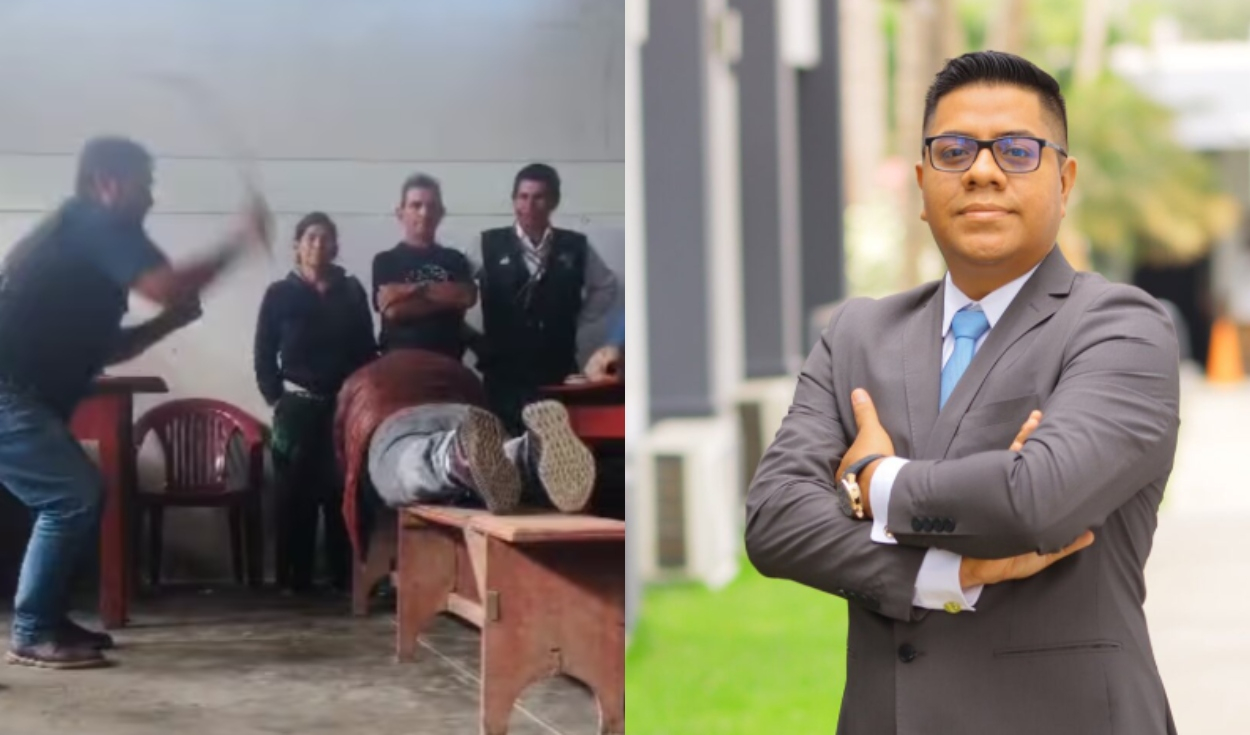
Regarding the case that occurred in Ayabacawhere Hualcuy patrolmen whipped Mayor Darwin Quinde, the jurist described the act as an abuse of authority contrary to the principles of law. He pointed out that no cultural argument or ancestral custom can justify violence.
YOU CAN SEE: JNE vacates two councilors of the Municipality of Piura for hiring relatives: “mayor washed his hands”
“Spanking and humiliation are not justice, they are attacks,” he stated, highlighting that these types of acts distort the true purpose of communal justice.
Álamo Castro also criticized the dissemination of the punishment on social networks and warned that publicly exposing a person aggravates the offense and threatens their honor. He recalled that the Constitutional Court has been emphatic in pointing out that the patrols can participate in the resolution of communal conflicts, but without violating fundamental rights or engaging in acts that threaten physical or moral integrity.
“A patrol that becomes politicized stops serving its community. Coordination with the judicial authorities, the Police and the municipalities is essential to avoid excesses,” he stressed.
“Communal justice should be a source of pride, not shame. No form of violence solves the problems of the people. The true path is law and dignity,” he added.