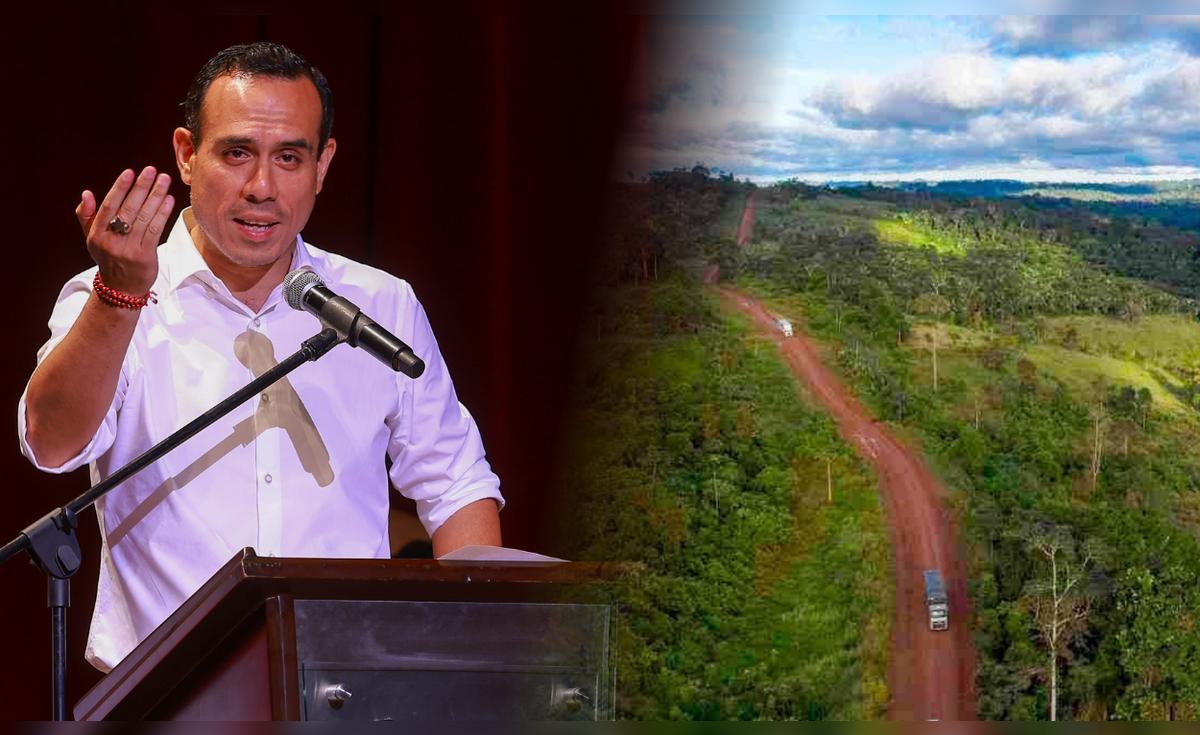
José Jerí promulgated the law presented by seven congressmen of the Fujimorism that declares of national interest the construction of a highway in an area with the presence of coca crops and operations linked to the drug trafficking. The rule was signed without further public comments, despite various warnings about the risks involved in opening a new road in a corridor dominated by illicit activities.
listen to the newsText converted to audio
Artificial intelligence
The approval generated concern in organizations specialized in conservation and security, which point out that a highway in that area would facilitate transit to areas where criminal networks operate. According to specialists, the absence of effective state presence and the history of similar routes raise the possibility that this project will be used to expand illegal economies.
WE RECOMMEND YOU
DELIA ESPINOZA FIGHTS BACK AND CRITICAL ELECTIONS | WITHOUT SCRIPT WITH ROSA MARÍA PALACIOS
The debate also involves Congresswhere the Fujimori bench promoted the norm under the argument of improving regional connectivity. However, various voices question that the project has been approved without complete technical studies or an evaluation of the impact on indigenous territories and areas of high ecological value. The lack of transparency in the legislative process increases doubts about the true interests behind the initiative.
Different environmental organizations warn that the opening of roads in the Amazon is usually associated with deforestation, informality and the expansion of coca-growing areas. In this context, the Executive’s decision to support this project, despite the warnings, places José Jerí at the center of criticism for endorsing a proposal that could benefit the Fujimorism and groups linked to drug trafficking.
What is the law promulgated by José Jerí about?
The standard signed by José Jerí declares of national interest the construction of a road that will cross an Amazonian area with a history of coca crops and the presence of narcopists. The project was presented by seven legislators of the Fujimorismwho argued that the highway will allow the integration of rural communities and improve local commerce. However, specialists maintain that the text lacks technical details about the layout and the environmental standards that it should meet.
He Congress The proposal was processed in committee and approved in plenary without an in-depth debate on its impact on security and conservation. The absence of a prior environmental impact study is one of the points most questioned by civil organizations, which warn that this type of omissions facilitates the expansion of activities associated with the drug trafficking. The norm also does not require clear control mechanisms to prevent the road from being used by illegal economies.
According to analysts consulted by this means, the law is part of a legislative trend that prioritizes the construction of roads in highly fragile areas without comprehensive planning. These initiatives usually open the door to invasions, accelerated deforestation and the expansion of routes used by criminal networks. Therefore, the promulgation by José Jerí has been interpreted as a political signal that favors the interests of the Fujimorism in regions where there are already alerts for illicit trafficking.