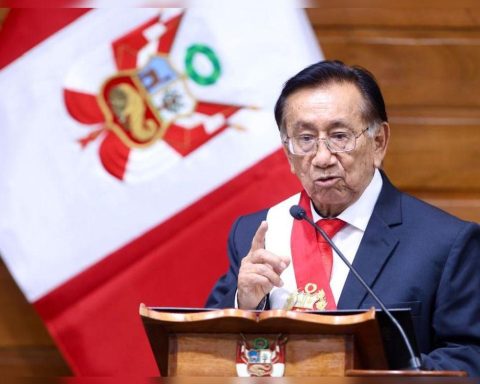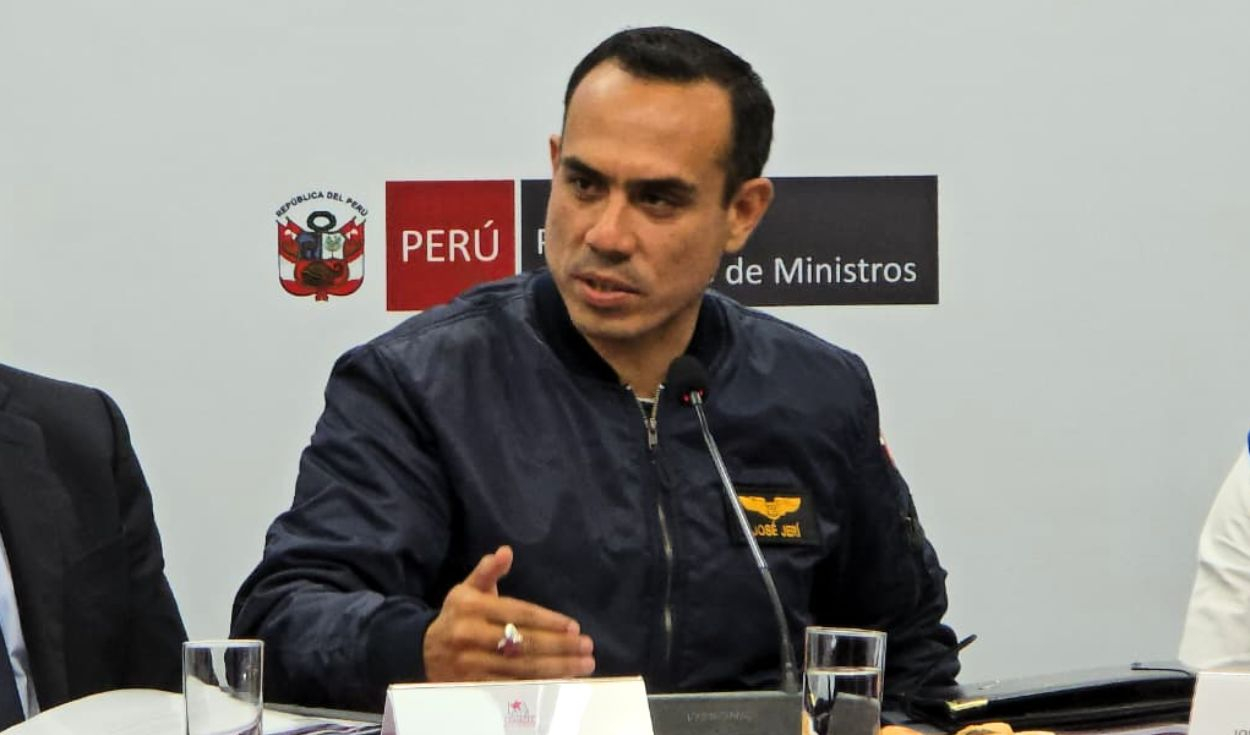
José Jerí He acknowledged that, “due to time issues,” he will not be able to win the fight against citizen insecurity. He clarified that although the necessary results will not be obtained during his government, the foundations will be laid for the next one. “Whoever comes will have the field prepared. That is our commitment,” he said at a press conference during the VI ordinary session of the National Citizen Security Council (Conasec) 2025.
Likewise, he assured that efforts will be “tripled” at a general level and, above all, during the last weeks of December to guarantee that citizens have a peaceful Christmas and New Year’s holiday.
YOU CAN SEE: Numbers two and three of the Police High Command are dismissed
“The results are not yet what we are looking for. A Government has to be aware of its limitations. We are on track, but we still need to achieve the results that the country is looking for. We are not in four walls thinking that everything is wonderful,” he added.
He reported that at the beginning of 2026 a new national plan and the first regulations will be presented based on the delegated powers.
José Jerí’s proposals will be finalized in January
Congress granted the Government of José Jerí legislative powers for 60 days to be able to promote measures regarding citizen security and the fight against crime. Within this framework, the Executive may create the crime of revealing confidential information linked to criminal investigations and police actions. The order also incorporates measures similar to initiatives promoted by previous governments.
The Executive’s proposal seeks to modify the Penal Code, the Criminal Procedure Code and regulations linked to security, justice and public administration. This includes the criminalization of the disclosure of information related to tax or police investigations, a resource that can impact journalistic coverage of cases of corruption or organized crime.
YOU CAN SEE: Congress rejects life pension to Dina Boluarte: benefit only applies to elected presidents
Reforms are included aimed at increasing penalties, creating new crimes and reorganizing state functions. However, several of these measures were already implemented by previous administrations without sustainable results. The repetition of these policies shows that the Legislature has been used in various periods to approve short-range changes that do not solve the underlying problems.
The request forJosé JeríIt also integrates economic, tax and administrative proposals that range from public investments to environmental and immigration procedures. The size and scope of the request show a broad use of the delegation mechanism, which would allow the Executive to issue decrees with the force of law in multiple sectors in a short time.