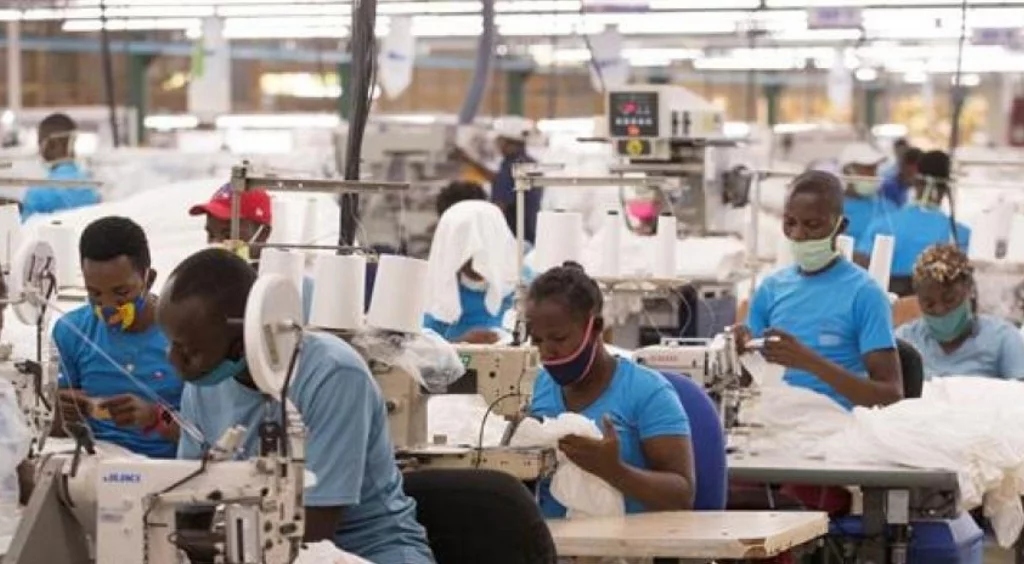
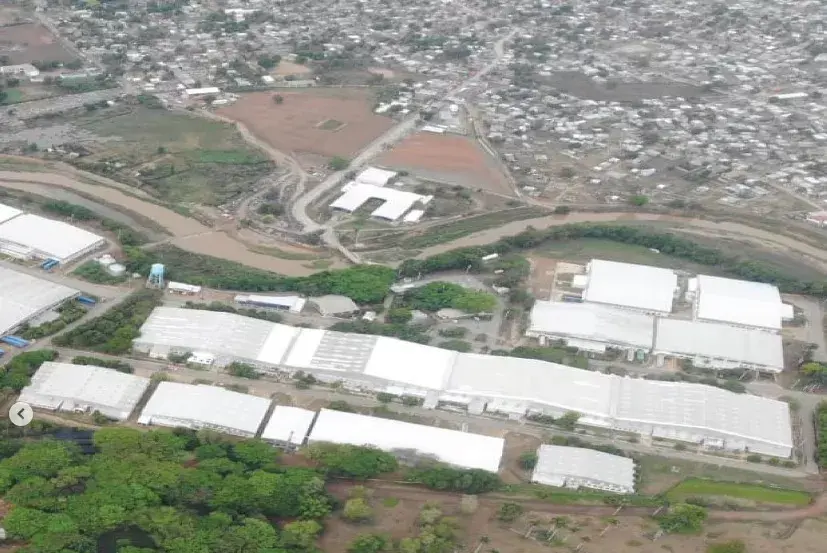
Santo Domingo.– The Codevi Industrial Park currently has 17,000 collaborators most of which reside in the Juana Méndez community in Haiti and whose work places are in danger after the expiration of Hope/Help programs.
However, textile companies operating in Haiti maintain the expectation that, once the operations of the Federal Government of the United States are restored, conversations are resumed to approve the renewal of and that the benefits can be applied retroactively.
Hope/Help programs, in force for 20 years, have allowed subsidized entry into US territory of Textile products made in Haiticonsolidating as the main source of export of that country.
But, on September 30, the last fifteen -year period approved by the US Congress beat.
The closure of the federal government has prevented the issue from being placed on the agenda, being momentarily lagging behind other budgetary priorities.
Impact on the border region
In the Dominican Republic, Group M keeps active the operations of the Codevi Industrial Park, which operates in Juana Méndez and Dajabón, where about 17,000 Haitian nationals are used.
This complex not only offers employment, but also community services such as food sales, liquefied oil gas, child care and health care, which has prevented many workers from crossing the border to the Dominican side except for purchase activities.
The member of the Council of Directors of Group M and Delegate in Washington, Virgilio Mota, explained that the expiration of the program places uncertainty to the clothing industry, which depends on these facilities to compete in front of Asian countries.
“Before yesterday, the 15 -year period of Hope/Help programs that offer subsidies to textile products made in Haiti. This framework is the one that allows the industry to compete with Asia under more balanced conditions, because otherwise the operating costs in countries such as China are impossible to match,” he said.
The importance for Haiti
Mota recalled that Haiti does not have another significant export line apart from the clothing.
“90% of its exports go to the United States. Today we have 26,000 jobs under this legislation, although around 40,000 have been lost after the pandemic. Only in Codevi there are 17,000 workers that depend on this activity. Haiti has nothing other than the textile industry “he pointed out.
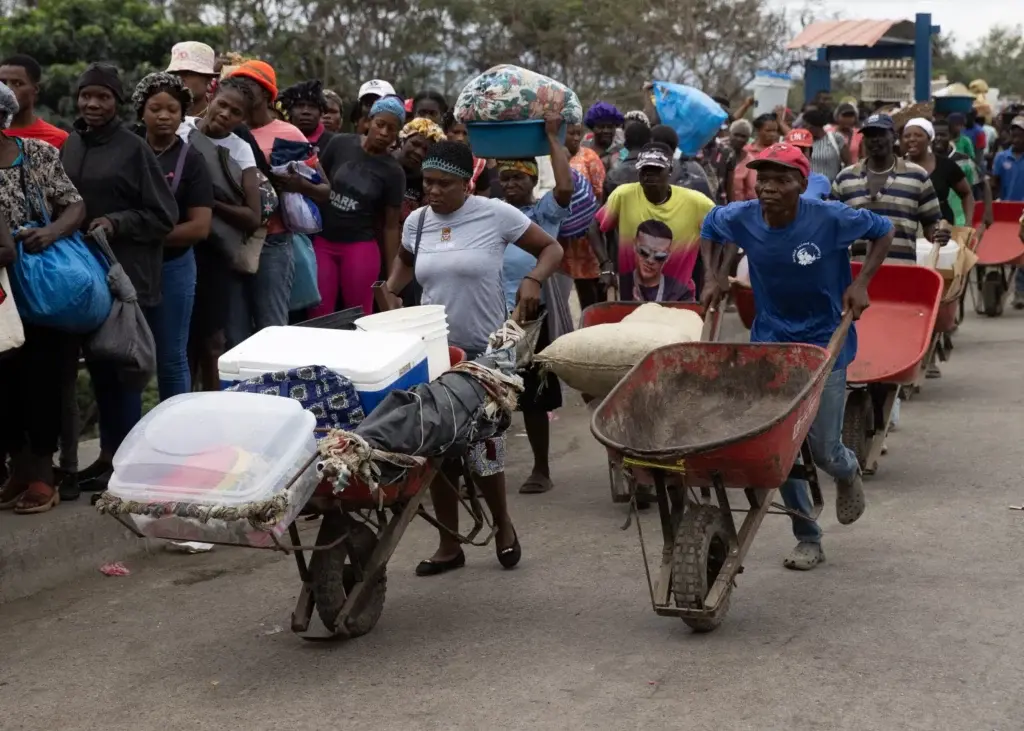
In addition to the Codevi Park, they operate under the frame/Help facilities such as the Caracol Park, close to Cabo Haitiano, Korean companies and international brands such as GAP in Port -au -Prince, reinforcing the weight of this sector as a backbone of the Haitian economy.
Repercussions in the Dominican Republic
The manager also stressed that Dominican textile companies are affected, since they produce fabrics that are exported to Haiti for preparation and then sent to the United States.
“Logistics is mainly managed through the Florida ports, so there is also an important component of productive integration between the two countries,” he said.
Perspectives in the US Congress
Regarding the position of legislators in Washington, Mota said there is consensus on the importance of keeping programs in force.
“There is not a single congressman who does not agree with the benefit he generates. The problem is conjunctural: we have been caught in the closure of the federal government. Today the line of the Republicans is to first approve a budget with purely financial issues. Affairs such as ours have no place at this time, but it does not mean that there is no interest,” Mota said when interviewed in this or has a name.
The delegate in Washington said that on previous occasions the renewal of the programs has been done retroactively, which ensures continuity for industry customers.
“In previous conversations, the importance of monitoring it had already been discussed with both cameras of Congress, and we trust that once the government’s operations will be normal, the issue will be resumed. That guarantees that our clients will not have to emigrate,” he said.
A resistance industry
Mota reiterated that the textile industry is practically the only productive alternative that Haiti has to support employment and exports.
“If the programs are renewed, as we hope, it will be a relief not only for factories, but also for tens of thousands of families that depend directly on this sector on the border and in all Haiti,” he said.