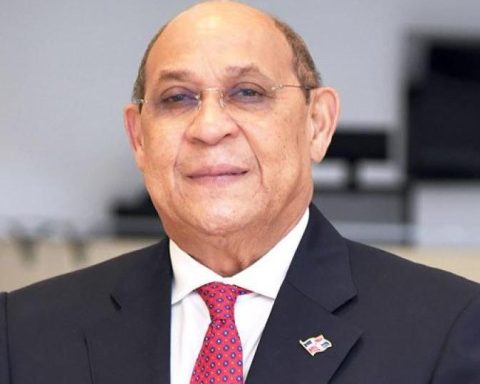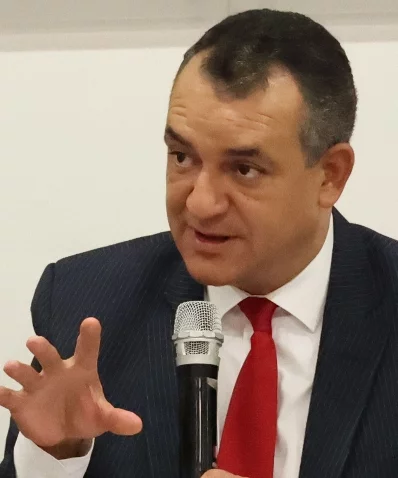
The president of the Central Electoral Board (JCE), Román Andrés Jáquez Liranzosaid that electoral observation must be “careful, deepened and professionalized”To continue being an effective tool in the defense of democracy.
The statement was offered during his participation in the International Conversation “Electoral processes: the experience of the countries of the community of independent states (CEI) and Latin America”where he presented the conference entitled “Important aspects of electoral observation.”
Jáquez Liranzo, who intervened on behalf of the Inter -American Union of Electoral Organizations (UNIORE)addressed issues such as the historical development of electoral observation, its current characteristics, contemporary challenges such as the “false observation” and its importance as a mediation mechanism in political crisis contexts.
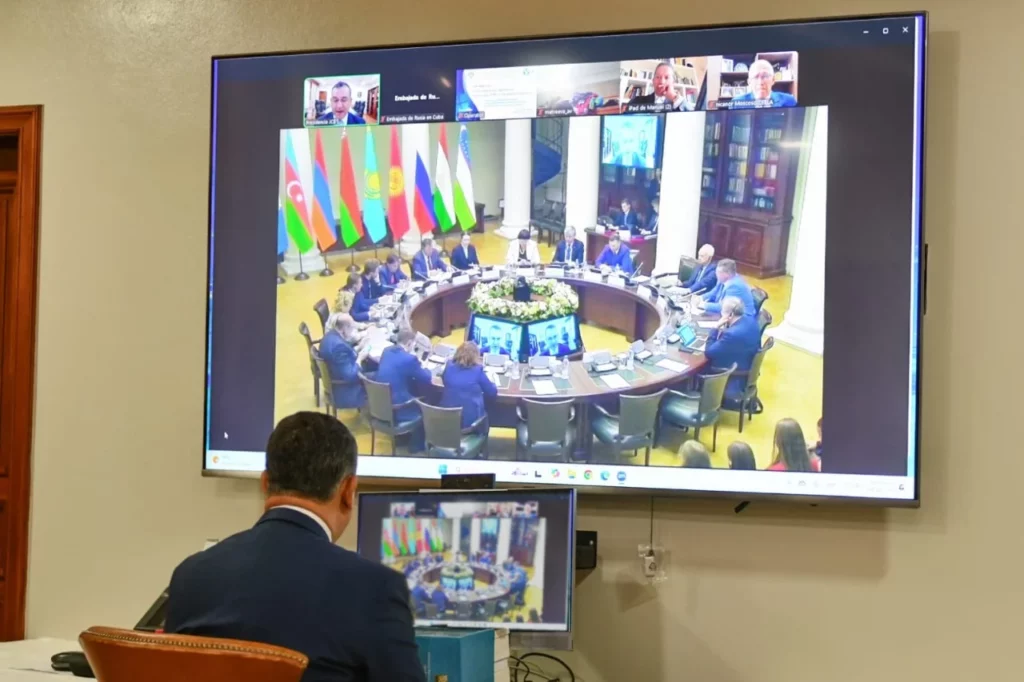
He stressed that electoral observation has evolved from simple stories to technical diagnoses that guide institutional reforms.
In that sense, he stressed that in Latin American countries, including Dominican Republicmany of the recommendations arising from observation missions have been incorporated into both legislative and administrative practices, which makes them an indirect source of electoral law.
He also recalled that the first history of electoral observation date back to Moldavia in 1857when European powers supervised an electoral process as part of an international treaty.
The event, developed virtually, brought together representatives of electoral, academic and expert organizations in Latin America and postsoviet space.
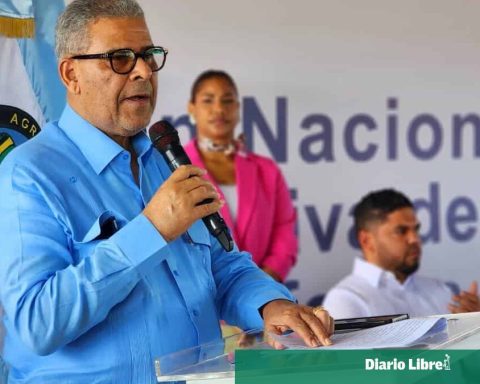
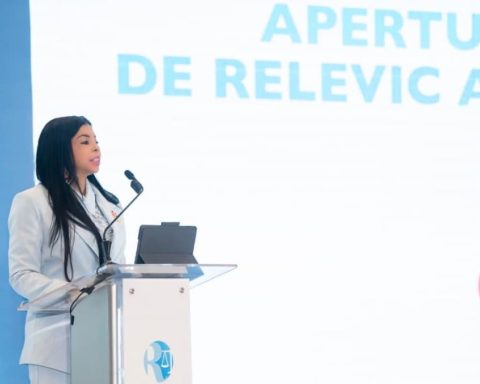
Among the participants were Alfredo Juncá WendehakePresident of UNIORE AND MAGISTRATE OF THE ELECTORAL COURT OF PANAMA; Alina Balseiro GutiérrezPresident of the National Electoral Council of Cuba; and representatives of the electoral bodies of Kyrguistan, Uzbekistan, Argentina, Russiaamong other countries.
At the end of his speech, the president of the JCE thanked the invitation and reiterated that electoral observation has become an inseparable component of modern democracy, especially in Latin America, where he actively contributes to institutional strengthening and transparency in electoral processes.