Two Asian nations, Japan and Vietnamthey will send new donations to Cuba to contribute to the recovery after the scourge of Hurricane Melissa and the generation of electricity, respectively.
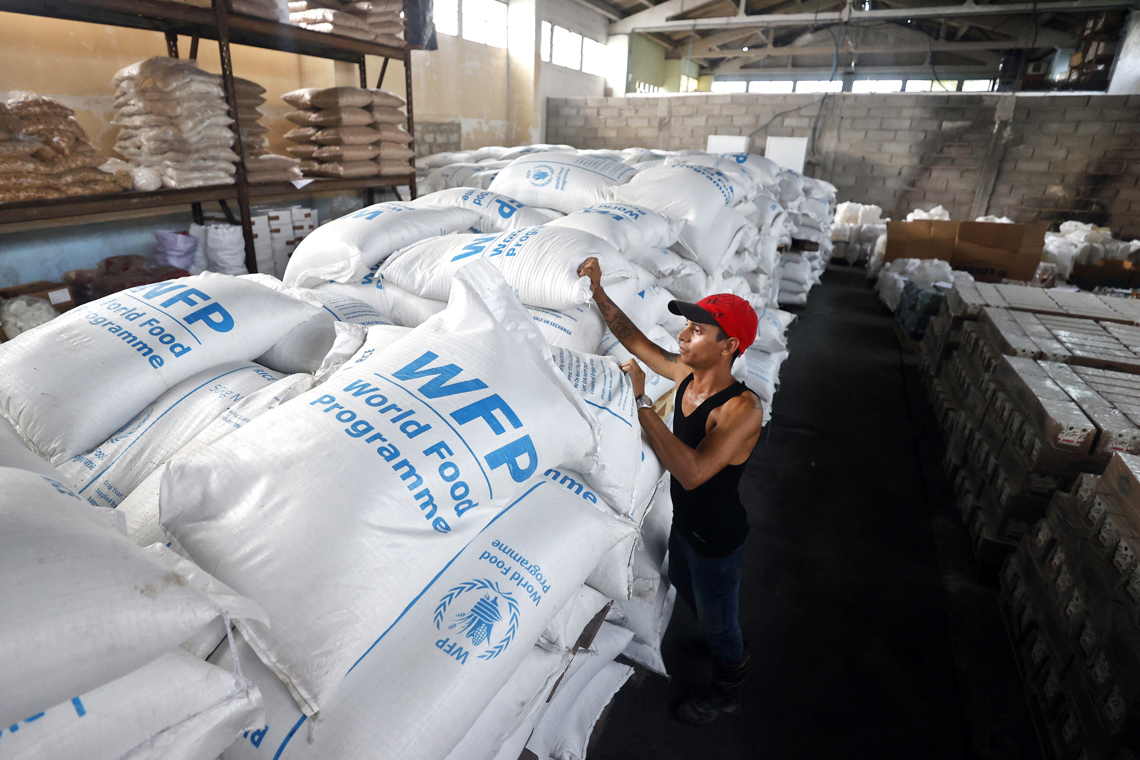
In the case of Japan, the donation consists of a shipment of food for an amount of one million dollars to support those affected by the meteorological phenomenon.
The aid will be provided through the UN World Food Program (WFP), as reported by the embassy of that nation in Havanawhich did not specify the type of food that will be sent to the island.
In a statement published this Wednesday, the Japanese legation reported that “taking into account the humanitarian perspective and the close ties between Japan and Cuba, the Government of Japan offers this emergency aid in support of the Cuban people affected by this natural disaster.”
This is Tokyo’s second aid package for Cuba, the agency recalls EFE.
In early November, a few days after the hurricane, the island received a Japanese donation consisting of water purifiers, blankets, tents and mats and other goods.
On that occasion, Japanese ambassador Nakamura Kazuhito pointed out that “the donation consists of goods for emergency assistance,” according to what the Cuban press reported at the time.
Solar parks from Vietnam
For its part, this week it also emerged that the Government of Vietnam donated four new photovoltaic solar parks to Cuba to contribute to electricity generation and promote the use of renewable energies on the island.
These parks – which join those already being installed throughout the country with the help of China – will be located in different parts of the province of Mayabeque.
The electric company of this territory explained that these sites will be named Vista Alegre, El Jobo, El Fénix and El Comino, and each one will have a capacity of 20 megawatts (MW).
In total, the new parks will contribute 80 MW to the National Electric System. Of them, 10 MW will be cumulative, “thanks to storage systems that will allow energy to be conserved to cover demand peaks or make up for moments of lower production,” said the Mayan company.
According to the entity, the areas where these facilities will be located are currently “in the process of clearing, as part of the initial preparation of the land prior to the assembly of the structures and photovoltaic panels.”
According to Cubadebatethe authorities of the electrical sector in Mayabeque “highlighted that this project represents a significant step in the expansion of renewable sources and will contribute to improving the stability of the electrical service” in the province and in the country.
This donation is announced at a time when the island is going through a prolonged energy crisis, marked by constant breakdowns in thermoelectric plants and a lack of fuel. In this context, the majority of the Cuban population suffers from long blackouts—exceeding 20 hours a day in many locations—which has led to citizen complaints and protests.