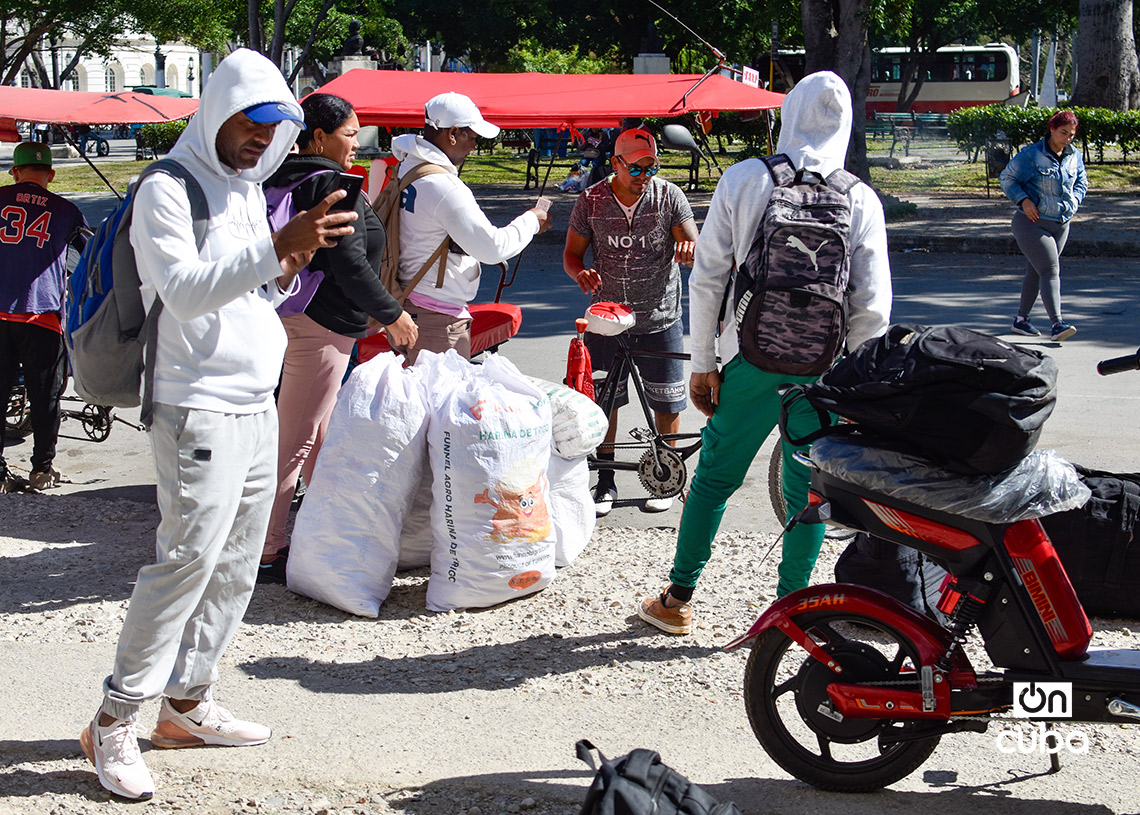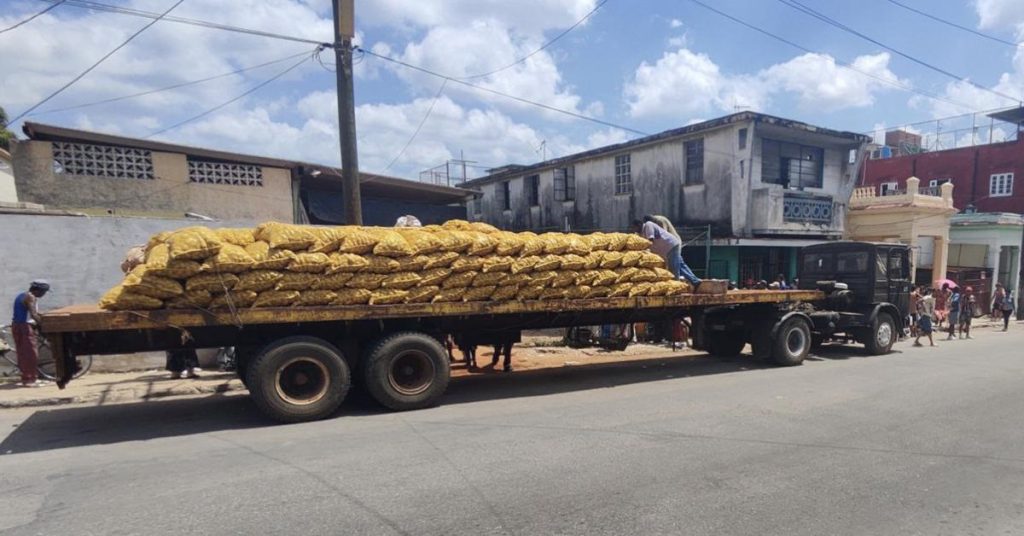
Transportation is one of the sectors most affected by the measures that the Cuban government has had to take to address the lack of fuel caused by new pressures and, in particular, the oil blockade that the United States government has imposed on the island.
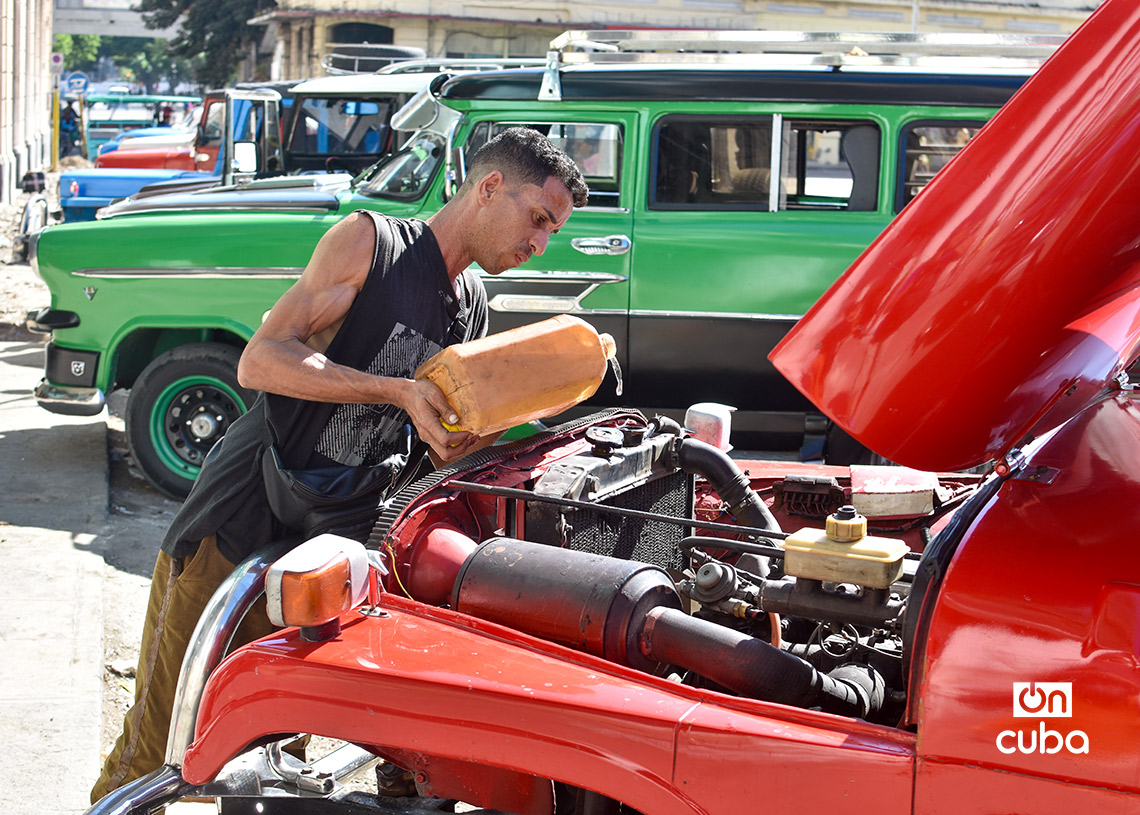
State transportation services are practically inoperative, while private transportation services have decreased considerably due to cuts in fuel sales.
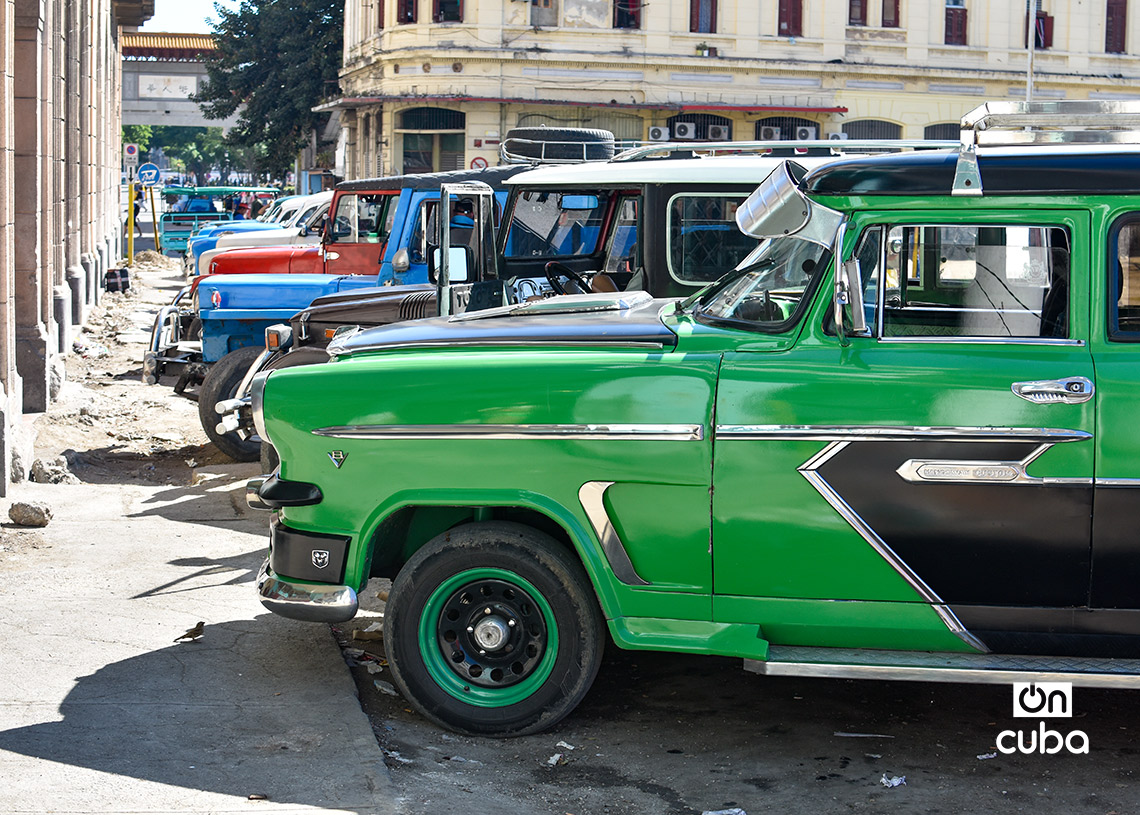
“The situation is very critical, we do not have fuel to work with, the tank that supplies us is not coming in either, they are not going to sell any more in US dollars and there are practically no cars. I have enough to work with today, but tomorrow I don’t have any, and that’s how we all are,” he tells OnCuba one of the taxi drivers who was waiting for clients in El Curita park, in Central Havana, in one of the busiest areas of the city, and which today shows a notable decrease in its traffic.
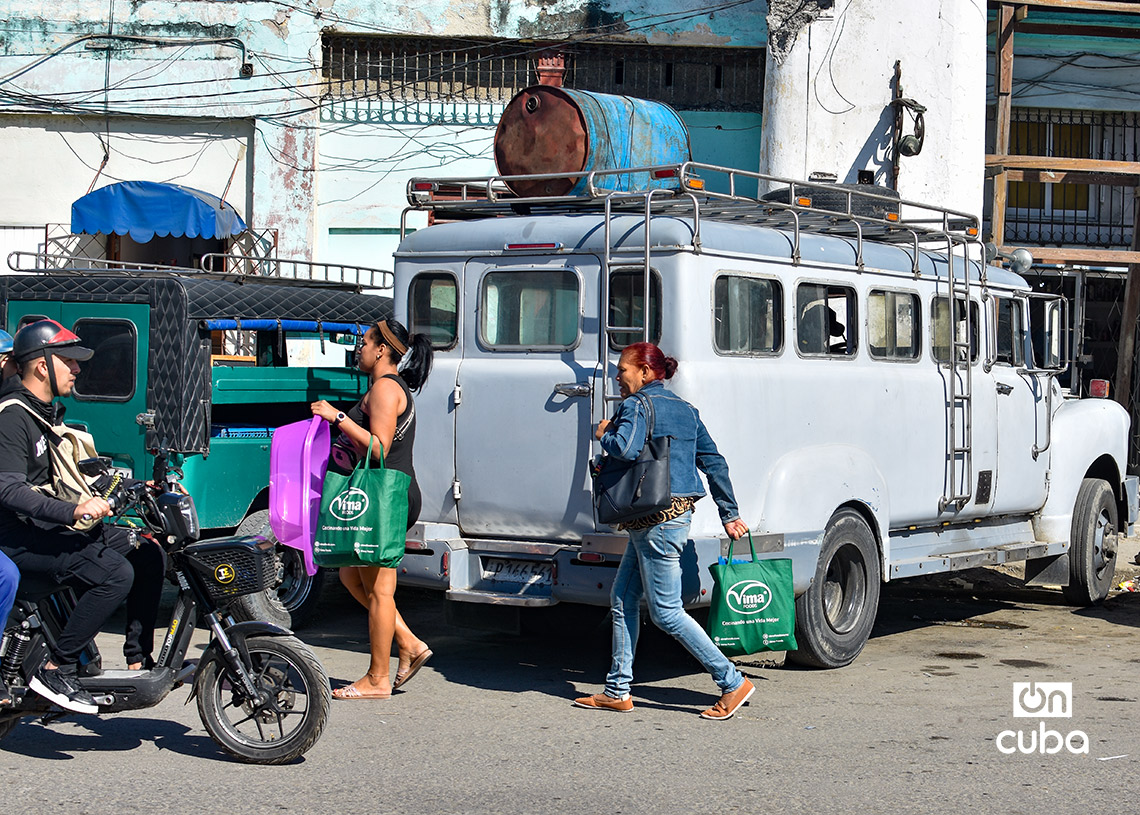
A woman waiting to take a private bus traveling from Havana to Cárdenas assures that the price of the ticket has risen twice as much as usual, while a navenque, the name by which those who organize the lines of cars and passengers in the piqueras are known in Cuba, assures that the cost of usual routes such as from Centro Habana to Cerro or Marianao today ranges between 300 and 400 pesos.
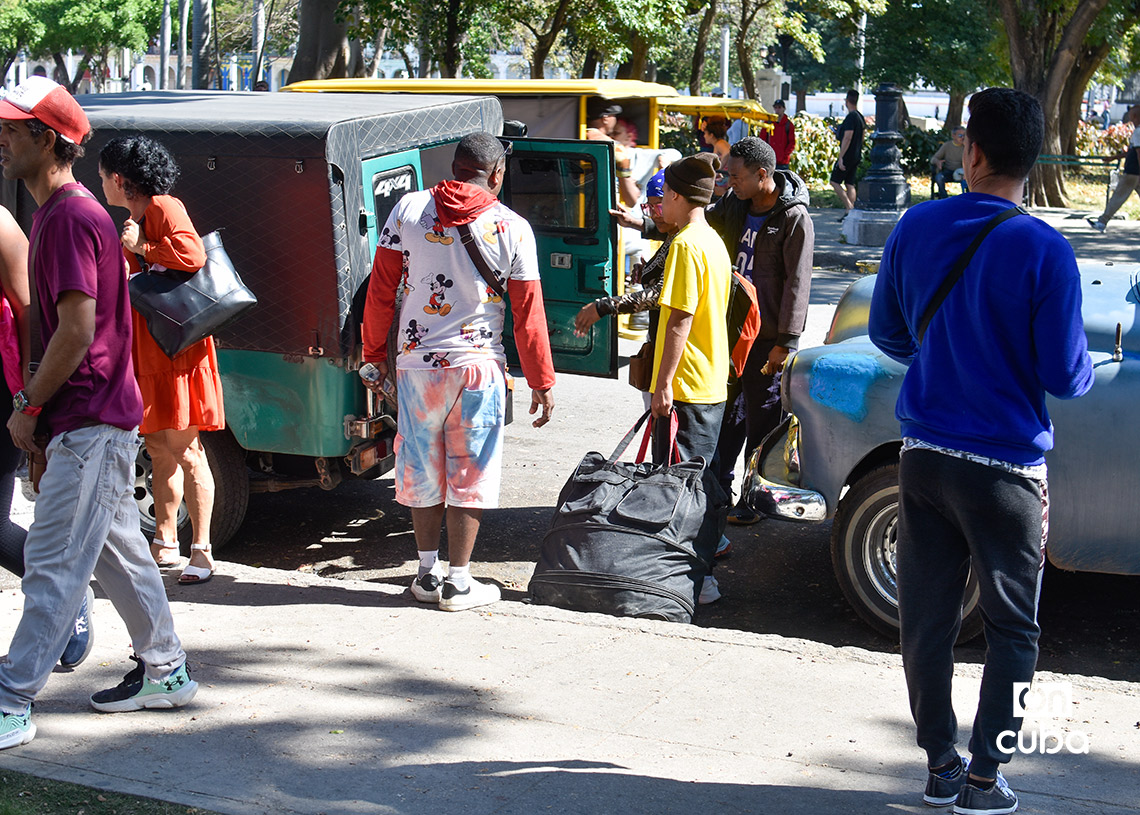
Given the low availability of transportation in a population that mostly depends on collective mobility options, the rise in prices is added as another problem in the already complex situation.
Vehicles such as electric tricycles appear as alternatives, but the service they can provide is far from being a solution to the high demand in the country, especially Havana.
An electric tricycle driver says that he notices a decrease in cars in traffic, but that the number of people requesting transportation remains the same. It also ensures that this type of service maintains its usual price and “with considerations for people with vulnerability.”
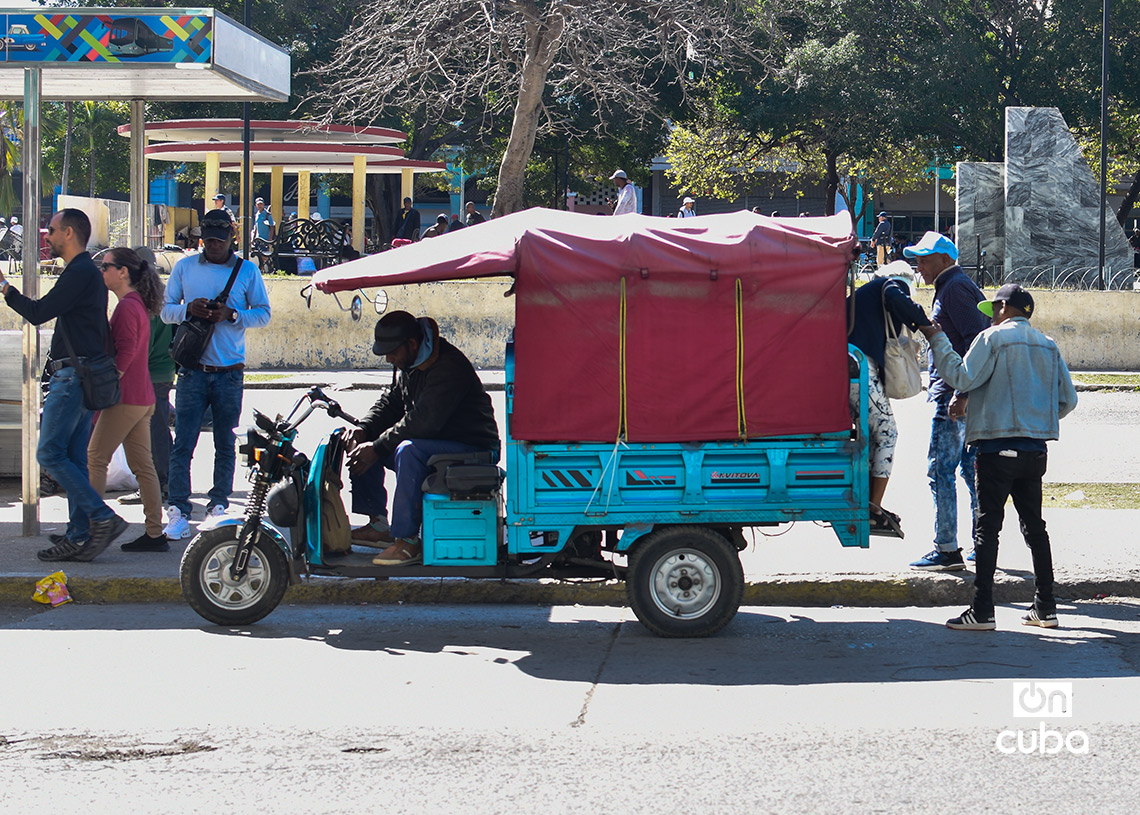
“We have to consider, because we have to help each other, we are not here to abuse or take advantage of the situation,” he tells us.
The effects on transportation are a diagonal with effects on almost all aspects of life. In fact, many of the measures that are applied in response to the crisis in other areas such as working hours and education respond to the difficulties of movement of the population, which tries to continue its life as normally as possible, but remains expectant of what may be to come in the coming weeks.