The recent leak of photographs and videos of the cells where former presidents are held continues to generate strong reactions in the political and legal spheres.
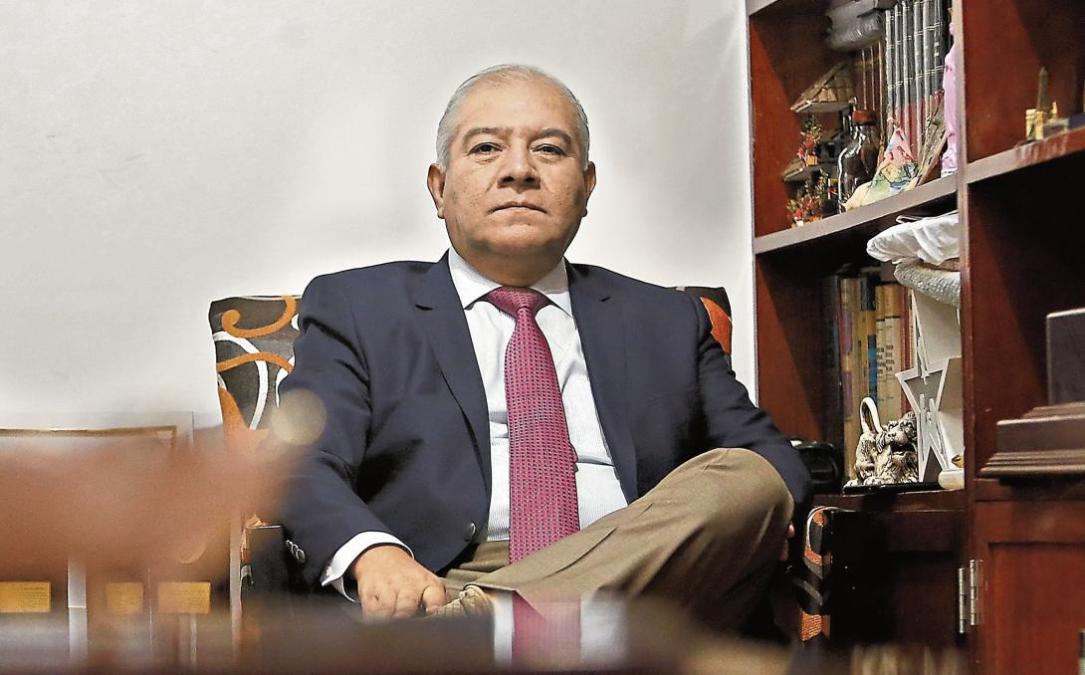
This time, Wilfredo Pedraza, lawyer of former President Ollanta Humala, spoke in Peru21 TV and harshly questioned the procedure used, as well as the dissemination of said material, which he described as unnecessary and with clear political overtones.
According to Pedraza, although prison searches are part of the regular protocols in all establishments in the country, what happened in this case exceeds the margins of what is legal and usual. “The leak of a search process that can be regular in all prisons without any exception was not necessary nor is it legal,” he stated.
The lawyer detailed a sequence of events that, in his opinion, rule out any coincidence. According to his version, the search would have been carried out on Saturday night, followed by another intervention on Sunday, and then a return that same day with the specific purpose of taking photographs and videos.
“Evidently it is not a coincidence nor its leak,” said Pedraza, pointing out that the reiteration of the proceedings and the subsequent dissemination of the images reinforce the hypothesis of a premeditated action.
“A political distraction”
During the interview, Pedraza was emphatic in stating that there would be a political motivation behind the leak. In that sense, he considered that the release of the images responds to a strategy to divert attention from other questions facing the current government.
“He is very clear about an obvious political distraction factor that wants to get away from the issues that President José Jerí has,” he said, suggesting that the media exposure of the case seeks to install an alternative agenda in public opinion.
Asked if it was a “smokescreen,” Ollanta Humala’s lawyer pointed out that institutional experience reinforces his suspicions. Pedraza assured that he does not remember any similar history of leaks coming from the National Penitentiary Institute (INPE).
“It is very clear to me, because I do not remember leaks of that nature at the INPE,” he indicated, differentiating this situation from what happens in the National Police, where – as he said – the leak of information is a more recurrent event.
“At INPE there is no such culture,” he added, reinforcing the idea that what happened is atypical and requires a formal explanation.
Letter sent to INPE
Given this scenario, Wilfredo Pedraza reported that a letter has been sent to the president of INPE, with the aim of providing a detailed explanation of what happened.
“We have been asked to explain the situation to us and to inform us about who participated in the process,” said the lawyer, stressing that it is essential to know how, why and under what responsibility the images were taken and disseminated.
Peru needs us informed to make decisions. Subscribe for free to the Perú21 newsletter: THE TOP 5 NEWS YOU SHOULD KNOW TODAY. Click on the next link.