The Government Iranian He stated that the internal situation is under control and announced the upcoming restoration of the internet service, interrupted for more than four days amid fiery protests that began due to the economic deterioration and spread to several cities in the country.
Iran’s Foreign Minister, Abbas Araqchi, declared today that security forces have managed to contain the unrest and that the internet connection will be restored “soon”, in coordination with security authorities. The announcement was made during a meeting in Tehran with heads of diplomatic missions accredited in the country, according to Al Mayadeen.
Since December
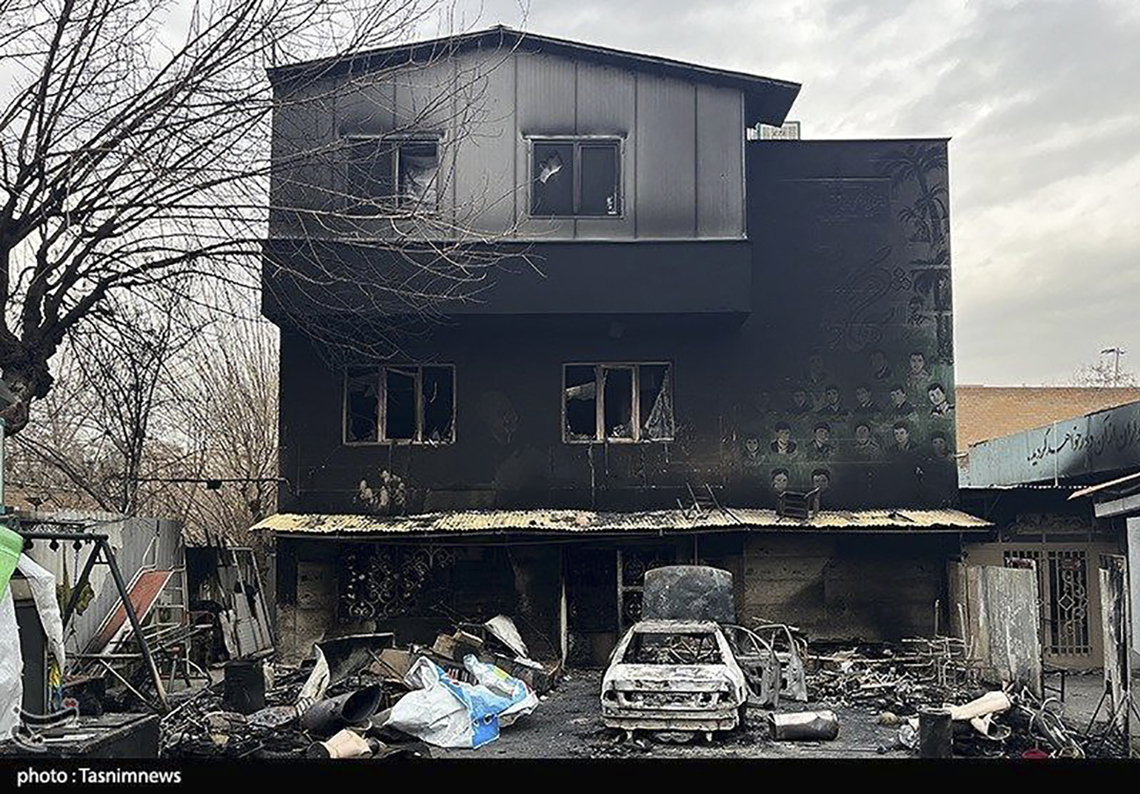
Protests broke out on December 28 in the capital’s Grand Bazaar, fueled by inflation and the depreciation of the rial, and subsequently spread to other regions. The response has been a repression that some media outlets call ferocious.
US President Donald Trump has repeatedly threatened to intervene in Iran, warning he has “very strong options” as the US military studies the situation while his administration is in contact with Iranian opposition leaders.
Follow our LIVE coverage: https://t.co/2O0PuuEObh pic.twitter.com/9VYl7OxMDf
— Al Jazeera English (@AJEnglish) January 12, 2026
For more than 96 hours, large areas of the country remain without internet access or telephone coverage. Quoted by EFE, The US-based Human Rights Activists News Agency (HRANA) claims that at least 538 people have died during the crackdown on the uprising.
Araqchi maintained that what happened “are not simple protests, but a terrorist war and a prolongation of US and Israeli aggression,” and affirmed that armed groups infiltrated the demonstrations.
The minister assured that the Government has images of the alleged distribution of weapons among protesters and that it will publish confessions, documents and evidence that, he said, would demonstrate foreign interference.
The chancellor added that, according to official data, 70% of the population attributes the protests to external factors and 30% to economic causes.
In parallel, US media reported that President Donald Trump has evaluated different military options against Iran, although without a final decision. However, on Sunday he stated that Iranian leaders have contacted Washington with the intention of “negotiating.”
Protesters take over Tehran’s Grand Bazaar amid internet outage and economic crisis
Araqchi stressed that Iran does not seek war or plan preventive attacks, but warned that it will respond “firmly” to any threat, and reiterated that the country is willing to both dialogue and confrontation if its sovereignty is compromised.
US President Donald Trump was considering new military action against Iran and had held talks about it in the face of growing protests, US officials have told various media outlets.
Iranian government “listens” to protesters
Last Thursday, protesters occupied Tehran’s historic Grand Bazaar, the capital’s commercial epicenter, while the government ordered a widespread Internet shutdown in an attempt to stop the spread of the protest.
Protesters take over Tehran’s Grand Bazaar amid internet outage and economic crisis
The mobilization, initiated by merchants hit by inflation and the collapse of the rial, became the most visible symbol of the economic crisis that has unleashed the largest wave of social unrest in years.
By that date, Mahmood Amiry-Moghaddam, director of the IHR, denounced that the repression was spreading and “becoming more violent every day.” In addition, “hundreds” of people had been injured and more than 2,000 arrested, with Wednesday being the deadliest day, with 13 protesters dead.
The President of Iran, Masud Pezeshkian, assured yesterday that the Iranian Government “listens” to the protesters and has done “everything possible” to resolve the economic problems that triggered the protests, while differentiating these protesters from the “troublemakers and terrorists” who are staging “riots.”