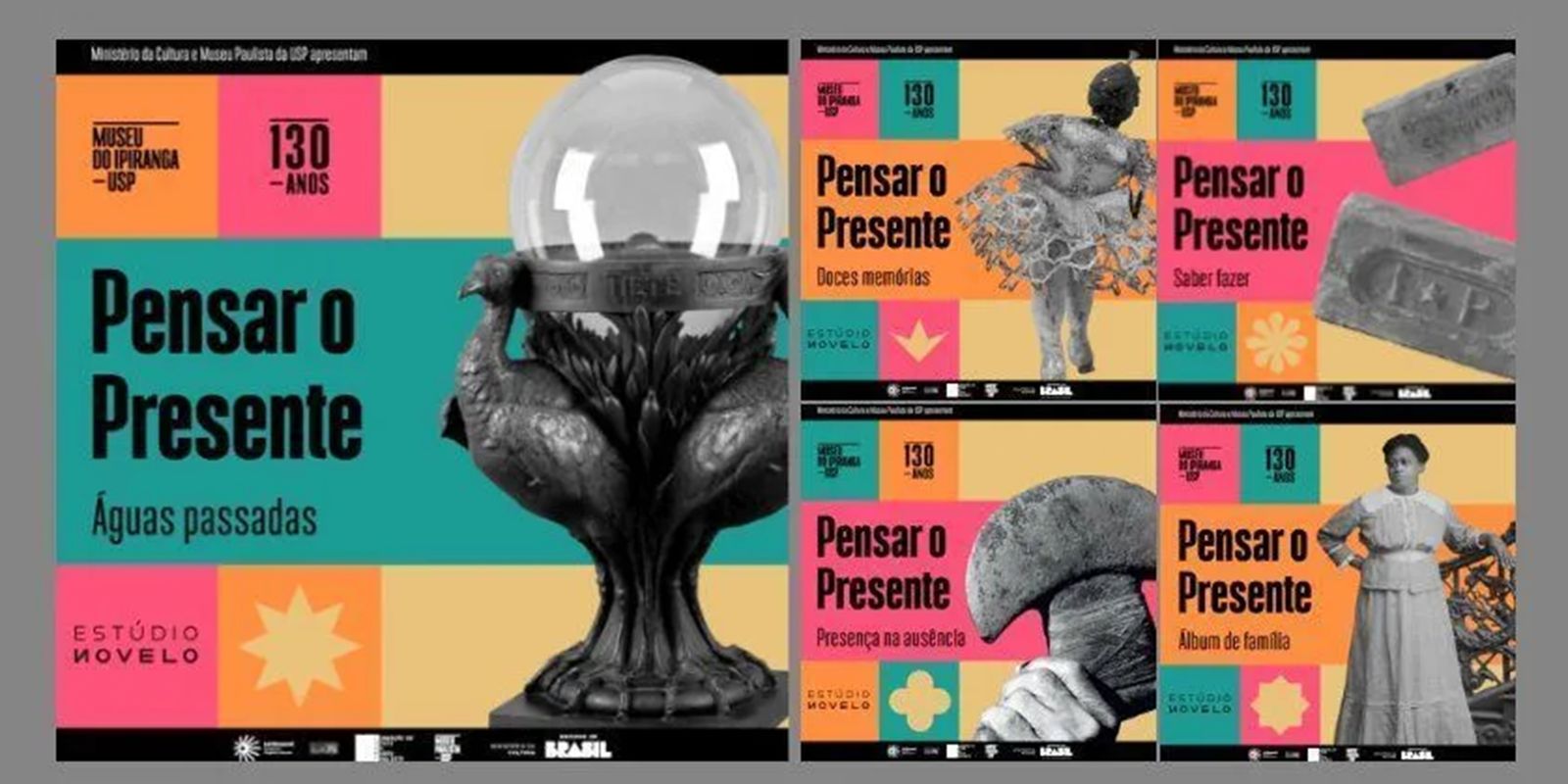
The Ipiranga Museum, in São Paulo, launched, this week, the first episode of the podcast Thinking about the present – stories from a museum in transformationas part of the celebrations of the 130th anniversary of the opening of the institution. Produced by Estúdio Novelo, the project reflects, with a critical eye, the narratives of the museum throughout its existence. There are five episodes that will be released weekly, on Wednesdays.
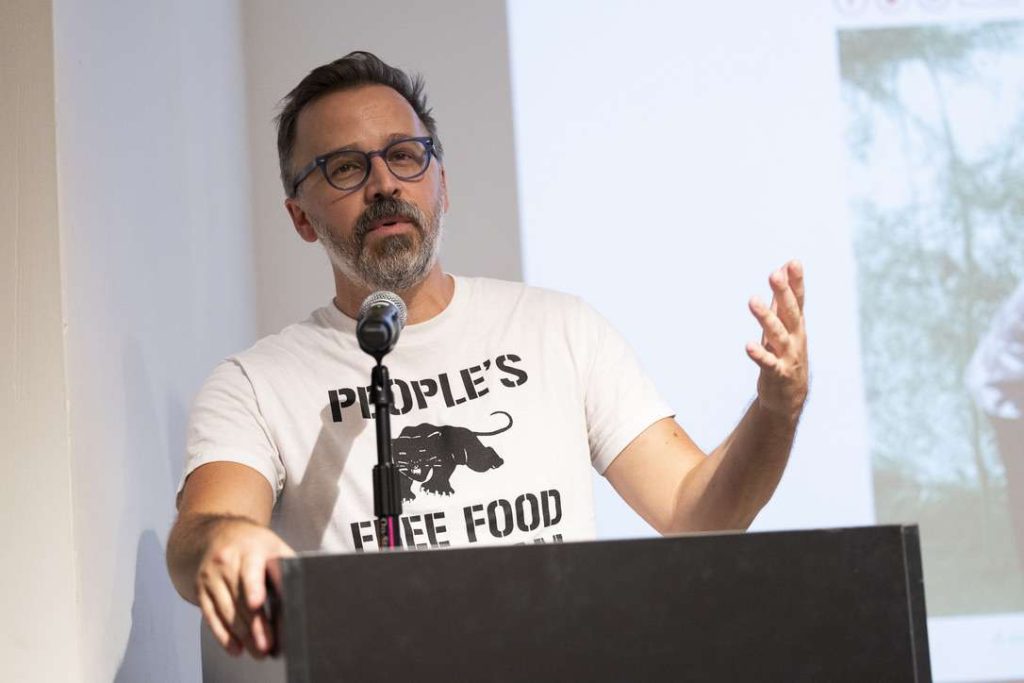
For the director of the Ipiranga Museum, Paulo César Garcez Marins, it is very important today that a history museum constantly reviews its lines of thought and broadens its horizons, incorporating the different narratives that make up Brazilian society into its exhibitions and collections.
“This is an effort that several institutions have made, which is to broaden the profile of their collections to include Brazilian social diversity”, he explains.
The podcast episodes take as their starting point items or collections from the museum’s collection, which demonstrate this phenomenon of diversity. Until then, only the elites of São Paulo were represented, now other social segments are included.
The initiative, points out the institution, reflects on the erasure of the black population and culture in historical debates, in addition to the absence of women and feminine themes in these narratives.
According to the director, the museum brought together collections over the course of around 100 years, in which objects were especially linked to their owner.
“And that someone was usually a figure of political or political importance. [de origem de] a great fortune from coffee farming, for example. These were the responsibilities for an object to enter our collections”, he explained, adding that, in general, such objects were made with precious and expensive materials.
In the more recent history of the museum, Paulo Marins highlights the importance of contextualizing the objects beyond this specific characteristic. “Today we seek to understand the processes that caused these objects to exist, how they arrived in our collections, and above all what role these objects played in a long social chain, which involves production, their circulation, their acquisition, their disposal”, he said.
Now, according to Marins, the museum is able to expand the documentary capacity of its collections.
“While on the one hand we are reviewing old collections, the curatorship also signals an effort to acquire new collections that can expand this broader vision for Brazilian society”, he observes.
Over the last 30 years, approximately, the institution began to receive and acquire objects linked to different social classes, in addition to objects linked to everyday life.
One of the podcast episodes, titled Sweet Memoriesbrings objects that, traditionally, had no value in museums. “[Recebemos] a collection of printed materials, which brings together almost 5 thousand labels for sweets, gum, biscuits, medicines, cigarettes, drinks, bread. It’s an extraordinary collection of prints that we use every day and discard.”
According to the museum’s director, these collections refer to designers who remained anonymous, but carried out work that forms part of society’s memory.
The episode Presence in Absence addresses the invisibility of ethnic groups in the museum, given the lack of collections related to indigenous populations and those of African origin. The episode Know how to do Its starting point is the bricks with which the museum building was constructed, in which the potteries can be identified through their monograms.
The episode Family Album discusses the important role that photography collections began to play in the museum’s history from the 1990s onwards, with the entry of photographer Militão Augusto de Azevedo’s collection into the institution.
“There are 12 thousand photographs by a single photographer, a Rio photographer, Militão de Azevedo, who worked in São Paulo between 1861 and 1890. He left an extraordinary collection of portraits, which covered all social and ethnic segments of the city”, explains Paulo, adding that there are many portraits of the population in general, not just prominent figures of the time.
Paulo Marins reveals that the addition of Militão de Azevedo’s collection was a milestone for photography to gain relevance in the museum.
“We were a museum mainly of oil portraits, very expensive and very linked to the elites. And, from then on, many other collections [de fotografias] they entered”, he recalls.
In the episode Family Albumthe public will also discover the Nery Rezende Collection, owned by a black woman who created a personal archive based on her life, in the mid-20th century.
“She not only left a very large amount of textual documents, papers about her life and the life of a middle-class black woman – which we also don’t often have in museum collections -, but an extraordinary photographic collection of her, her family, her professional work”, highlights Paulo.
“The episodes will allow the population to get closer to these lines of reflection that we do, showing the freshness of an institution that has been open to the public for 130 years, but that remains very contemporary, based on its professionals and the collaboration of society that indicates themes and brings us collections”, says the director.
According to Paulo Marins, the Ipiranga Museum has approximately 80% of its collection donated by society, which he classifies as “stimulating and democratic”.