Yaciel Antúnez, an HIV patient, died in state custody; Cubalex has documented 39 deaths of people deprived of liberty in Cuba so far in 2025.
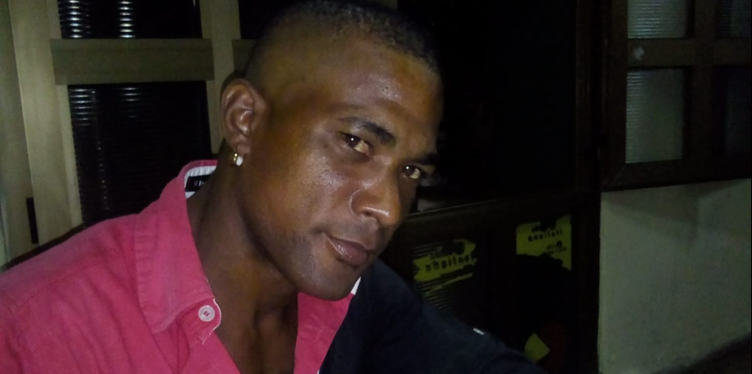
MADRID, Spain.- A 41-year-old prisoner, identified as Yaciel Antúnez, resident in Cienfuegos, died in the custody of the Cuban State after a progressive deterioration in his health while he was held in a prison in the country. The death, which occurred on December 6, was confirmed by the Cubalex Legal Advice Center, which denounced the case as a new death in custody in the Cuban prison system.
The complaint was initially spread by the page Child reporting a crimewhich noted that Antúnez—an HIV patient—was serving a sentence in the Santa Clara prison for people with HIV/AIDS, in the province of Villa Clara, where he had contracted a serious illness, presumably linked to poor sanitary conditions.
According to the information provided to Cubalex by a family member, the inmate began to show a marked deterioration in health starting on November 27, when during a family visit he presented intense dizziness, severe headaches, extreme weakness and even fainted, unable to complete the visiting hours. The family repeatedly alerted the prison authorities and requested urgent medical attention.
Despite these warnings, Antúnez was returned to the prison. Only a week later he was transferred to the prison infirmary and later to the new Santa Clara hospital, when his condition was already extremely serious. That same day he fell into a coma and died the next day, according to his relatives.
One of the most serious elements reported is that the family was not informed in a timely manner either of the transfer or of the seriousness of the inmate’s clinical condition. The mother, Bárbara Antúnez, found out about the situation through another prisoner, traveled from Cienfuegos and, when she was finally allowed to see him, her son was already in a coma.
According to family testimony collected by Cubalex, despite living with HIV, Antúnez Antúnez did not receive antiretroviral treatment or other medications during his confinement, in a context that they describe as serious medical negligence. The family holds the prison leaders directly responsible, denouncing inhuman treatment, lack of timely medical assistance and violations of the right to information and human dignity.
Cubalex recalled that deaths in custody in Cuba are not isolated events. So far in 2025, the organization has documented at least 39 deaths in the country’s prisons, in settings marked by negligence and lack of basic guarantees.
Faced with this new case, Cubalex demanded an independent, exhaustive and transparent investigation, as well as justice and reparation for the family of the deceased.
In March 2024, Cubalex presented an investigation on deaths in custody in Cuba, in which he concluded that this phenomenon reflects a systemic human rights crisis. The document noted that prisons and detention centers are characterized by overcrowding, lack of hygiene and a shortage of basic needs such as drinking water, ventilation and adequate food, which increases the risk of preventable diseases and deaths. Likewise, he denounced the poor medical care, with delays or refusals in treatments and inadequate responses to emergencies, which have led to multiple preventable deaths.
According to the second annual report of the Cuban Prison Documentation Center (CDPC), a program of the civil association Initiative for Research and Advocacy, sixty people deprived of liberty died in the custody of the Cuban State between March 2024 and March 2025. The report, titled What the numbers tellspecifies that 47 of the deaths are linked to physical or mental health problems and lack of timely care, and seven to direct physical violence. He also emphasizes that there is no evidence of investigations or sanctions for these events.