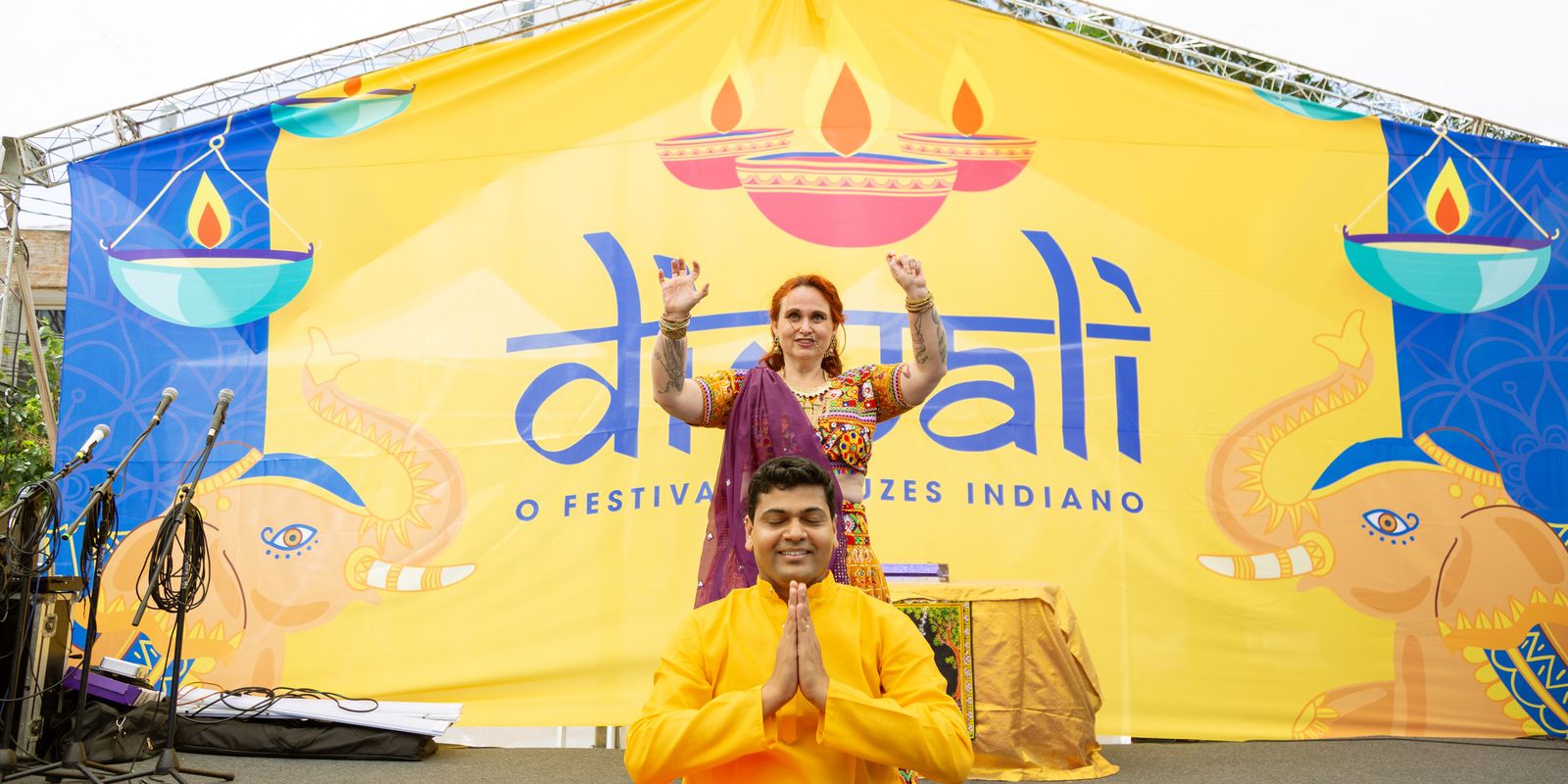
Known as the Festival of Lights, Diwali symbolizes the victory of light over darkness and good over evil, marking the beginning of a new year in the Hindu calendar. The Indian tradition receives its second edition, this weekend (18th and 19th), at Largo da Batata, in São Paulo, with more than 100 typical food options.
The free program runs from 11am to 9pm and features several Indian dance performances, as well as the Ceremony of Lights, in which participants are invited to create colorful designs on the floor, in order to receive the presence of Hindu goddesses. Another highlight are the performances by singers and DJs, who explore contemporary music from India. Attractions can be checked online event social.
The street stalls, with typical dishes, are one of the main attractions of the event. The highlights are the Samosas – fried pastries with thin dough and filled with a spicy mixture of potatoes, peas and spices, but which can also contain chicken or fish. Another attraction is the butter chicken, a curry with pieces of chicken and seasonings, such as cayenne pepper, known for its reddish color.
“Indian food gets a bad reputation on the internet, mainly due to videos that describe it as dirty”, comments the event organizer, Guilherme Caetano. However, many dishes are associated with the practice of ayurveda, a medicinal system with more than 3 thousand years, which seeks to balance the body’s health.
“It’s a very different cuisine from ours. It suffers from prejudice because it appears to be unhygienic, but, as a vice-president of the Indian Association explained, there is the issue of ayurveda, of you nourishing yourself energetically with spices. So it is a very clean cuisine,” points out Guilherme.
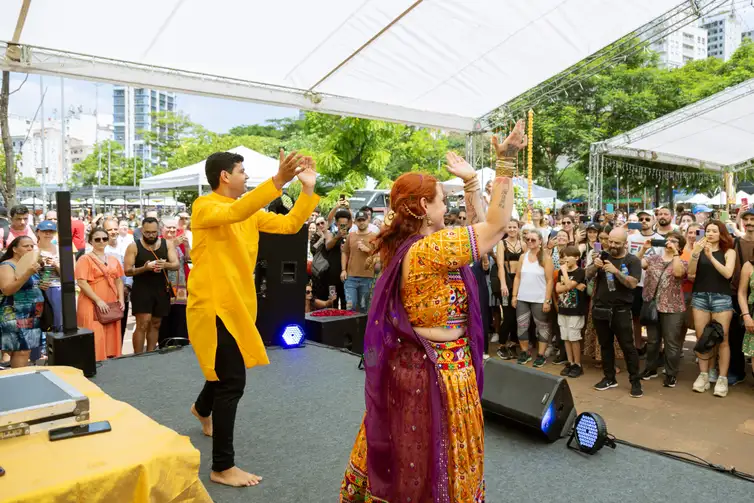
Festival of Lights celebrates the new year of the Hindu calendar – Festival of Lights/Disclosure
Ceremony of Lights
The celebration of Diwali takes place in different ways around the world. In India, twinkling lights are spread everywhere and balloons are released into the air. In Canada and England, fireworks are used.
The Festival in Brazil will create a show in Largo da Batata square and a ceremony that, despite the connection with Hinduism, Guilherme Caetano points out has become something individually religious.
“The ceremony became one of the highlights of the festival. (Last year), the guest Sandip, from India, made those mandalas on the floor with chalk. During the process, we called some people from the public to put the dust in the mandala, and, after that, they came with a tiny candle. It ended up becoming a beautiful ceremony as we saw people getting down, praying with the candle, giving thanks (…), each one with their religiosity.”
*EBC intern under the supervision of Odair Braz Junior