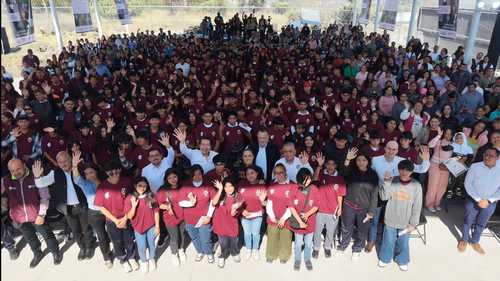
The Cuban regime had to send nearly a hundred health professionals to Velasco, along with medical science students.
LIMA, Peru – An alarming increase in arboviruses in the town of Velasco, municipality of Gibara, province of Holguín, has forced the authorities to carry out a “comprehensive health intervention.”
A report from the state Caribbean Channel recognizes that Velasco “is part of a complex epidemiological scenario” that affects the entire island. Faced with the increase in cases, the Cuban regime had to send nearly a hundred health professionals to the territory, along with medical science students.
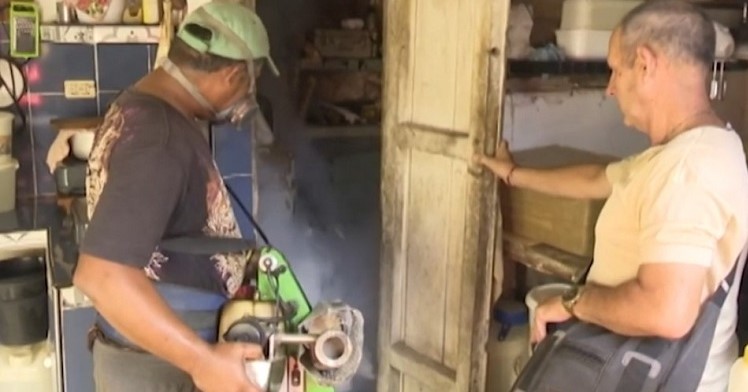
The contingent carried out assistance actions, active investigations and anti-vector control, with representatives of 20 medical specialties who arrived “in areas that are difficult to access,” according to the official press.
Although the note focused on highlighting “prevention” measures, it failed to mention the number of cases or the detailed statistics that motivated the mobilization in the rural town.
“These actions are part of a protocol that is implemented in several municipalities in the Holguín territory as an expression of the health system’s commitment to prevention, community closeness and the protection of life,” the report highlights.
He cuban government recognized for the first time on November 12 the existence of a chikungunya and dengue epidemic in the country, despite the fact that the first cases were diagnosed in July and infections began to skyrocket in September and October.
The epidemic has found especially favorable terrain in Cuba to expand due to the serious economic crisis that the country is going through. This situation limits the capacity for prevention – particularly massive fumigation against mosquitoes –, control – through laboratory tests to confirm the type of disease – and care for the sick, due to the lack of medicines and other health supplies.
The Cuban health authorities reported this Friday an increase in the number of deaths associated with arboviruses in the country, which now amounts to 55 deaths, of which 18 are attributed to dengue and the rest to chikungunya, according to official data provided by the Ministry of Public Health (MINSAP).
The information was confirmed by the Vice Minister of Public Health Carilda Peña García during her appearance on the television program Good morning. According to the official, in the weekly analysis carried out by the medical commissions “there were three people who unfortunately died from chikungunya.”
The island’s own health directors have admitted that the official numbers of infected people represent under-reporting. As recalled on state television, many patients do not go to medical centers.