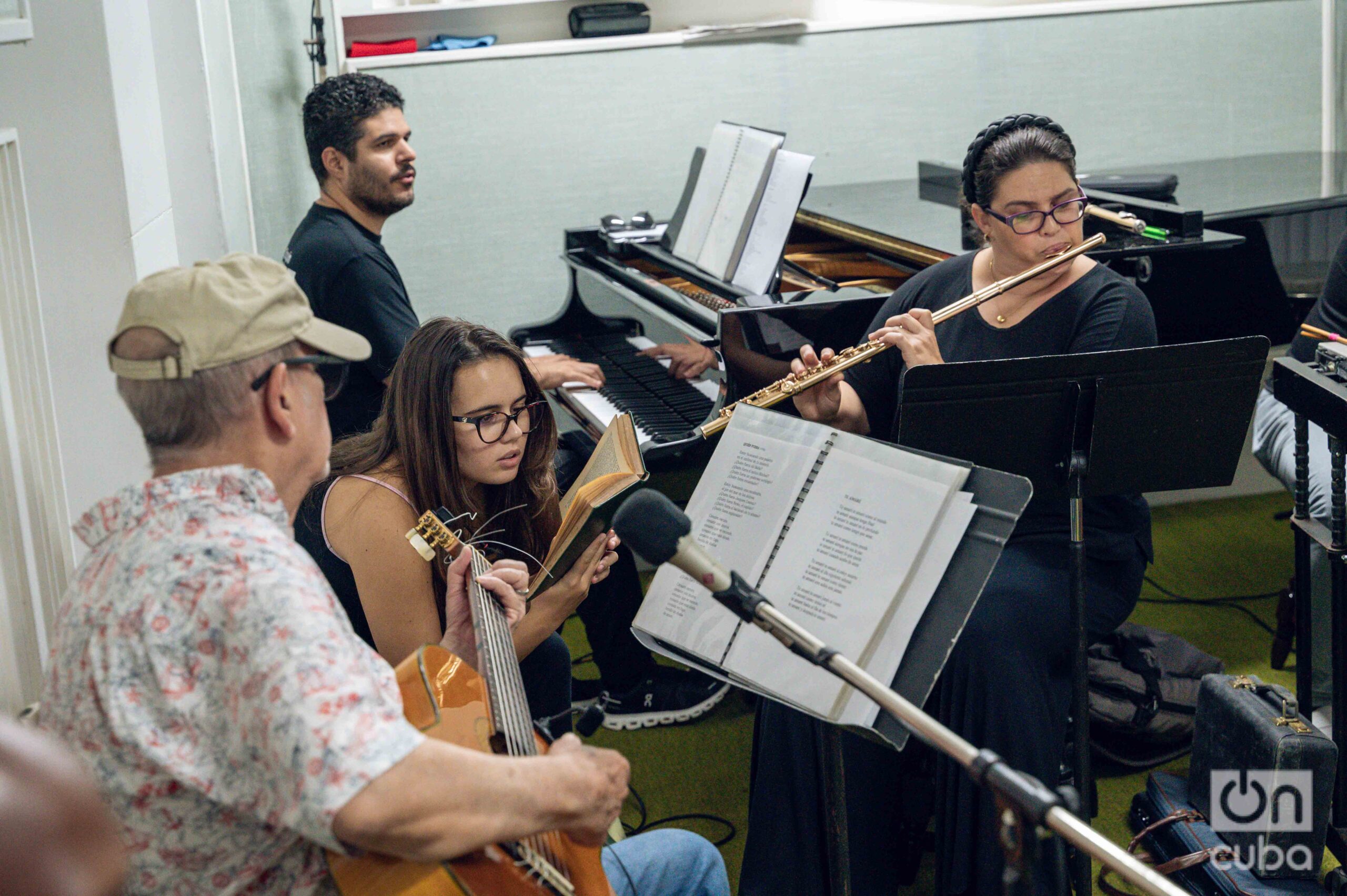
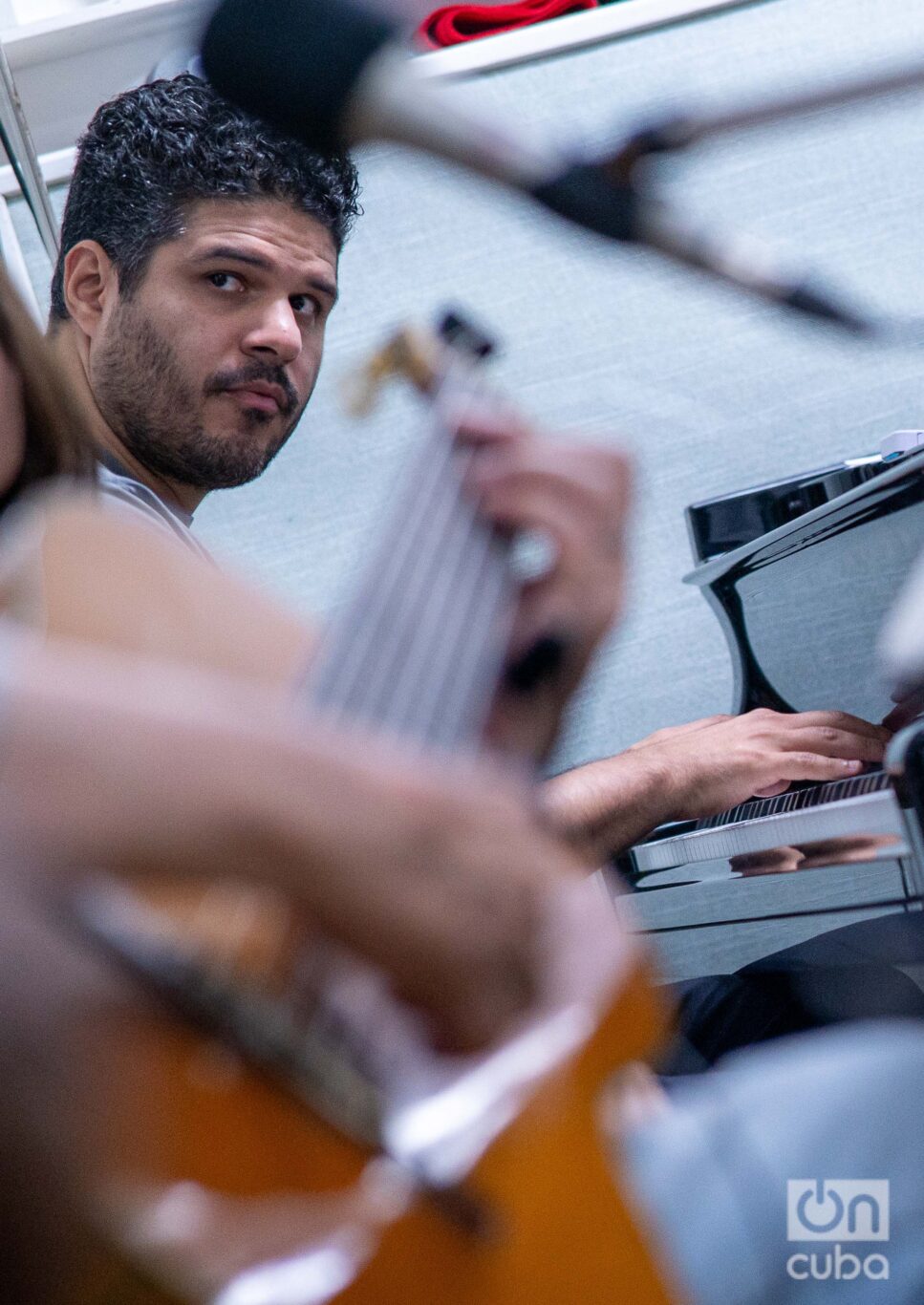
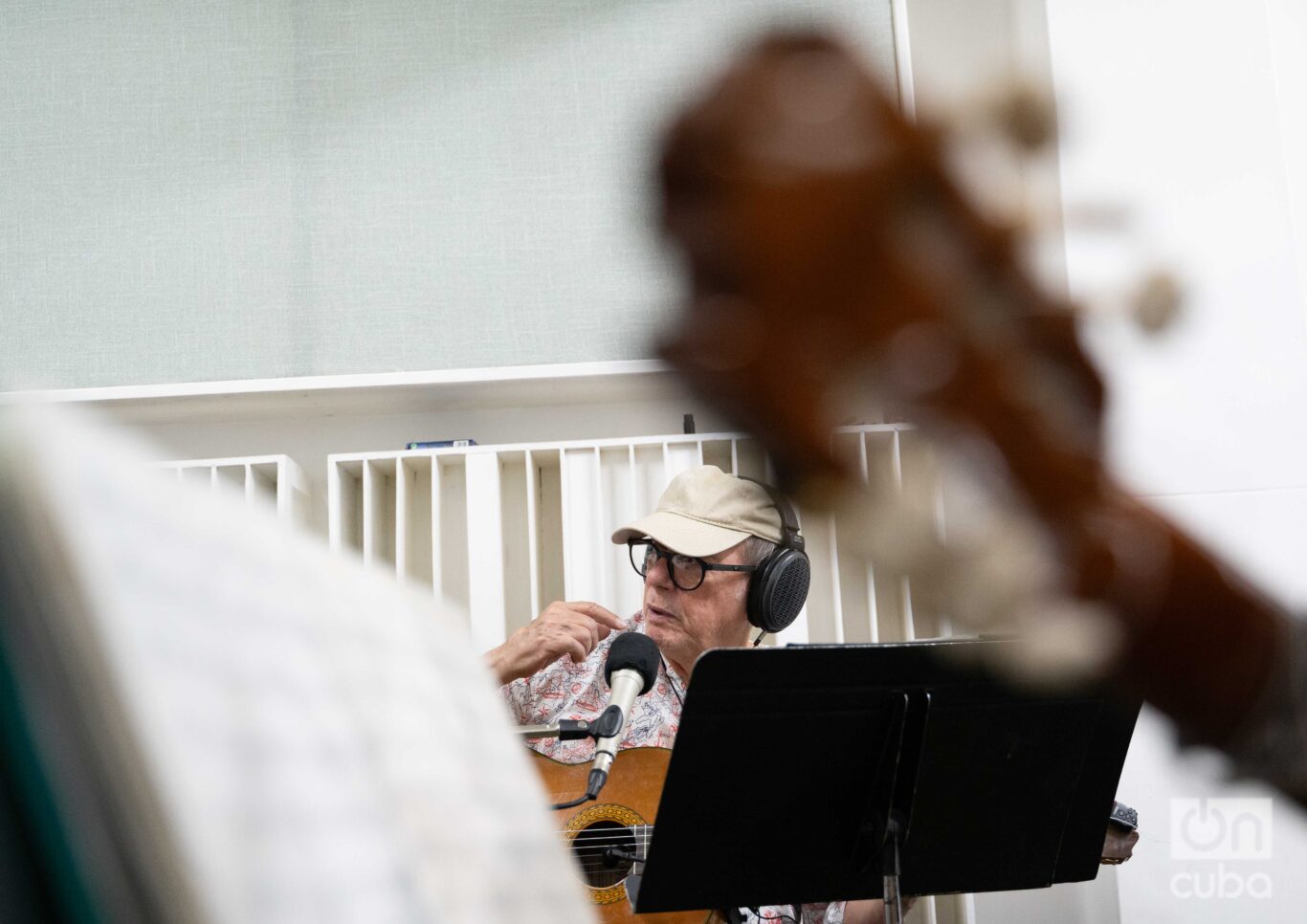
Every morning, for more than a month, the same ritual is repeated: punctuality at 10:00, a buchito of smoking coffee and the thick and heavy door – like a vault that guard a treasure – closes. Inside, in a small and cozy space – a more den that recording studio – between microphones and trails, with a piano of tail, guitars, flutes, clarinet, drums, double bass and vibraphone, a handful of music alchemists knead songs like who prepares bread, with patience, rigor and love, for the family.
It happens in Havana, in studies I hope, where Silvio, NiurkaJorge, Emilio, MallowOliver, Rachid, Maikel and Jorgito rehearse for a Latin American tour that will take them in a few days by five countries and twelve concerts. They have been playing together for more than a decade, understanding themselves just looking. However, a couple of years had passed since the last presentations: that Zócalo de México filled with more than one hundred thousand people in the rain, and an endearing concert held on the island of Youth, in Cuba. Now, in the privacy of the study, complicity returns intact.
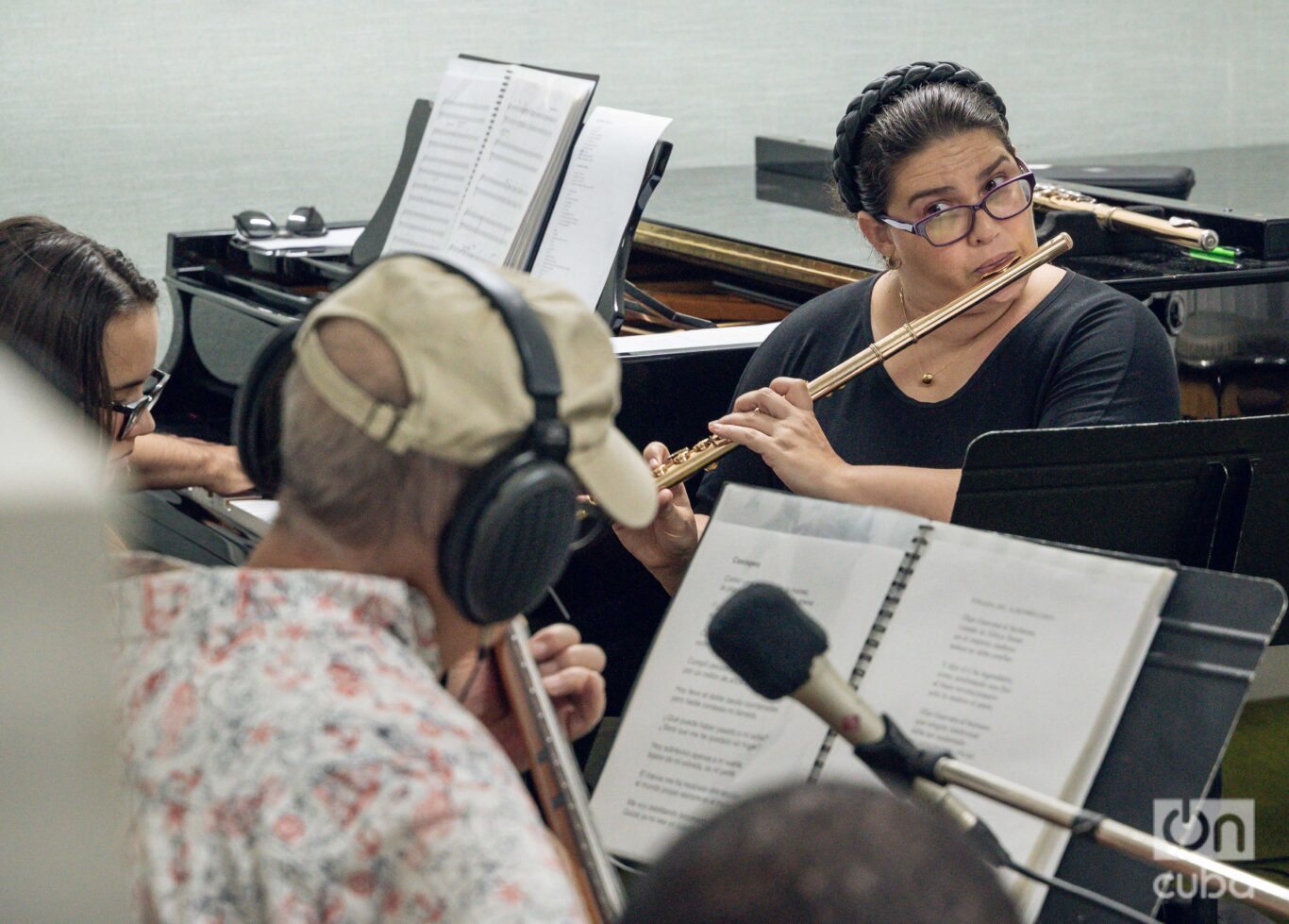
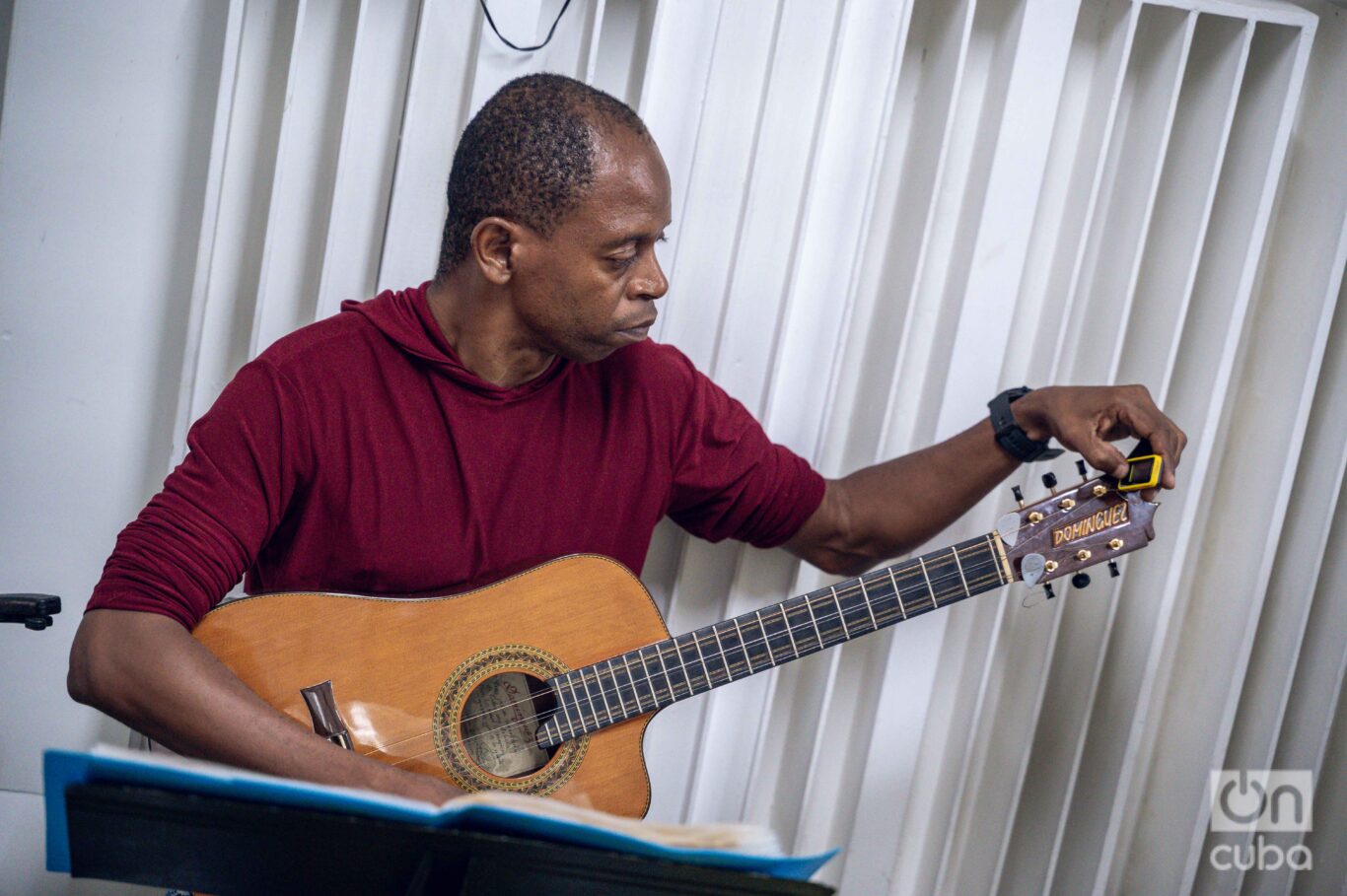
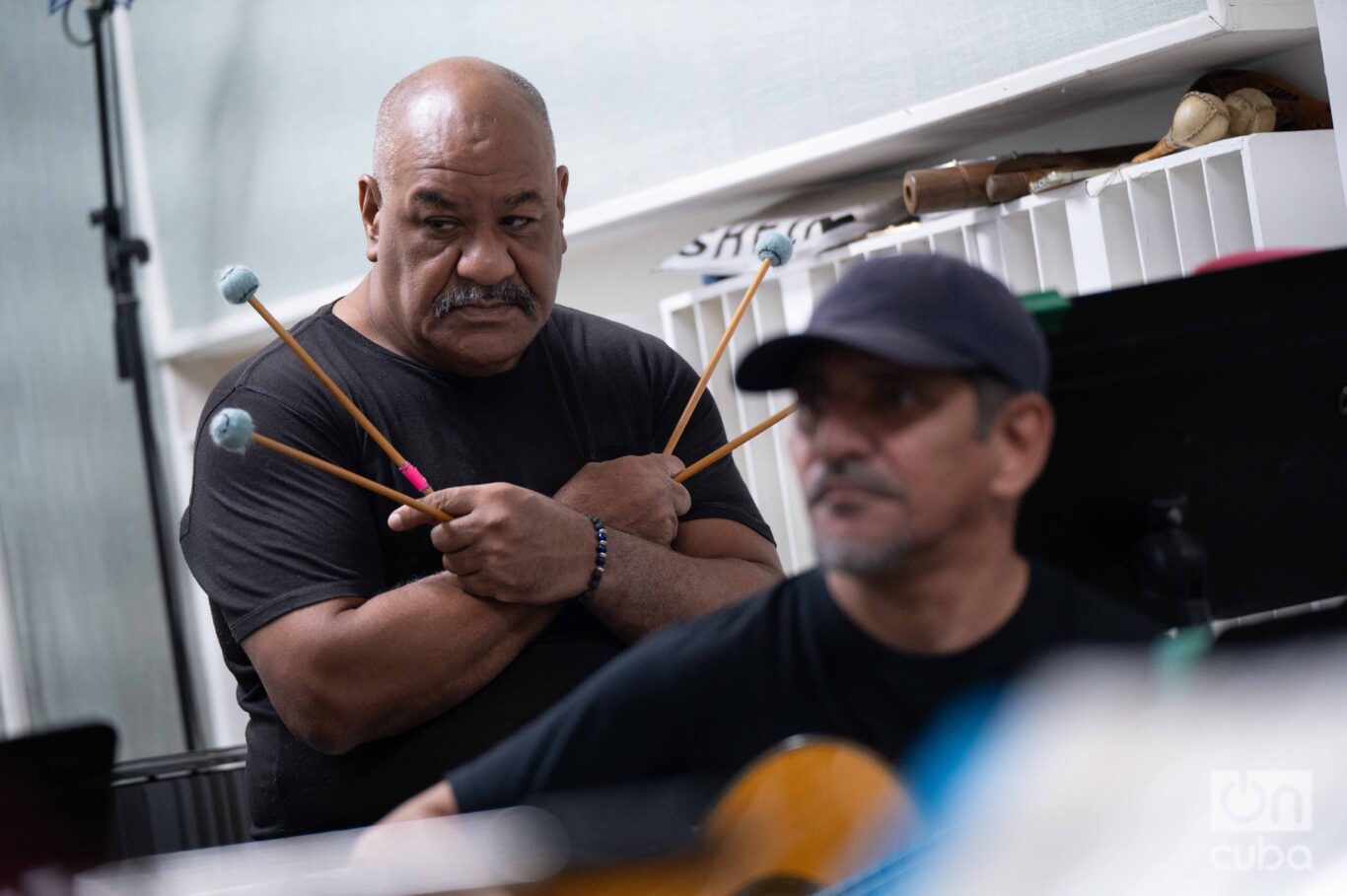
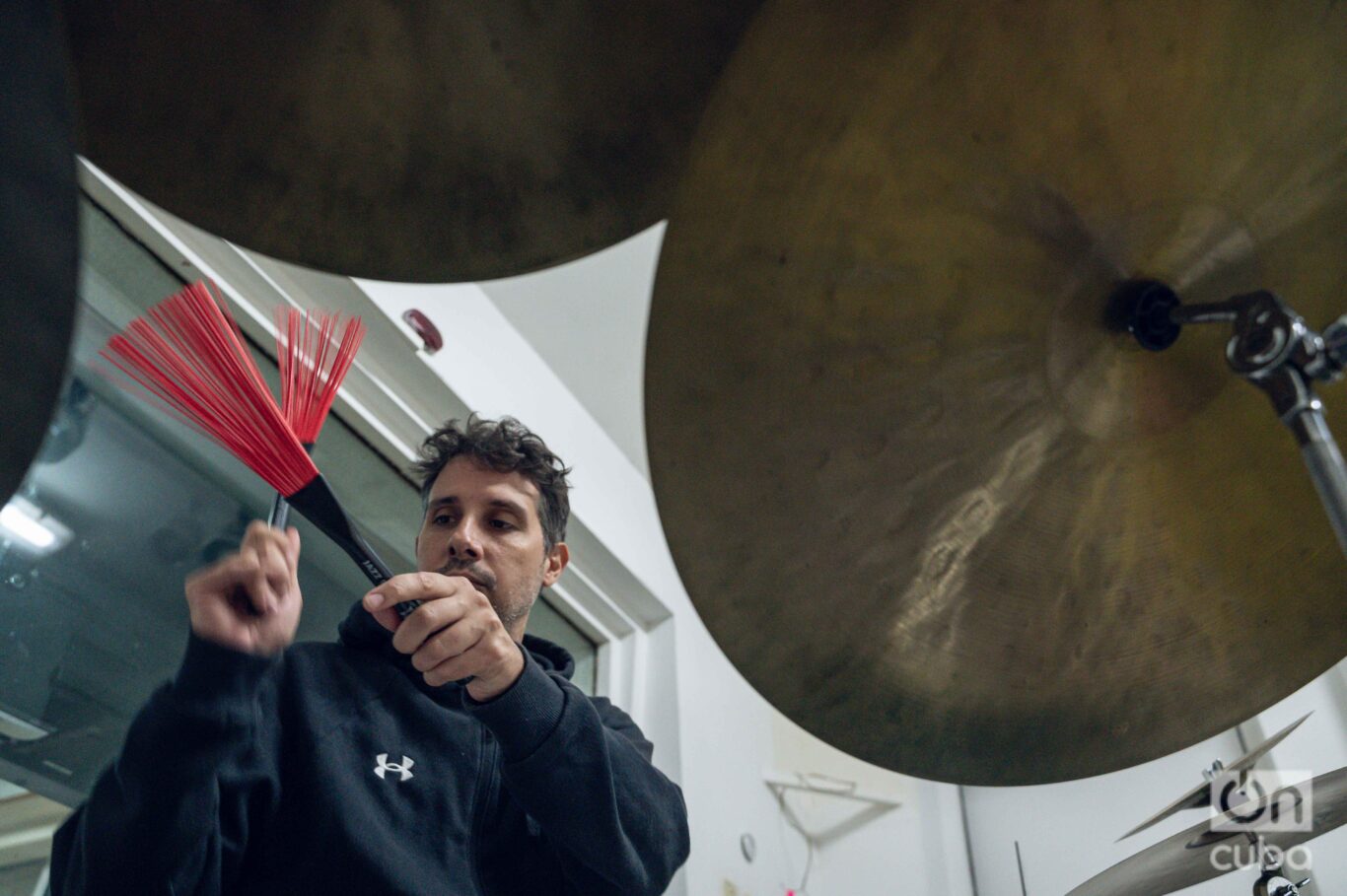
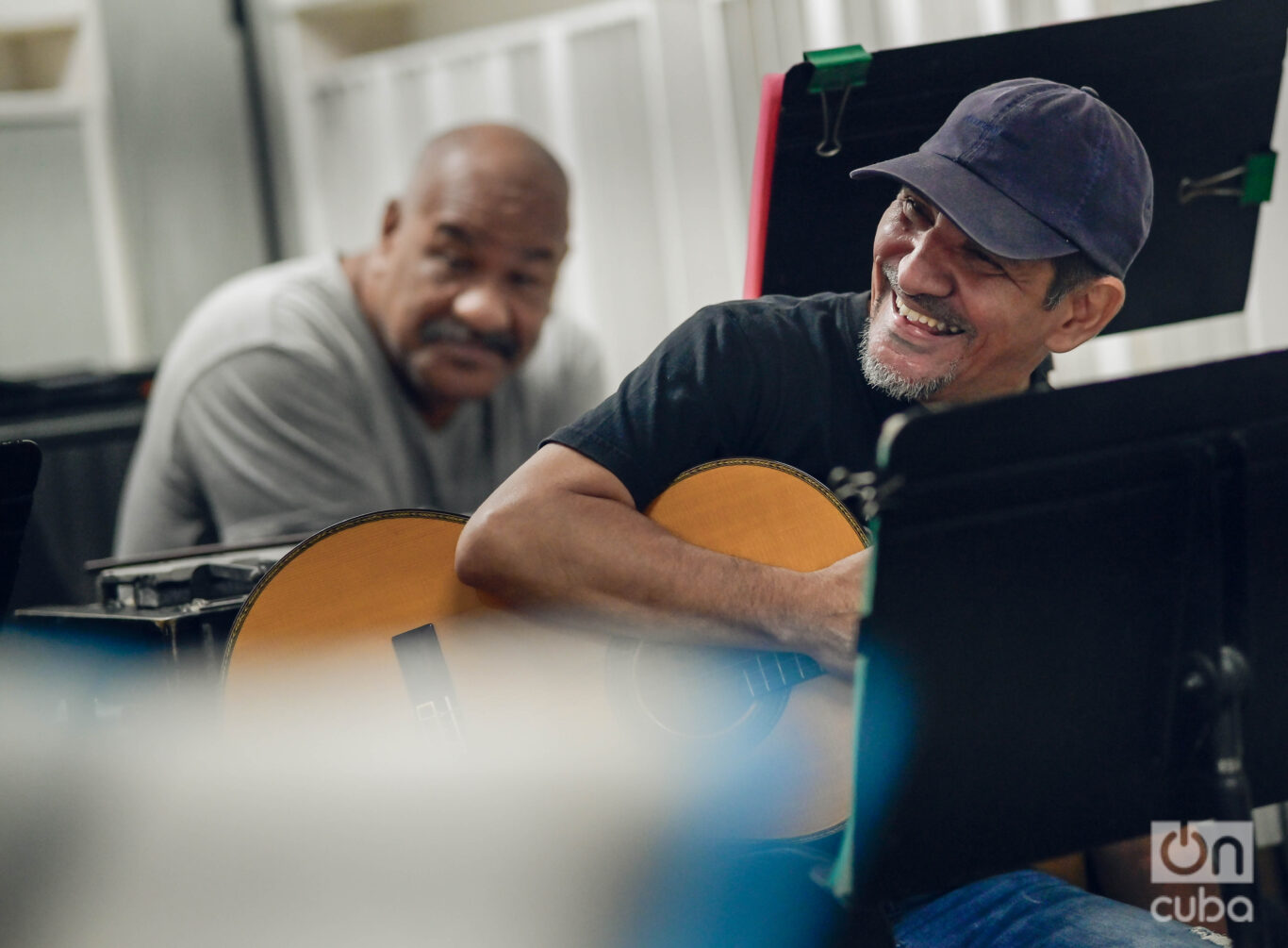
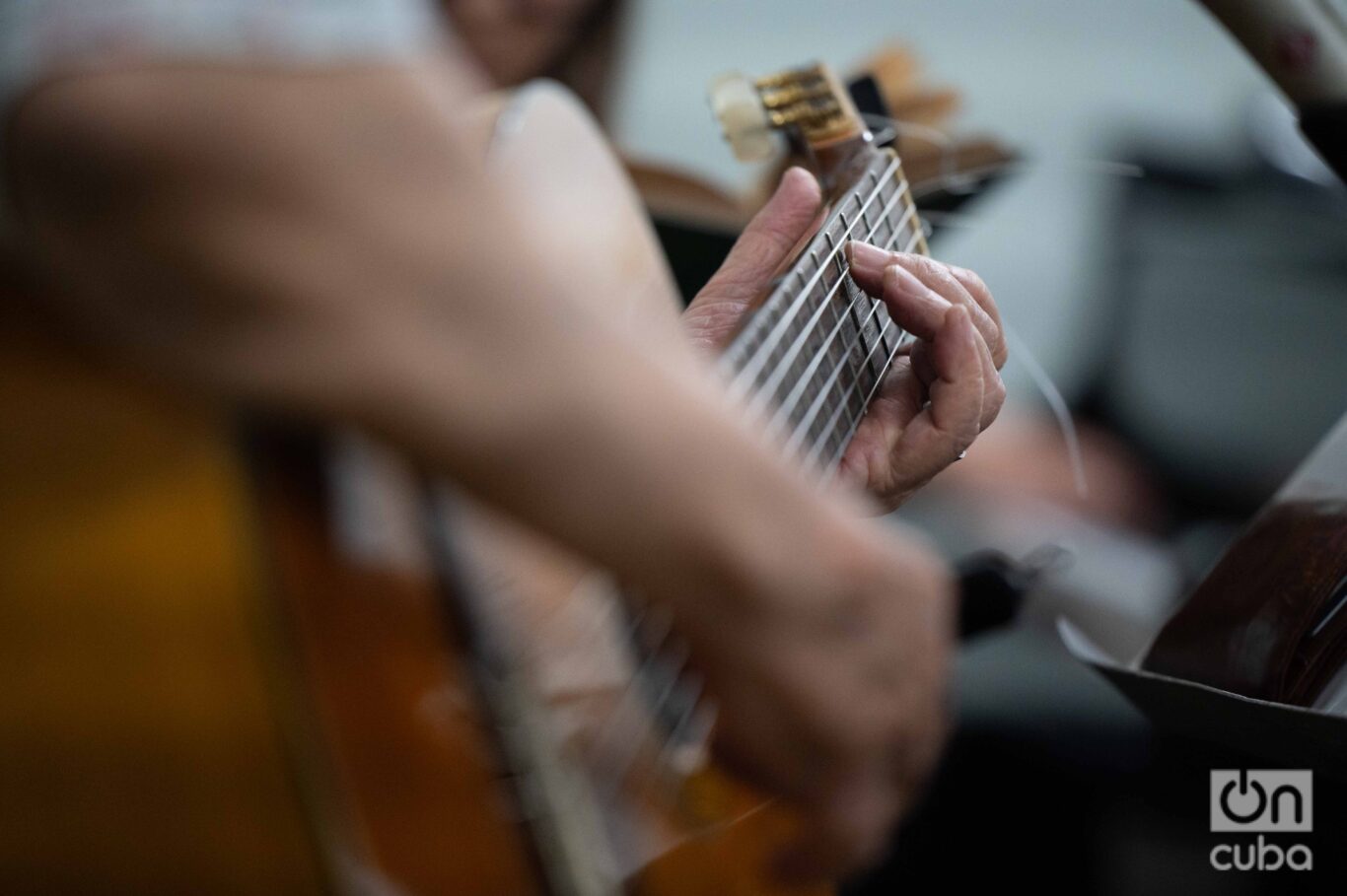
To me – photographer, intruder? – They let me strain and be one more, although the only thing that touches is a camera. What a privilege. I plant myself crouch, trying to be invisible and, in addition to tightening the shutter, active all my senses to absorb every detail of this creative microcosm in which I find myself.
Here nothing is routine. Everything is a bracelet – a struggle and a game – where the human and the artistic cross so that music flows. It is also a pulse between fatigue and laughter, between tension and humor. They repeat chords, phrases, verses … until everything is polished as a pea in the river.
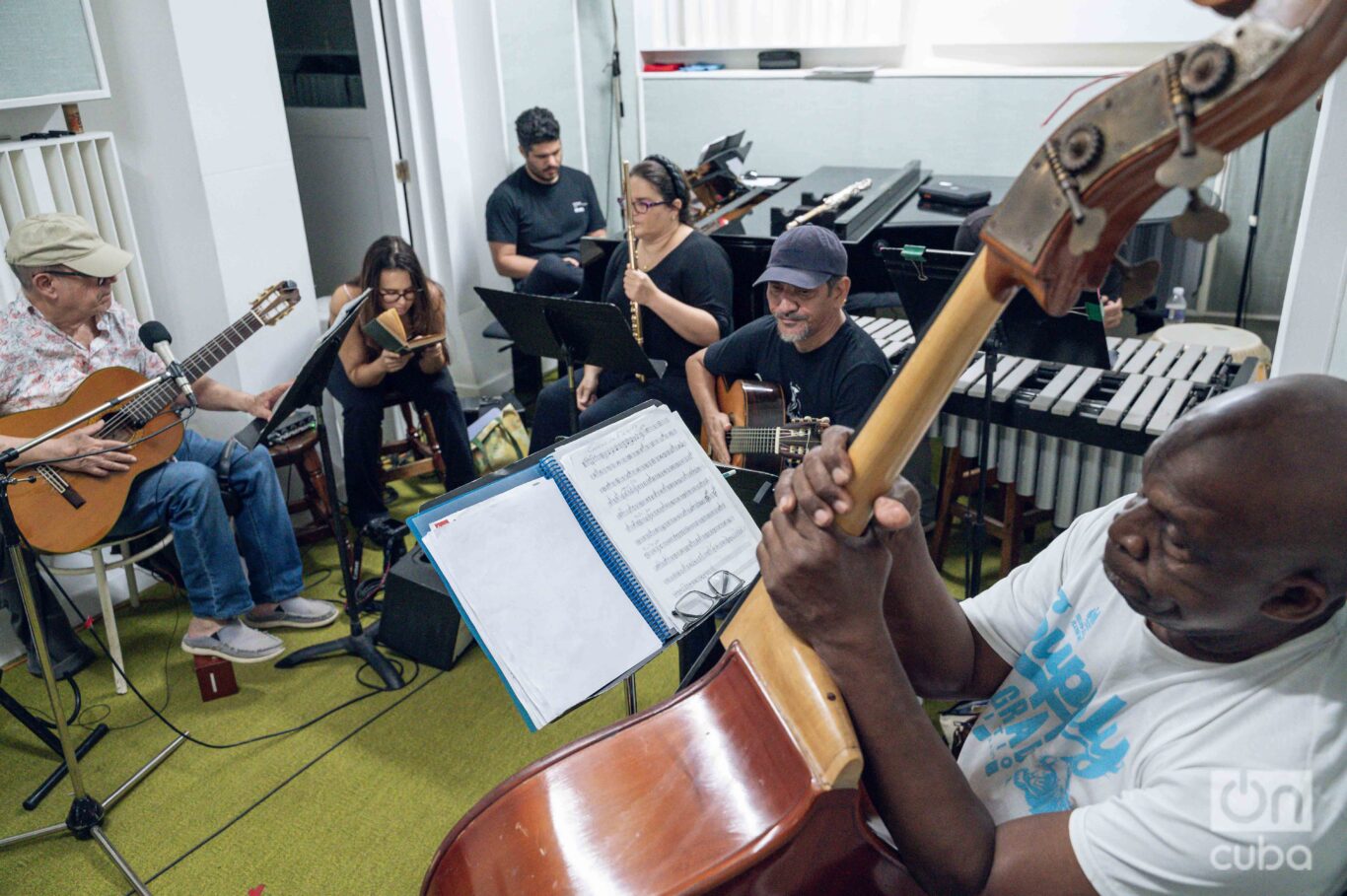
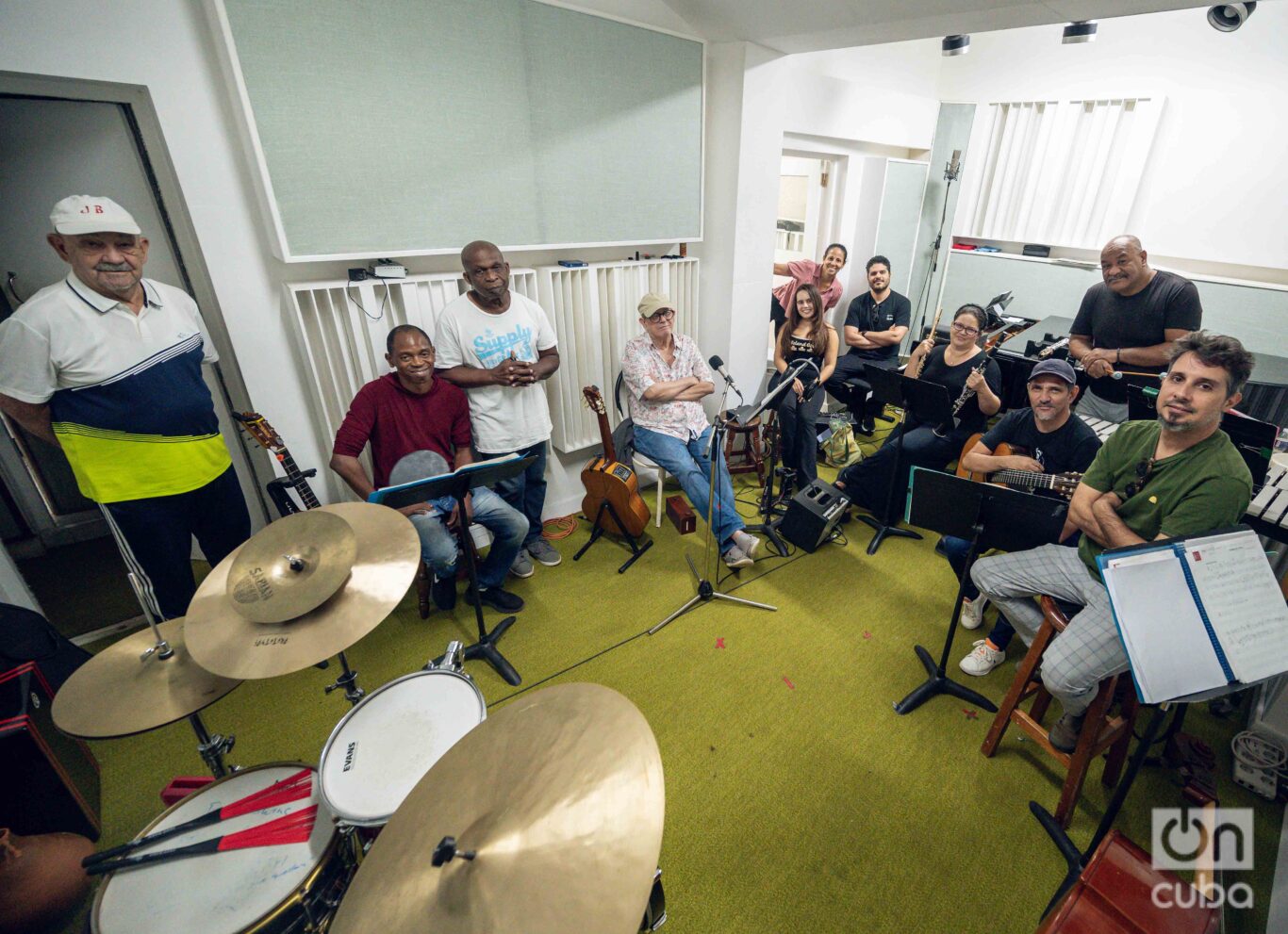
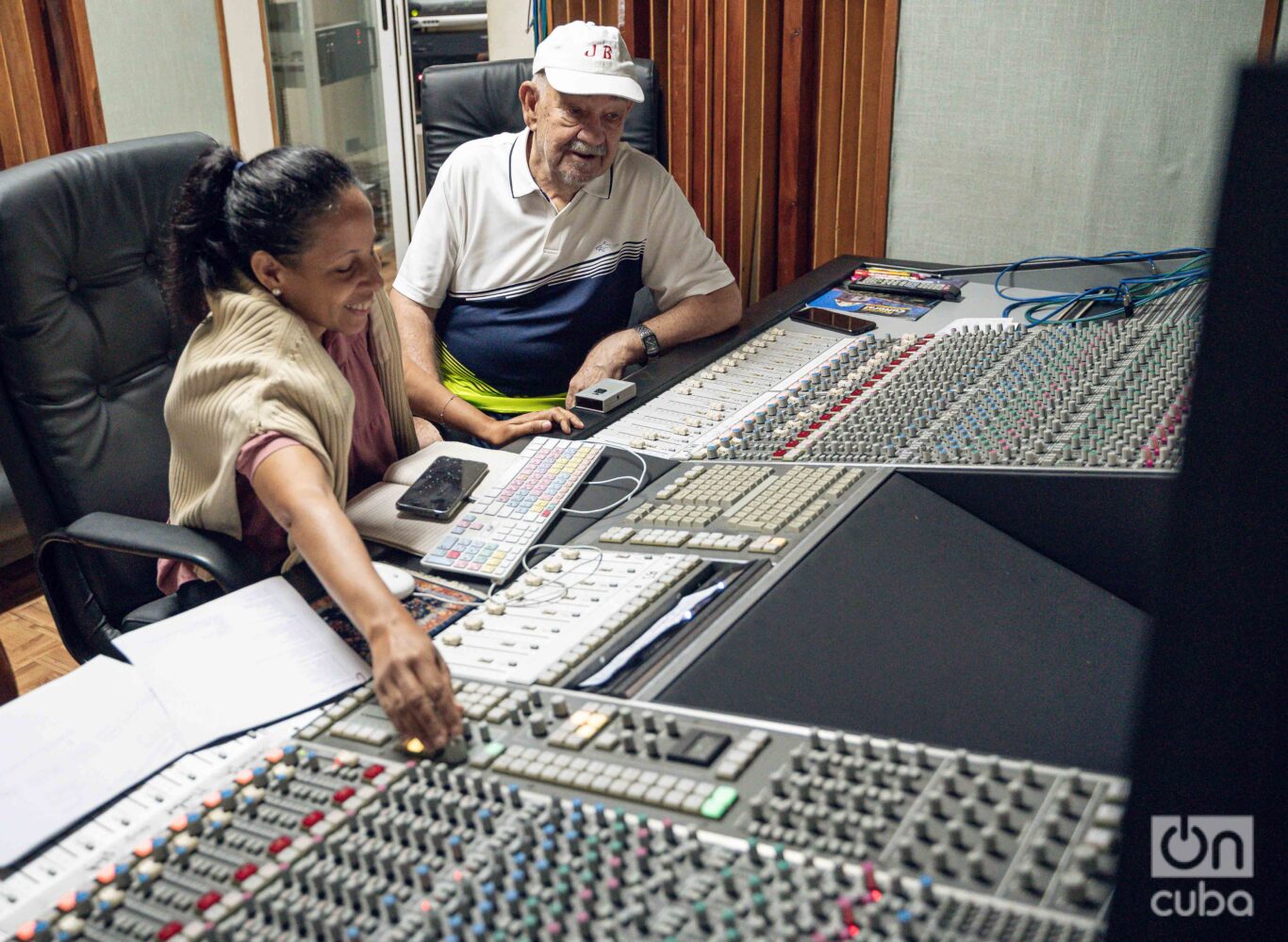
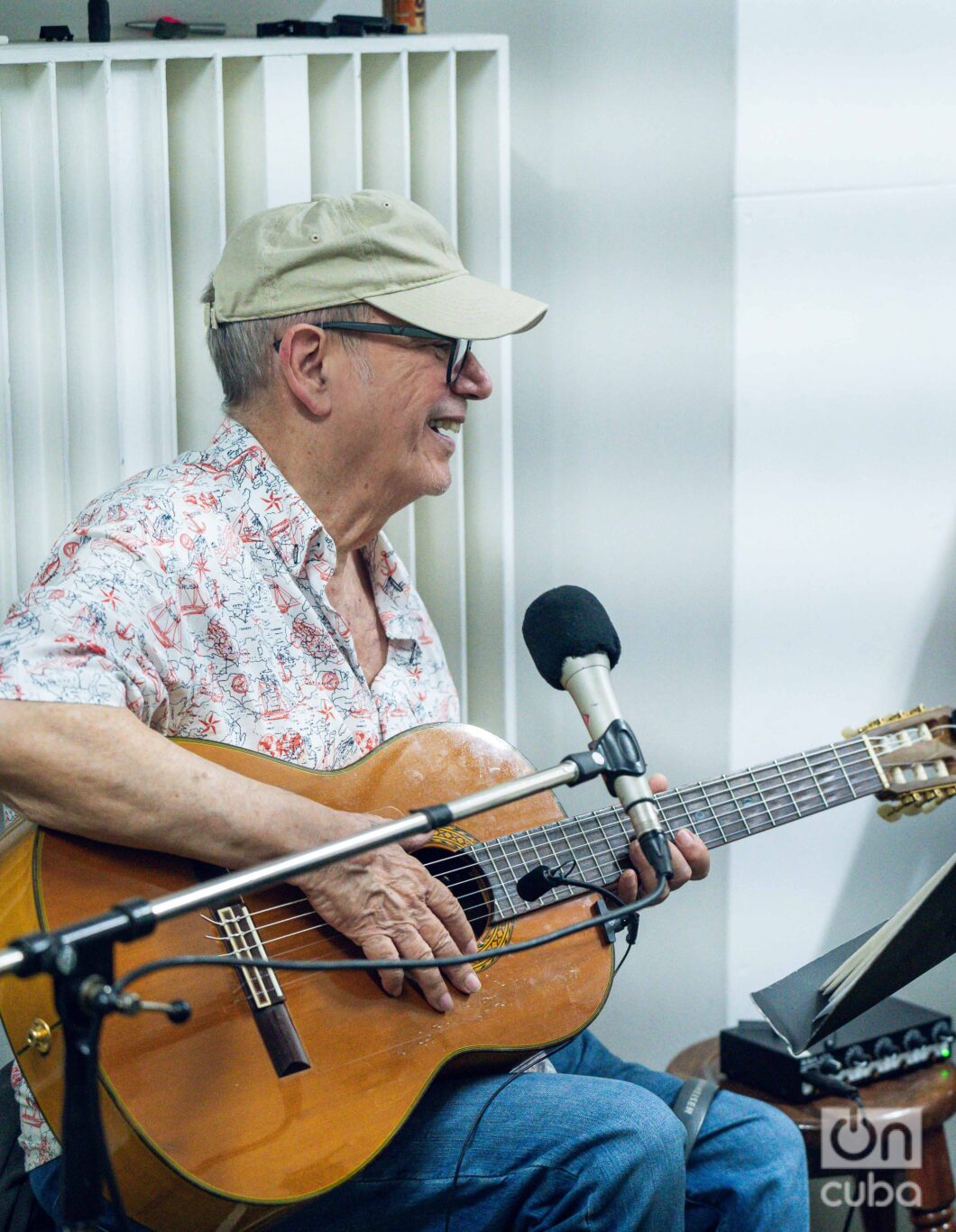
For three hours they rehearse a repertoire of about thirty songs. The route goes from endearing classics such as I will love you either Casiopeeven recent pieces, almost premiere, which beat with the urgency of these times: Anyone born in Cuba and More future. The latter was written by Silvio from the conversations he shared with Pepe Mujica and his partner Lucía Topolansky.
Everyday is sneak between the notes. They are not aliens: they are Cuban. And, as in any Creole home or home, it becomes inevitable in some impasse to talk about “the thing”: “three days ago water does not enter my house”; “The current went twice last night”; “Sleeping without a fan is hard.”
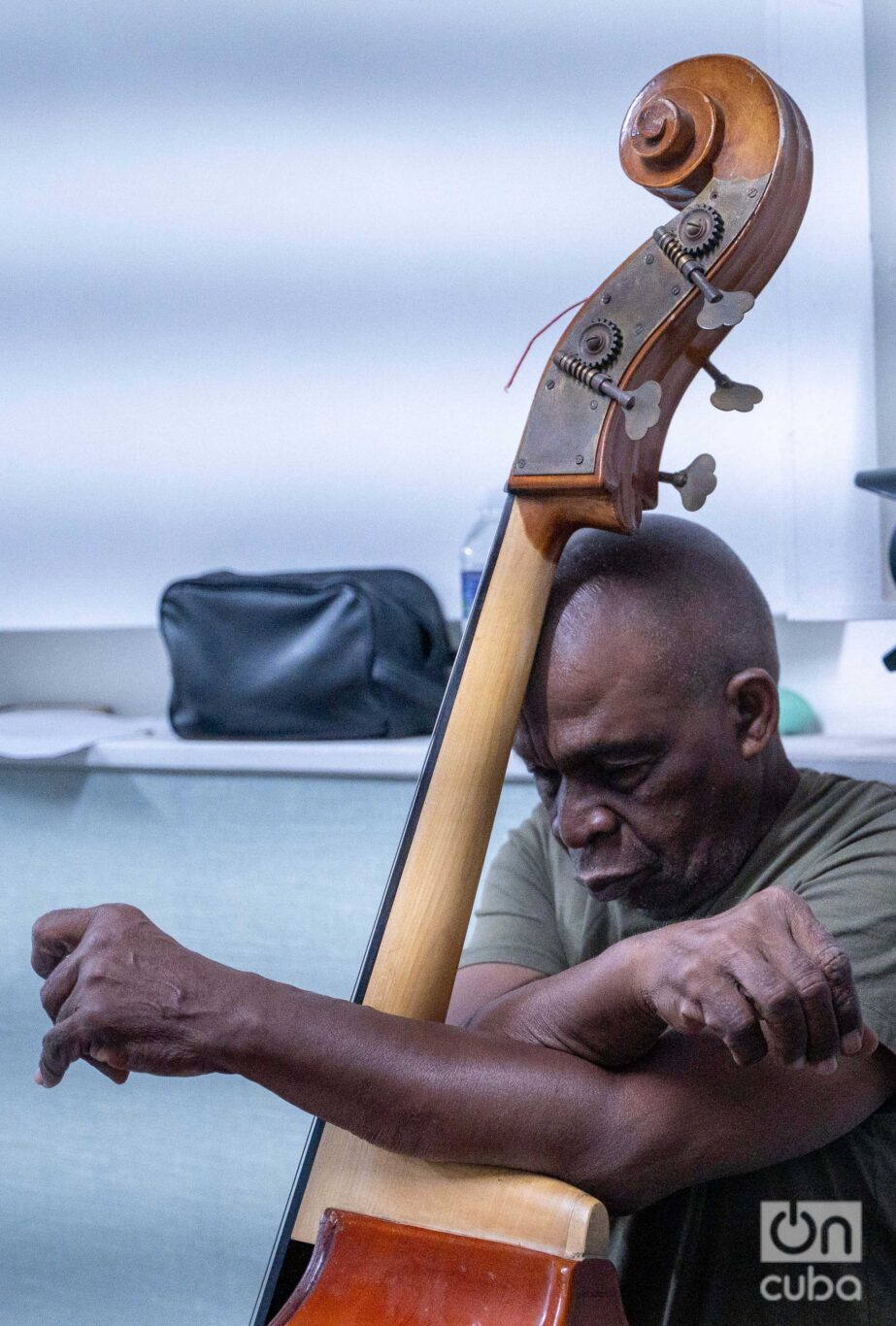
Confessions also emerge. We learn that Silvio is able to save the cockroaches of the flip that sentence to death. Actually, it happens with any insect or animal. The troubadour smiles and recalls: “The first cocotazo I received was given by my father when I was little because I released a mouse from a home trap.”
And after those relaxation moments, music is imposed again. Then come moments of shock. For example, after interpreting Moreover, I forgive youby Noel Nicola, the silence takes over the room. We are all shocked. Silvio caresses the sheet with the lyrics, whisper: “This is of Nobel Prize”, and then recites the verses aloud. A collective sigh toured the study.
Other scenes happen in this test context. The youngest in the group takes advantage of the pauses in which it does not intervene to open a book. Between the mother’s guitar and the mother’s flute, Malva holds an old edition of One hundred years of lonelinesshardcover, green and golden letters. While it sounds The era …the pianist, a reader, is submerged in the Garciamarquian universe. Perhaps self -absorbed by the impossible inventions of José Arcadio Buendía, with that obsession with alchemy and science.
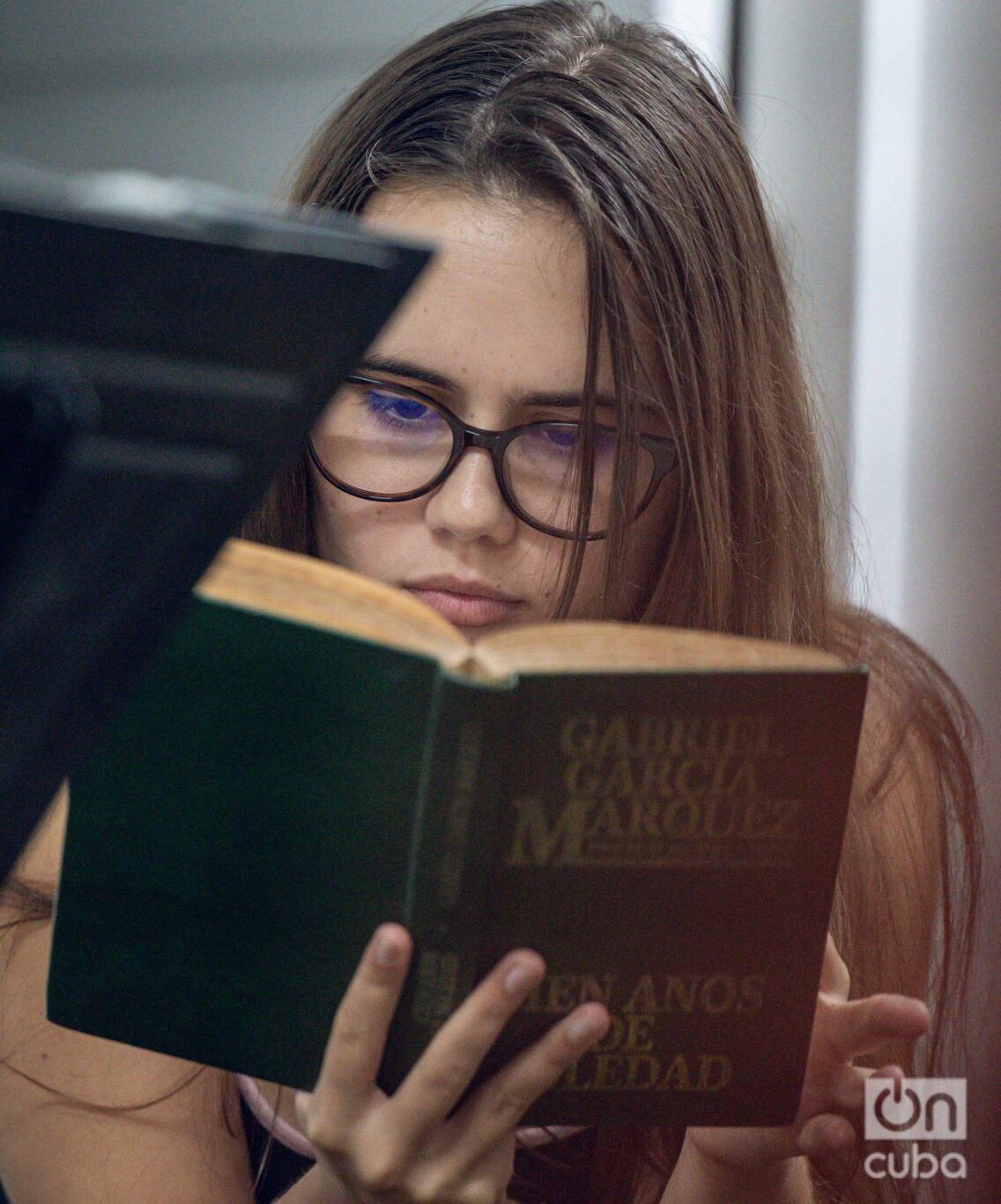
The analogy, then, is imposed: this study often, full of imagination, talent and good vibes, has its Macondian side. Here the extraordinary is naturalized and the impossible is counted – or is sung, touches and sounds – with the same intensity with which life takes place. And one thinks, while music and songs embrace my photos, if it is definitely not like the wonder.