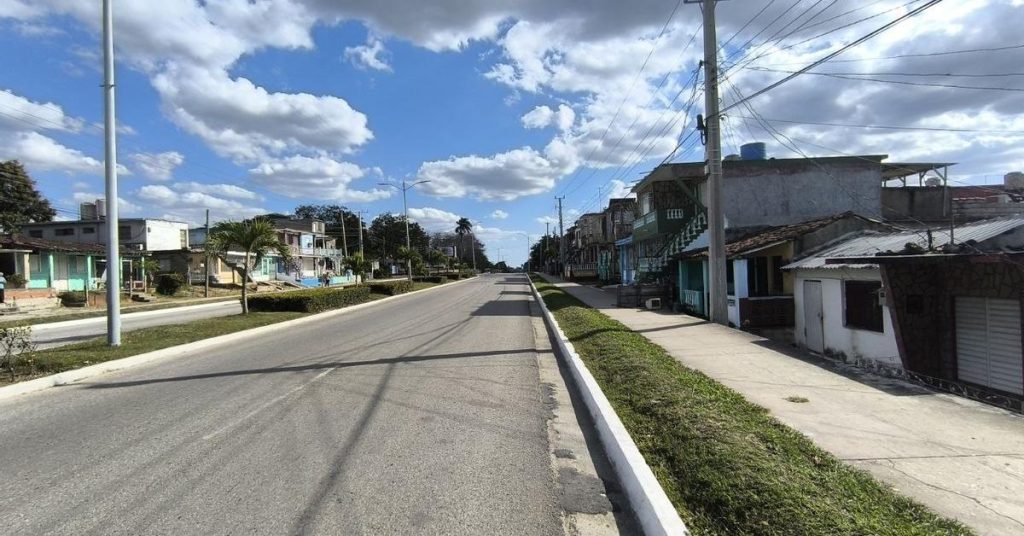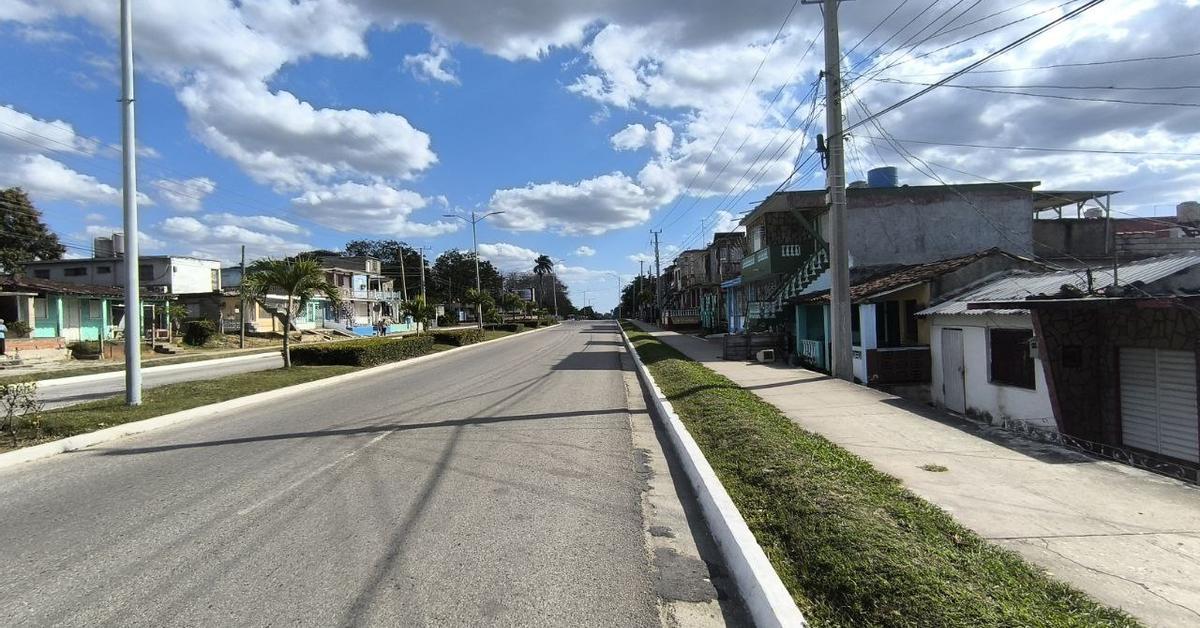
Havana/This Sunday, Havana was a dead city. Without tourists, nor Cubans enjoying – a word already out of use on the Island – of their weekly day of rest, nor workers opening private or state businesses. It was enough to go to two of the best-known places in the city, a cafeteria in Centro Habana and a restaurant on the populous 23rd and 12th: both practically empty. “People have nothing to go to, and that obviously affects businesses,” says a local resident.
Government measures have left the capital practically deserted. Some electric motorcycles, tricycles of the same type and very few cars, almost all state-owned. Public transport, supported by a few gazelles. “You can tell right away. They are giving me 30 liters a week for work, 20 less than last month, so I can walk a little, but you feel when on a Saturday, at 7:00 pm you are going 23, without having to look in the rearview mirror or slow down. You go alone on the street. However, you see the stops packed waiting for buses and cars that never pass, and I really don’t even know how they get to their houses,” a driver tells this newspaper.
The bus terminal on Boyeros Street, normally bustling, had all its doors closed except for one. Inside, many areas were dark.
On Saturday, the Minister of Transport, Eduardo García Dáviladetailed on his Facebook account each and every one of the sector’s fuel saving measures. Despite wanting to make a brief list of the relationship, the post The official has 11 points at the national level and seven at the local level. The first, however, was already in check a few hours after its publication. The minister stated that operations were maintained at the airports, but this Sunday it was indicated that fhigh kerosene for international flightswhich immediately means that any company will have to refuel outside the Island.
There will only be one daily departure from Havana to other provincial capitals, except to Pinar del Río (with two a day) and Baracoa, which will only operate on alternate days.
Among the specifications that Rodríguez Dávila made regarding road transportation, there will only be one daily departure from Havana to other provincial capitals, except for Pinar del Río (with two a day) and Baracoa, which will only operate on alternate days.
The departure frequency of national trains increases from four to eight days to Bayamo/Manzanillo, Holguín, Santiago de Cuba and Guantánamo. The rest of the local and interprovincial services are suspended, although the Railway intermodal services are maintained, planned with buses, between Guantánamo and Baracoa, between Manzanillo and Niquero and between Manzanillo and Pilón, “the schedules adjusted to the departures of the national trains.”
There are also adjustments to the service ferry to Batabanó that will only operate on Tuesdays and Saturdays, while the intermodal remains in the capital adjusted to maritime transport and to Pinar del Río and Santiago de Cuba only on Saturdays.
As for the waiting lists, they are eliminated, and the last minute terminals are left without service. The minister pointed out that 100% of the money will be returned to those who have a reserved ticket up to 30 days after the date that appears. Meanwhile, the transportation of freight linked to national events and activities is suspended. “The transfers of teachers and students who decide to deconcentrate in the country’s education system will be ensured,” the official added.
All this, only at the national level. Because in addition, at the site it has been foreseen that each territory requires its own, although there are some guidelines: adjust the priority health and education services, mainly, maintain Medibús services, take advantage of every electrical means that is possible and advance in the assembly of charging stations with solar energy. Among other things.
“The harrows that remove the containers from Mariel are out of diesel and that will lead to shortages”
This morning, the Havana transportation company reported some specific measures that it is beginning to take, one of them is the resumption of “passenger transportation services, ensuring the opening and closing of the routes of the Main Network (P), except route P16.” In addition, they foresee that there will be opening (at 6 am) and closing (at 4 pm) of a list of “vital routes that connect difficult-to-access, vulnerable and hospitable areas”; and they guarantee that the Regla boat and the cycle bus service (buses to cross the bay tunnel) will function 100%. A few hours later, it appeared this sign on the pier: “There is no boat.”
“Minister, we have a serious problem,” a user questioned Rodríguez Dávila. “The harrows that take out the containers from Mariel are out of diesel and that will lead to shortages. There is already a large amount on the road with containers including refrigerated ones without being able to reach their destination with the risk of losing the merchandise,” he warned. The majority of commentators accepted the situation with resignation or made suggestions for some alternatives, although there were many people concerned about having been left adrift in a province other than the one in which they reside.
In the midst of this situation, the painful situation in which the hotels find themselves is little strange. Although many still appear to have enough fuel to keep their sign lights glowing in the dark, the few rooms that light up at night reveal that capacity is no more than 10%. The most economical ones, like
Deauville and the St. Johns were completely out. However, they still continue to operate normally, according to a worker in the sector told this newspaper. “The only thing they are doing is transferring tourists to other hotels,” he says.
Meanwhile, in the provinces the panorama is similar. In Sancti Spíritus, the Central Highway has been empty of vehicles for two days, and in Holguín, the expression black gold for oil regains its full meaning: a liter of gasoline is already sold for 2,000 pesos in the informal market.