Biogas is a renewable energy obtained from organic waste and is used to produce electricity or biofuels.
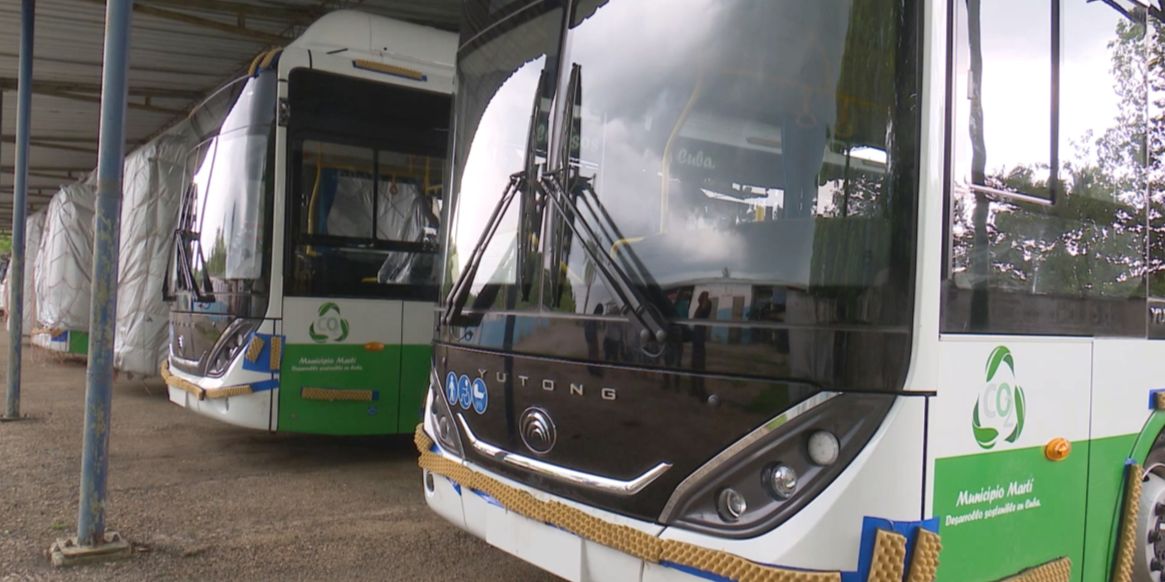
Arequipa, Peru – in the absence of existing fuel in Cuba, the Cuban regime will circulate about five Yutong brand buses, propelled by biomethane or refined biogas, in the Martí de Matanzas municipality.
A TV Officer Tumurí report indicates that the initiative is part of the global action project for climate change in the municipality and is justified in seeking “a sustainable development model neutral coal”. The project consists of 33 million pesos, of them five are euros.
“They will be (the buses) from all popular councils and we also have designed routes that will be serving based on the proximity where we have hospitals such as in Columbus, Cárdenas and Matanzas,” said Geovanny Castanedo Larena, mayor of the municipality.
Sobeida María Reyes Martínez, coordinator of the Global Action Project, offered more details about its characteristics and objectives.
According to the directive, the first objective is the cleaning of the biogas to turn it into biomethane, to be able to compress it and then take it to public transport.
Biogas is a renewable energy that is obtained from organic waste and is used to produce electricity, heat or biofuel. In this case, the resource will involve an alternative for the nearly 22,000 inhabitants of the Martí municipality, before the serious energy crisis facing the island.
The pig units of the territory generate gas from the installation of membrane type biodigesters. Then they refine it in a plant that is currently in the process of assembly, explains Reye Martínez.
“On July 30 we planned to finish the civil construction, we already have 14 kilometers of underground pipe that is the gas pipeline and we are already in the phase of finishing Martí 1 that is the assembly of the upper membrane to be able to have that biogas also that is the entrance to the plant,” adds the directive.
The European Union finances it and implements the United Nations Development Program, UNDP. In Cuba, the actions are directed by the Ministry of Economy and Planning.
As part of the project, the Cuban regime promises to suffer more than 13 kilometers from the main roads of the Matanzan territory.