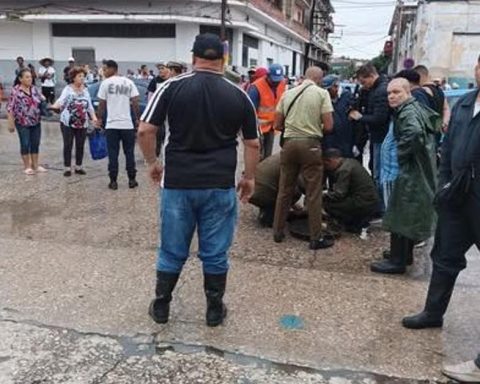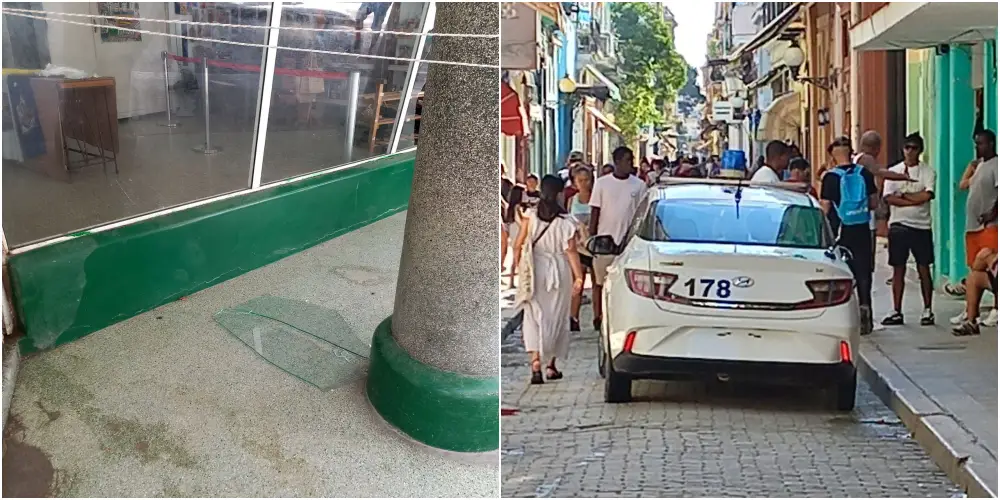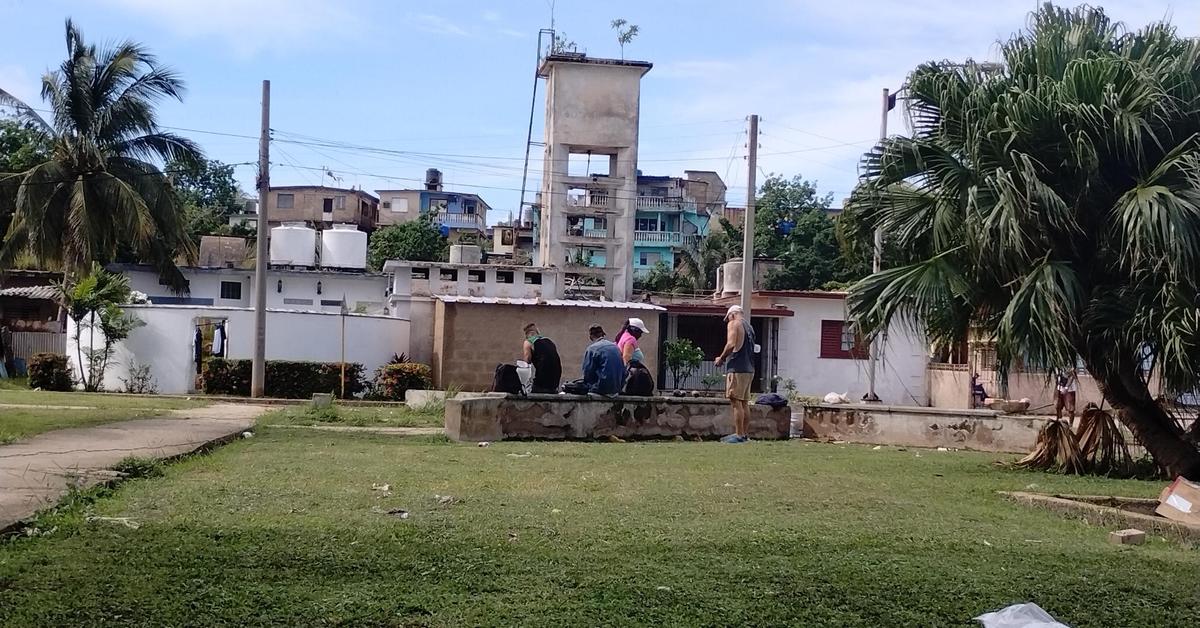
Matanzas/Police officers and state inspectors evicted and imposed fines of 5,000 pesos on several street vendors of agricultural products that operated without license in the vicinity of the building known as 13 plants of the bakeries, in the neighborhood of Peñas Altas, Matanzas. The operation, which occurred last Thursday and included the confiscation of merchandise, has lit the controversy in the community about food shortages, prices and unequal competition between informal trade and authorized vendors.
“Far from bothering myself, these sellers exist, because many offer more affordable prices than the trucks. And if you go late, when they have little left, they make offers at ridiculous prices; once one gave me half a jaba of mangoes,” says Minerva, neighbor of the area, while pointing out the exact point where the improvised places were installed. For her, the presence of these vendors is not a problem of public order, but an escape valve against the lack of options in state placitas.
“And if you go late, when they have little, they make offers”
Not everyone shares their enthusiasm. The Chinese, a licensed street vendor, ensures that unfair competition complicates the day to day. “I have taxes to pay and fight against the decrease of the products, which in summer is worse for heat. It does not bother me that people Luche Their money, but when everything they sell is gain for them, I cannot compete with their prices. My hands of banana donkey are around 180 pesos, but theirs, sometimes larger, sell them in 160 or less. Thus, I have to wait for them to sell them first and then start, or look for a new place to put my car. Everyone fights in their own way, but those sellers without a license put the game difficult. ”
The Altas Peñas area, located at a strategic point near the transport whereabouts to Limonar and other municipalities, has become a natural corridor for informal sale. From fruits and food to cheese, yogurt or smoked meats, improvised vendors usually reach from rural areas where agricultural work is the main – sometimes unique – source of income. The lack of opportunities and the low performance of state markets pushes many to risk, despite the danger of losing the merchandise or receiving considerable fines.
“The only placita supplied in Cuba was the blind of Ávila that came out on the news for July 26”
“You can go to the two nearby placitas on the noon and are already closed,” says a group of neighbors who witnessed the operation. Another ironic: “Although it is true that the prices there are minors, they are almost never supplied. The only placita supplied in Cuba was the blind of Ávila that came out in the news for July 26.” A third one adds, between the laughs and the gestures of indignation of the rest: “It is true that these people were selling without a license, but how many do not help when they collect and the State do nothing for the citizens. They believe that with the fairs of Sundays the chest is cleaned. That is why we shout at the police and those two thief inspectors who came to evict them.”
This Thursday’s operation is not an isolated event. For months, the authorities have intensified controls on street vendor without a license, claiming the need to “guarantee order and combat hoarding.” However, for many residents, this policy does not solve the underlying problem: the lack of a stable and varied offer in official channels.
State markets work intermittently, with empty shelves and reduced schedules
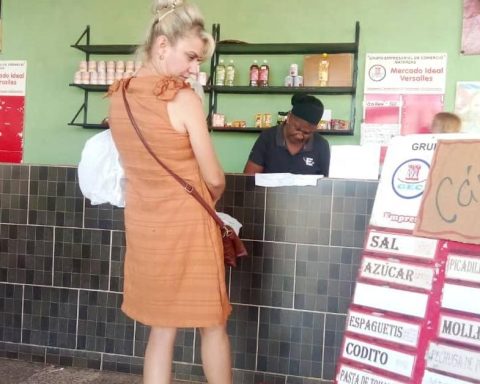
In Matanzas, as in the rest of the country, getting agricultural products at reasonable prices is a daily challenge. State markets work intermittently, with empty shelves and reduced schedules. Prices at authorized points of sale usually exceed what an average family can pay, especially after inflation that followed the task ordering. In that context, informal trade has won a place in the neighborhood economy, offering a lower prices combination and immediate availability that attracts faithful customers.
Tensions between authorities and informal vendors are also reflected in the social climate. While some see in these raids a way to maintain control over trade, others interpret them as a punishment to those who seek to survive in the midst of the crisis. “The lack of food is, together with the low availability of water and electricity, one of the main sources of criticism in the country,” says another neighbor. “It is possible that a group of individuals can reduce the costs of agricultural products, even under the risk of severe fines, while state entities aimed at supplying those needs shine by their absence.”