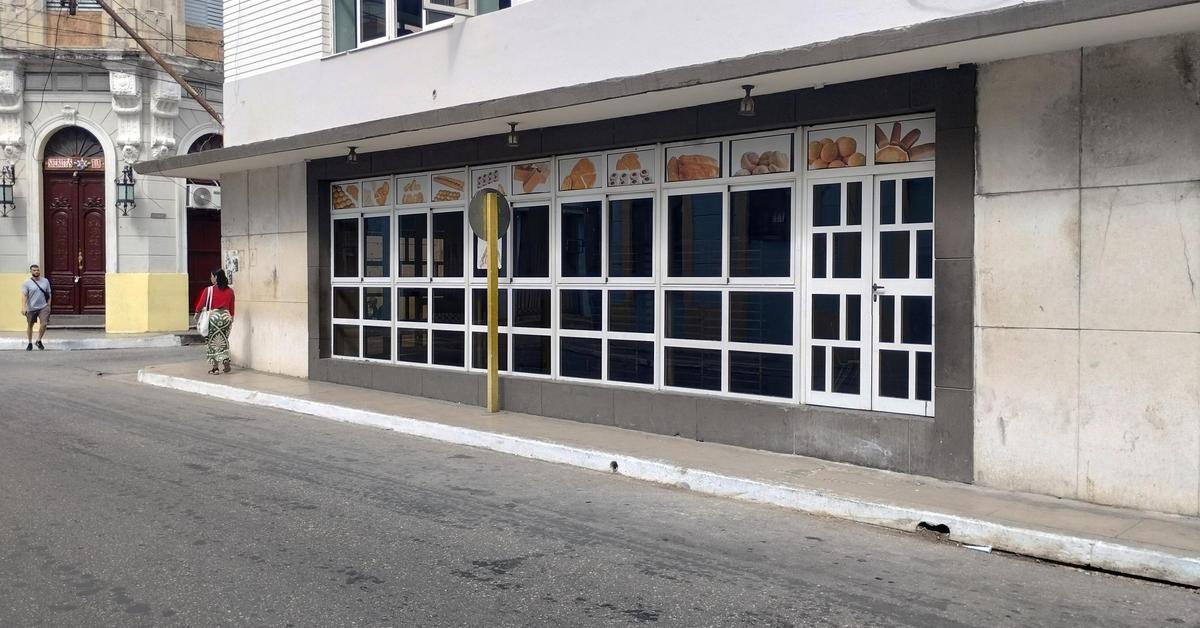
Matanzas/Since last Sunday, the people of Matanzas have been suffering from a shortage of supplies. standardized bread (by the booklet) in the wineries and bakeries of the municipal seat. Nor did the product of the Cuban Bread Chain appear, which for months had functioned as an irregular patch to contain the shortage. Matanzas begins to see how the ovens are turned off and dozens of workers are left in administrative limbo.
The partial or total closure of manufacturing centers has placed numerous bakers in a position of interruptswaiting for decisions that are not clearly communicated and that, in many cases, point to the definitive dismantling of some facilities. In the so-called City of Bridges, bread – scarce, expensive and often of poor quality – continued to be a central element of the daily breakfast. Today, not even that.
Julito worked for more than 20 years at the Peñas Altas bakery. In 2023 he was declared “available” after a staff reduction, a figure that in practice is equivalent to unemployment without real alternatives. His story condenses the decline of a sector that has been in decline for years.
“Before we worked in two 24-hour shifts. Even when we finished early, we made cookies in the morning. Since Covid-19 everything went downhill. Many of our colleagues were left out without a solution,” he tells 14ymedio. Those who remained on staff, he explains, were called to work once or twice a week. “Everyone knows that a baker does not live off his salary. Now they say they are going to dismantle the oven and the stove.”
/ 14ymedio
According to Julito, the standardized bread was made in a bakery of the Cuban Bread Chain because it was the only one with an electric plant. “But they are not even producing there anymore. As far as I know, only the Pastorita bakery will continue making bread for the wineries,” he says.
Until a few days ago, the Chain offered loaf bread at 130 pesos, sliced bread at 270 and round bread at 25. The quality left much to be desired, but for thousands of families it represented the difference between having some breakfast or going to school and work on an empty stomach.
“It was expected that this would happen,” says Alicia, a neighbor of one of the city’s 13-story buildings. He is self-employed and avoids any ideological discourse. “I work, I pay my taxes and I don’t need to know anything else. The only thing I want is a fairly decent life: bread in the warehouse and in the bakery. If a government, whether from the right or the left, cannot guarantee that, it is clearly inefficient.”
Alicia returns to her building with her empty bag. “Now I have to ‘hunt’ a particular baker from the balcony. Today I can, tomorrow I don’t know,” he adds.
The crisis has also hit the private sector. Since this weekend, the supply of bread has decreased and prices have risen abruptly. Street vendors appear less and sell more expensive.
While the ovens are turned off in Matanzas, the official speech tries to convey calm
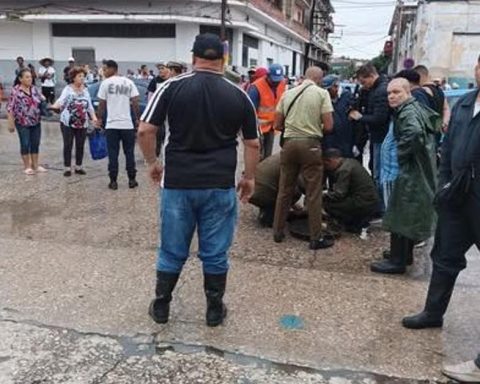
A neighbor on Milanés Street, less than a block from a closed bakery, describes a scene that is repeated in various parts of the city. “Nothing has been moving there for more than a week, only the guards. I have had days without finding bread because not even the street vendors pass by.”
This Monday he managed to buy one two blocks from his house. “It cost 130 and individuals sold it for 180 until recently. Now at 220. Forty pesos more from one day to the next,” he says. At the winery, he says, the response was discouraging: “That I would forget about bread for a long time. That perhaps they would dismantle the premises and that in the entire city there would only be one or two bakeries left for regulated production. Imagine: two bakeries for more than one hundred thousand people.”
While the ovens are turned off in Matanzas, the official speech tries to convey calm. This Thursday, a text from the official media Cubadebate assured that the Molinera Industry SA “continues to work to ensure flour destined for the national market,” although it recognized “logistical and financial complexities” that affect distribution.
In Matanzas, on the other hand, there is not enough flour or bread and there is no clear information for either the population or the workers in the sector. What there is are closed centers and suspended salaries. For many people from Matanzas, our “daily bread” begins to become a memory of when scarcity did not yet encompass everything.