The Cuban intellectual Juan Antonio Blanco responds in an analysis published by the Cuba Ideas Laboratory 21st century.
Miami, United States. – The 21st Century Ideas Laboratory argues that the Cuban diaspora can promote the reconstruction of the country through “knowledge remittances” – transference of civic networks, networks and values - and calculates that, with economic freedoms and restored legal certainty, “an investor flow could be expected – not of remittances for consumption as it is now – of more than 20,000 million dollars in the first three to five years to start of national reconstruction ”.
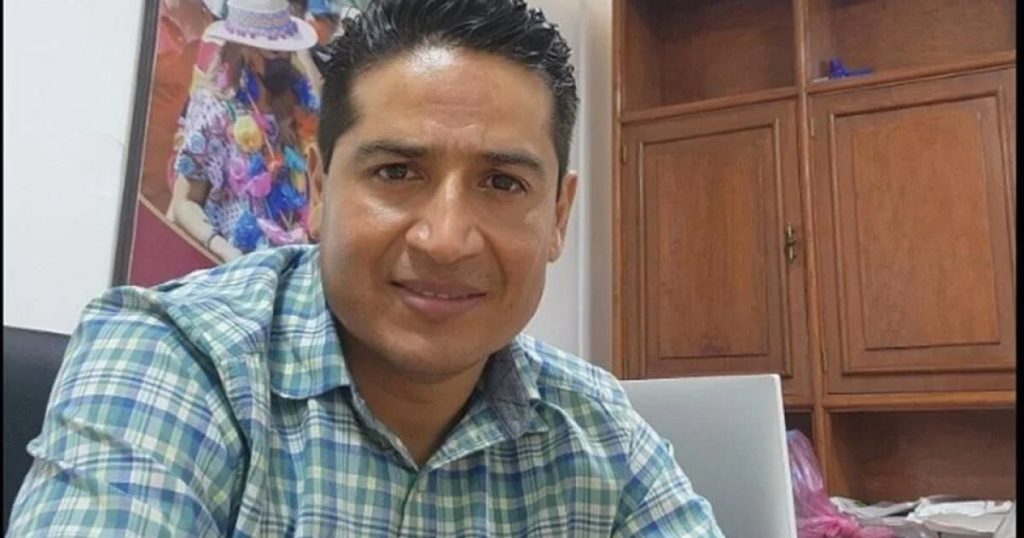
The proposal appears in the article “Cuban talents at freedom: remittances of knowledge for a new Cuba”signed by Juan Antonio Blanco and published on Monday.
According to the analysis, for more than six decades the emigration of professionals and creators has been a loss for Cuba and a gain for host countries. The text summarizes it as follows: “It was not a ‘Brain theft’he was a criminal ‘waste of talents’ by eradicating the freedoms that would have allowed them to flourish in the country in which they were born. ”
Blanco takes up the notion of “knowledge remittances” – developed by him in 2013 – to expand the traditional focus on the sending of money. In their words, “knowledge remittances are not measured in dollars or euros, but in knowledge, experiences, values and networks of social contacts that emigrants accumulate in their life trajectories.” He adds that “if, when reaching another country, money serves to survive, human knowledge and relationships serve to rebirth.”
The analysis introduces the series “Cuban talents in freedom”which seeks to show successful trajectories in the diaspora as evidence of potential for future reconstruction: surgeons, businessmen, artists and athletes “that, once free, demonstrated how far they could go.”
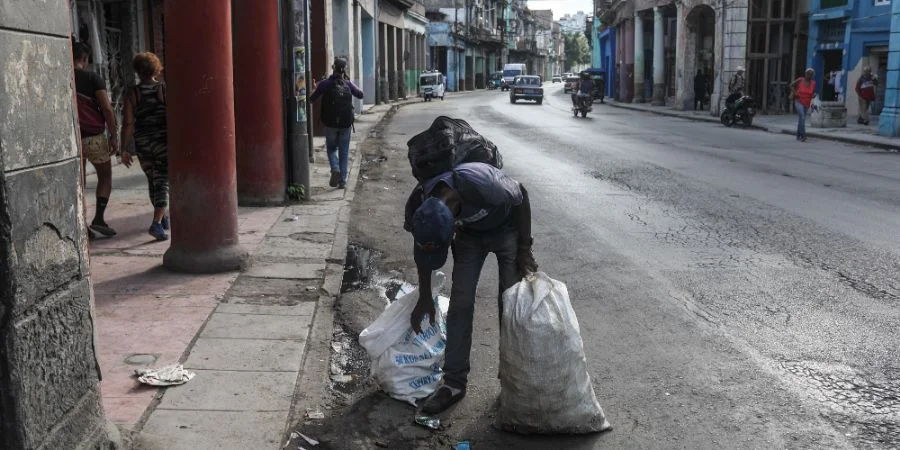
The text argues that the lack of liberties and legal certainty in Cuba prevents converting financial remittances into productive investment. “Financial remittances are therefore condemned to be used for the consumption of their recipients, but not to invest and undertake a personal prosperity project.” In addition, he warns: “What today could undertake with determination and sacrifice can suddenly end a new arbitrary regulation or the personal harassment of an untouchable bureaucrat.”
He also points out that “only those close to power receive that opportunity”, while “the vast majority” does not feel legally protected to capitalize remittances in family or joint businesses with those who contribute capital.
On the time of material reconstruction, the article indicates that a consultation of experts yields “an estimate between five to seven years.” However, he says: “We believe [que] It will actually be between three and five. ”Among the optimism factors he cites the country’s natural resources, the proximity to the US market and“ a diaspora of more than two million people ”, in addition to possible direct investment flows and loans of international organizations.
In the private financial field, the text suggests that each Cuban abroad could explore credit lines backed by savings or properties to invest in the island when there is legal framework and freedoms for the company. From there the projection of “more than $ 20 billion” is detached in the “first three to five years” after a democratic transition.
The analysis emphasizes that reconstruction requires both financial and human and social capital. “Each profile of this series is both a tribute, a warning and a reason to believe in the future.” In a “democratic and open cuba,” he says, emigrants could contribute without physically repatriating, thanks to distance education, advice and remote services. “Telemedicine will allow surgeons as Joseph Lamelas Be present at the operating room of a Cuban hospital and direct an operation to hundreds or thousands of kilometers, ”exemplifies the analysis, which also mentions other successful Cubans such as the singer and songwriter Gloria Estefan and the editor Juan Manuel Salvat.
“That day the remittances of knowledge will become the first engine of the national rebirth. And that will also be the day when stories such as Armando Codina, Irina Vilariño, Oriol Specht, Yoel Sardiñas and many others cease to be stories of exile to become seeds of a shared future,” he concludes.