An 18-month-old baby was on the verge of death after being detained by United States immigration authorities, hospitalized for severe respiratory failure and later returned to a detention center in Texas, where she was denied medication prescribed by doctors, according to a federal lawsuit.
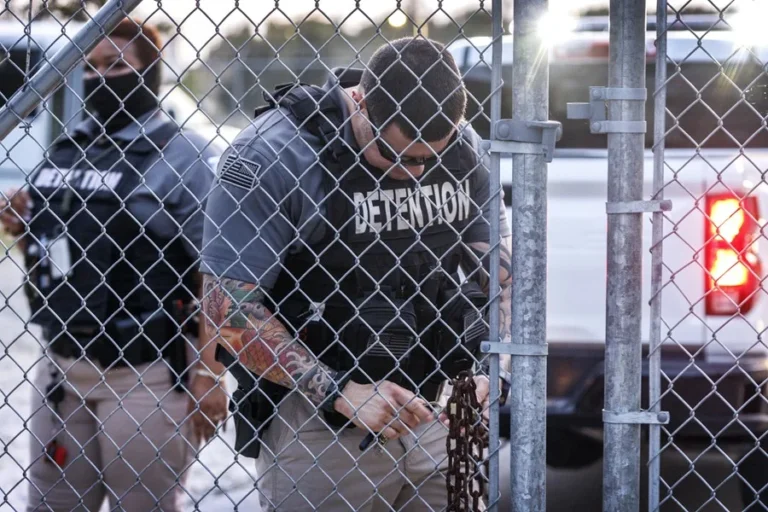
The minor, identified as Amalia, was arrested along with her parents on December 11, during an operation by the Immigration and Customs Enforcement Service (ICE) in El Paso, and transferred to the Dilley Immigration Processing Center, in South Texas, a remote prison-like facility where hundreds of migrant families remain in custody, recently declared quarantined due to a measles outbreak and whose unsanitary conditions have been repeatedly denounced by activists.
According to court documents cited by US media, the girl was in good health before her arrest. However, her condition began to deteriorate rapidly at the center, where she developed extreme fever, vomiting, diarrhea, and severe breathing difficulties, while her parents repeatedly took her to the facility’s clinic without receiving adequate care.
The situation worsened until, on January 18, Amalia was urgently transferred to a children’s hospital in San Antonio, where she was diagnosed with pneumonia, Covid-19, respiratory syncytial virus (RSV), viral bronchitis and severe respiratory failure. He required oxygen and intensive care for ten days. “I was on the brink of death,” said Elora Mukherjee, a law professor at Columbia University and director of the Immigrant Rights Clinic, who filed the emergency habeas corpus petition.
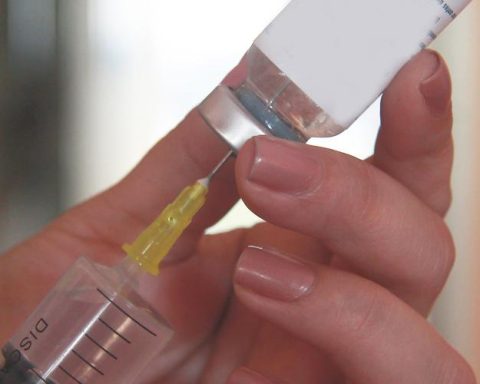
After being discharged on January 28, doctors warned that the baby remained highly vulnerable from a medical point of view and prescribed daily respiratory treatments with a nebulizer, medications such as albuterol and nutritional supplements to regain the lost weight. However, ICE returned the girl and her mother to the Dilley center, despite the aforementioned measles outbreak.
According to the lawsuit, center staff confiscated medications and medical equipment, forcing the family to wait for hours in outdoor lines to request them, without being allowed to administer the indicated treatment. Medical specialists warned the court that the lack of continued access to medication placed the baby at extreme risk of medical decompensation and death.
Only after lawyers filed an emergency court appeal were Amalia and her family finally released on Friday, nine days after returning to detention. Mukherjee reported that, even after the release, ICE had not yet delivered all the prescriptions or the minor’s birth certificate. “Baby Amalia should never have been detained. She almost died in Dilley,” he said.
The girl’s parents, Kheilin Valero Marcano and Stiven Arrieta Prieto, entered the United States in 2024, from Venezuela and requested asylum for themselves and their daughter, born in Mexico during the migratory journey.
Human rights organizations and pediatric experts have repeatedly warned that conditions in family detention centers like Dilley are dangerous for young children, and have denounced the lack of adequate access to drinking water, food, medical care and education, within the framework of a heavy-handed immigration policy promoted by President Donald Trump’s Administration.