The resolution approved by the IACHR orders the Cuban State to protect the life, personal integrity and health of the political prisoner.
MIAMI, United States. – The Inter-American Commission on Human Rights (IACHR) granted precautionary measures in favor of the 11J protester Juan Enrique Pérez Sánchez, concluding that “he is in a situation of seriousness and urgency, since his rights face a risk of irreparable harm.”
The Resolution 71/2025 It was approved this October 4 and orders the Cuban State to protect his life, personal integrity and health, adapt his detention conditions to international standards and guarantee timely health care.
Among the specific orders, the IACHR ordered that the Cuban State “immediately” carry out a comprehensive medical assessment of the beneficiary’s health status and “guarantee adequate health care through the precise definition of medical treatment, timely access to the required medications and the medical information that is produced.”
The IACHR, which had requested information from the Cuban State on September 10, indicated that the deadline granted had expired and it had not received a response. The lack of response prevented the Commission from “knowing about measures actually adopted by the State to mitigate the alleged risk situation.”
Who is the beneficiary?
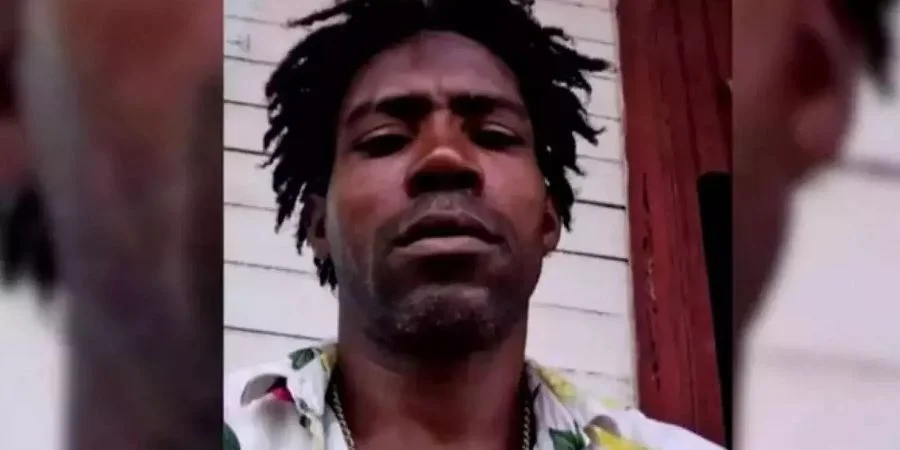
According to the resolution, Pérez Sánchez is a telephone technician in the town of Vegas (municipality of La Paz, Mayabeque). participated in the demonstrations of July 11, 2021was arrested the next day and, after a judicial process, was sentenced to eight years in prison for the crimes of public disorder, contempt and sabotage. His sentence was confirmed in June 2022.
The IACHR examined a recent deterioration in his health, the alleged lack of treatment and “the actions of state agents that combined retaliation against him and the refusal to provide him with timely medical care.” The file includes episodes of isolation, beatings and restriction of visits; It is even reported that, in 2024, the beneficiary “stitched his mouth shut with wire” during a hunger strike after his medications were withdrawn as punishment.
In 2025, Pérez Sánchez would have faced a persistent febrile syndrome for more than 40 days without diagnosis or access to medication. The political prisoner suffers from bronchial asthma and high blood pressure and, during his confinement, he suffered from facial paralysis and a possible case of tuberculosis, in addition to malnutrition, dehydration, fainting and “resuscitation episodes”, without demonstrating effective medical care.
“Juan Enrique is fighting for his life with a very high fever that nothing will go away,” says the letter from an inmate cited by the IACHR. Pérez Sánchez himself reported in another letter received that month: “(…) At this moment I cannot take my head off the quilt due to the high and constant feverish temperatures with which I have been battling since June 27 to date.”
On August 4, he was transferred to the National Hospital of Penados (Combinado del Este). A day later he informed his family that he had been diagnosed with tuberculosis, a diagnosis that – according to the request – was not officially confirmed by health authorities.
The IACHR evaluated testimonies from family members, a prisoner and a nursing professional who reported dehydration and malnutrition.
To qualify the severity, the Commission weighed both the unattended illness and “a continuous pattern of violence, retaliation, isolation, and lack of communication.” Regarding urgency, he stressed that there is no evidence of immediate attention that will reverse the deterioration, which “reinforces the imminence of the risk.” And regarding irreparability, he recalled that the rights to life, integrity and health represent “the maximum situation of irreparability.”
The document also cites the broader context about Cuba collected by the IACHR itself: persistence of restrictions on assembly and expression since 2021 and at least 543 people deprived of liberty for their participation in protests, with complaints of trials without due guarantees.
The IACHR clarified that the granting of precautionary measures “does not constitute a prejudgment” on possible violations of rights that may be examined in the Petitions and Cases System. The resolution was approved by the seven members of the Commission on October 4.