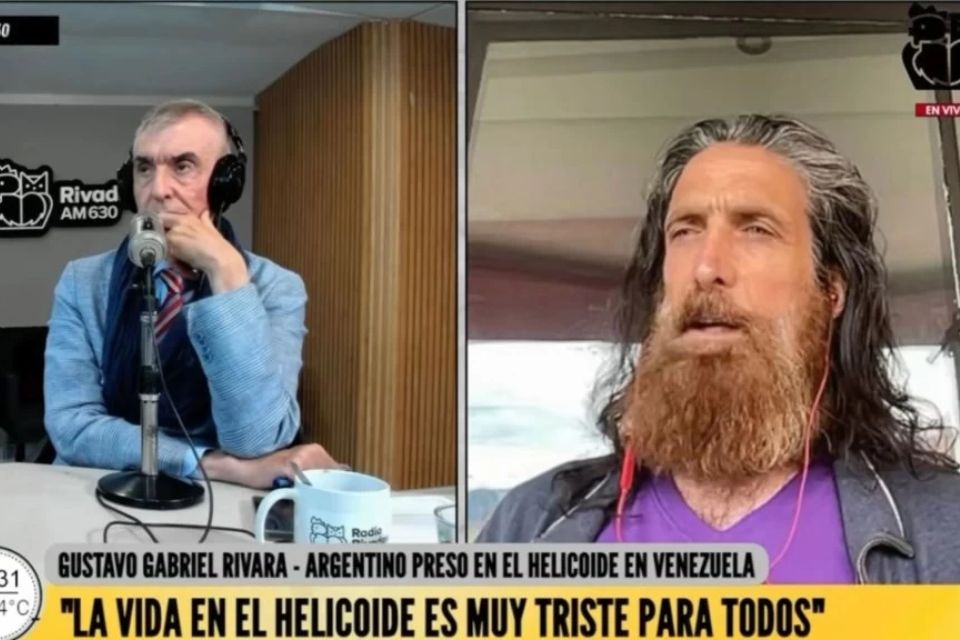
The Argentine Gustavo Gabriel Rivara described the Sebin Helicoide as “an underground bunker, without natural light, with constant surveillance and poor hygiene conditions”, where in addition “we are filmed all the time, even in the bathrooms. They don’t let you sleep. They take roll at dawn. “I have eye problems from dirt.”
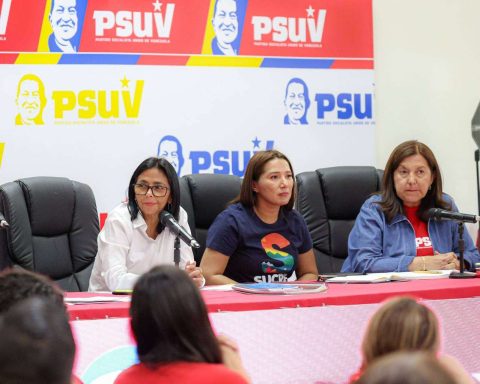
The Argentine citizen Gustavo Gabriel Rivara recounted the conditions of confinement that he experienced for 10 months at the headquarters of Sebin Helicoide, called a torture center by international organizations and that Chavismo has promised to close, as part of the “new political moment” that Delcy Rodríguez proclaims after the capture of Nicolás Maduro.
“I thought I was going to die in prison,” Rivara told Argentine radio Rivadavia AM 630.
The Argentine was arbitrarily arrested at a bus station in the city of Barinas when he was trying to return to Colombia. On January 19, he was released along with a group of political prisoners.
He explained that he came to the country with the intention of observing the political situation and accompanying a democratic transition. «I didn’t know anyone, I went on my own. I filmed some videos and showed what I saw. “People were afraid to go out.”
*Read also: They denounce denial of medical care to political prisoners on hunger strike in Zone 7
Regarding the reasons for his arrest, he said that “you don’t need reasons to put you in prison in Venezuela. “All the foreigners they caught were presented to Sebin and were used as bargaining chips.”
“We are being filmed all the time, even in the bathrooms. They don’t let you sleep. They take roll call at dawn. I have eye problems because of the dirt,” he said.
Rivara described the Helicoide as “an underground bunker, without natural light, with constant surveillance and poor hygiene conditions,” where in addition “we are filmed all the time, even in the bathrooms. They don’t let you sleep. They take roll at dawn. “I have eye problems because of the dirt.”
In that place, he said, “I was afraid of madness. Fear of being forgotten and staying there for many years. (…) They arrested me just for being Argentine.
He assured that he spent four months incommunicado and that 10 months after his arrest he was presented before a judge. «They accused me of treason. “I am Argentine,” he stressed.
Rivara said that he did not believe he was going to be released from prison on January 19. «I thought they were going to transfer me. I didn’t think it was going to come out. “I couldn’t see myself leaving,” he expressed excitedly about the moment. Likewise, he denounced that there are many “innocent” prisoners and that they remain for years without judicial process. “There are people detained for five, seven years without conviction.”
*Journalism in Venezuela is carried out in a hostile environment for the press with dozens of legal instruments in place to punish the word, especially the laws “against hate”, “against fascism” and “against the blockade.” This content was written taking into consideration the threats and limits that, consequently, have been imposed on the dissemination of information from within the country.
Post Views: 365