MIAMI, United States. – The human rights panorama in Cuba during 2025 was marked by a combination of systematic political repression, an aggravated economic crisis that affected access to food and medicine, and a migratory exodus that has already displaced a tenth of the national population, according to the World Report 2026 from Human Rights Watch (HRW).
On the other hand, the organization expressed concern about the loss of at least 10% of the country in recent years.
The report highlights that Cubans suffered up to five national blackouts between October 2024 and September 2025, with electricity outages that reached 20 hours a day in some regions, and regrets the food precariousness.
HRW cites a survey by the Cuban Observatory for Human Rights that indicates that “seven out of ten Cubans skip daily meals” and more than half have extreme difficulties acquiring essential products. In the health field, the report highlights that the situation is not better: by July 2025, only 30% of essential medicines were available in the country.
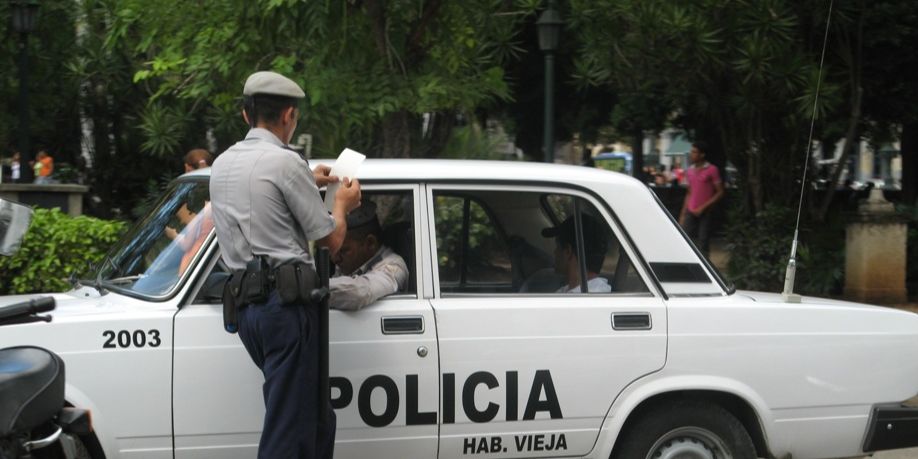
Despite the announcement of the release of 553 detainees in January 2025, the repressive machinery did not stop. HRW reports that, according to the NGO Cubalex, at least 203 people were arbitrarily detained between January and June 2025 alone in state surveillance operations.
The report is emphatic in pointing out that “the Government continues to repress and punish dissent and public criticism.” At the end of October 2025, the Prisoners Defenders organization counted nearly 700 political prisoners on the island. Among them, emblematic figures remain such as the musician Maykel Castillo Pérez (Maykel Osorbo), the artivist Luis Manuel Otero Alcántara and the opposition leader Felix Navarro.
An unprecedented phenomenon in 2025 was the social response to the increase in connectivity costs. In May, state monopoly ETECSA dramatically increased internet prices, prompting public statements from students and calls for university strikes, a rare occurrence in state-controlled institutions.
According to the Justicia 11J platform, these price increases caused 46 protests in the month of June alone, the highest number caused by a specific event in the entire year.
On the diplomatic level, 2025 was a year of sharp turns. The report details that, after being removed by the Biden Administration from the list of State sponsors of terrorism in January, Cuba was “reinstated on the list six days later” by the Trump Administration.
HRW also mentions that the US embargo continues to be used by the island’s authorities as a “pretext to commit abuses”, while the European Union maintains its policy of “critical but constructive relations.”
The chapter dedicated to prisons denounces that authorities repeatedly deny medical care to inmates and subject them to overcrowding and unsanitary conditions. Citing testimonies from protesters from the historic July 2021 protests (of whom 359 remain in prison), the report reveals the use of “prolonged isolation and stress positions to punish them.” In addition, deaths in custody attributed to negligence and lack of medical care on the part of the State continue to be documented.