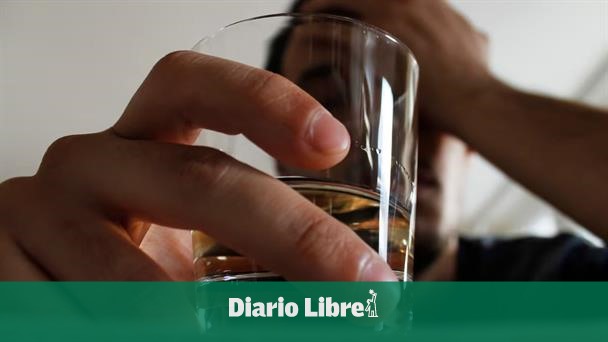
In the midst of the Christmas celebrations, the Ministry of Industry, Commerce and MSMEs (MICM) reinforced its Campaign preventive to avoid the consumption of adulterated alcoholic beverages, a risk that has historically claimed lives in the country.
Since 2021, the Dominican Republic maintains a registry of zero deaths associated with this type of alcohola goal that authorities seek to preserve with clear information and verification at the point of purchase.
The strategy combines operations against trade illicit with direct orientation to consumers, under the premise that prevention begins before the first sip.
Why is it dangerous adulterated alcohol?
- It is produced without health controls
- May contain toxic substances
- Causes severe poisoning, irreversible damage and death
- It is not always detectable with the naked eye
Five keys to identifying adulterated drinks (and taking care of yourself)
- Buy only in formal stores: supermarkets, liquor stores and established grocery stores
- Avoid street vendors or improvised points
- Check cap and seal
- They must be intact, with no signs of opening, gluing or tampering.
- Verify label and tax stamp
- Readable information, without errors or overlaps
- Use the Revísame app from the General Directorate of Internal Taxes (DGII) to confirm authenticity and traceability
- Look at the content
- Particles, sediment, unusual color or odor are warning signs. If something doesn’t fit, don’t consume
- Be wary of prices that are too low
- It’s not a bargain: it’s usually a sign of adulteration
The central message
- Zero deaths is a collective achievement
- Check before consuming saves lives
- Reporting illicit trade protects everyone
The MICM recalled that keeping this statistic at zero depends on both the action of the State and responsible decisions by consumers. At these holidays, the safest toast is the one that begins by checking the bottle