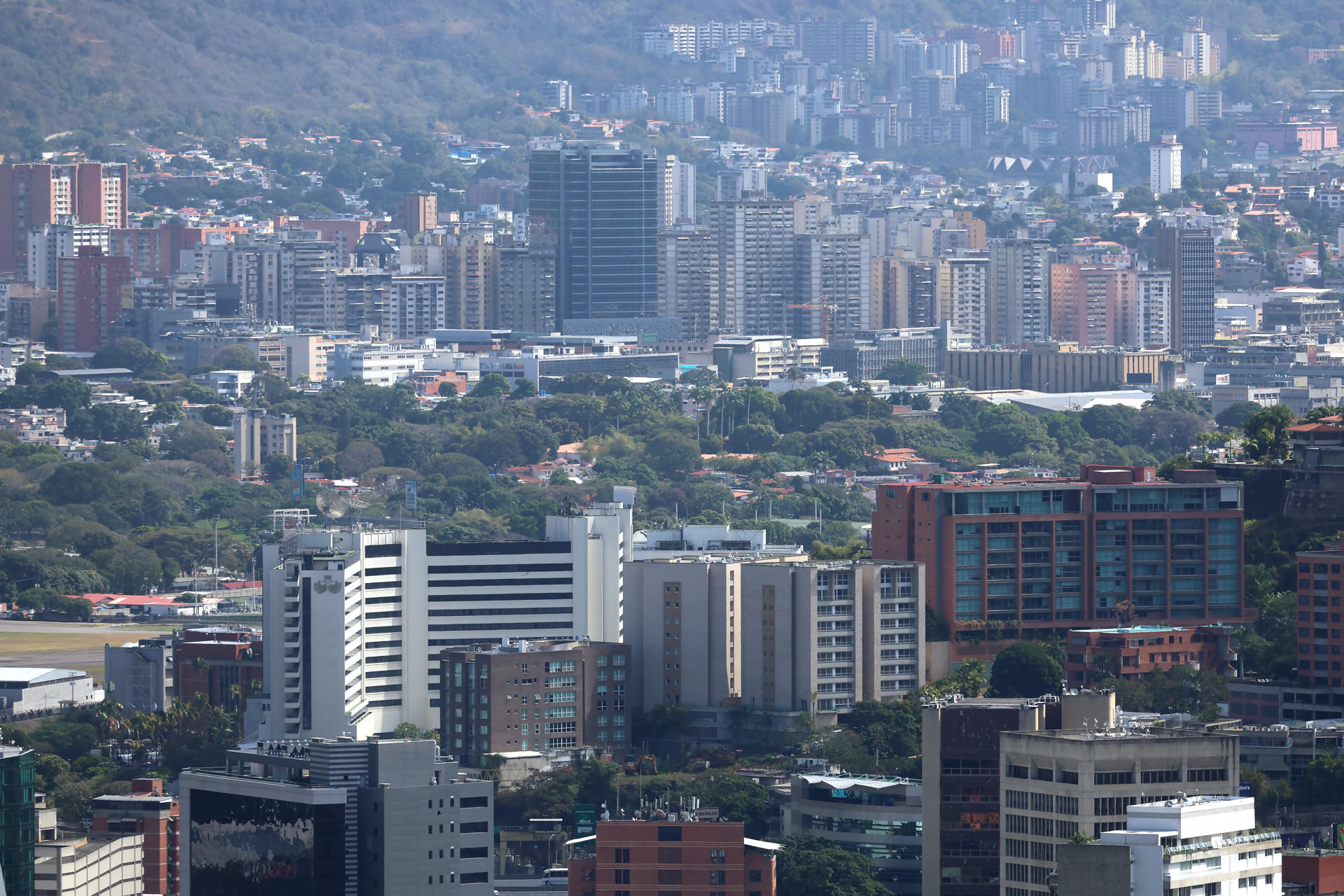
The Venezuelan real estate market begins to register unexpected movements after the capture of the former president Nicolas Maduro by the United States on January 3, and the perception that a period of greater economic and political stability is approaching in the country.
As reported The New York Timesthe expectation of change has generated an increase in inquiries from Venezuelans abroad interested in acquiring properties in the country.
Carlos Peñalver, an electrician who has lived in the United States for four years, decided to invest in a three-bedroom apartment in Puerto Ordaz. “I was lucky”said Peñalver, 26, when he noted that a few days after his purchase the prices had already begun to rise.
Despite the enthusiasm, the real estate agents consulted point out that there has not yet been a sales boom. “What is playing there are the expectations of change”explained Asdrúbal Oliveros, a Venezuelan economist, recalling that many owners have withdrawn their properties from the market until the conditions are clearer.
“Emotional perception”
The growing interest is also linked to reforms in the oil sector, considered the backbone of the Venezuelan economy. Legislators recently approved laws to attract foreign investmentincreasing production and growth expectations. However, foreign companies remain cautious after years of state and political expropriations that affected the legal security of their operations.
Pablo González, president of the Venezuelan Real Estate Chamber, highlighted that the increase in prices has occurred mainly due to the emotional perception of buyers. “People had a purely emotional perception, without a rational basis, that their properties cost more. What could become a reality? I think it can be, but we have to let economic events develop,” he commented.
For years, the market was paralyzed by hyperinflation, the lack of bank credit and the expropriations of large farms, industries and also private homes, which made private property precarious. For those who remained in the country, buying a home remains complicatedespecially given the recent price increase.
Luisa Rojas, an administrator in Valencia, said she wants to move to a more modern apartment, but costs and economic instability prevent her from doing so. In that sense, agents highlight that most of the current demand comes from Venezuelans abroad looking to invest or return, rather than from buyers within the country.
“These processes take time”
In cities like Ciudad Guayana, Diogelis Pocaterra, a real estate agent, indicated that a townhouse that two years ago cost $55,000 is now listed for $85,000. “only due to the fact of Maduro’s arrest”. The situation is repeated in Cumaná, where Adriana Rodríguez reports increases of up to 20% since January, while nearly 80% of the listings have been paused waiting for clearer signals from the market.
Even in tourist regions, such as Margarita Island, about 80% of inquiries come from Venezuelans abroad, although agents warn that the expectation of quick profits has generated frustration among buyers and sellers. “This moment is not giving for those exaggerated increases. These processes take time,” warned Pocaterra.
The situation reflects a market in transition, where the perception of political and economic stability drives interest, but structural restrictions and investor caution limit a true real estate boom.