The scrutiny process could end next week, although the CNE has until December 30 to announce the official results
In the midst of tensions and questions about the transparency of the electoral process carried out in Honduras, this Saturday the National Electoral Council (CNE) will begin a special scrutiny of 2,773 minutes that present inconsistencies and that could tip the balance in the definition of the elected president.
The Central American country held the elections on November 30 with a very close result between two conservative candidates, so it must go to this new count.
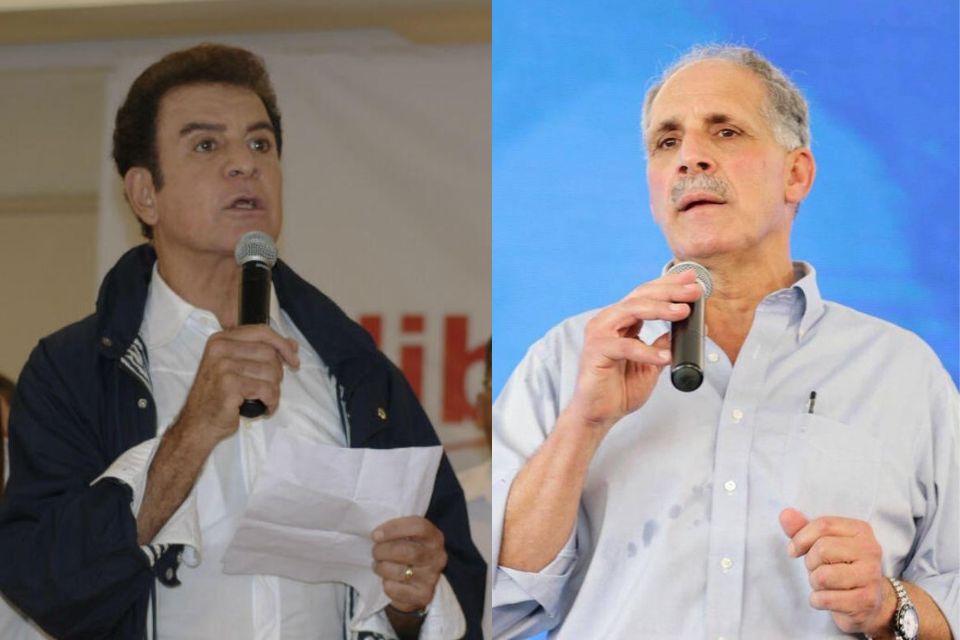
The electoral victory is disputed by Nasry ‘Tito’ Asfura, of the National Party, who leads with 40.52% of the votes and has the support of the president of the United States, Donald Trump, and Salvador Nasralla, of the Liberal Party, who registers 39.20% and questions this result published by the CNE based on 99.40% of the count.
The electoral co-director of the CNE, Lino Tomás Mendoza, said that 2,000 people will begin the scrutiny on Saturday once the validation and extension of credentials processes are completed.
He noted that the special scrutiny will be carried out in the presence of representatives of the five political parties that participated in the general elections on November 30, the CNE, and national and international observers, to guarantee the transparency of the process.
Each political party accredited 400 representatives for this special scrutiny, which will take place in two daily shifts of twelve hours each and will have 150 receiving tables, Mendoza said.
He added that this process could end next week, although the CNE has until December 30 to release the official results.
In Honduras there is no second round of elections and the candidate who obtains the most votes wins.
Hondurans voted to elect a president, three vice presidents, 298 municipal mayors, 128 deputies to the local Parliament and 20 to the Central American Parliament.
With information from the EFE agency
*Journalism in Venezuela is carried out in a hostile environment for the press with dozens of legal instruments in place to punish the word, especially the laws “against hate”, “against fascism” and “against the blockade.” This content was written taking into consideration the threats and limits that, consequently, have been imposed on the dissemination of information from within the country.
Post Views: 214