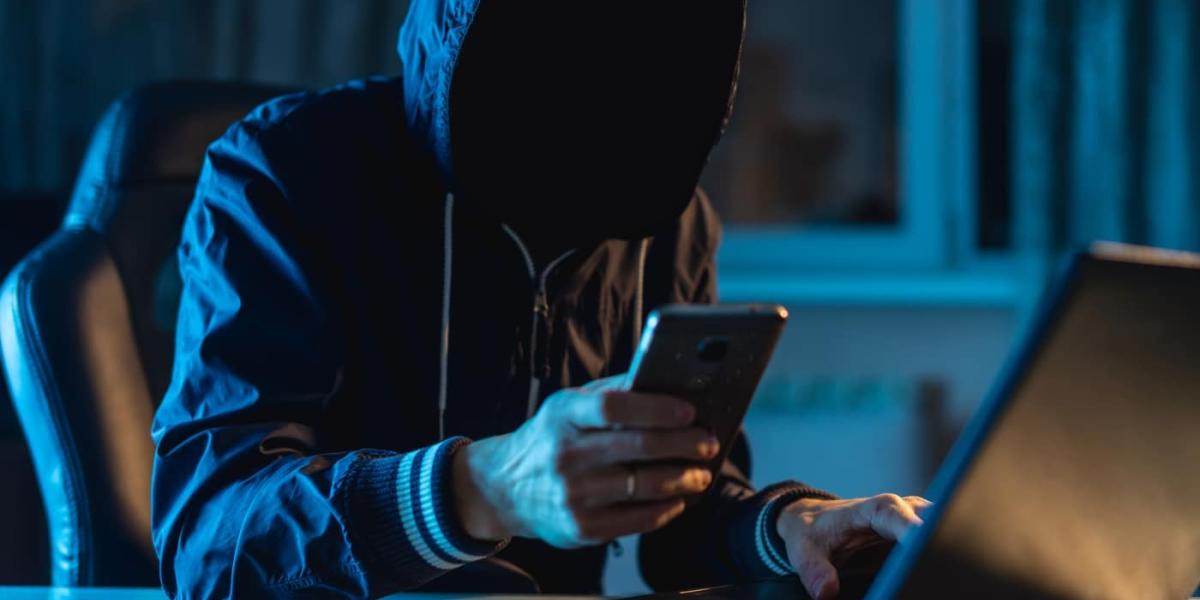
With the arrival of Easter weekMillions of Mexicans prepare to enjoy a few days off, either on beaches, historical cities or international destinations. While travelers plan their itineraries, cybercounts refine their strategies to take advantage of the increase in the demand for transport and lodging reserves
According to a cybersecurity firm report Kasperskydigital frauds intensify during the Holy Week season, since increasingly sophisticated tactics are used to steal personal and financial information.
What is phishing?
One of the most common methods is the Phishingwhere scammers create false websites that mimic legitimate platforms of airlines, hotels or travel agencies. These fraudulent portals, designed with logos and designs almost identical to the originals, deceive users to enter their credentials or bank data.
He Kaspersky digital hangover study It reveals that 13% of Mexicans do not know how to identify a false page, while 8% do not verify whether the URL is safe when making online purchases.
Among the most dangerous strategies are:
- False reserve forms requesting additional information, such as the purpose of the trip or financial details.
- False raffles and promotions, which promise free plane tickets or exclusive discounts in exchange for completing surveys and sharing personal data.
24% of Mexicans admit to provide their information in exchange for discounts, which makes them especially vulnerable to these deceptions, according to the report.
Travelers are not the only ones in the sights. Travel agencies and their employees are also frequent objectives. Cybercriminals send fraudulent messages that simulate being notifications to “manage properties” or update reservations.
When clicking on these links, employees are redirected to false pages where their credentials are stolen, allowing attackers to access customer databases or make fraudulent transactions.
Public wifi
In addition to fraud when acquiring a plane or lodging reserve, during trips, public Wi-Fi networks In airports, hotels or coffee shops are a practical solution to stay connected, but also a latent risk.
Cybercriminals create false networks with names similar to the legitimate to intercept personal data, bank credentials or access to social networks.
A recent case in Australia exemplifies this danger: a criminal created free Wi-Fi networks that They imitated legitimate connectionsredirecting users to false pages where they had to register their email or social media credentials.
Once this data was obtained, the attackers could access more sensitive information, such as private communications or financial data.
To avoid fraud and protect your information, Kaspersky experts recommend:
1. Always verify the URL
Before entering personal or financial data, make sure the web address is legitimate. Check that you do not contain spelling errors or suspicious characters.
2. Suspicious links
Do not click on links sent by email, text messages or social networks, especially if they promote “exclusive” or awards.
3. Use safe payment methods
He prefers credit cards with fraud protection and avoids direct transfers to unknown accounts.
4. Activate two steps authentication
This additional security layer hinders unauthorized access to your accounts.
5. CAUTION WITH PUBLIC WIFI NETWORKS:
- Avoid connecting unless it is necessary.
- Verify the authenticity of the network with the establishment staff.
- Do not enter bank platforms or sensitive services while you are connected.
- Use a VPN (virtual private network) to encrypt your data and sail safely.