Havana/Although the ruling party assures that there is “stable control” in the number of people living with the human immunodeficiency virus (HIV) in Cuba, the figure reported this Monday It now reaches 35,373 cases, after having remained above 31,000 for several years. The figure represents 0.4% of the total population, officially established at 9,748,532, although some demographers estimate that the current number of residents on the Island is 8,025,624.
Jacqueline Sánchez, responsible for the sexually transmitted infection control strategy of the Ministry of Public Health, highlighted the reduction of new HIV infections and deaths from AIDS as positive data. The number of people diagnosed with the virus decreased this year, with 1,708 being counted from January to November, 14.5% less than last year, while deaths linked to AIDS dropped to 114, which represents a reduction of 39%. Compared to the data reported in the Health Yearbook 2024293 people (251 men and 42 women) died from AIDS in 2023 and 381 (303 men and 78 women) in 2024.
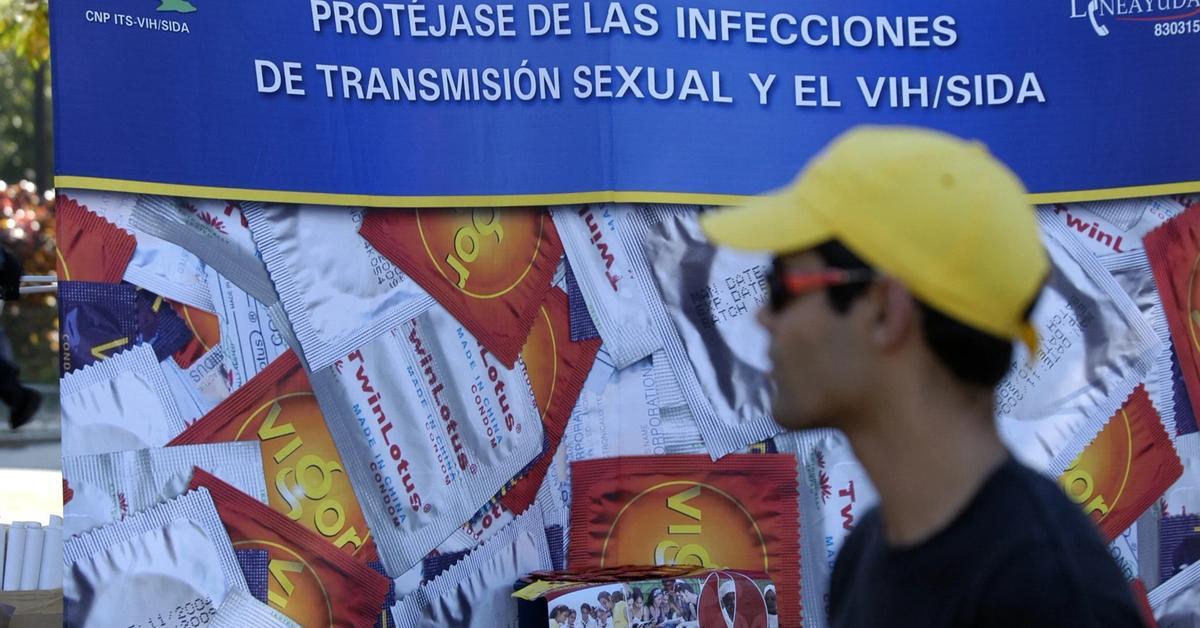
The official assures that the decline is the result of the “political will of the Cuban State” and the strategies deployed by the National Health System, which “prioritizes universal access to antiretroviral treatment and the strengthening of preventive work,” in a country where, since 2019, there have been condom shortagewhich has caused an uptick in sexual infections and abortions.
The National Health System, which “prioritizes universal access to antiretroviral treatment and the strengthening of preventive work”
According to the official, the country aims to achieve and sustain 95% coverage in diagnosis and treatment, as well as expand prophylaxis (a method that reduces the probability of HIV infection by more than 90% through taking antiretroviral medications). Another priority is to reduce inequalities and eliminate social stigma on carriers.
Among these, women trans have one of the highest prevalence rates of the human immunodeficiency virus in all of Latin America, something that was already recorded by a published study last August by Onei. According to the HIV, syphilis, HBV, HCV Seroprevalence Surveythe first published in the country, indicates that 54.9% of transsexual women in the capital have HIV, a figure much higher than the median in Latin America, which is 22.1%.
As for homosexuals, the prevalence of HIV is 37.9% for residents of that group in Havana. The survey estimates that some 1,443 transsexual women and some 29,104 homosexuals live in the capital.
Globally, the so-called key populations with HIV (trans women, homosexuals, sex workers, intravenous drug users and people deprived of their liberty) represent less than 5% of the population, but account for 70% of new infections.
According to the World Health Organization, around the world there are around 40.8 million people with the virus, which is 27% more than in 2010. 1.3 million new cases are reported annually and around 630,000 people die from causes related to AIDS. However, those numbers reflect a decline: 40% fewer new infections annually compared to 2010, and a 54% reduction in mortality.
The advances are largely due to the fact that, since the first cases of HIV in 1981, scientists have not stopped looking for ways to stop the development of AIDS.
In the second study, stem cell transplants were performed on patients with cancer and HIV and sustained remission of AIDS was reported.
In this regard, this Monday, World AIDS Day, the magazine Nature published three new studies.
The first, led by the University of California in San Francisco, shows that it is possible to control HIV without antiviral treatment, and they have worked with a combination of experimental immunotherapy agents.
In the second study, stem cell transplants were performed in patients with cancer and HIV and a sustained remission of AIDS was reported in a 60-year-old German man, the seventh case reported to date with this method.
Finally, the Ragon Institute (a joint Harvard-MIT center) identified similar characteristics of T cells (a part of the immune system) in individuals who exhibited viral control in previously reported clinical trials of interventions to induce HIV-1 remission.