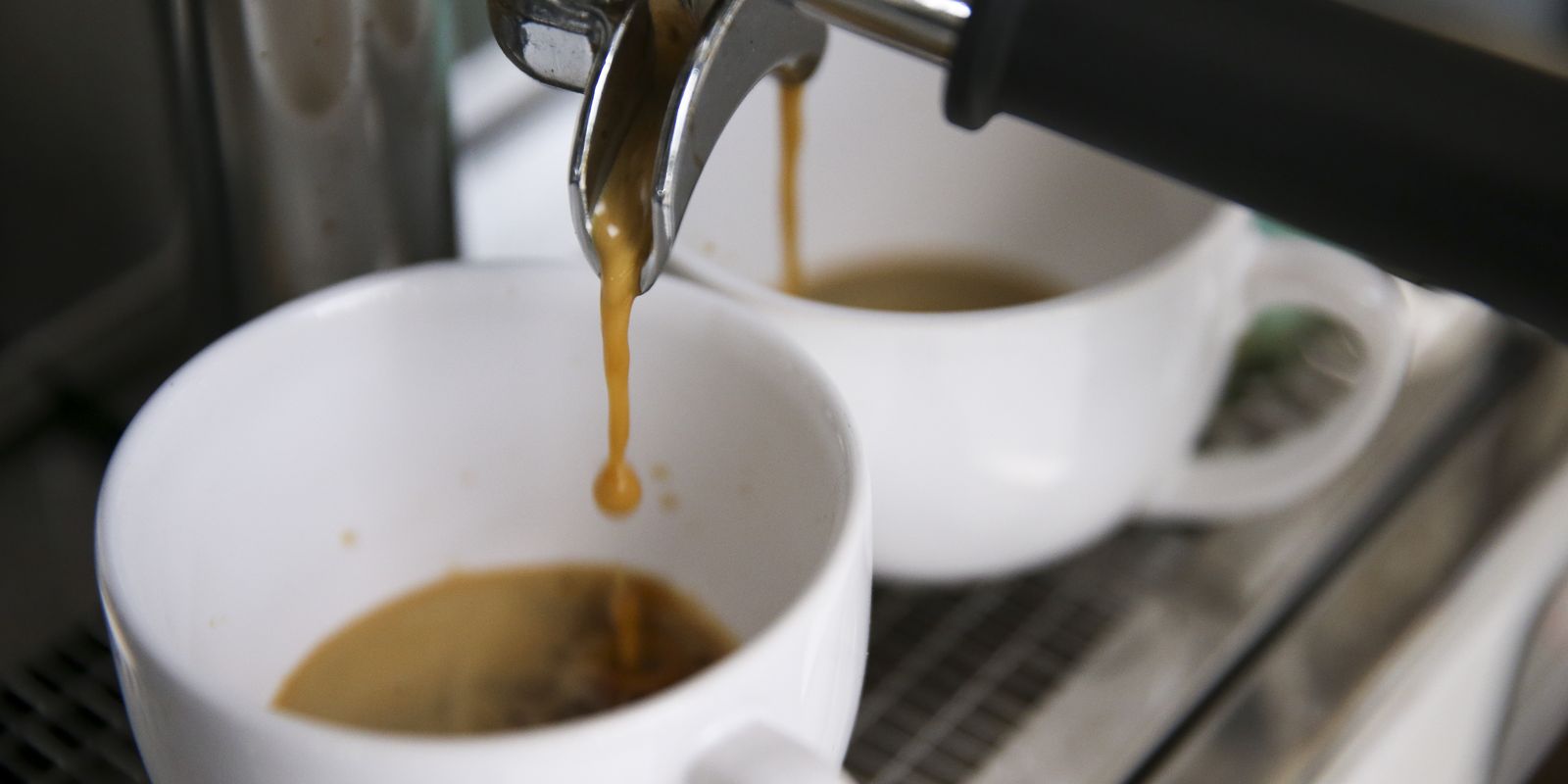
The rise in coffee prices in recent years ended up causing consumption of the product in the Brazilian market to fall last year. According to data released this Thursday (29) by the Brazilian Coffee Industry Association (Abic), consumption of the drink fell 2.31% between the months of November 2024 and October 2025 compared to the same previous period, going from 21.9 million 60 kg bags in 2024 to 21.4 million last year. The record was achieved in 2017, when domestic consumption reached 22 million bags.
As for prices, the increase was 5.8% for the consumer, a result of the volatility of previous years. In the last five years, Abic reported, raw material increased by 201% in the conilon species and 212% in Arabica. In retail, coffee increased by 116%.
According to Pavel Cardoso, president of Abic, the price increase in 2025 is the result of problems faced in recent years with bad harvests, due to the weather, and low stocks.
“Since 2021 there has been a mismatch in this global supply and demand chain. In 2021 we had successive climate problems, bringing frustration with the size of the harvest”, he explained in an interview this Thursday afternoon, in the capital of São Paulo.
>> Follow the channel Brazil Agency on WhatsApp
Despite this drop in consumption, Pavel sees the result obtained last year as positive. “We have had this rise in raw material prices since 2021 and Brazilian consumption has continued well in all these years, unequivocally demonstrating how resilient coffee is for Brazilians. Brazilians do not give up coffee.”
Also according to Pavel, “even with this slight reduction of 2.31%, we report this as positive news, given the history of the last five years, where we faced impressive increases, above 200% for raw materials and above 116% for consumption”.
Even with this drop, Brazil remains in second place as the most coffee-consuming country in the world, behind only the United States. And when considering per capita consumption, Brazil surpasses the United States, with each Brazilian consuming, on average, 1,400 cups of coffee per year.

For this year 2026, Abic’s expectation is that there will not be a significant drop in the price of coffee
Expectations
The drop in Brazilian domestic consumption did not mean losses for the industry’s revenue, which grew 25.6% in 2025, totaling R$46.24 billion. According to Abic, this growth in revenue was mainly the result of the increase in the price of coffee on the shelves.
For this year 2026, Abic’s expectation is that there will not be a significant drop in the price of coffee, but a more stable environment due to the arrival of a harvest that should be very good. The price of the product to consumers is only expected to start falling in two harvests, as stocks are still low around the world. While this doesn’t happen, Abic is betting on promotions to attract consumers.
“Global stocks in producing countries for consumers are historically low. So when this harvest arrives [com expectativa de boa florada]if it actually gives the number expected and with some comfort, we will have less volatility [nos preços]”, assesses Pavel.
“Our reading is that, even if there is a cooling down in volatility, we do not have much room for substantial reductions [no preço do produto] because stocks are historically low. The understanding of some market operators is that we will need at least two harvests for us to achieve this reduction [de preço] in a more comfortable proportion for the consumer”, he said.
Tariff
According to the president of Abic, the entire coffee chain is still struggling to reduce the tariffs that were applied by the United States government to instant coffee. Although the US government suspended, in November last year, the 40% tariff on coffee beansinstant coffee was left aside and continues to be taxed.

President of the Brazilian Coffee Industry Association, Pavel Cardoso, says that signing of the agreement between Mercosur and the European Union brings positive prospects for the sector – Photo: Valter Campanato/Agência Brasil
Pavel said that this taxation on soluble coffee remains under discussion and the chain’s expectation is that this measure will be reversed in a few months.
The president of Abic assesses that the signing of the agreement between Mercosur and the European Union brings positive prospects for the sector. “Brazil is by far the largest coffee producer in the world, with 40% of what the world produces leaving this country. The opportunity of the new agreement between the European Union and Mercosur brings great and positive challenges for the Brazilian industry”, he reinforced.