A weakened almost stationary front and the influence of an anticyclone from the United States continued to cause significant rains in areas of northern Cuba during the last 24 hours, with significant accumulations in localities in the center of the country.
During the day on Monday and early this Tuesday, persistent showers and rains were recorded in much of the northern coast of Cuba, associated with the combination of an almost stationary front located over the Straits of Florida and a migratory anticyclonic center located on the east coast of the United States, indicates the most recent report from the Institute of Meteorology (Insmet) in Facebook.
This situation, adds Insmet, generated winds from the northeast that favored the dragging of low clouds towards the national territory, according to reports from the country’s meteorological stations.
The largest accumulated were concentrated in the central region. In the town of Ceibabo, Yaguajay municipality, Sancti Spíritus province, 226 millimeters of rain were reported during the early morning hours, the most relevant record of the event.
Other important measurements included 82.2 millimeters in Sagua la Grande, Villa Clara, and 59.0 millimeters in Varadero, Matanzas, the report adds.
The most recent meteorological images show abundant cloudiness over the western and central regions of the country, corresponding to the atmospheric pattern described.
Floods, landslides and evacuees due to heavy rains in Villa Clara
Meanwhile, meteorological authorities report that these conditions will continue for the rest of the day, with few variations.
Floods in Villa Clara
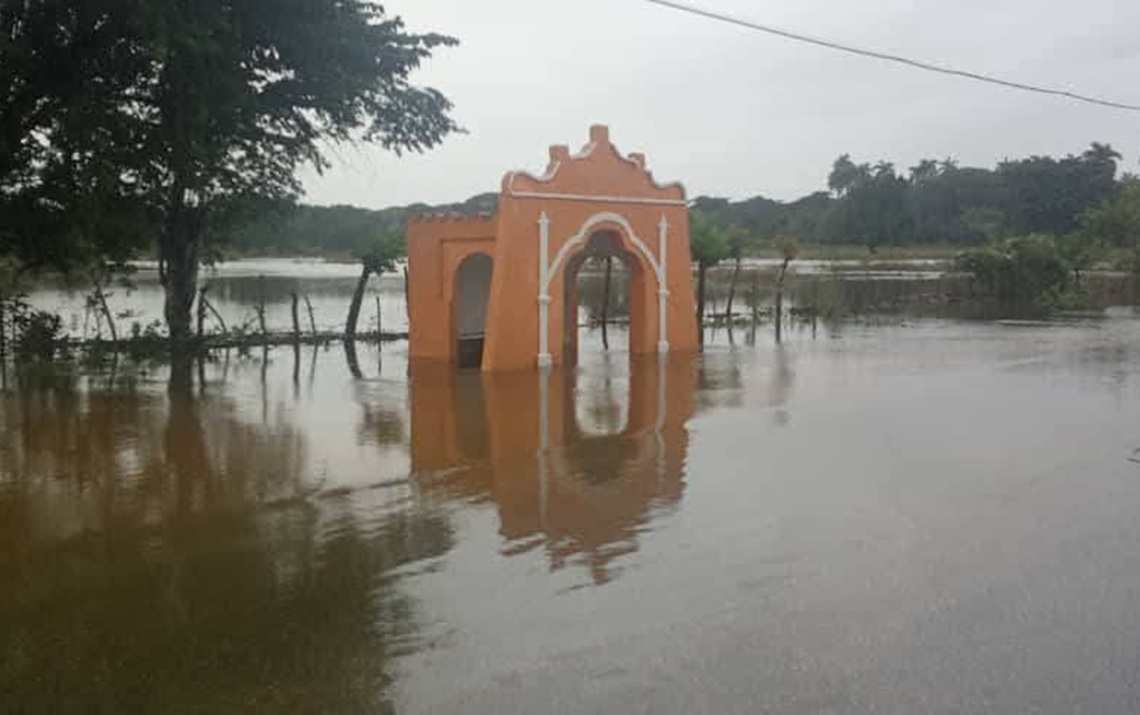
In the north of the province of Villa Clara, torrential rains were reported, with the Camaco and Bartolomé rivers overflowing, flooding communities in the Remedios municipality and leaving several towns partially isolated, according to a report from the Cuban News Agency.
The greatest damage is concentrated in the San Salvador popular council, where towns such as El Cordón Corcho, Finca Silvia and Las Cabillas were under water.
The Camaco River, which is usually dry, overflowed unusually during the night, while the Remedios-Zulueta road was also compromised by the flooding of a stream.
The authorities tell the media that damages are now being assessed and food is being supplied through alternative routes, prioritizing vulnerable people.
Amaury Machado Montes de Oca, head of the Provincial Meteorological Center, warned that intense rainfall will continue until Wednesday afternoon, with the risk of being locally severe in the north of Villa Clara.