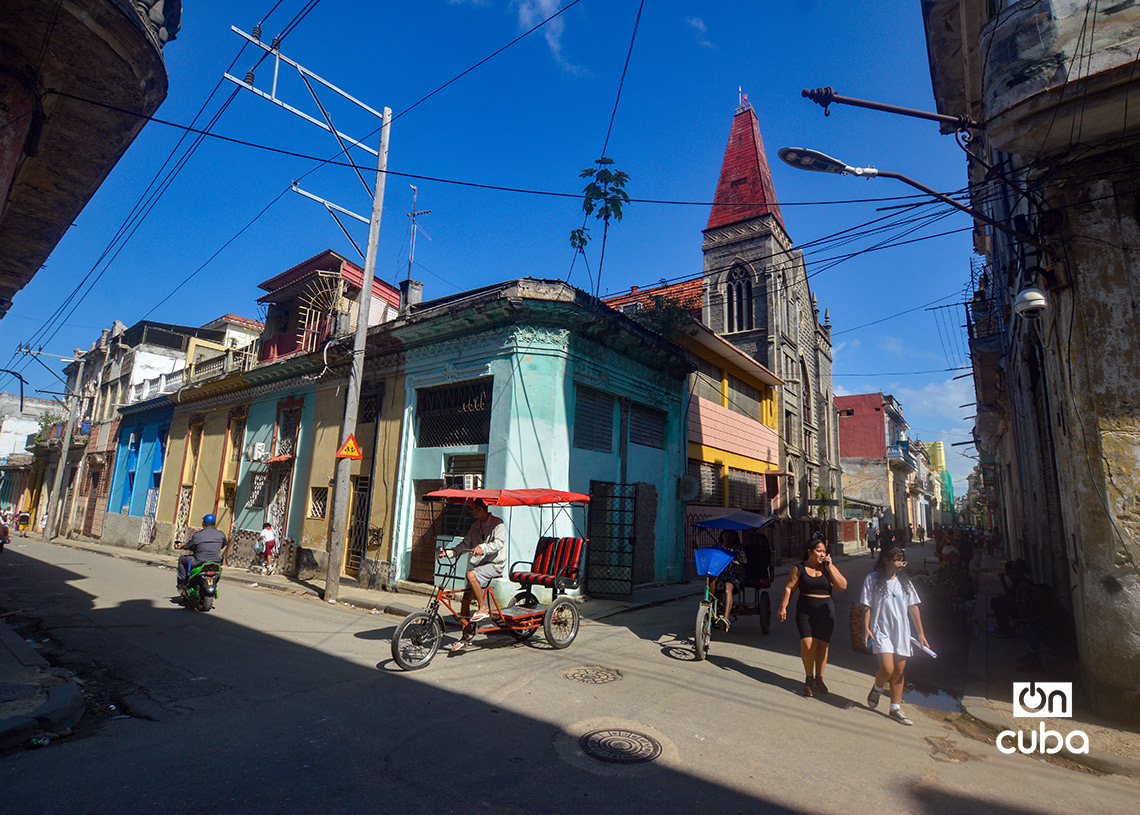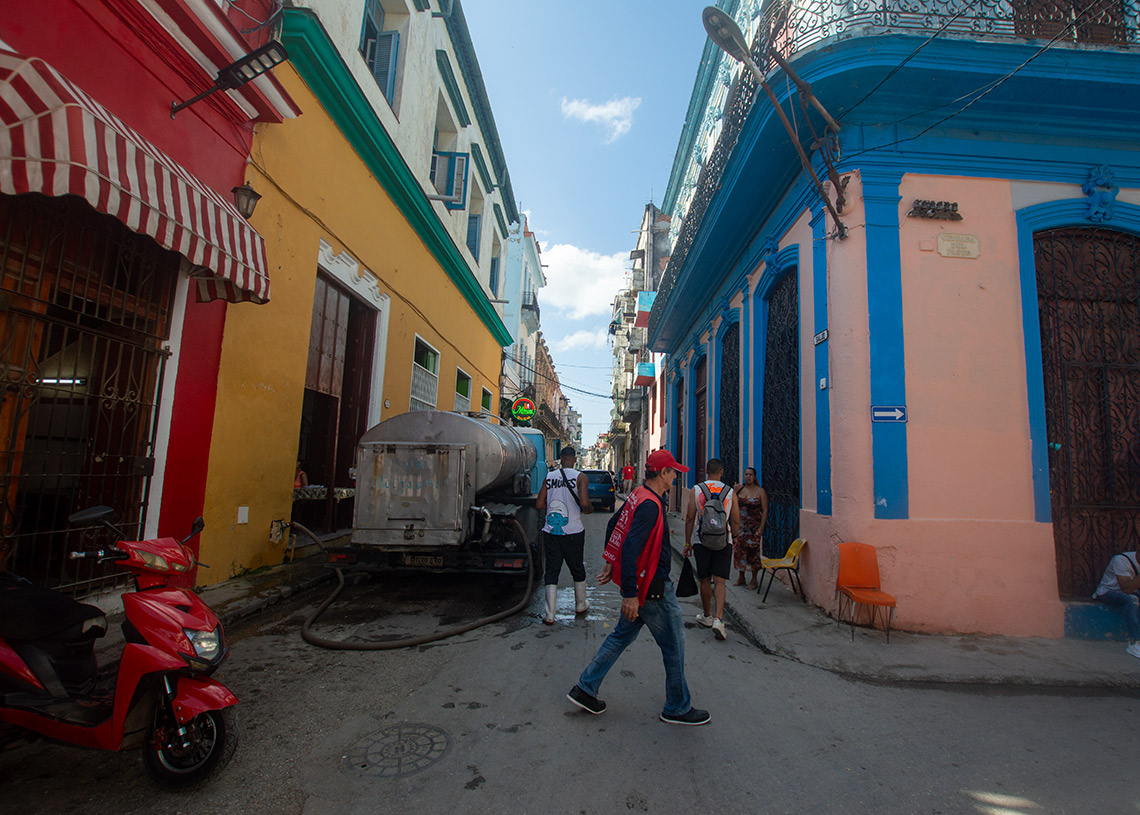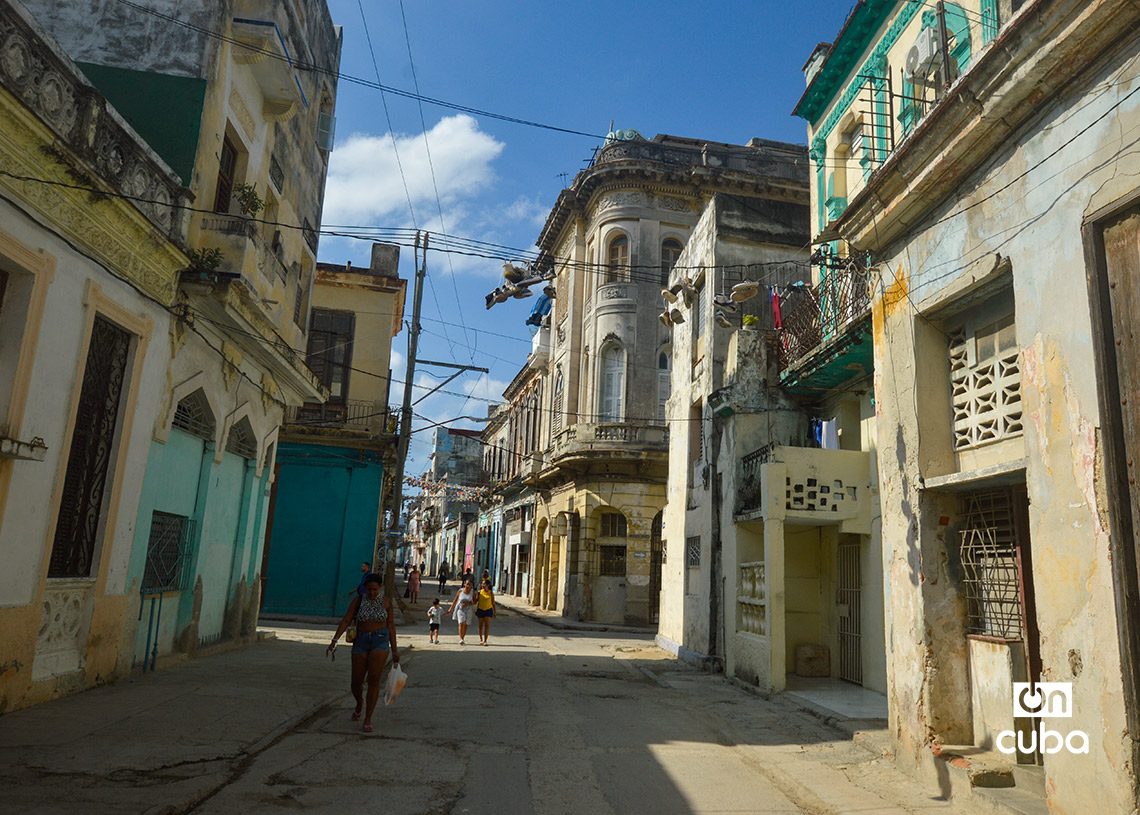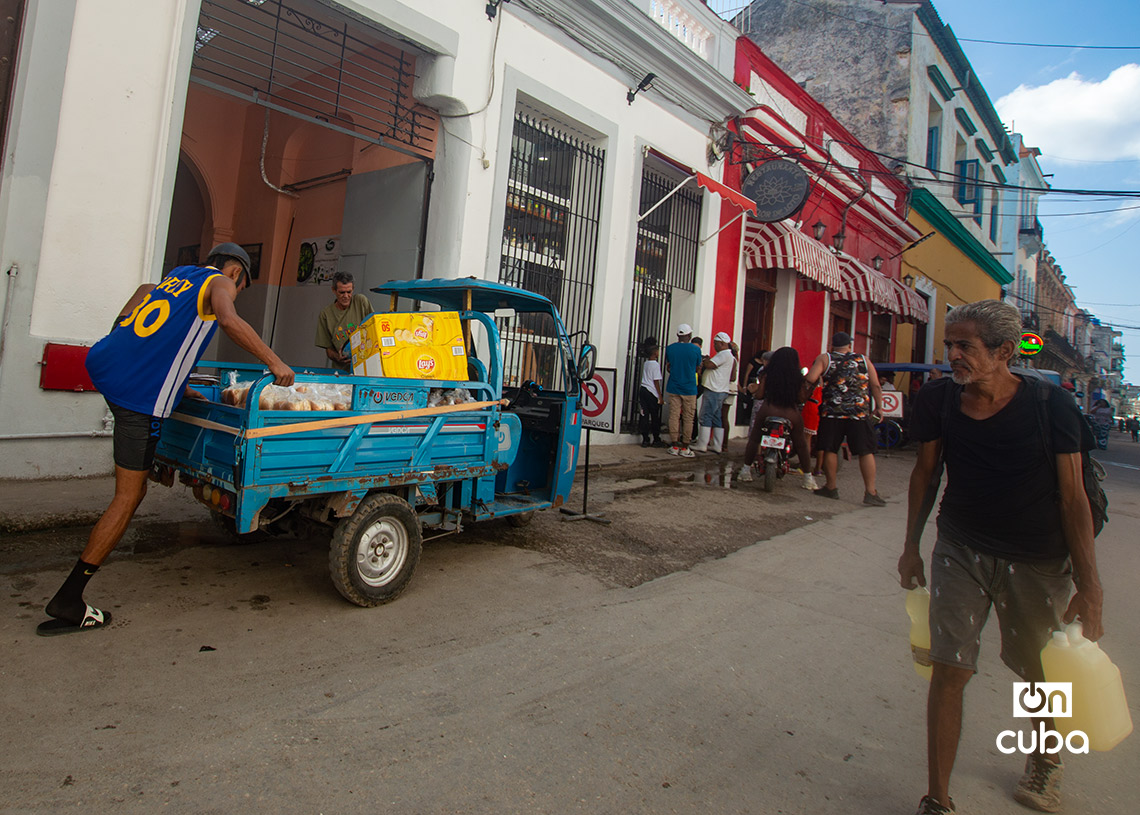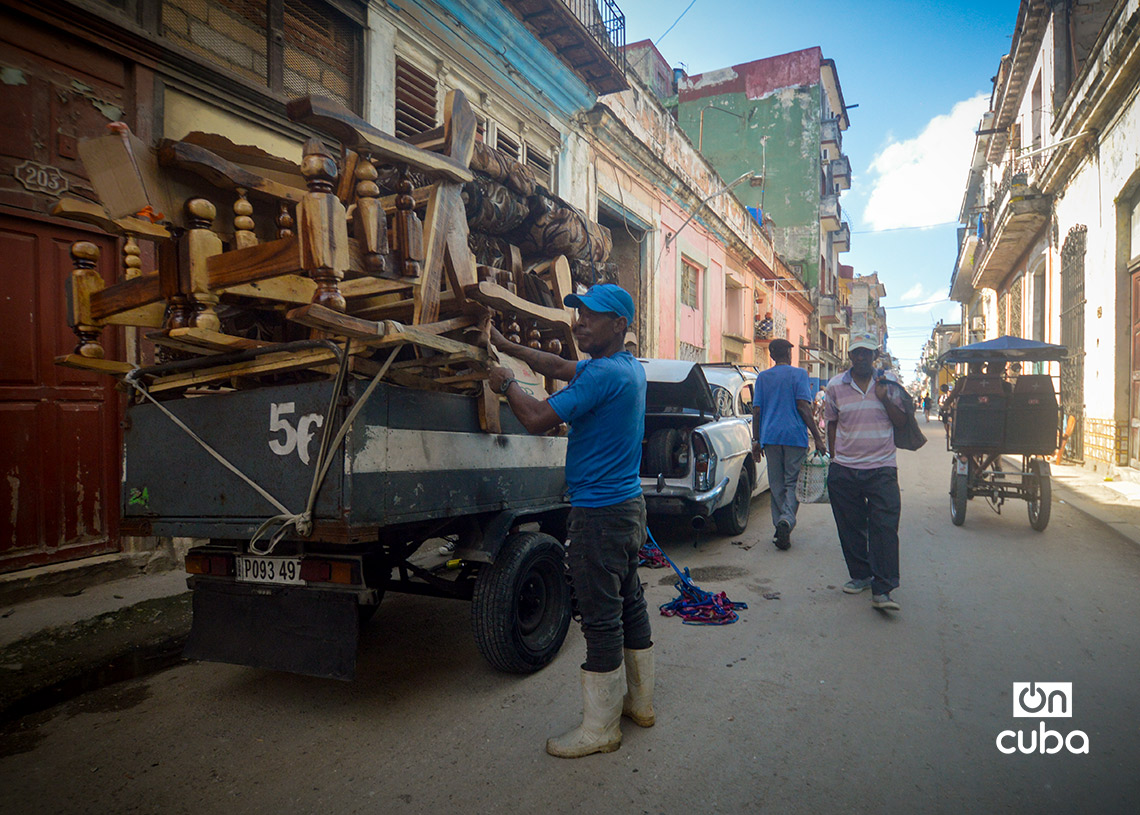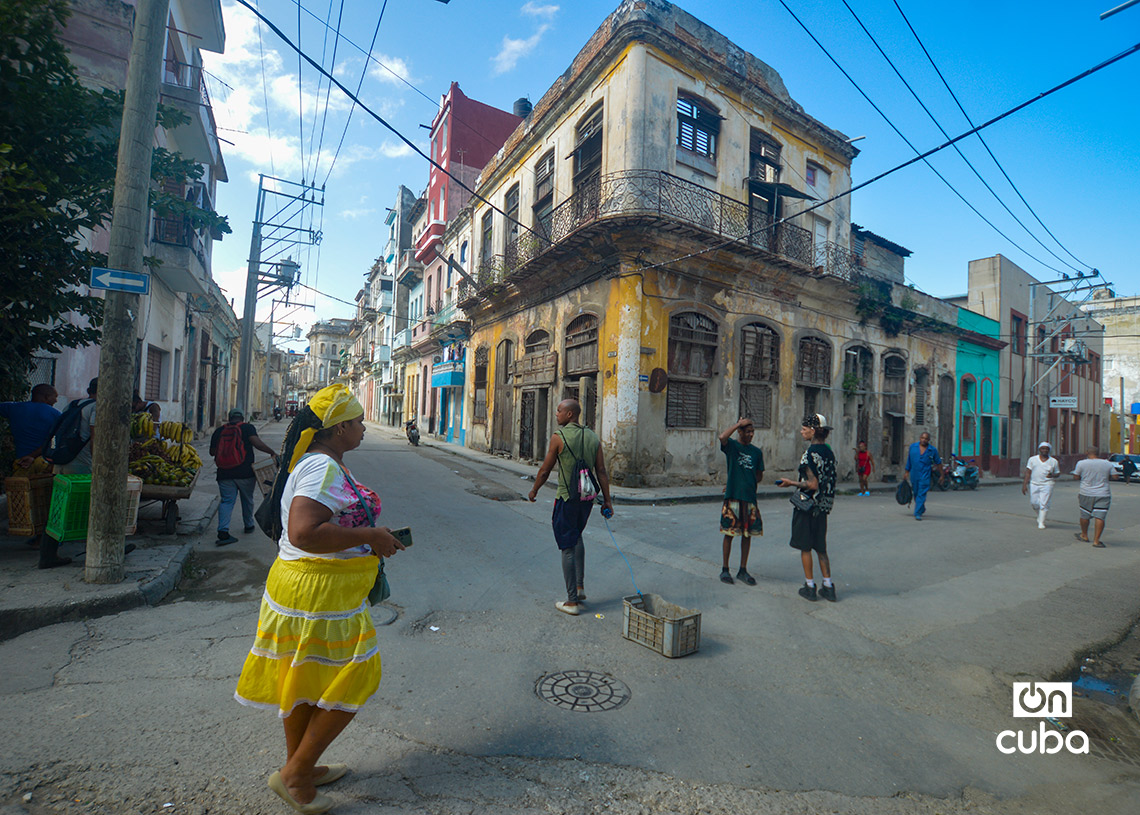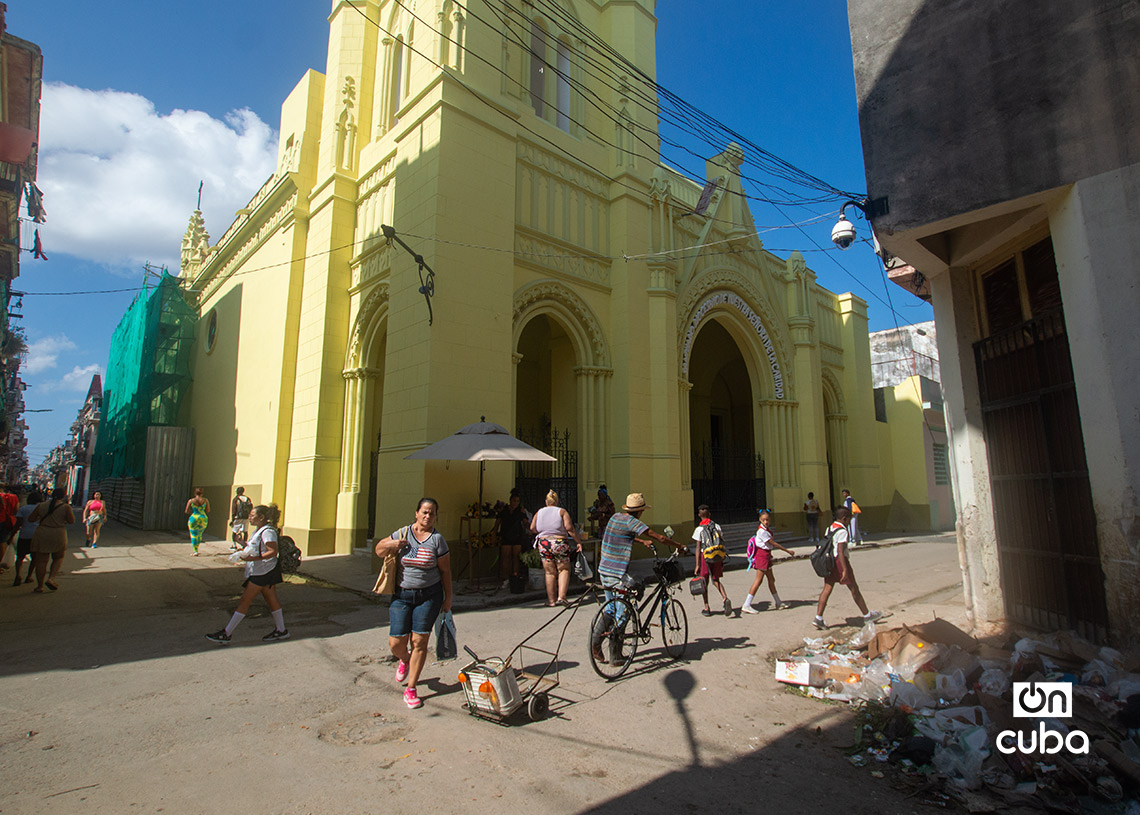
From the populous Galiano Avenue to the bucolic Quinta de los Molinosruns Salud Street. Between mostly worn-out facades, crossed lines and the bustle of neighbors and vendors, this emblematic artery runs through the heart of Centro Habana with its dense and noisy atmosphere.
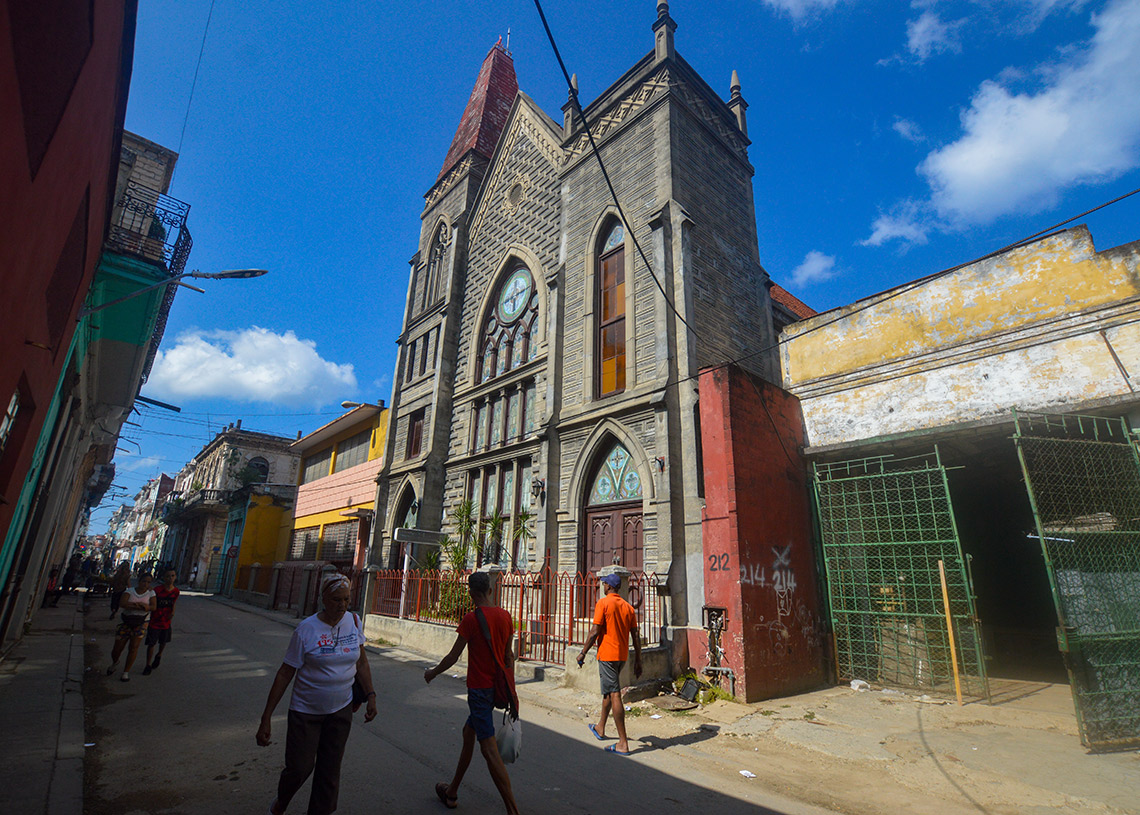
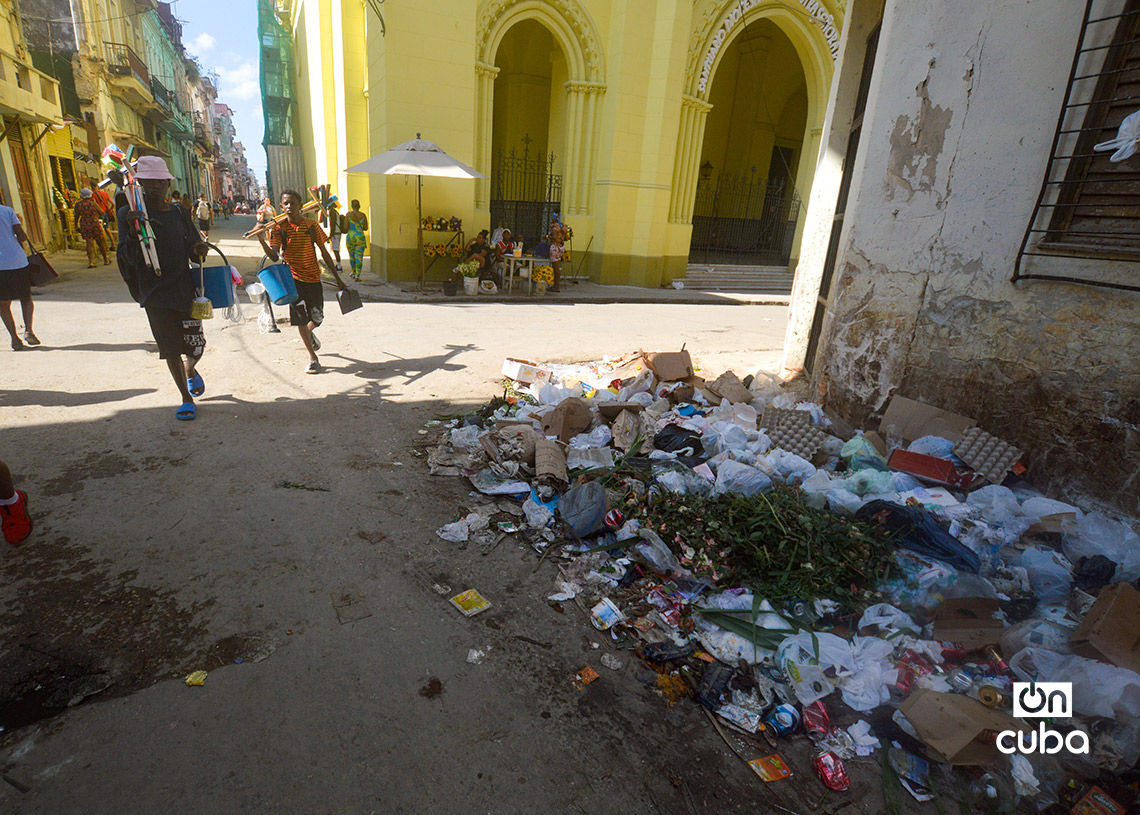
Its route is marked by the intersection of important roads such as Belascoaín and Infanta and its proximity to other avenues such as Zanja, Reina and Charles III. Furthermore, it is home to the Church of Our Lady of Charity, consecrated to the Patron Saint of Cuba, and nearby there are places such as El Curita Park, Chinatown and the Emergency Hospital.
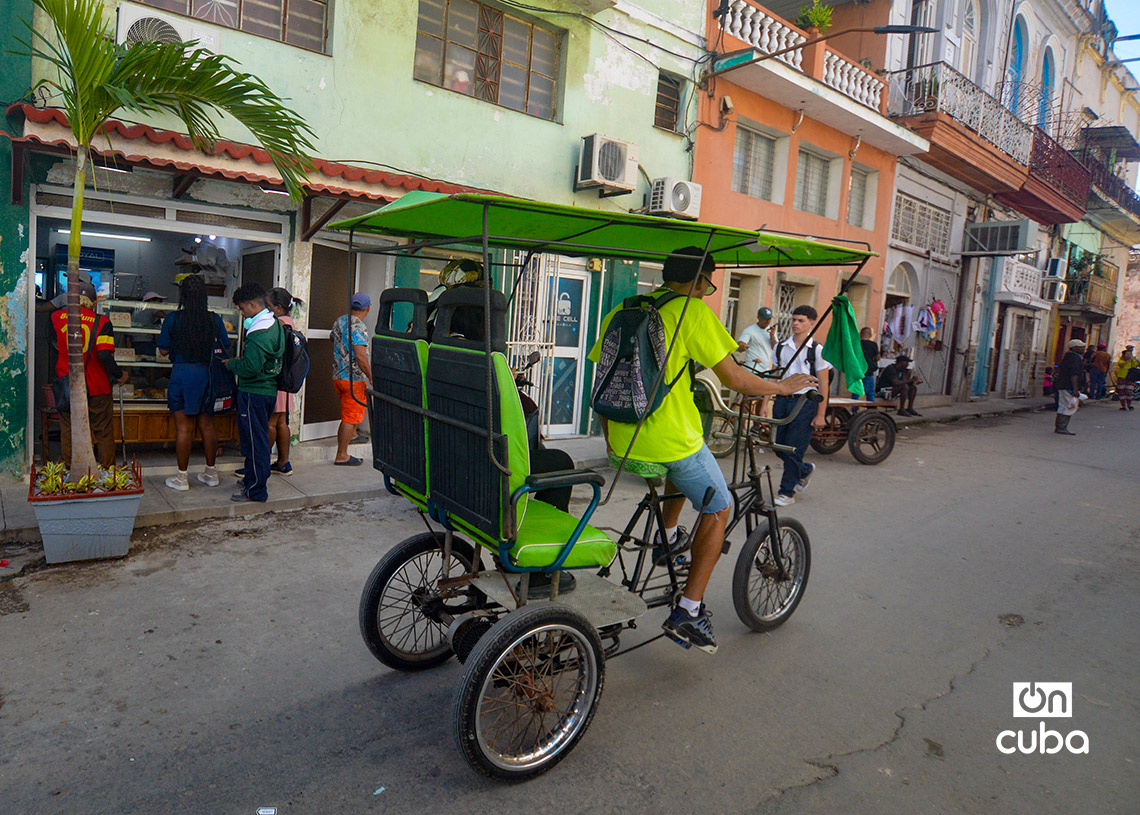
The name of the street comes from another time, when the hermitage of the Lord of Health was built there. Later converted into a parish during the 18th century, on the edges of an old road that connected the walled city with its surroundings, that temple disappeared, but its name and legacy still give identity to the place.
As the centuries passed, the urban expansion of the city filled the voids in that area. New blocks were built; Shops, inns, and tall tenement houses were built. In this way, the old route to the outskirts became an inhabited street with intense traffic.
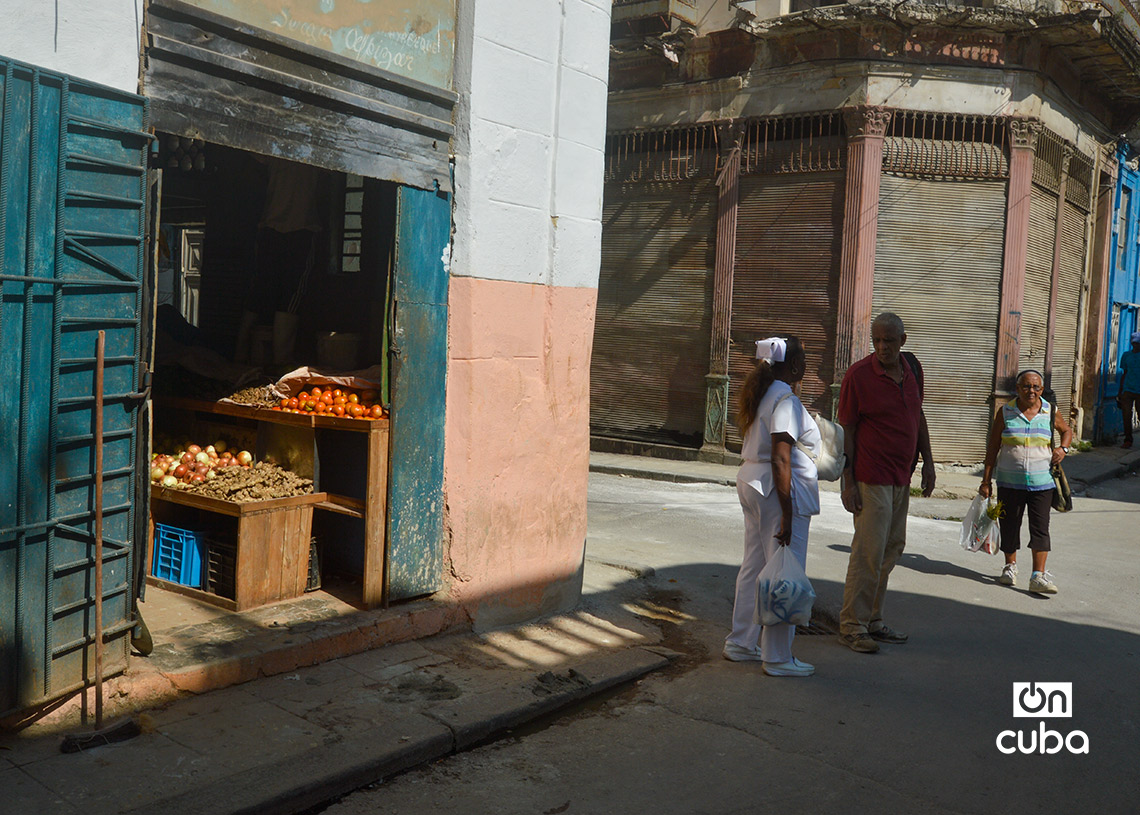
A lot has happened since the origins of this street and, if you think about the meaning of its name, its current surroundings then show an image that for many borders on paradox.
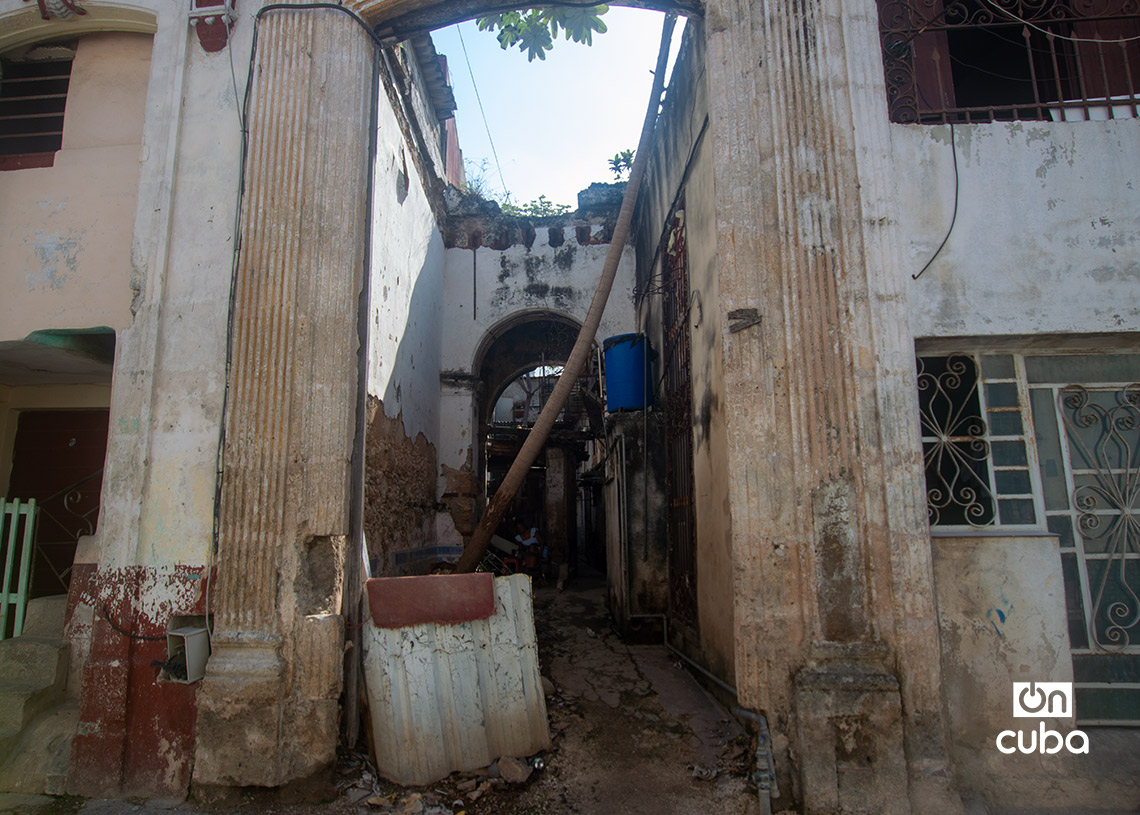
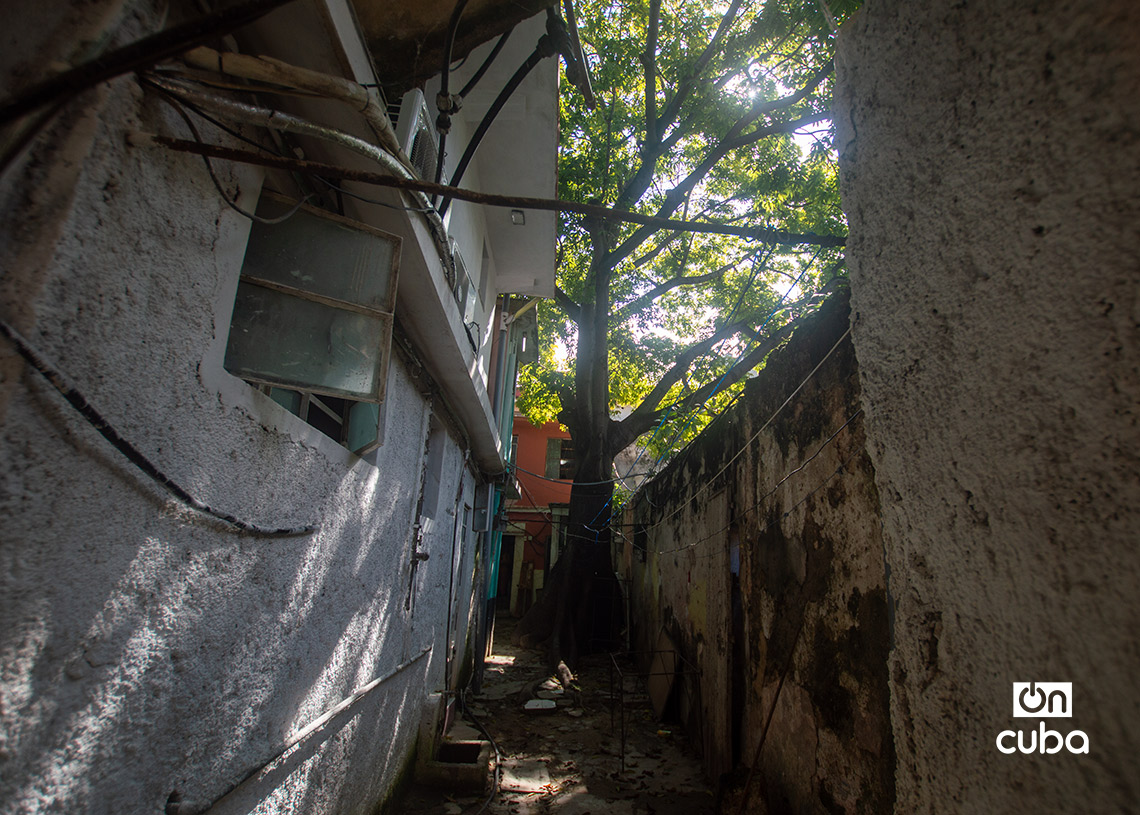
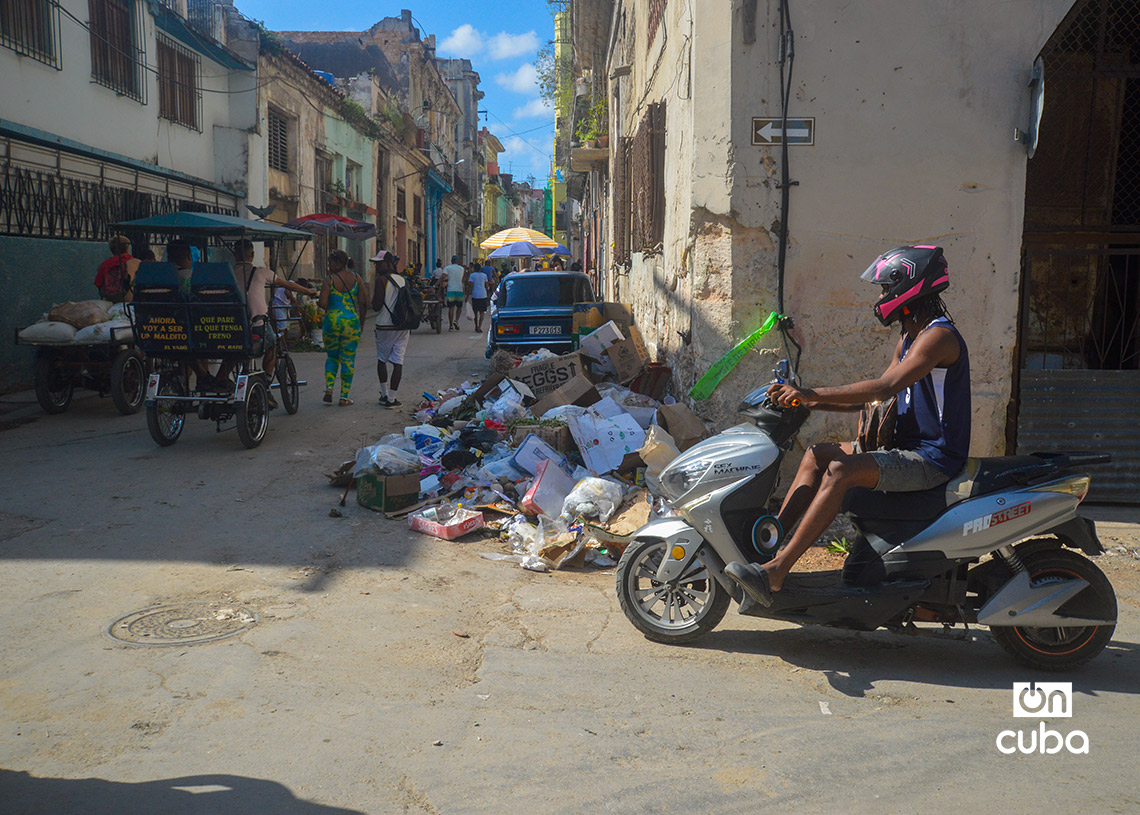
As is the case with so many other streets throughout the island, Salud is a road marked by deterioration, daily precariousness, unhealthiness that surfaces in potholes and accumulations of garbage, in the scourge of blackouts and the arbovirus epidemic that spreads throughout the city and the country.
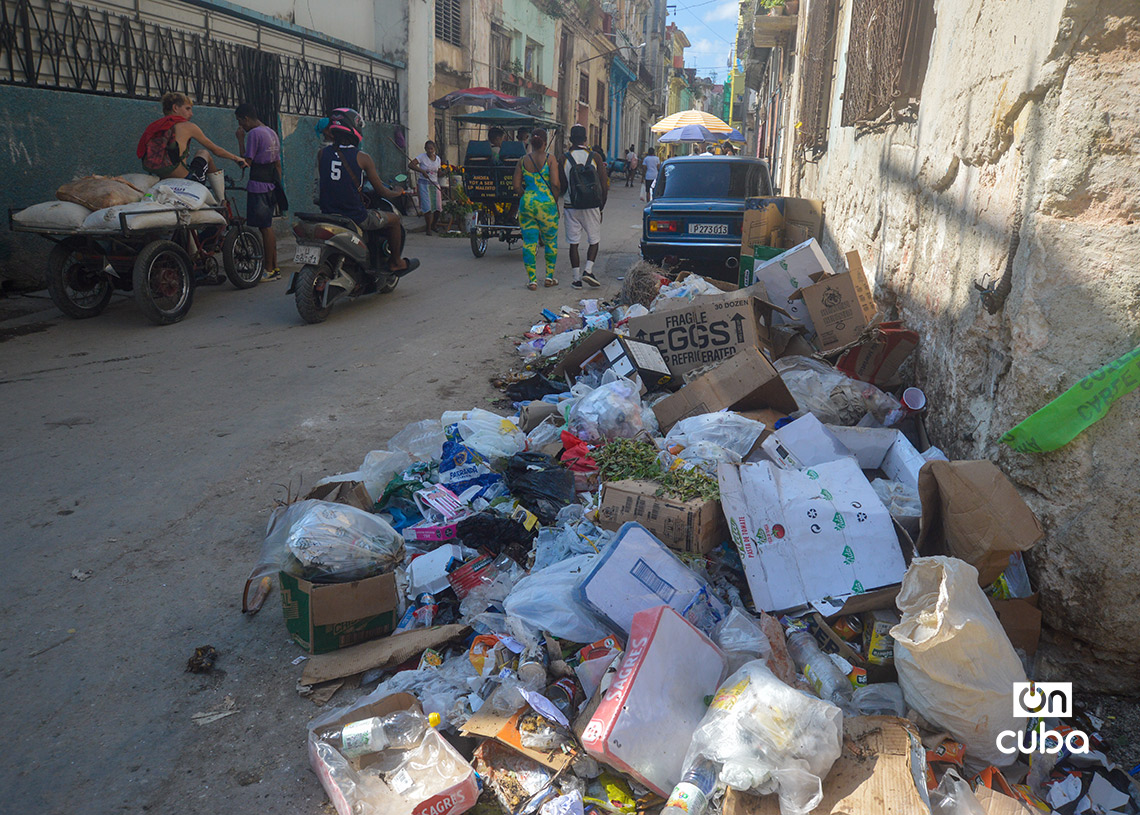
However, despite many difficulties, this Havana artery retains its spirit and vitality. Even with the visible contrast between its name and the wear and tear of buildings and sidewalks—apart from houses and businesses restored by their owners—neighbors and merchants sustain the life and memory of the neighborhood.
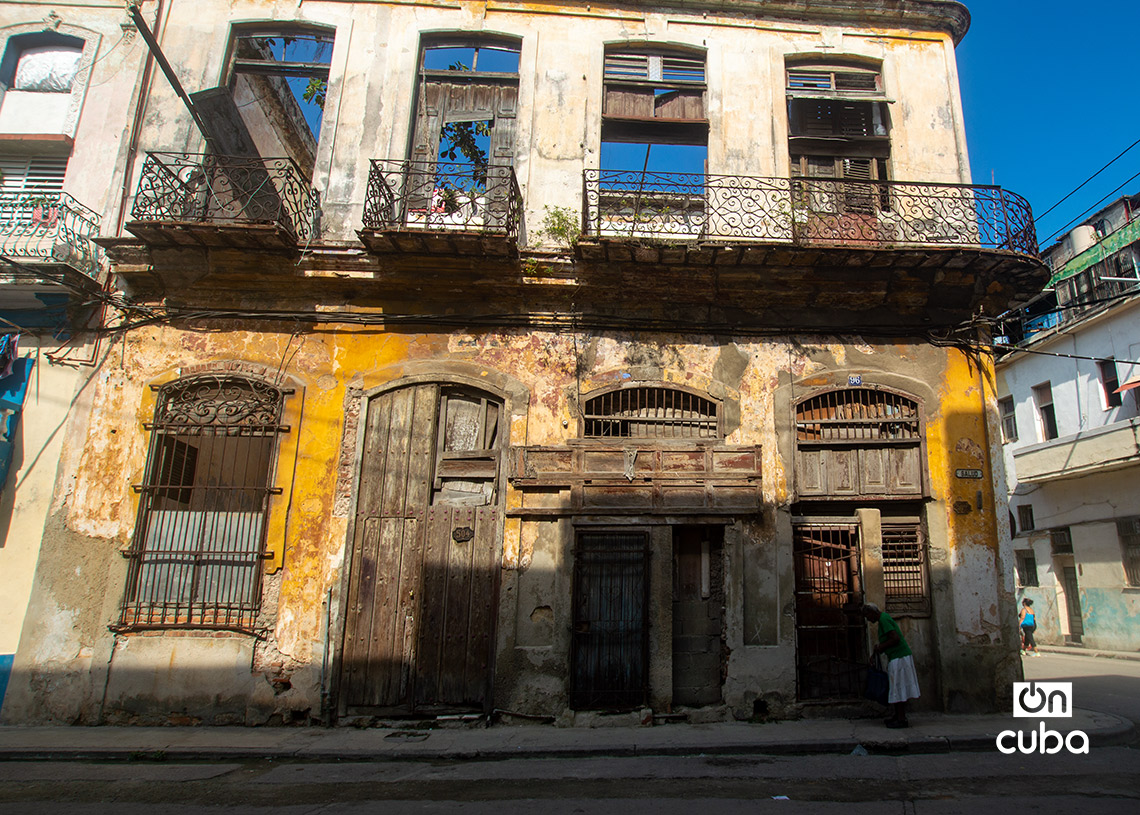
Health, then, is not only a name, but also in some way a reflection of persistence in the midst of precariousness. This is how Otmaro Rodríguez shows it to us today in his usual photographic tour of the Cuban capital every Sunday.