Havana/The dengue and chikungunya epidemic that Cuba is going through is developing in a climate marked by official misinformation and the impossibility of accessing reliable statistics. Although the Ministry of Public Health reports constant increases in deaths – 47 as of this Friday – the scarcity of data and the refusal to publish accumulated figures of arbovirus infections show a pattern of opacity that prevents knowing the true magnitude of the outbreak.
Vice Minister Carilda Peña reported last Wednesday that 44,604 infections of the disease have been recorded so far this year and specifically eleven deaths in just one week, the majority of those under 18 years of age.
The majority of deaths have occurred in children under 18 years of age.
But this late recognition comes after months in which independent media and testimonies on social networks reported an accelerated growth of patients in serious condition, while the Government insisted that “transmission was under control.” The official recognition of the epidemic, on November 12, occurred four months after the first cases were detected, when an increase in the activities of funeral homes and cemeteries throughout the country began to be noticed.
At the same time, several doctors have warned about symptoms compatible with oropouche or even West Nile fever, warnings that the Government has completely dismissed. The denial is reminiscent of previous episodes in which authorities took weeks to admit already overflowing outbreaks.
There are symptoms compatible with oropouche or even West Nile fever.
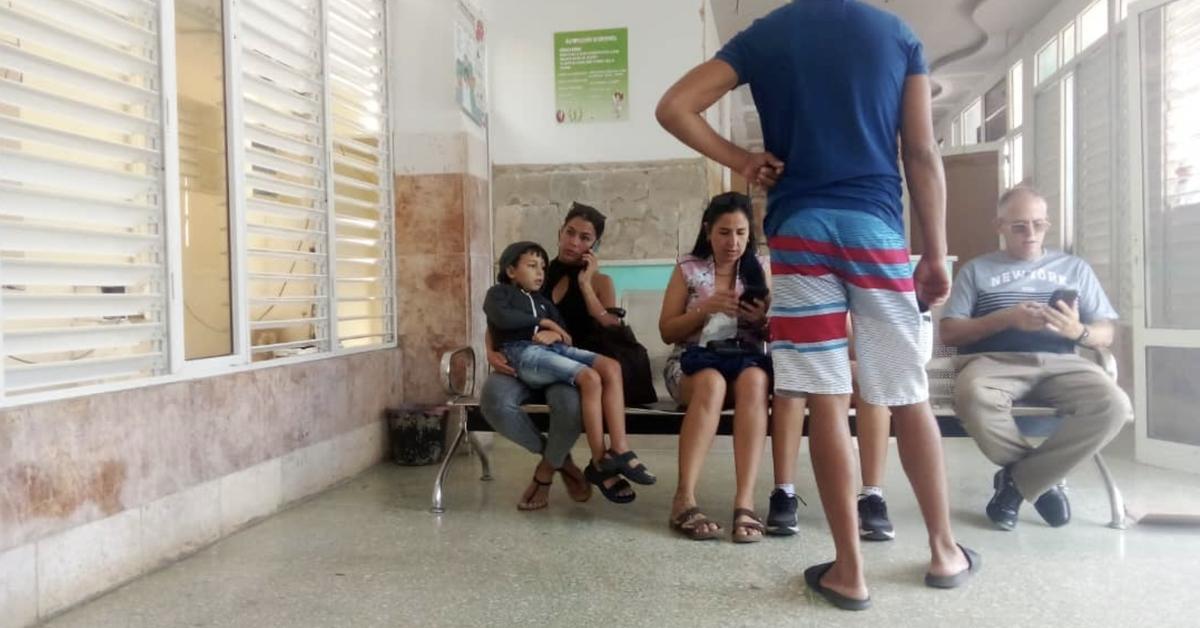
The crisis worsens in hospitals without medicines, with staff shortages and without capacity for additional income. Many families must obtain basic medical supplies on their own; Others choose to keep the sick at home due to the precariousness of health centers. Fumigation has also been suspended in several provinces due to lack of fuel and supplies, leaving entire neighborhoods without an anti-vector campaign against the mosquito. Aedes aegyptithe main transmitter of dengue and chikungunya, for months.
Faced with this reality, activists and health professionals have begun to develop independent records of deaths from arboviruses, compiling cases that never appear in official reports. For example, on December 2, the Cuban Observatory of Conflicts published in its most recent report, that until then, there had been 87 deaths from dengue and chikungunya, well above the 33 that the Ministry of Public Health had notified the day before.
For citizens and the independent press, the Government figures are, in essence, unverifiable. In today’s Cuba, the true number of sick and dead remains outside state statistics.