The cast Martí is not the best known neighborhood of Havana. Nor the most colorful and iconic for its constructions. Many from outside the area, or other parts of Cuba, probably do not know exactly their location or have even heard of it.
However, it is a habanero cast like the one that most, with its peculiarities and distinctions, but also with not a few problems. It is, in a way, a mirror of the increasingly widespread difficulties that cloud the landscape and daily life of Cubans.
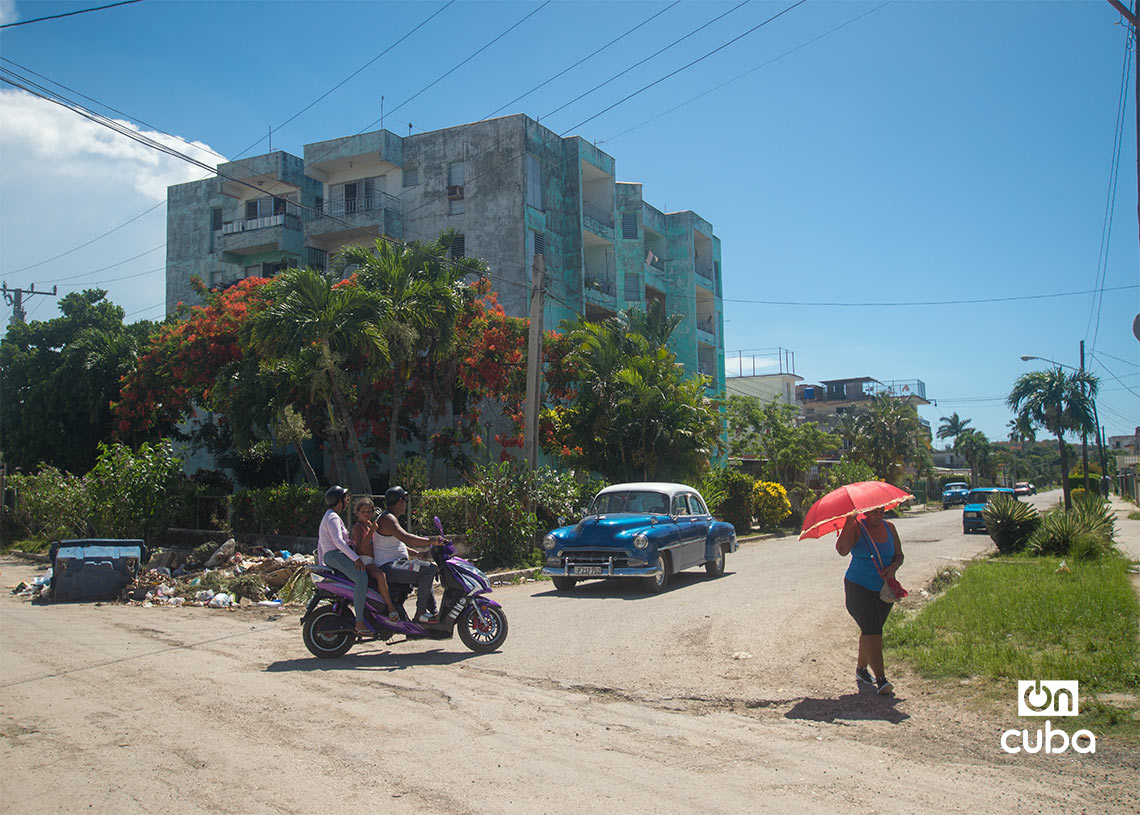
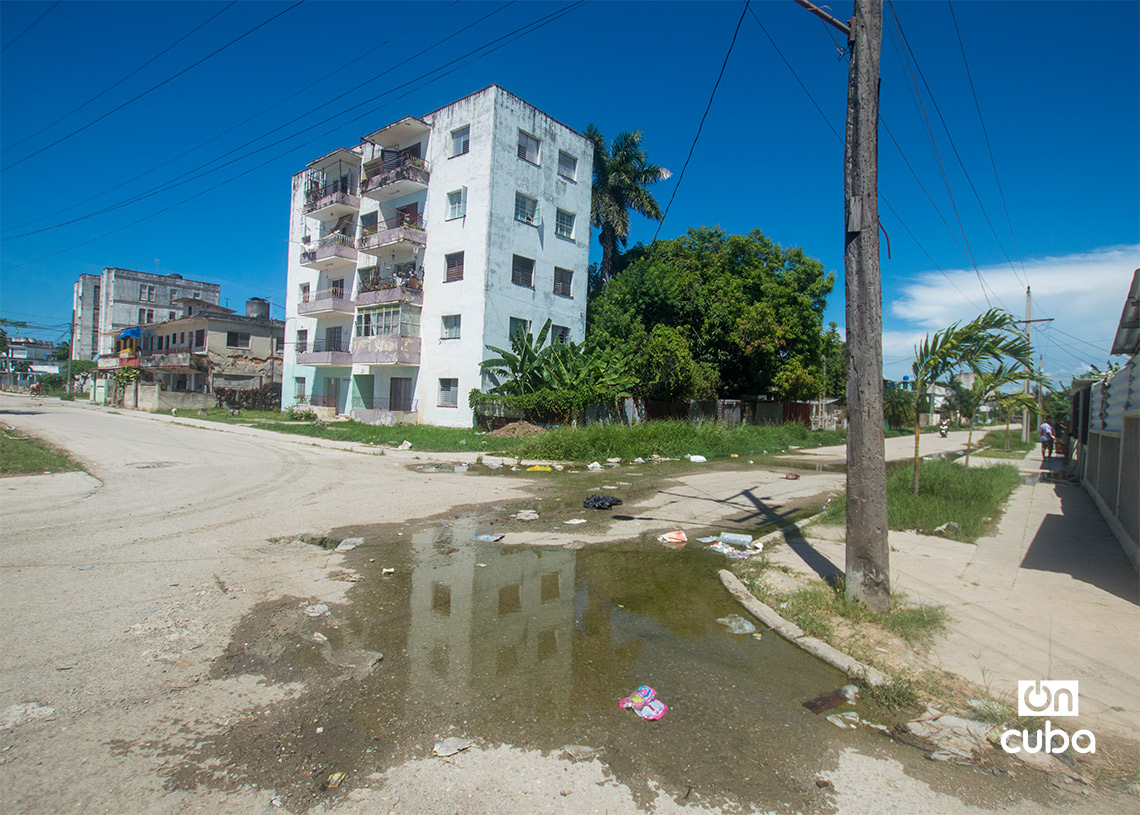
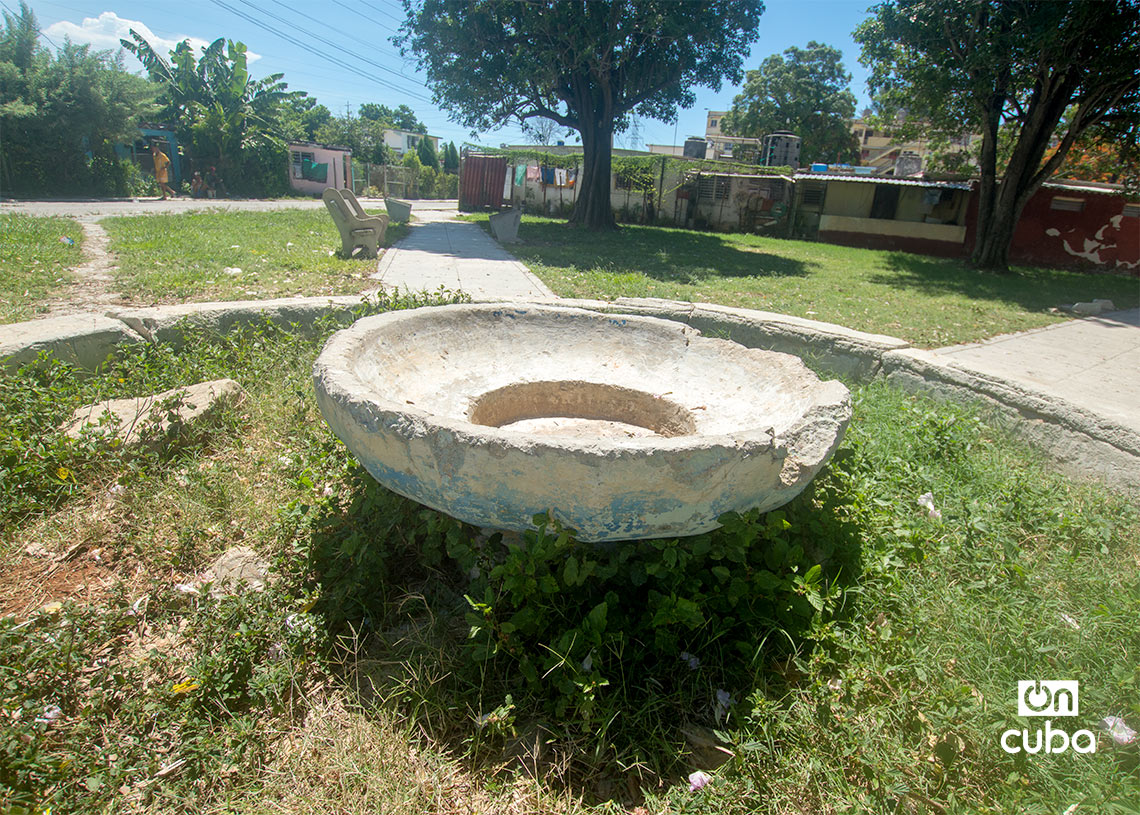
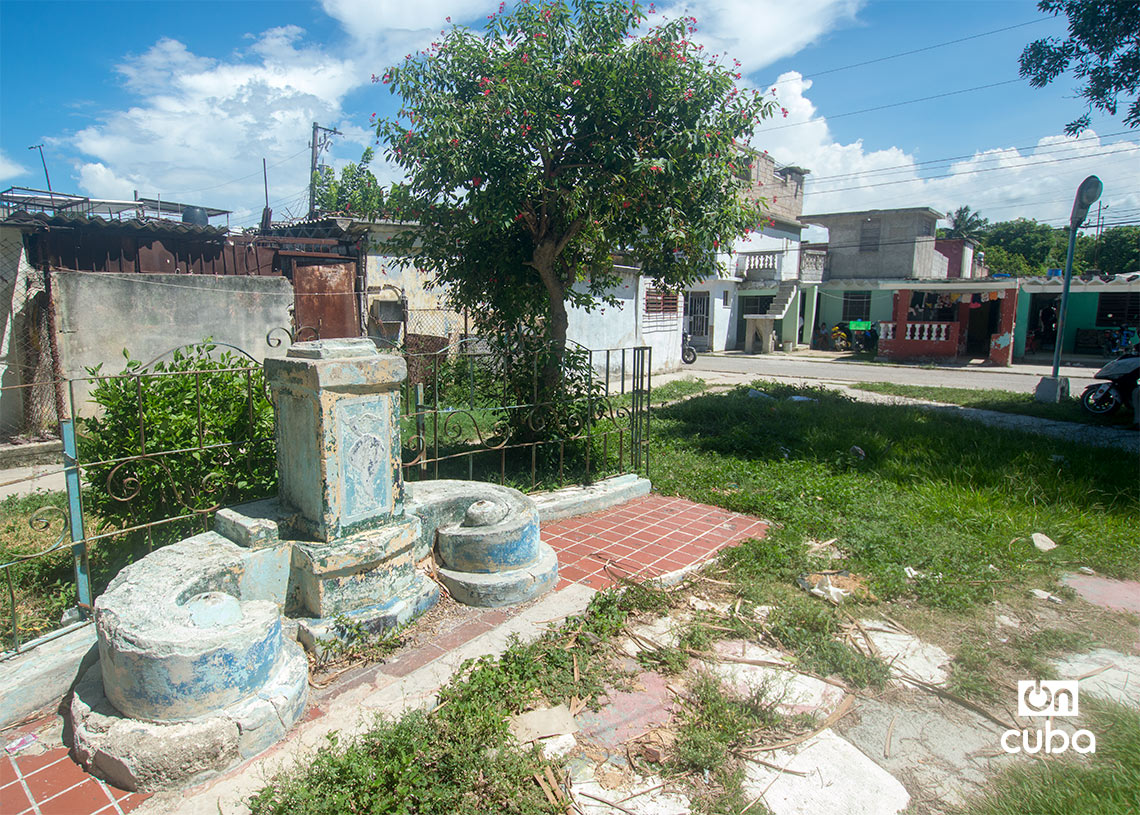
Remains of an old aqueduct, Independencia Avenue, Martí cast, Havana. Photo: Otmaro Rodríguez.Avenida Independencia and Calle Paz, in the cast Martí, Havana. Photo: Otmaro Rodríguez.
Mostly humble community, located in the current Municipality Cerro, the cast Martí emerged as a working neighborhood in a then peripheral area of Havana, which over time and the sustained growth of the Cuban capital was integrated into the city framework.
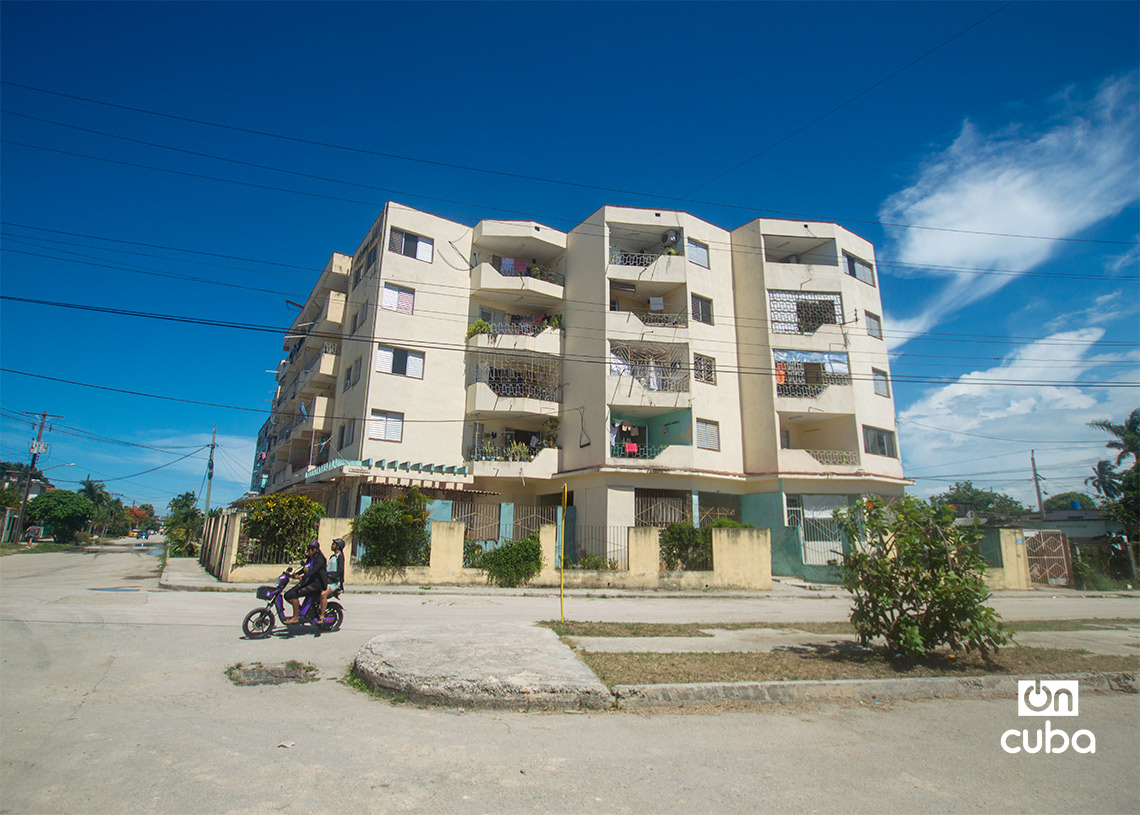
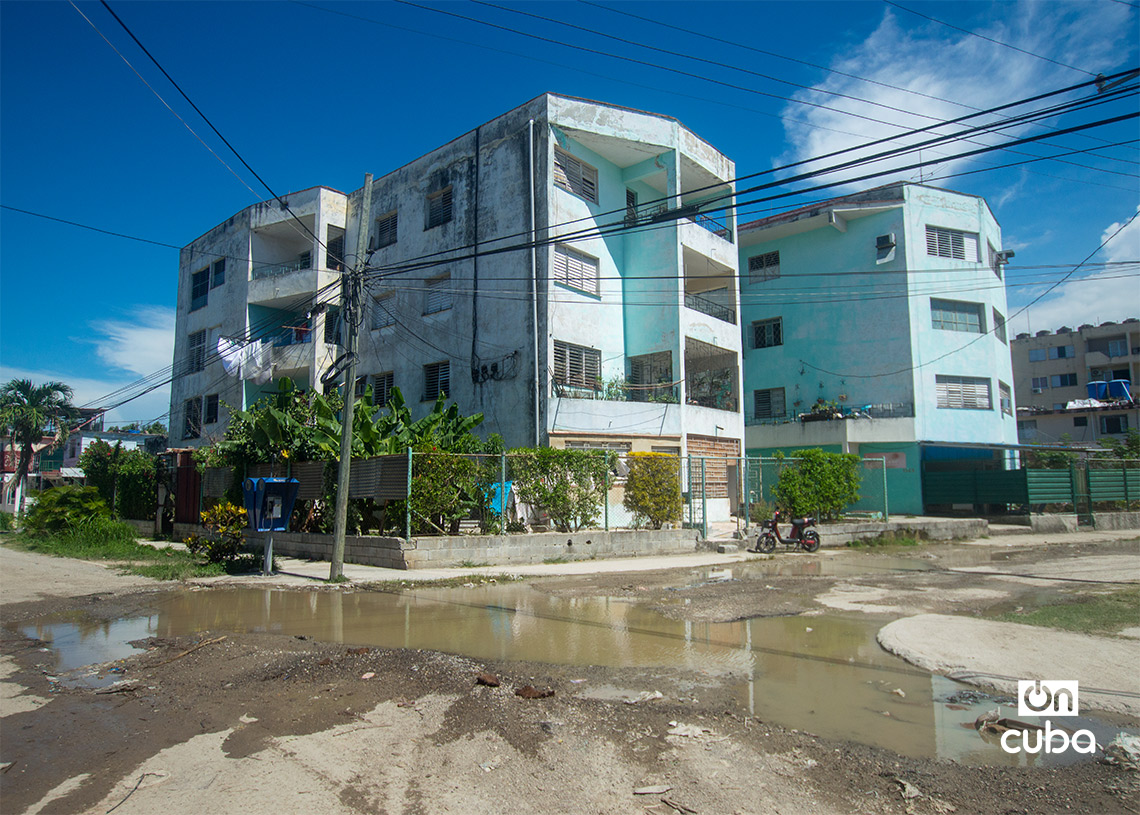
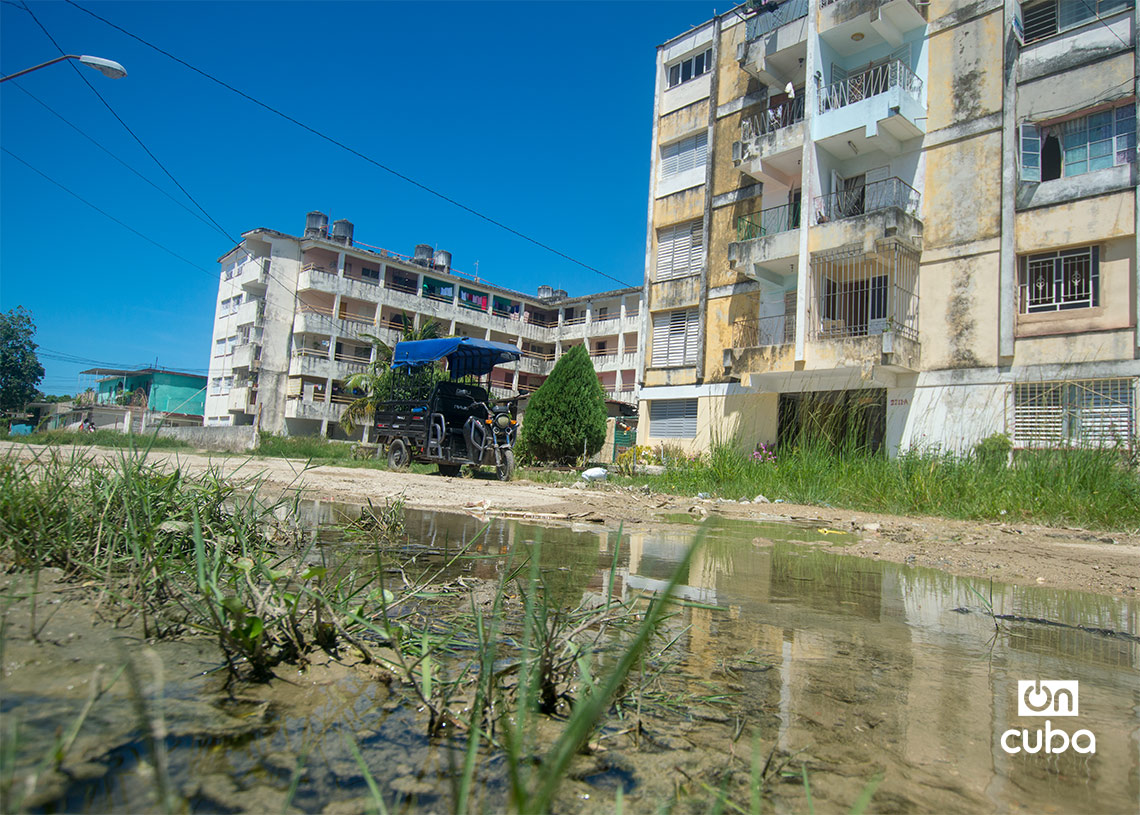
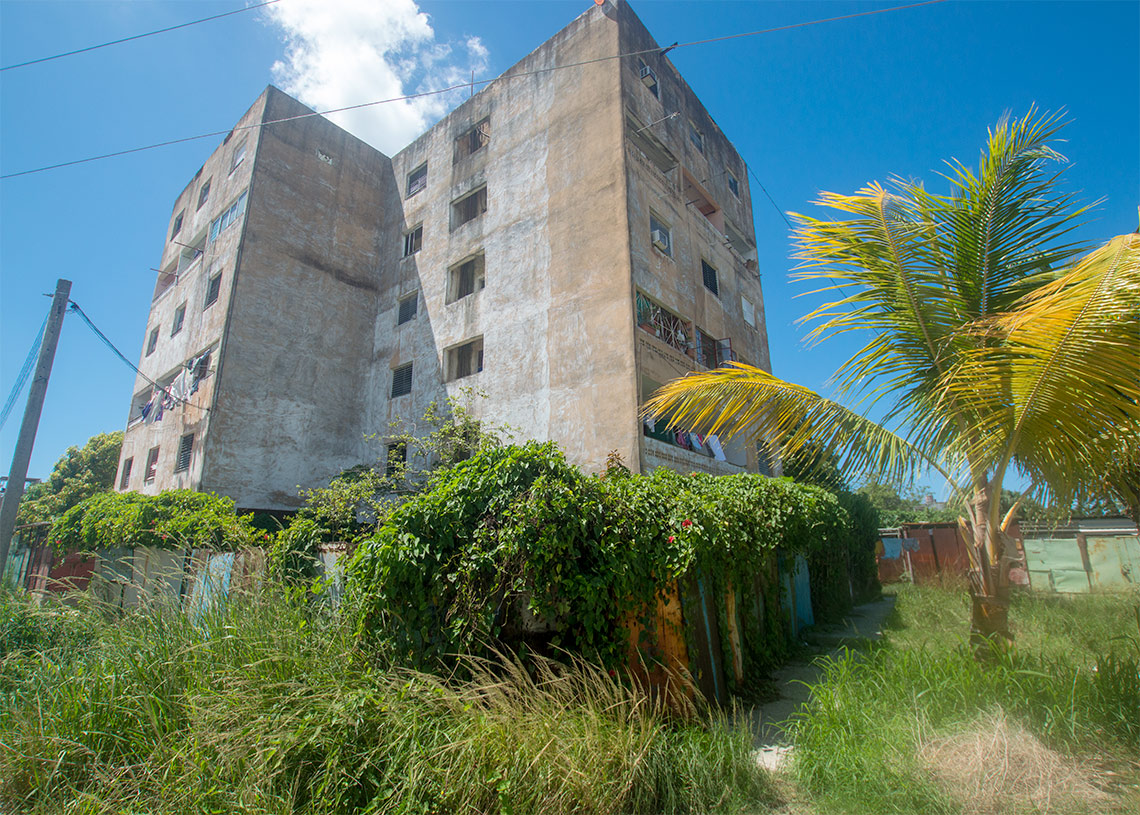
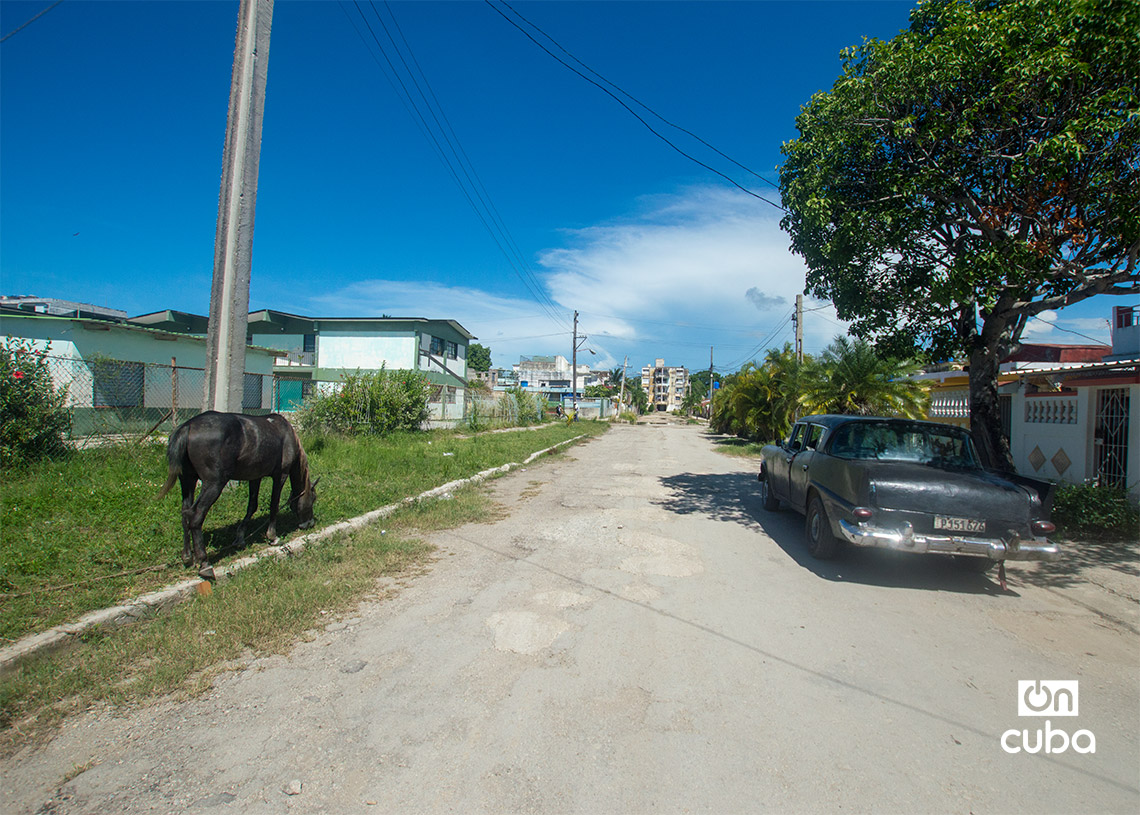
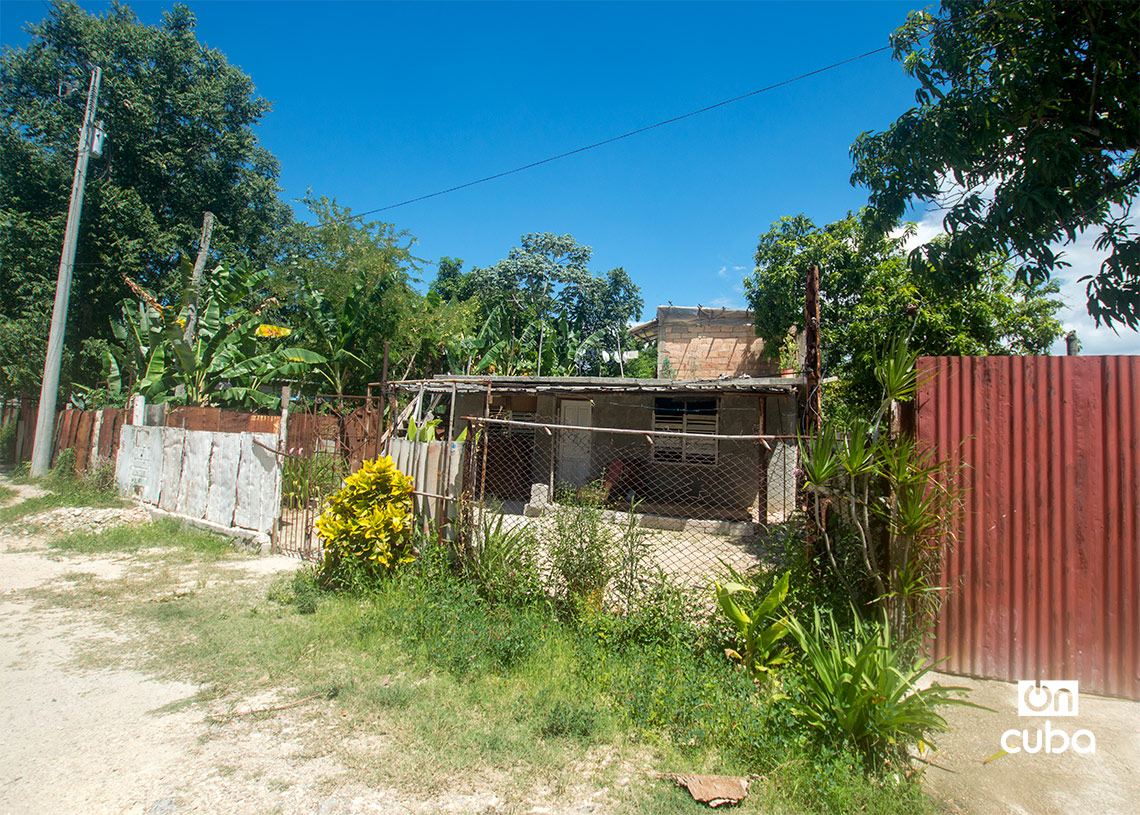
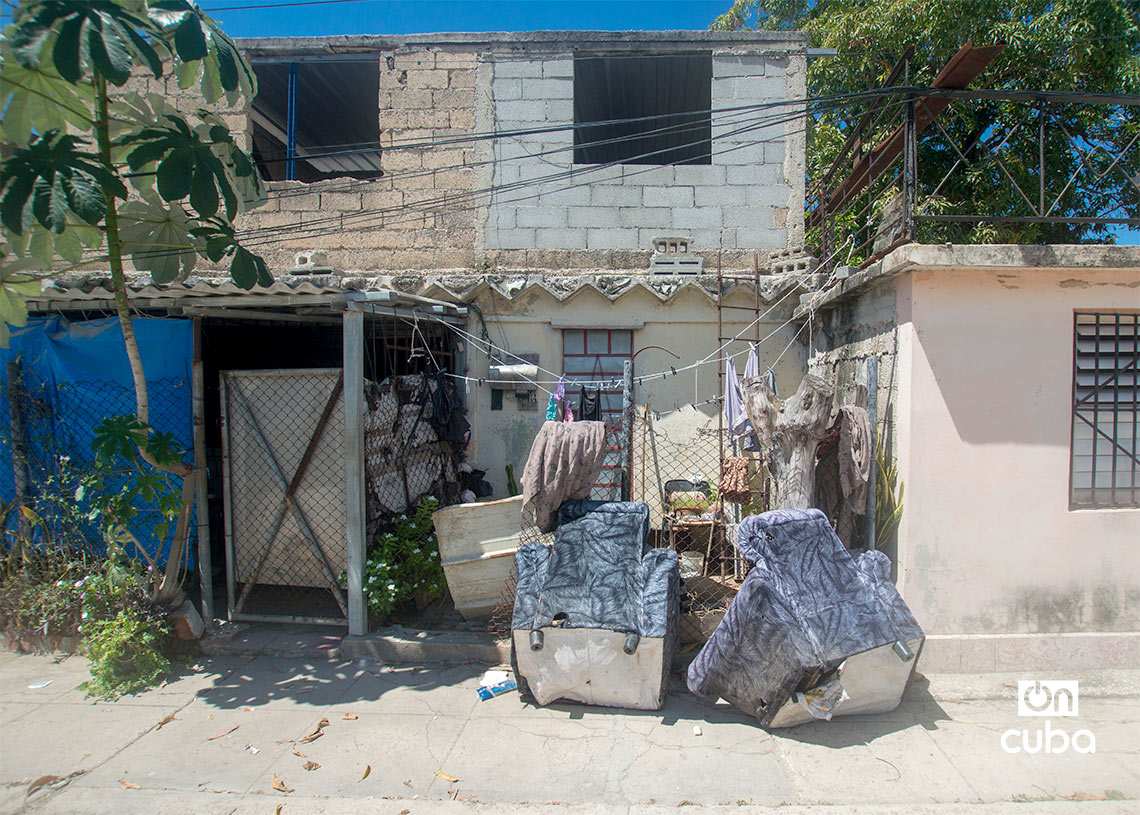
Next to Rancho Boyeros Avenue, it is part of the Armed Popular Council, which shares with the most reputed cast Casino Deportivo and other adjacent neighborhoods. It is a mainly residential zone in which there alternate low -rise buildings and recent construction with homes of different characteristics and conditions, according to the possibilities of its inhabitants.
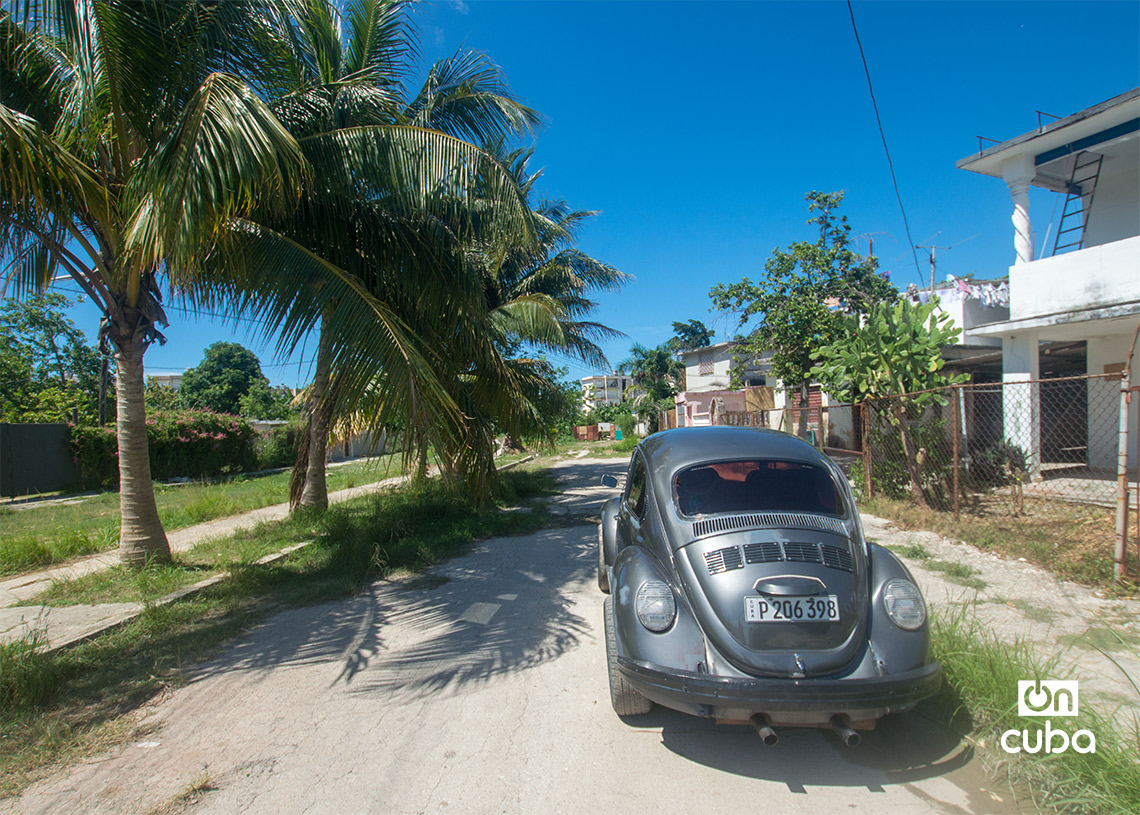
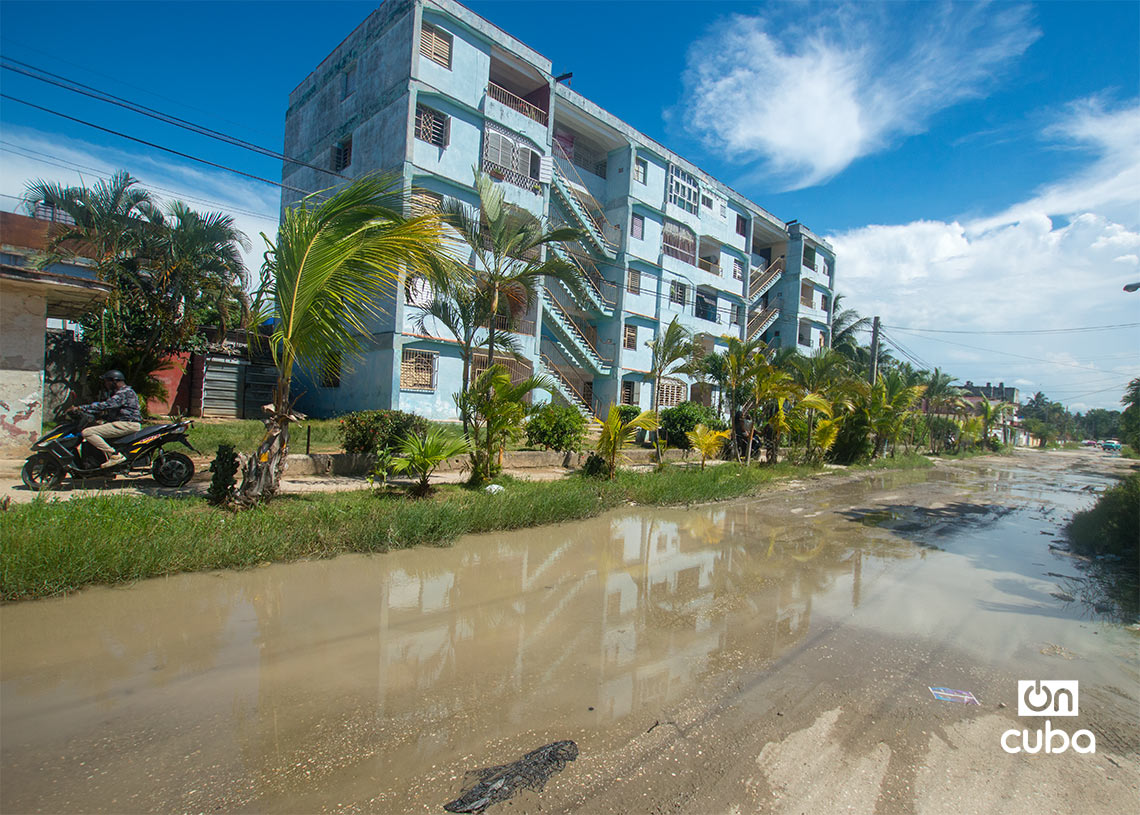
Buildings in the Martí cast, Havana. Photo: Otmaro Rodríguez.Auto on the outskirts of cast a house of the cast Martí, Havana. Photo: Otmaro Rodríguez.
As a community, the Martí cast is a portrait of life in many parts of Havana and all Cuba, beyond social and architectural similarities or differences.
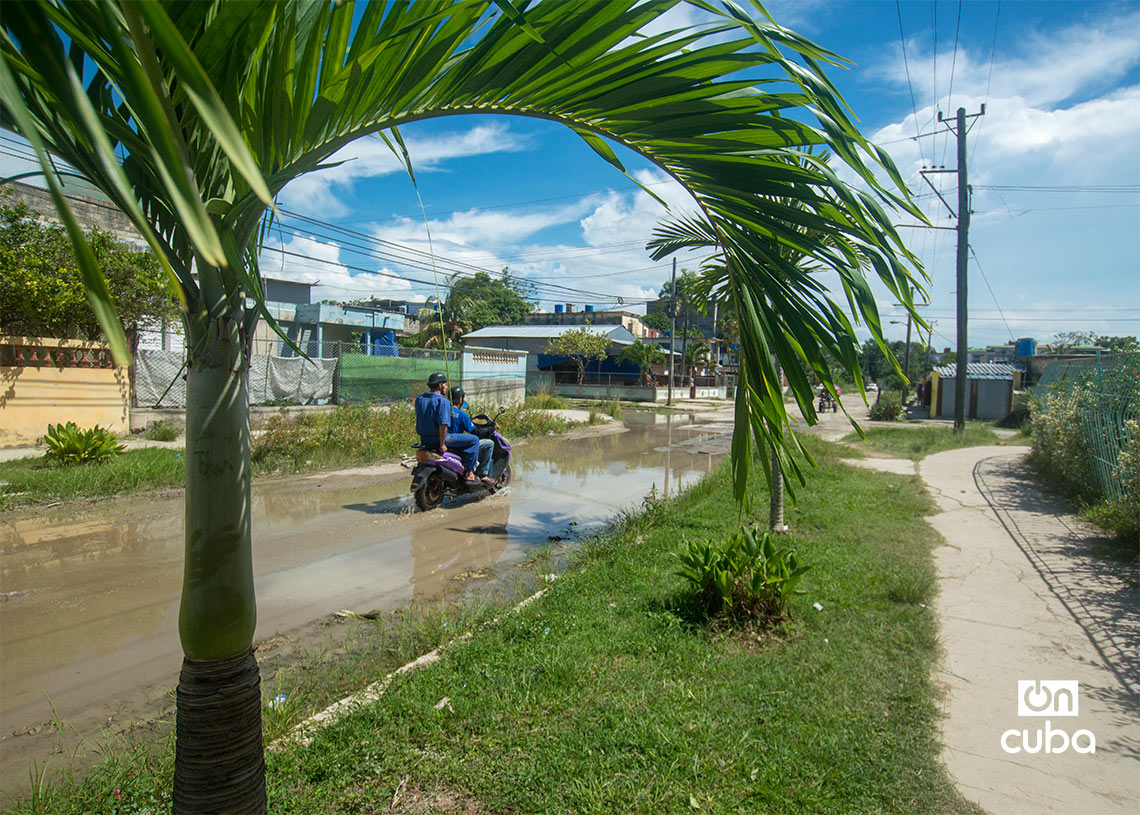
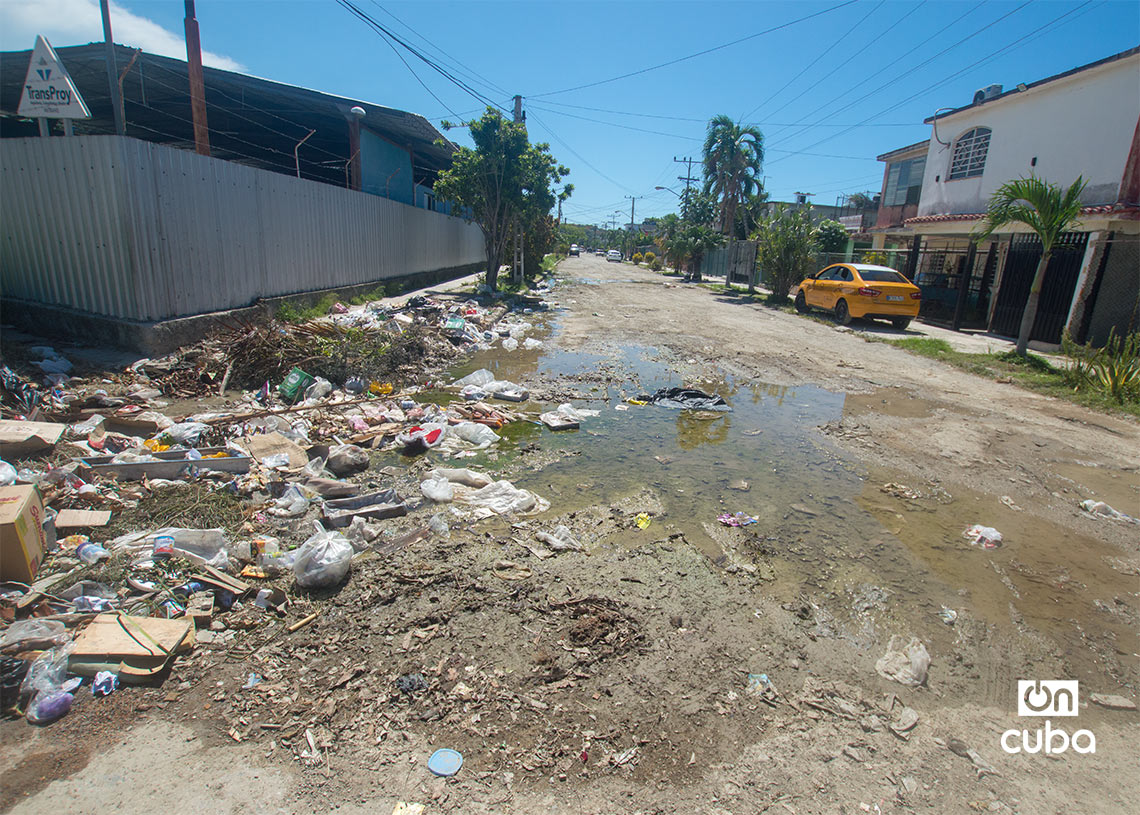
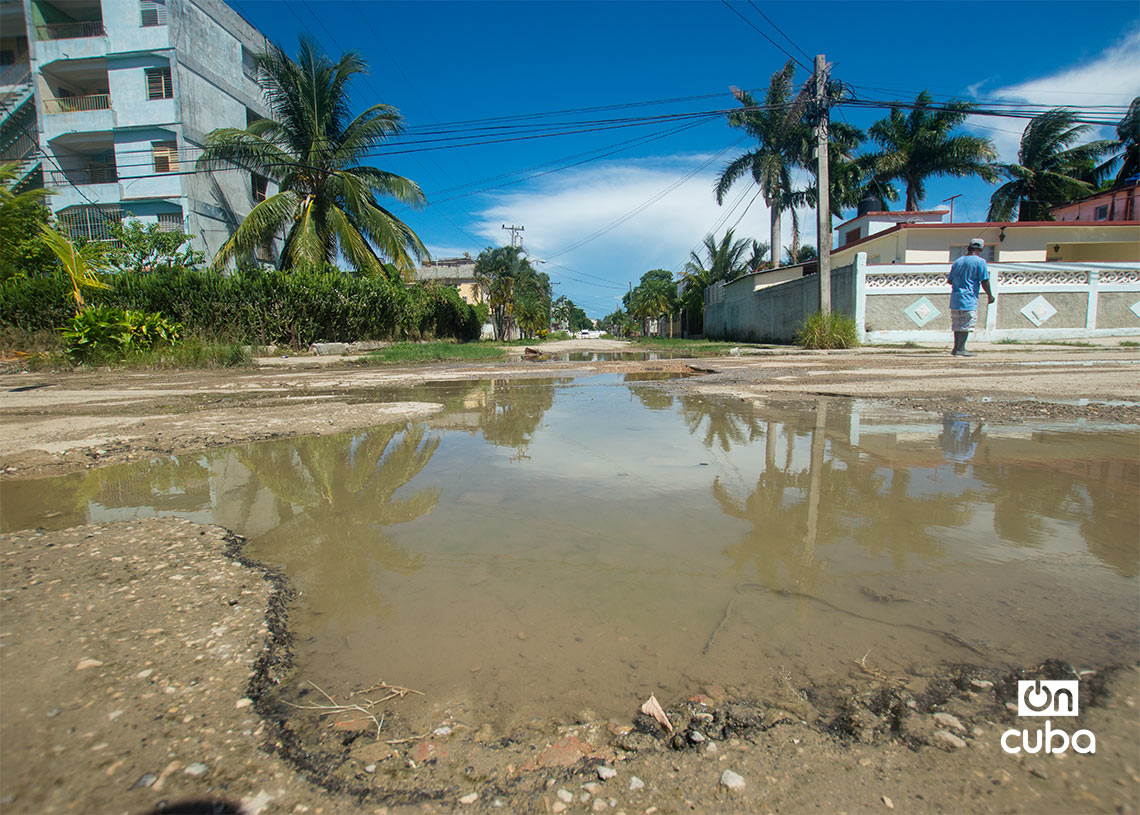
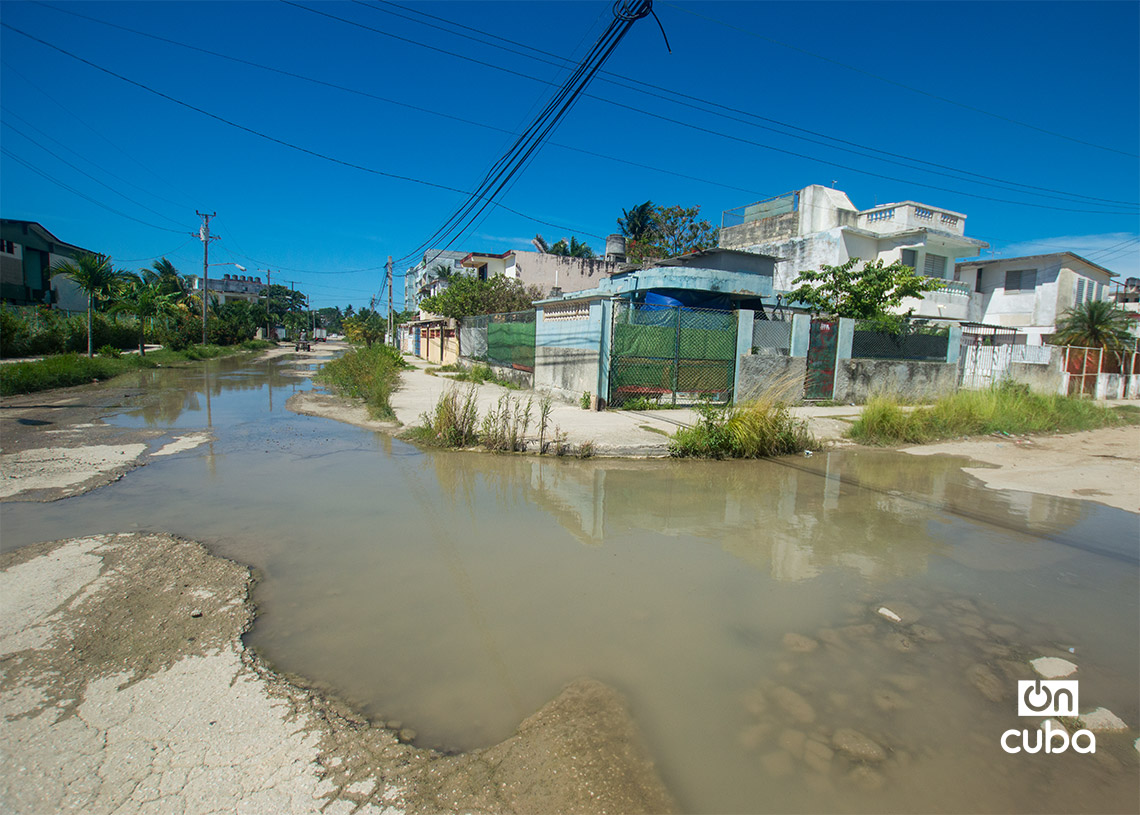
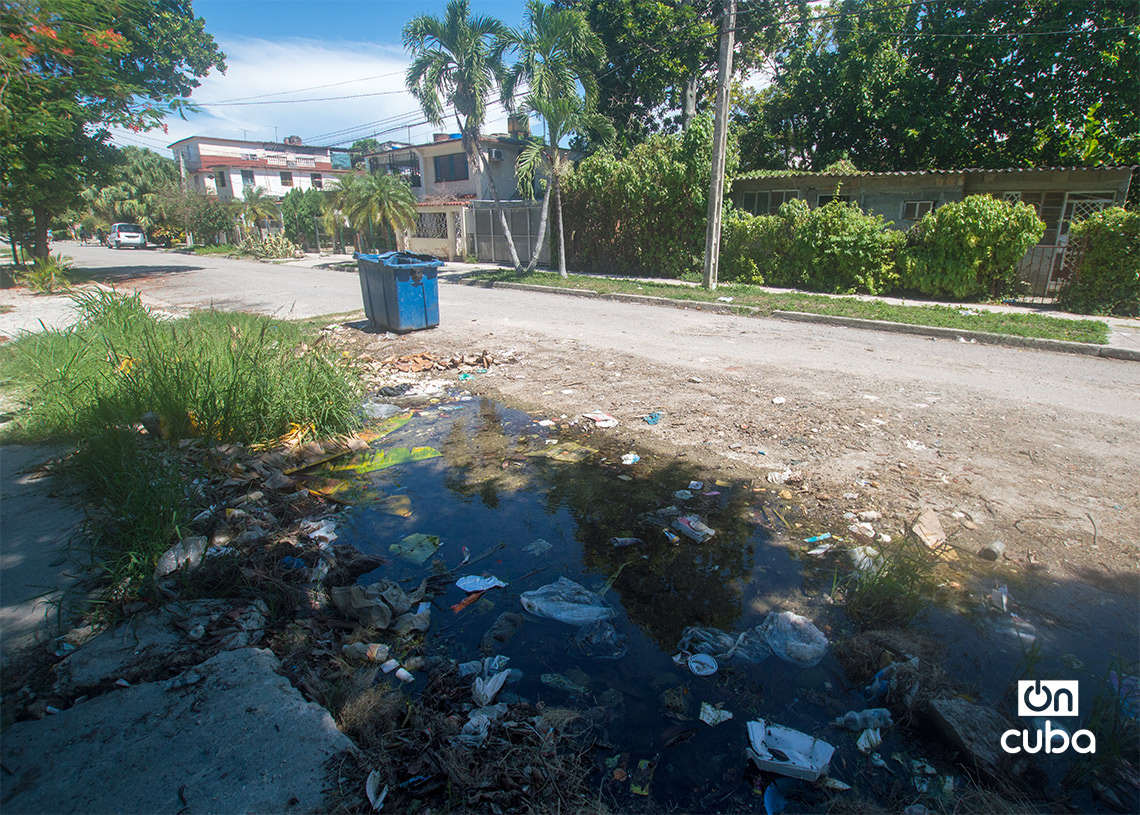
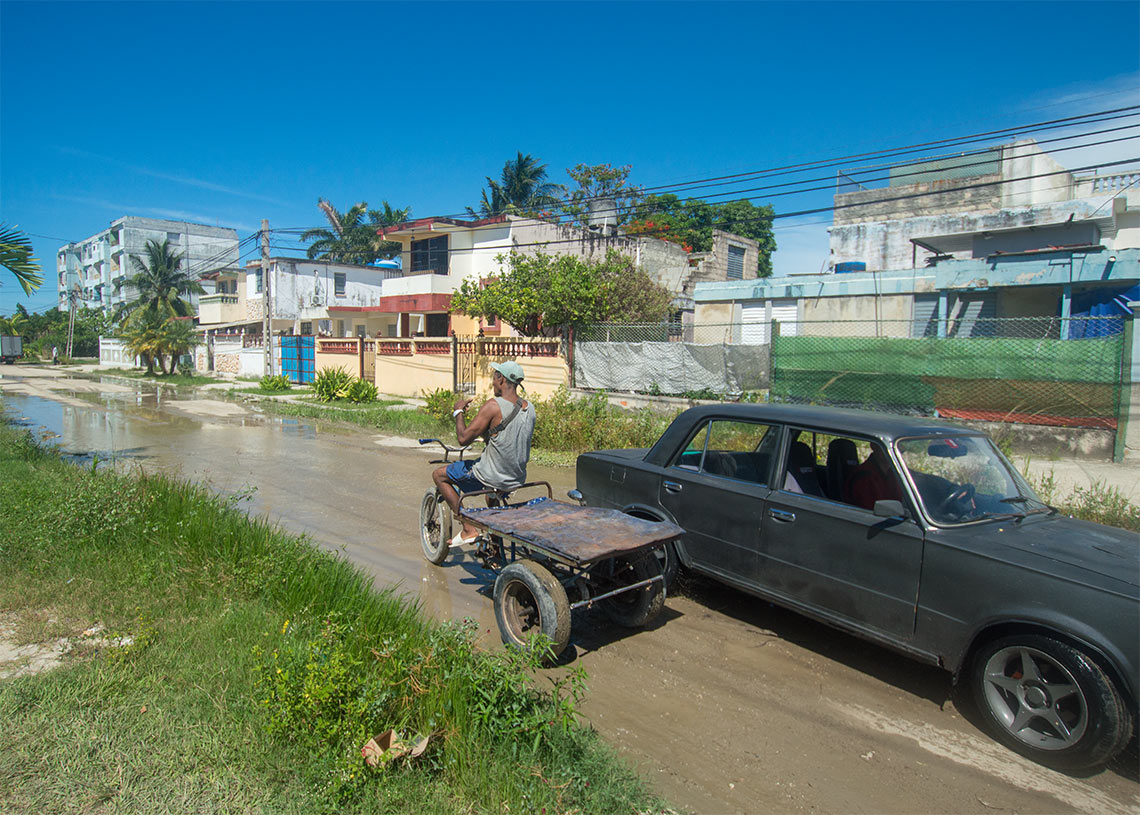
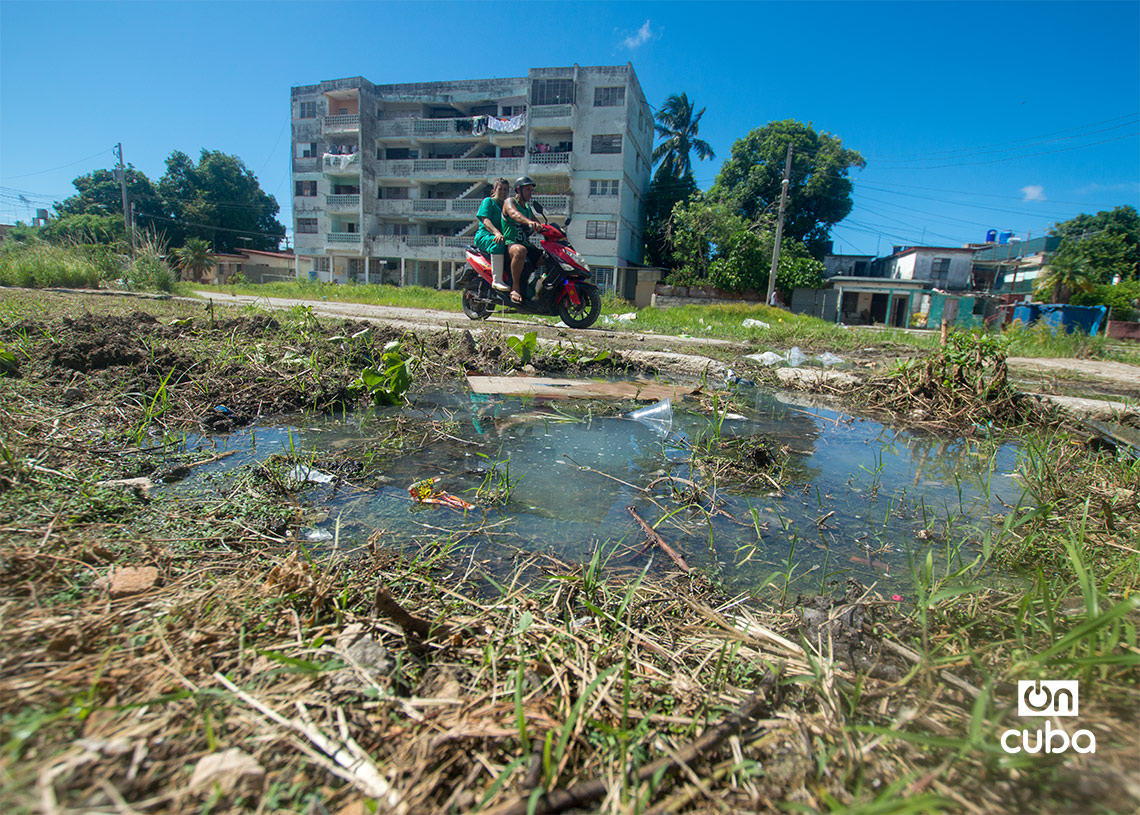
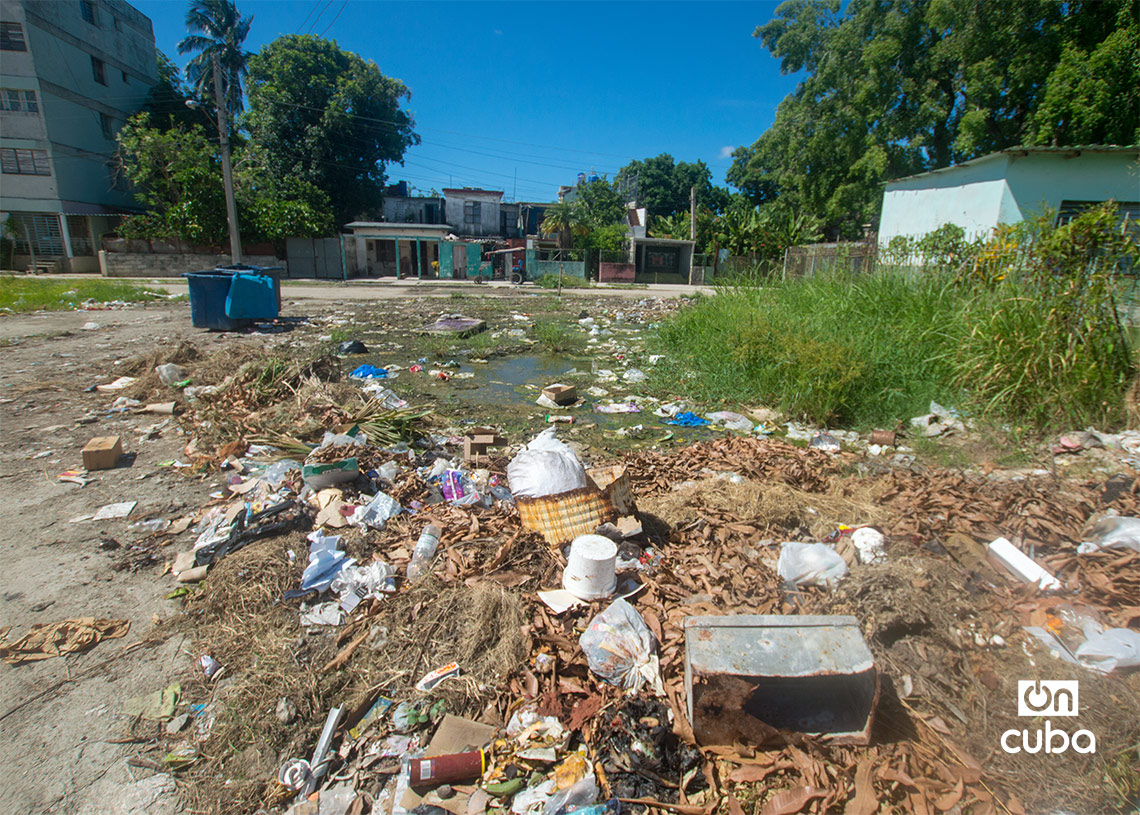
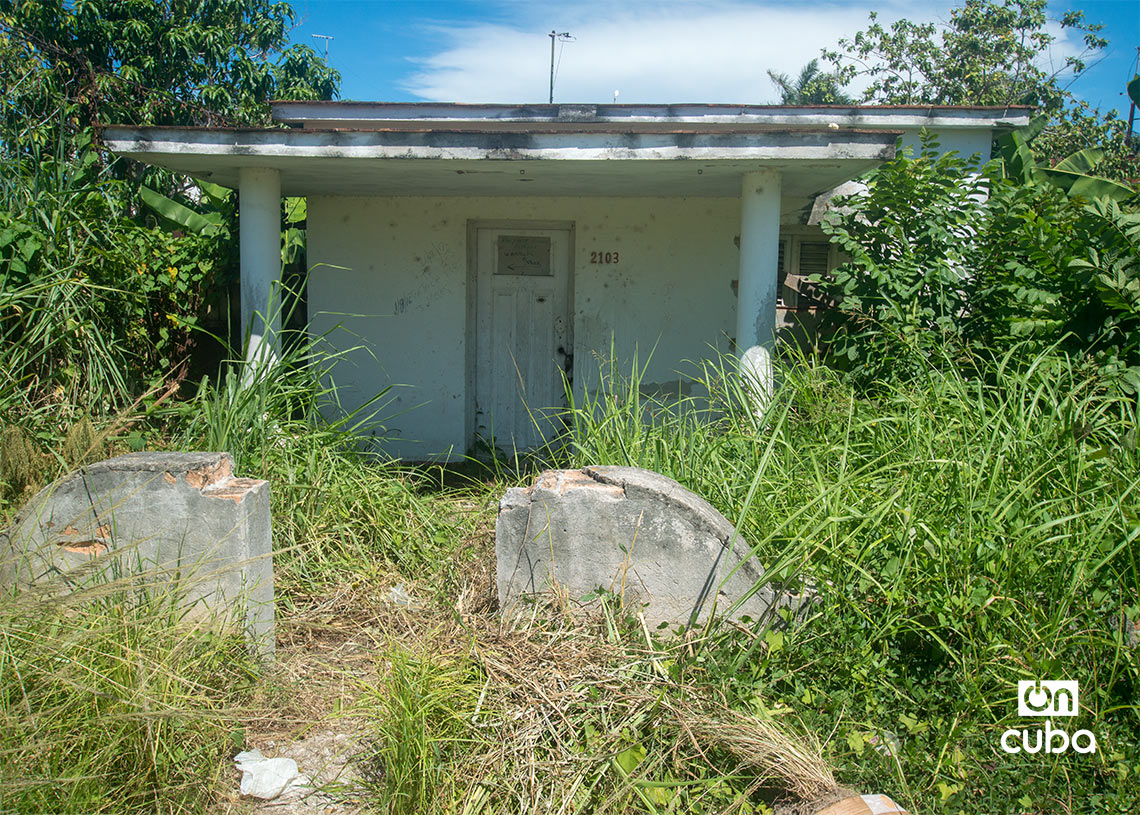
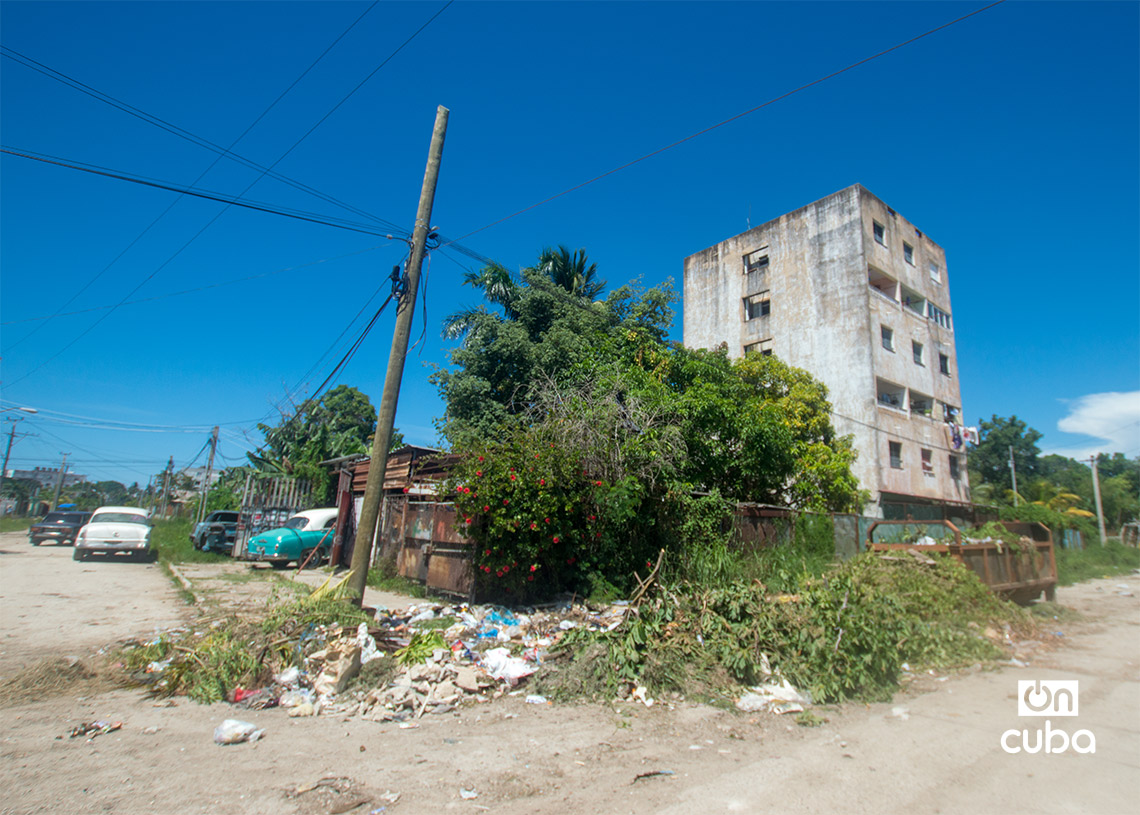
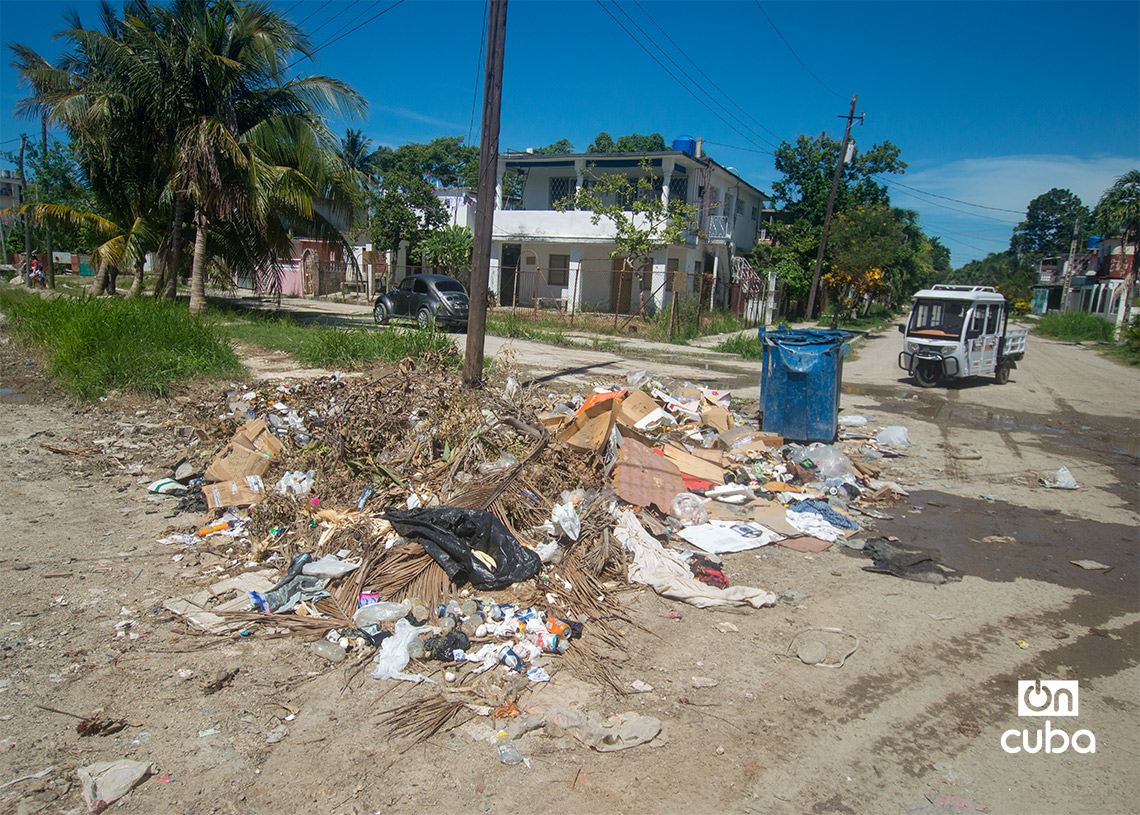
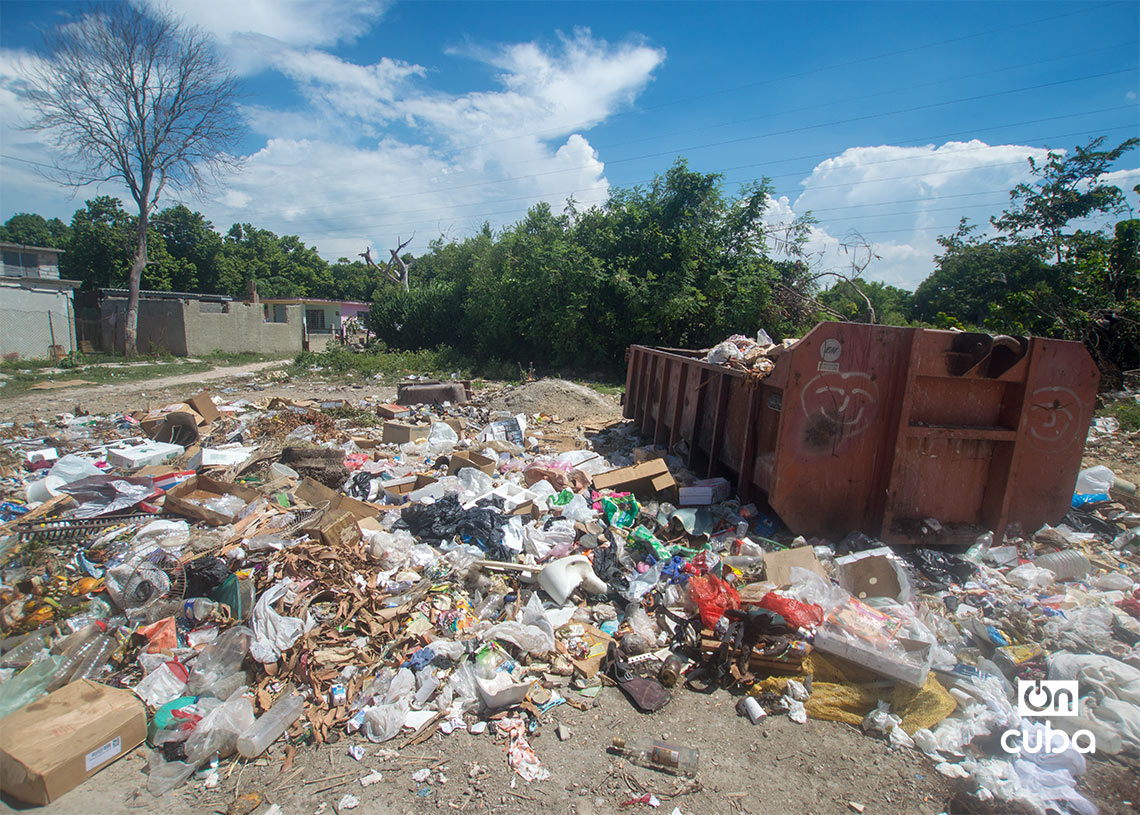
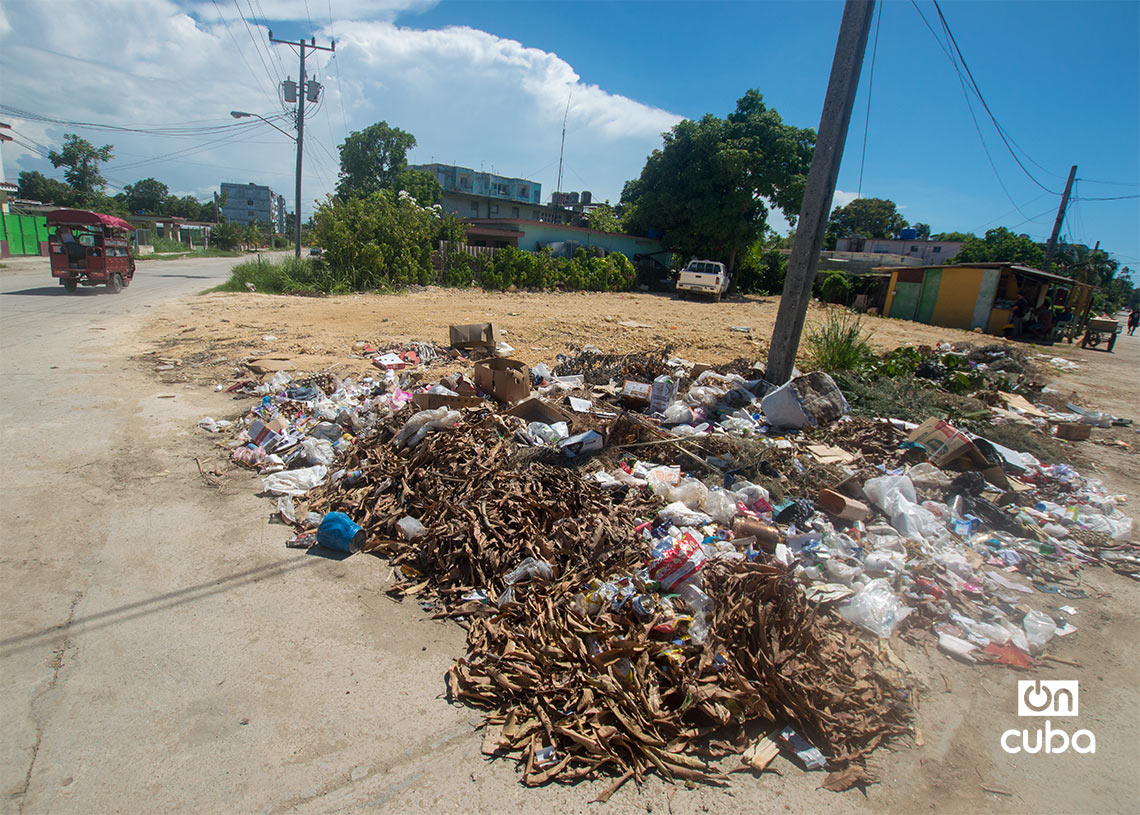
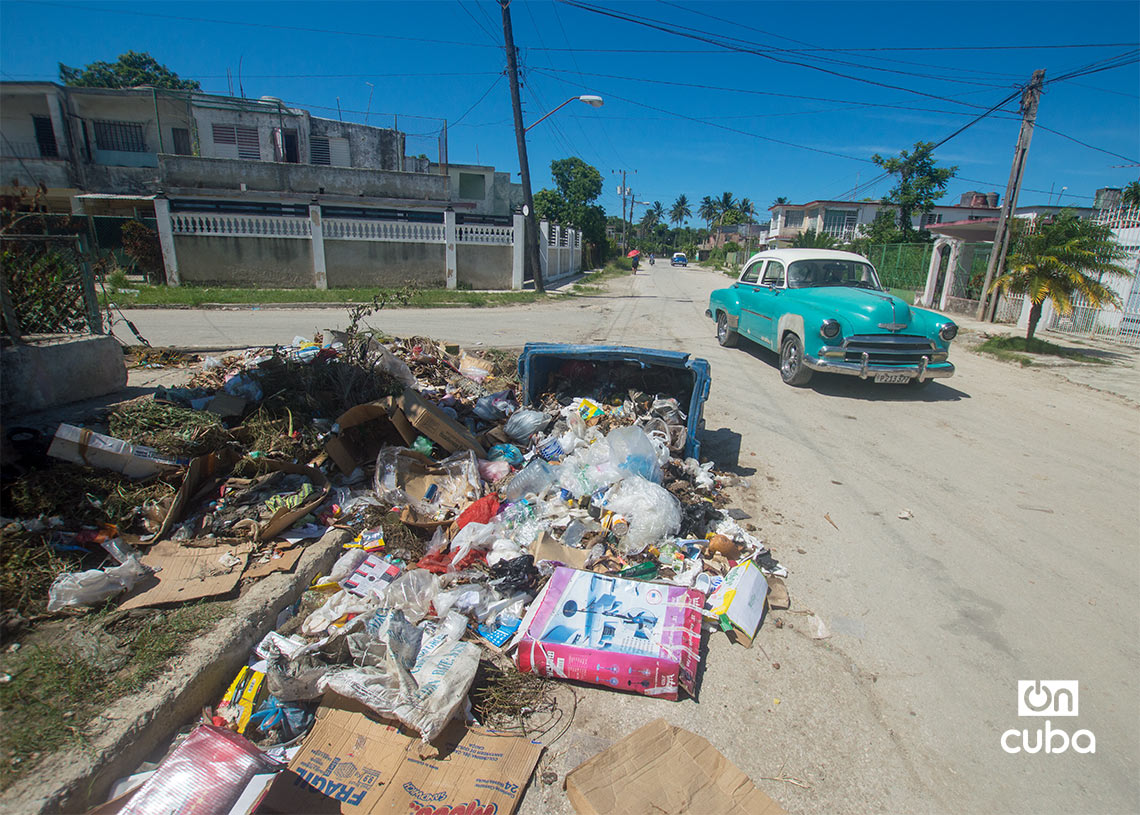
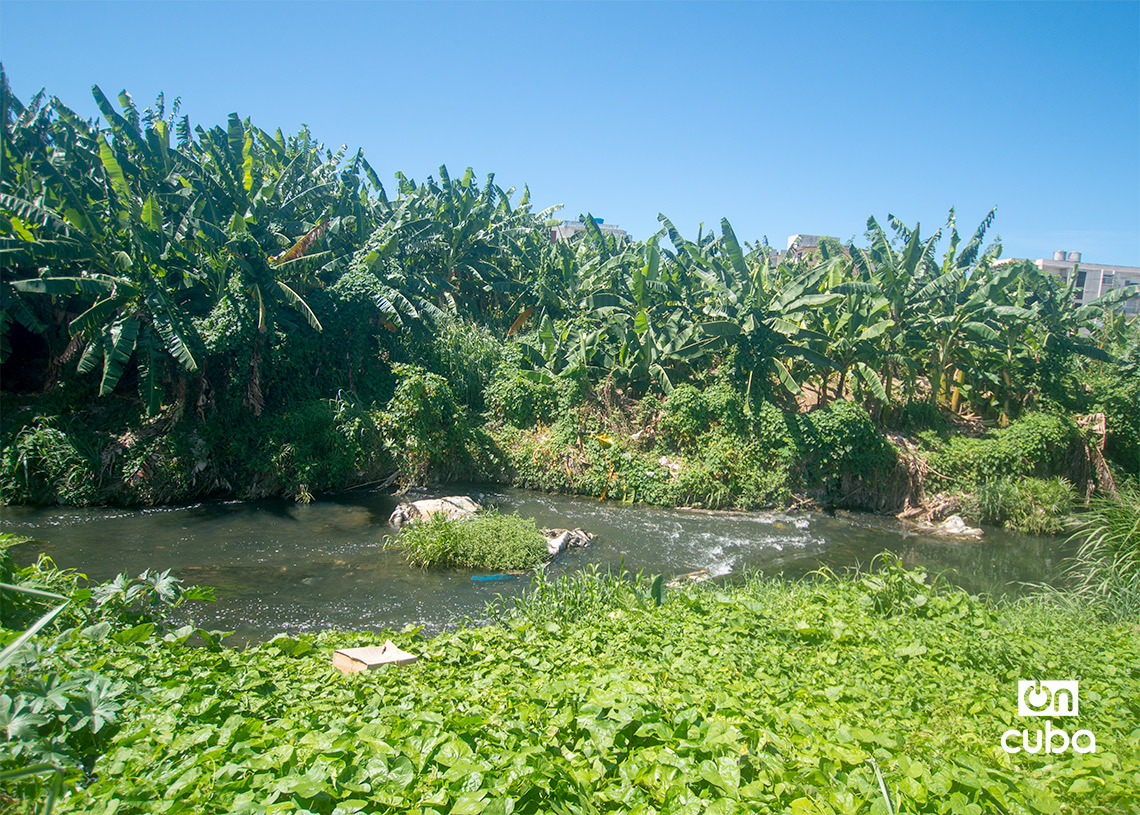
Together with their houses and state institutions and also some private businesses, in their environment there are no lack of the streets and deteriorated constructions – in contrast to others in a better state -, salideos that border on their roads and garbage dumps that overflow and expand, as a testimony of the crisis and the already naturalized, relegated to other more peremptory needs.
This is how the photoreporter shows us this Sunday Otmaro Rodríguezafter a recent tour of this perhaps less known, but in a few paradigmatic senses Barriada Habanera.
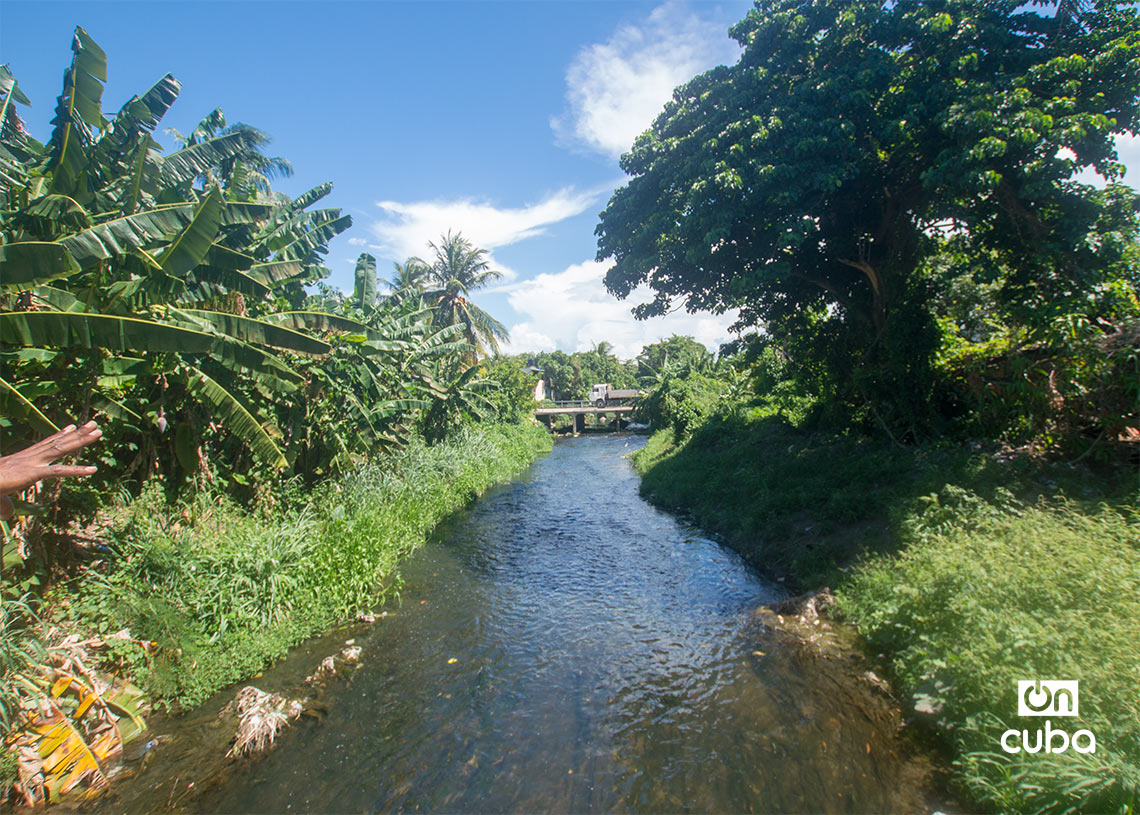
Park in the Martí cast, Havana. Photo: Otmaro Rodríguez.Park in the Martí cast, Havana. Photo: Otmaro Rodríguez.WATER SALIDERO Martí, Havana. Photo: Otmaro Rodríguez.WATER SALIDERO Martí, Havana. Photo: Otmaro Rodríguez.WATER SALIDERO Martí, Havana. Photo: Otmaro Rodríguez.WATER SALIDERO Martí, Havana. Photo: Otmaro Rodríguez.WATER SALIDERO Martí, Havana. Photo: Otmaro Rodríguez.WATER SALIDERO Martí, Havana. Photo: Otmaro Rodríguez.WATER SALIDERO Martí, Havana. Photo: Otmaro Rodríguez.WATER SALIDERO Martí, Havana. Photo: Otmaro Rodríguez.Yara street in the Martí cast, Havana. Photo: Otmaro Rodríguez.Yara street in the Martí cast, Havana. Photo: Otmaro Rodríguez.Rambla Street, Martí cast, Havana. Photo: Otmaro Rodríguez.Multifamily building, Martí cast, Havana. Photo: Otmaro Rodríguez.Housing in the Martí cast, Havana. Photo: Otmaro Rodríguez.Housing in the Martí cast, Havana. Photo: Otmaro Rodríguez.House in the cast Martí, Havana. Photo: Otmaro Rodríguez.Armchairs on the outside of a house in the Martí cast, Havana. Photo: Otmaro Rodríguez.Avenida América, Martí cast, Havana. Photo: Otmaro Rodríguez.Colón Street, Martí Cast, Havana. Photo: Otmaro Rodríguez.Basurero on 14th Street and Independence, Martí cast, Havana. Photo: Otmaro Rodríguez.Dump in the Martí cast, Havana. Photo: Otmaro Rodríguez.Dump in the Martí cast, Havana. Photo: Otmaro Rodríguez.Bridge on Victoria Street, Martí Cast, Havana. Photo: Otmaro Rodríguez.Target at the Martí cast, Havana. Photo: Otmaro Rodríguez.
The Dominican Government is holding talks with investment banks to acquire financial insurance that will mitigate the impact on the public finances of possible increases in crude oil, given the recent increase
Caixa Econômica Federal announced this Tuesday (3) the resumption of financing for the purchase of residential properties above R$2.25 million with resources from the savings account. The modality, framed in the Real
On February 11, a federal jury convicted Earl Richard Clouser, 55, of Burnham, Pennsylvania, for attempting to produce child sexual abuse material with a 15-year-old teenager in Cuba. According to the United
Havana/On the corner of 23rd and L, where for decades Havana waited in line to enjoy a five-scoop salad, this Tuesday the only possible taste was the bitter aftertaste of frustration. The
“PDVSA has signed supply contracts with companies marketing oil and derivatives destined for the United States market,” the state-run company reported without identifying the companies or offering more details of the contracts.