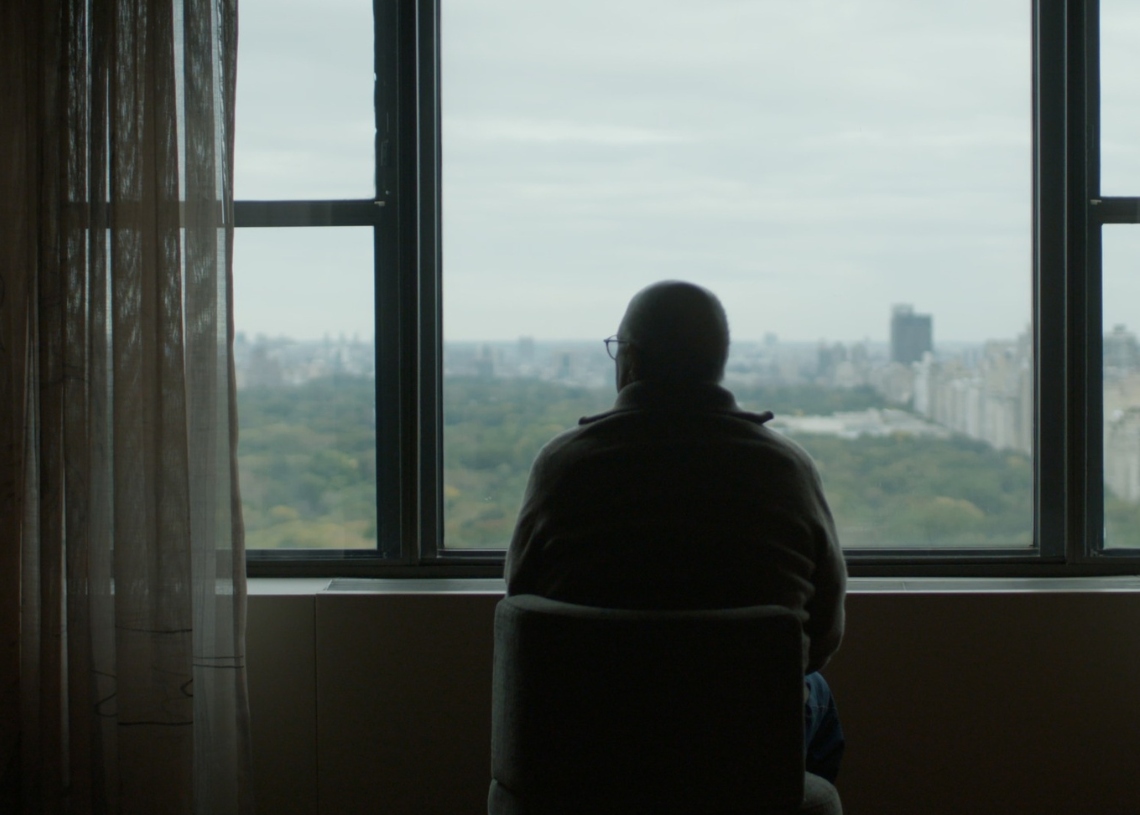
The documentary Living. The relentless time of Pablo Milanés was not included in the program of the International Festival of New Latin American Cinema in Havana, according to its director Fabien Pisani.
“A few months ago we sent both films to the selection committee of the International Festival of New Latin American Cinema, the most important event on the island, and perhaps in the region,” said Pisani, referring to In the hot: tales of a reggaeton warrior and Living. The relentless time of Pablo Milanés.
The first, to Pisani’s surprise, was welcomed by the Festival, despite being “more openly political, and exploring the perverse effects of bureaucracy when it exercises absolute control over the means of cultural production and distribution of an entire country.”
“For several days we had no news about my most recent film, PARA VIVIR, El Implacable Tiempo by Pablo Milanés. My team and I asked the selection committee several times, which did not respond, until the answer finally came: the film had not been selected.”
“I believed that the festival would be the ideal space for the Cuban people to meet again with one of their most beloved artists,” he said.
“I came to think that those who direct our culture —and that for a long time they seem determined to do everything backwards— “They would take advantage of the opportunity to repair, at least symbolically, the long history of grievances towards one of their most illustrious and unique sons,” wrote Pisani, also producer of 7 days in Havana (2012), directed by several American and European filmmakers, including the Puerto Rican Benicio del Toro.
Only after insistent consultations did the negative response come. The film about Milanés, died in November 2022offers a human and emotional portrait of the artist, a key figure in Cuban music.
“And although it hurts, that silence confirms what we often try to forget: that in Cuba cinema —like memory, like the word, like everything— “It continues to be a guarded territory,” said the producer.
Living… It has been screened at prestigious festivals such as Sheffield DocFest (United Kingdom), Mar del Plata International Film Festival (Argentina), Morelia International Film Festival (Mexico) and DOC NYC (United States). These events guarantee its artistic, technical and narrative quality, which leads Pisani to think that “it was not just a curatorial decision.”
In his words, he was confident that the festival – the most relevant film competition in Cuba and one of the main ones in Latin America – would serve as a space for the Cuban public to access the troubadour’s history.
Pablo Milanés faced tensions with the cultural authorities for years, including the attempt to ruin his last concert in Havanamonths before his death, an event that many considered his symbolic farewell.
Cuban director will present his documentary on the island’s reggaeton in Barcelona
“From whom and from where, in the opaque meander of Cuban bureaucracy, did that decision come?” asks Pisani.
So far, the Festival Organizing Committee has not issued public comments on the reasons for the exclusion.
The filmmaker continues “believing in the need to tell and share these stories, to look at each other without fear. Because as long as we film, sing, write, dream, there will be a future. Although that future, for now, cannot be projected in the cinemas of Havana, it will continue to beat in every story that we dare to tell.”
Born in Havana, Pisani has been promoting cultural projects for more than two decades as a promoter, producer and director in music, film and television.
He has also promoted projects linked to the creative economy and cultural development in Cuba. He is founder of the magazine Zafra Media and the Musicabana International Music Festival, initiatives that seek to promote the cultural values of the island.