Today: December 5, 2025
October 12, 2025
2 mins read

Hasekura Tsunenaga, a samurai in Havana

Hasekura Tsunenaga, a samurai in Havana

Four centuries ago it reached Havana the first samurai known in Cuba: Hasekura Tsunenaga.

The warrior and navigator landed in the then capital of the island on July 23, 1614. He did so on his way to Spain, at the head of a diplomatic embassy from Japan, sent by the shogun Tokugawa Hidetada to establish relations with the Spanish crown and the Holy See in Rome.

Fragment of a portrait of the samurai Hasekura Tsunenaga, made by the French painter Claude Deruet in 1615.

The story of Tsunenaga, and in particular his diplomatic mission, is legendary. He arrived in Cuba months after setting sail from Tsukinoura Bay, sailing through the Pacific Ocean and crossing Mexico. His stay in Havana would be brief, but at the same time historic.

Chronicles about that event speak of the surprise that the presence of the Japanese samurai and his entourage aroused in the colonial authorities and the people of Havana at the time. Their physical features, their unusual clothing and footwear, and their peculiar swords did not leave those who were able to see them indifferent.
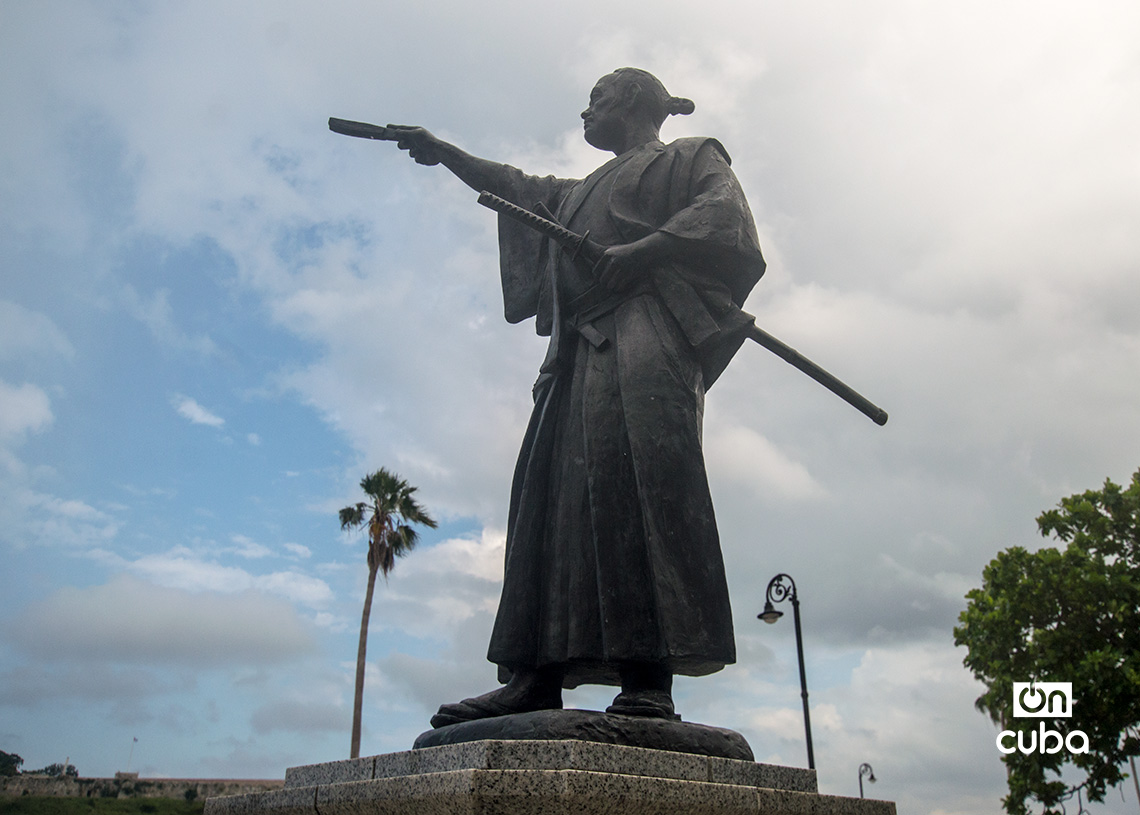
Hasekura Tsunenaga, first samurai to visit Havana. Photo: Otmaro Rodríguez.

From Cuba, Tsunenaga would continue towards Spain, where he was received by King Philip III and converted to Christianity, although he was unable to finalize the trade agreements he intended. During his time in Europe he would also arrive at the Vatican, where he spent three months as a guest of Pope Paul V.

The samurai began his return to Japan in 1616, after passing through Spain again, and arrived in his country in 1620, seven years after his departure. Their mission, known as the Keichō Embassy, ​​had few practical results as Japan changed course and outlawed Christianity. Tsunenaga’s own end, in 1622, is shrouded in a halo of mystery.
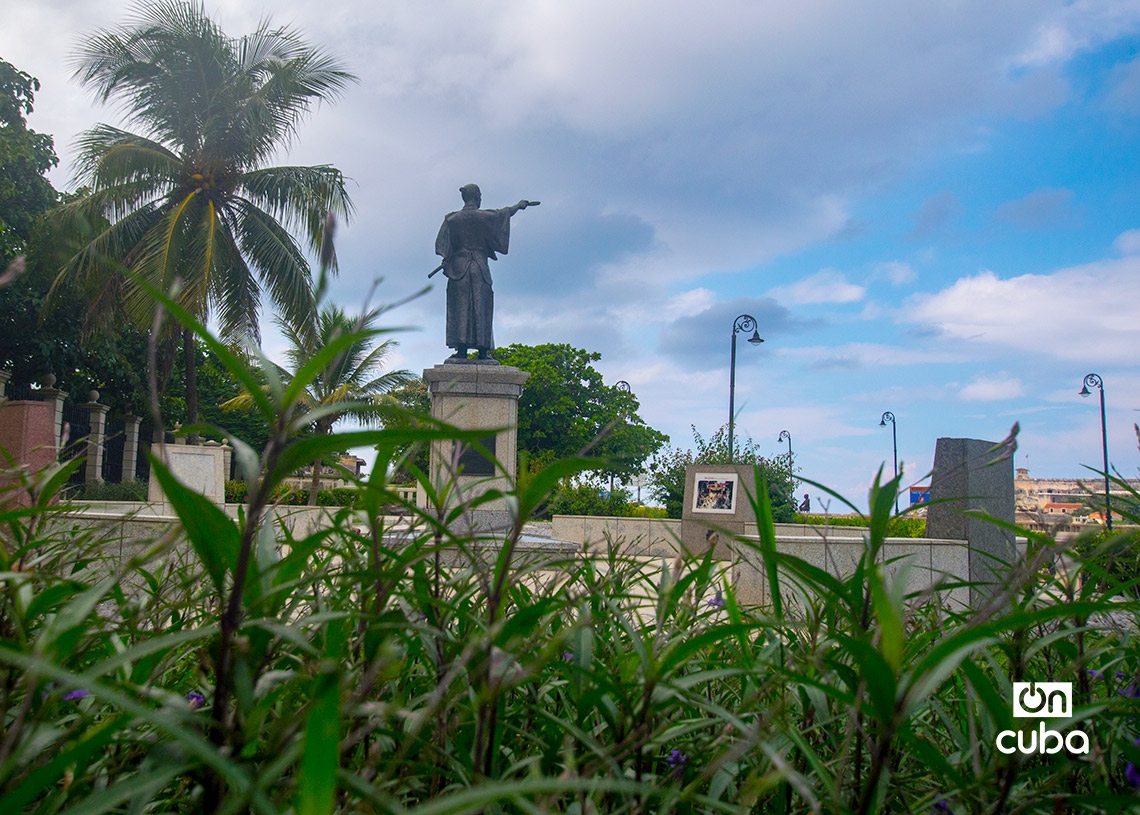
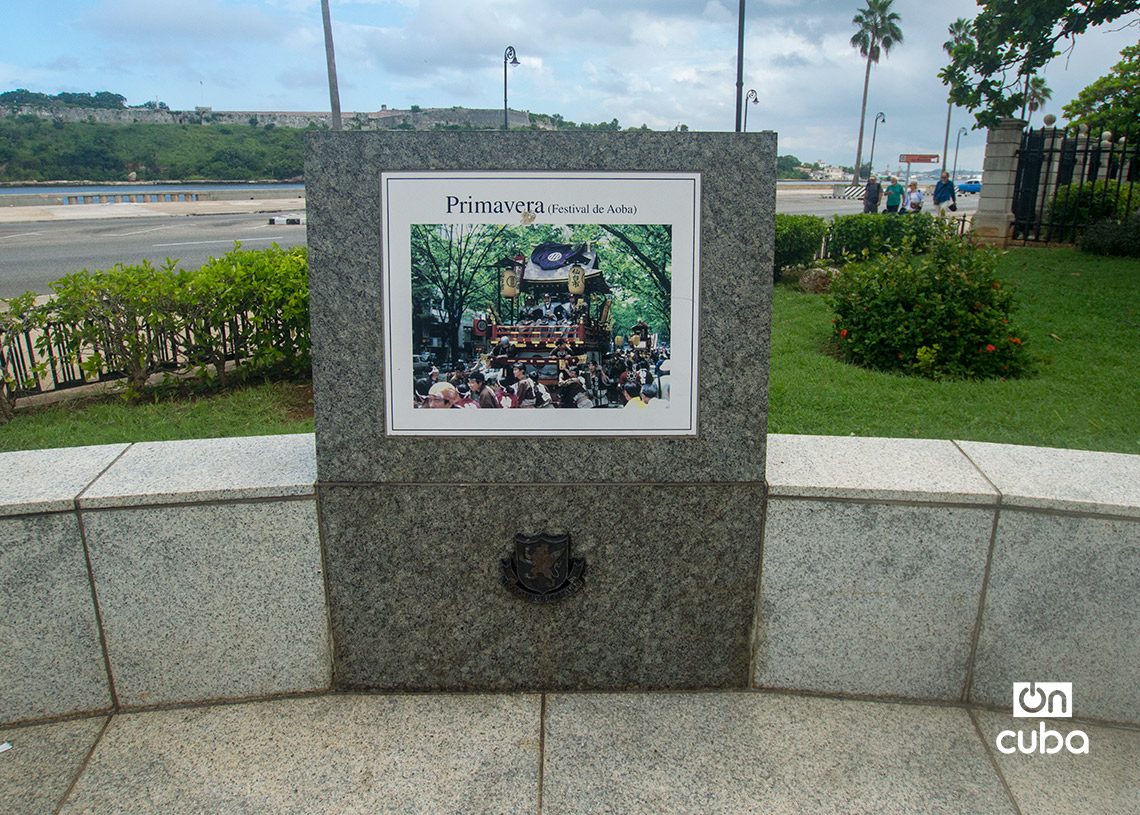
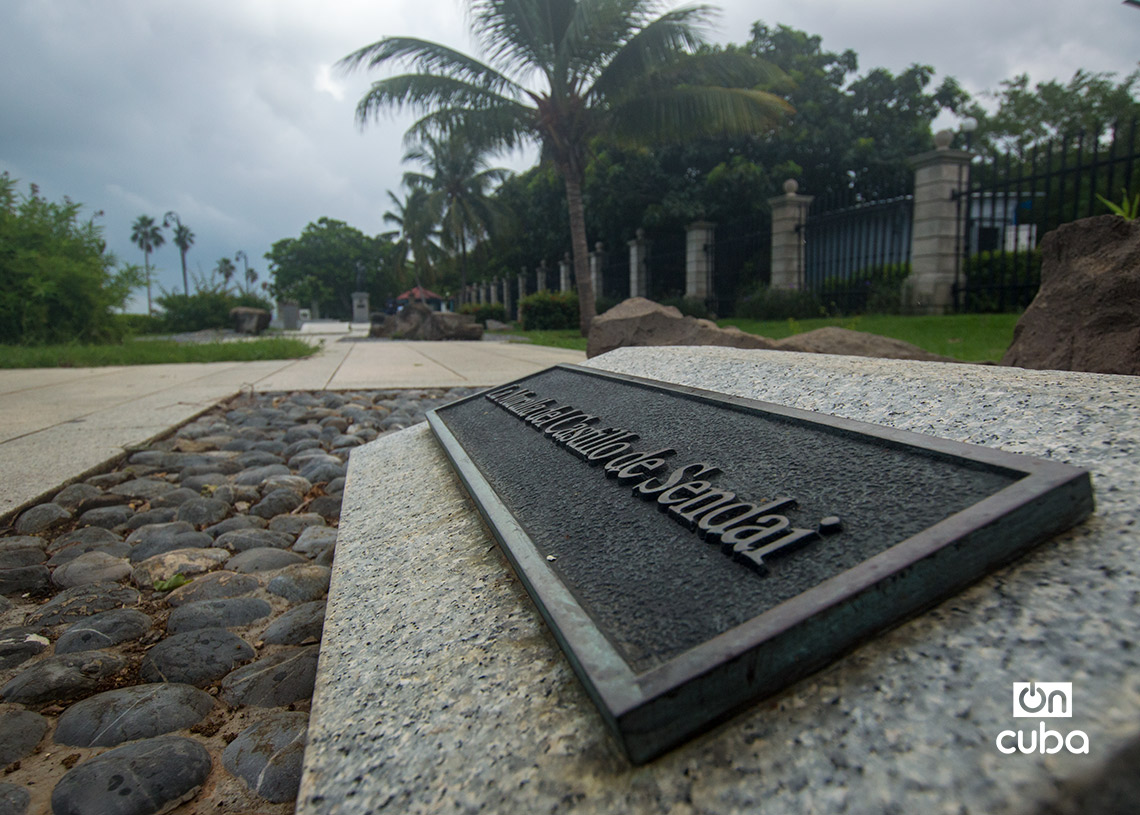
Monument and park in Havana in honor of Hasekura Tsunenaga, the first samurai to visit Cuba. Photo: Otmaro Rodríguez.

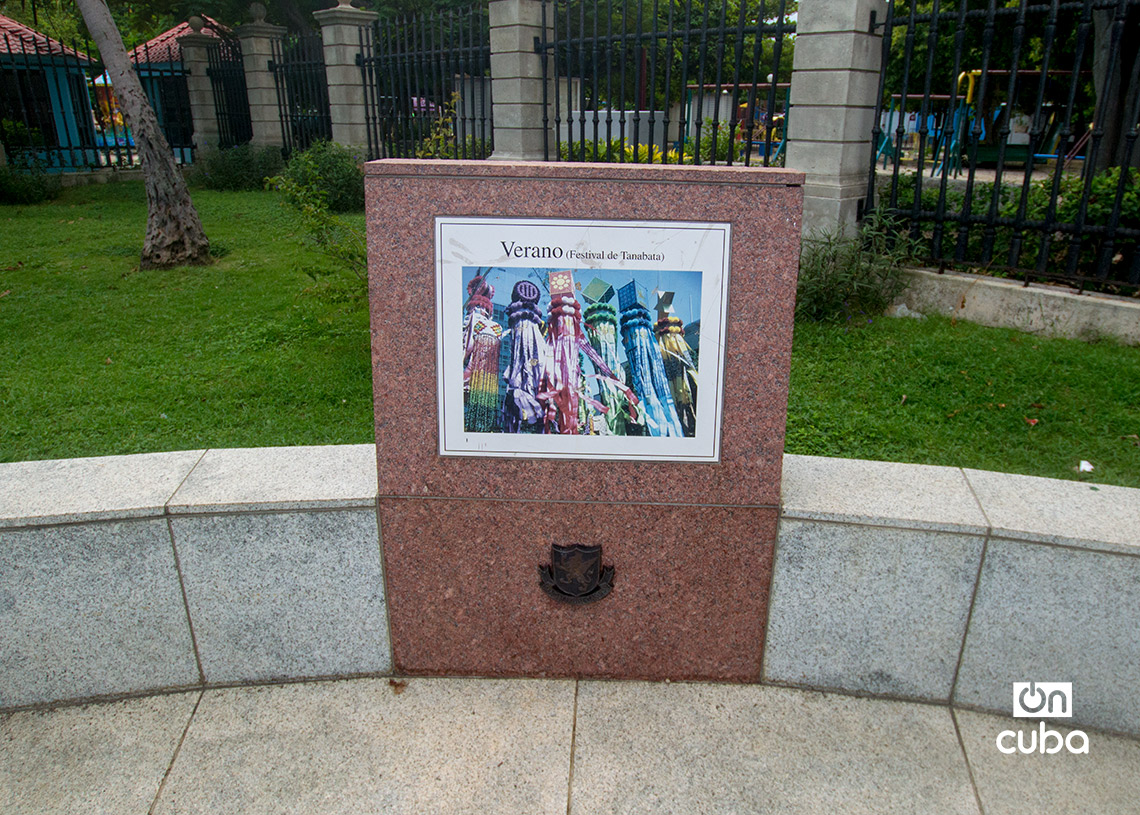
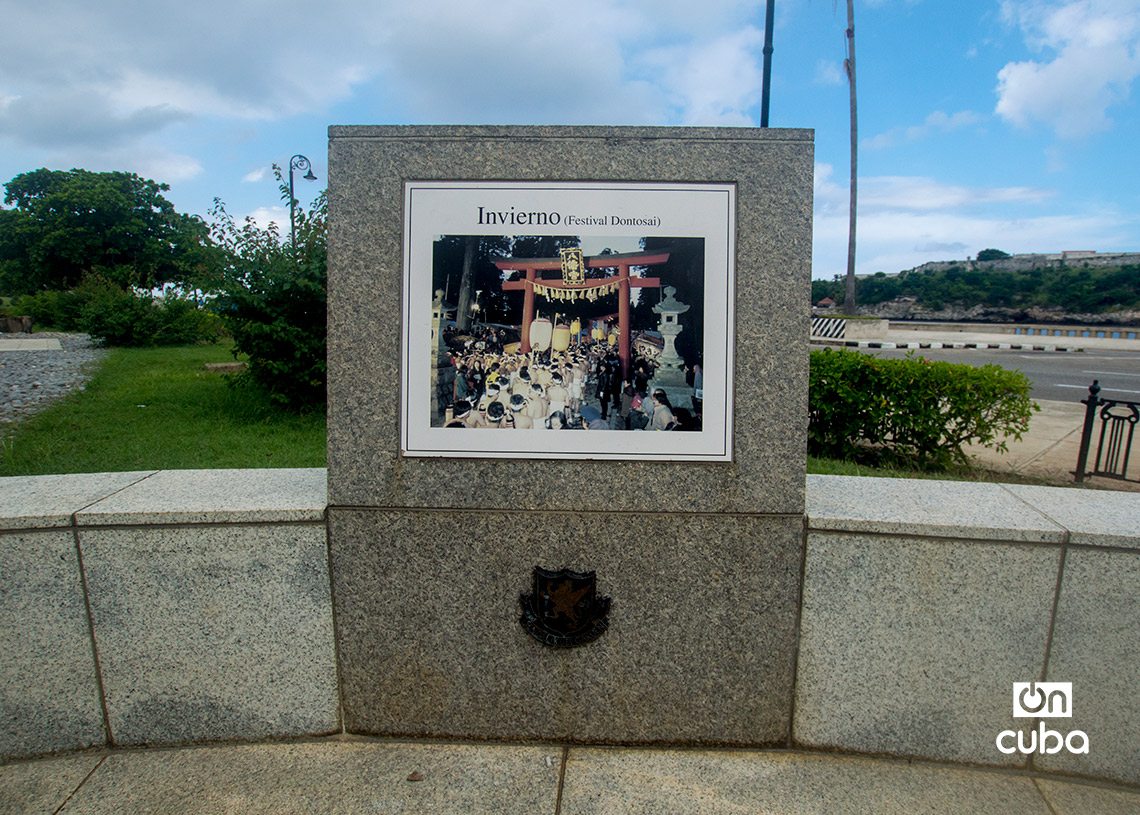
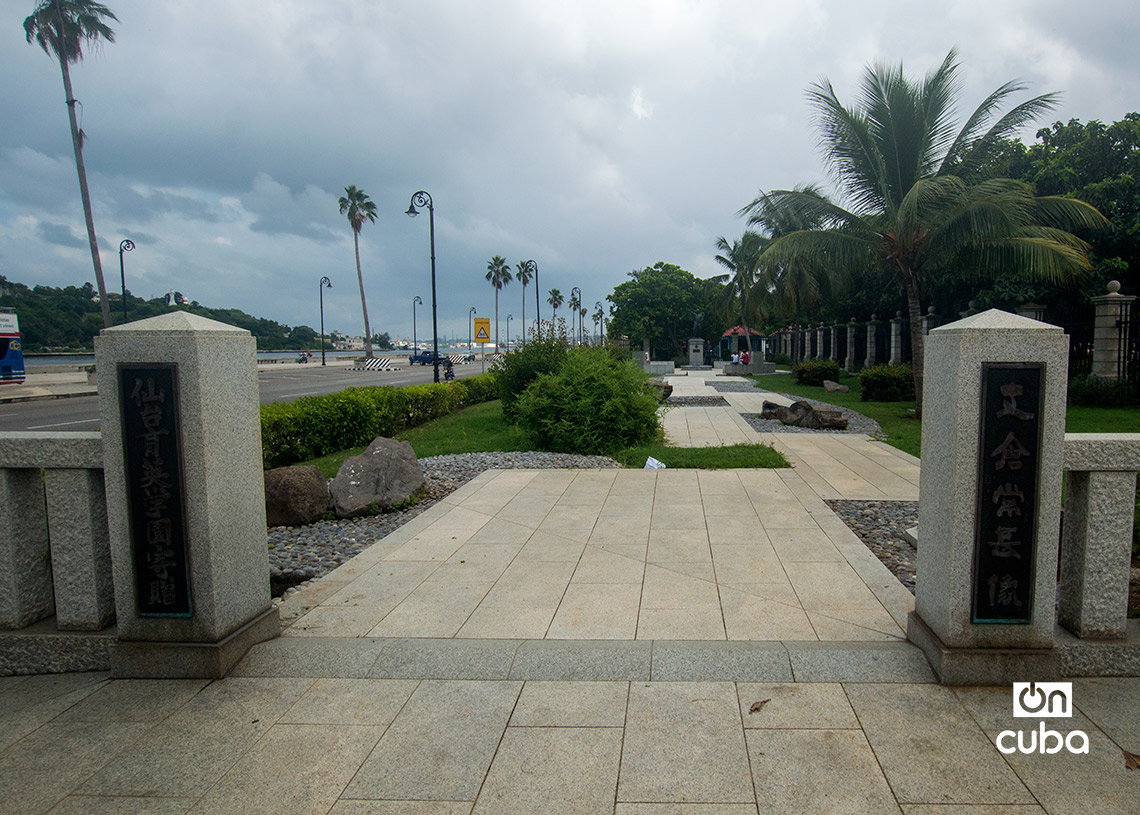
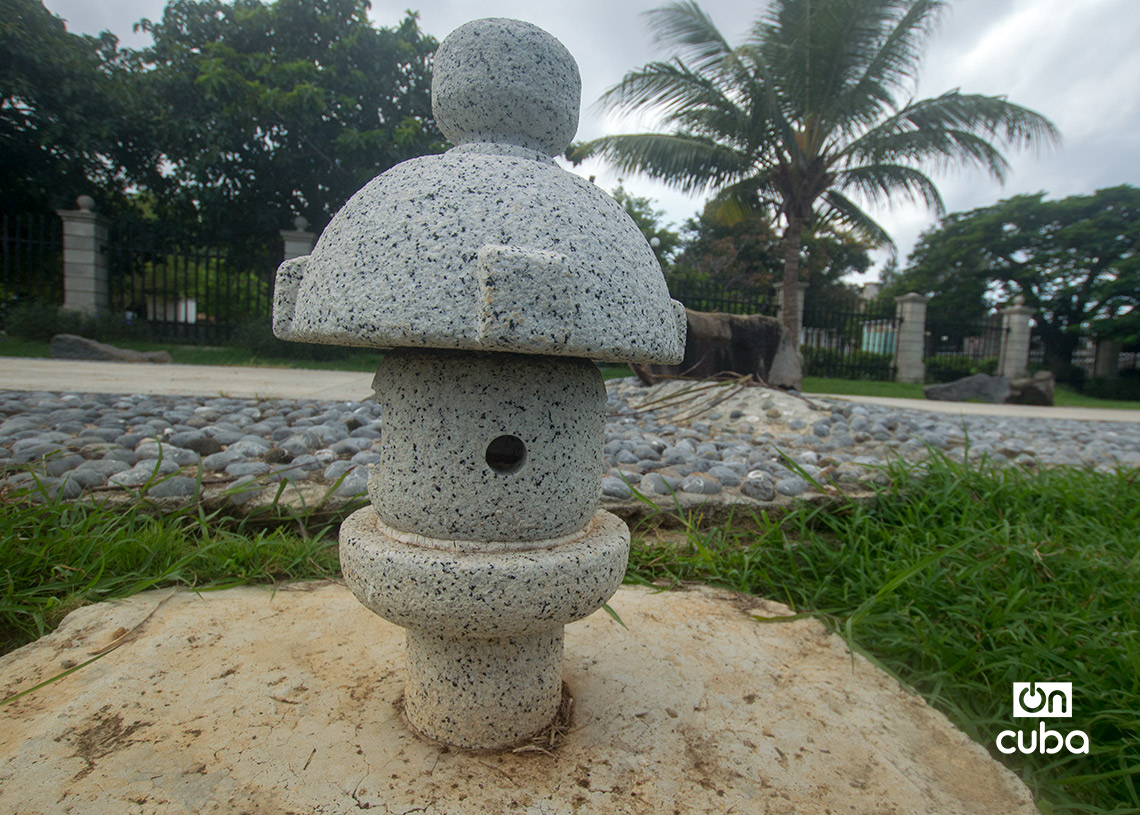
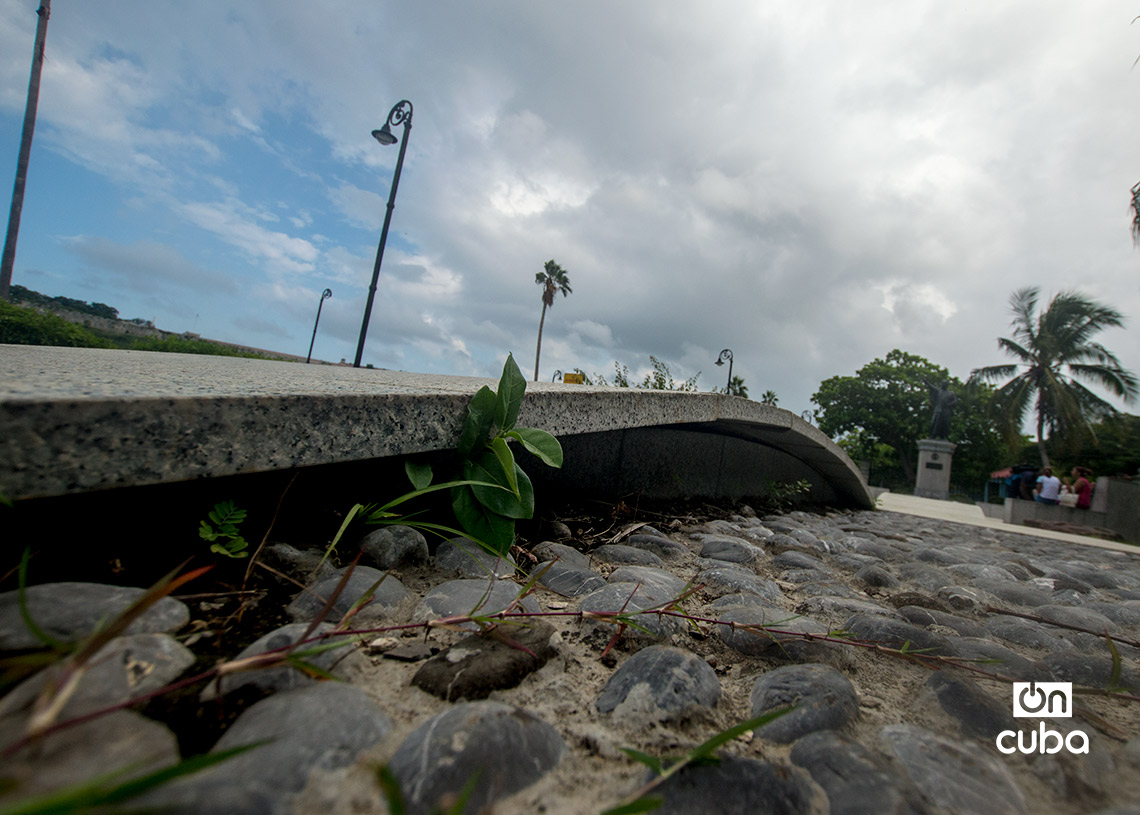
In 2001, almost 400 years after Hasekura Tsunenaga arrived in Havana, his presence was immortalized with the placement of a statue in his honor. The monument, located on Avenida del Puerto, is the work of the sculptor Tsuchiya Mizuho and is located in a Japanese-style park near the entrance to the bay.

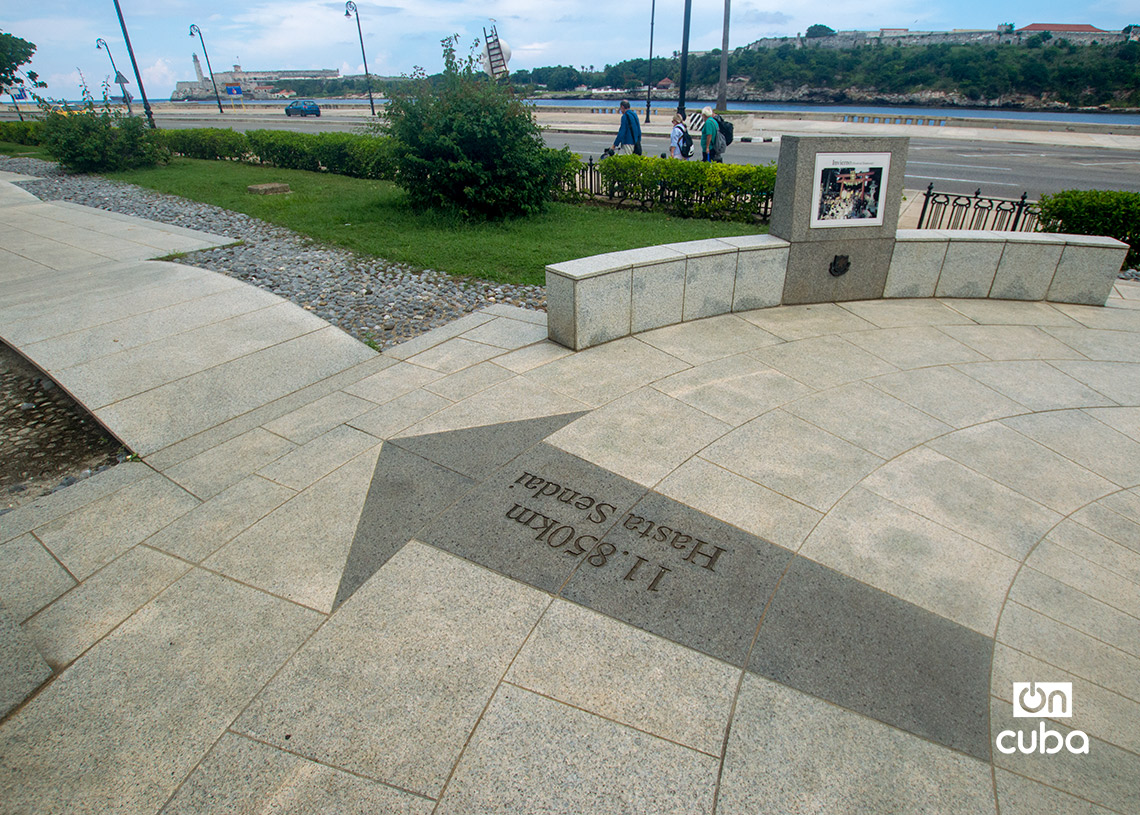
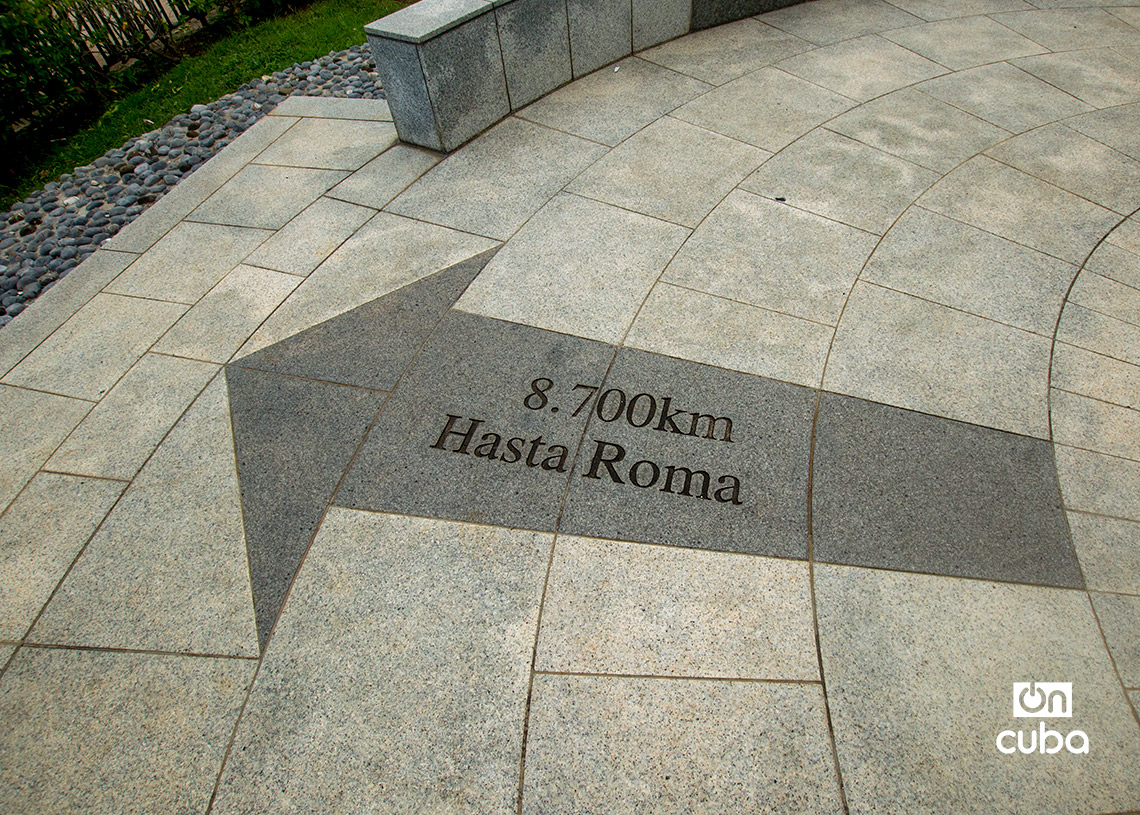
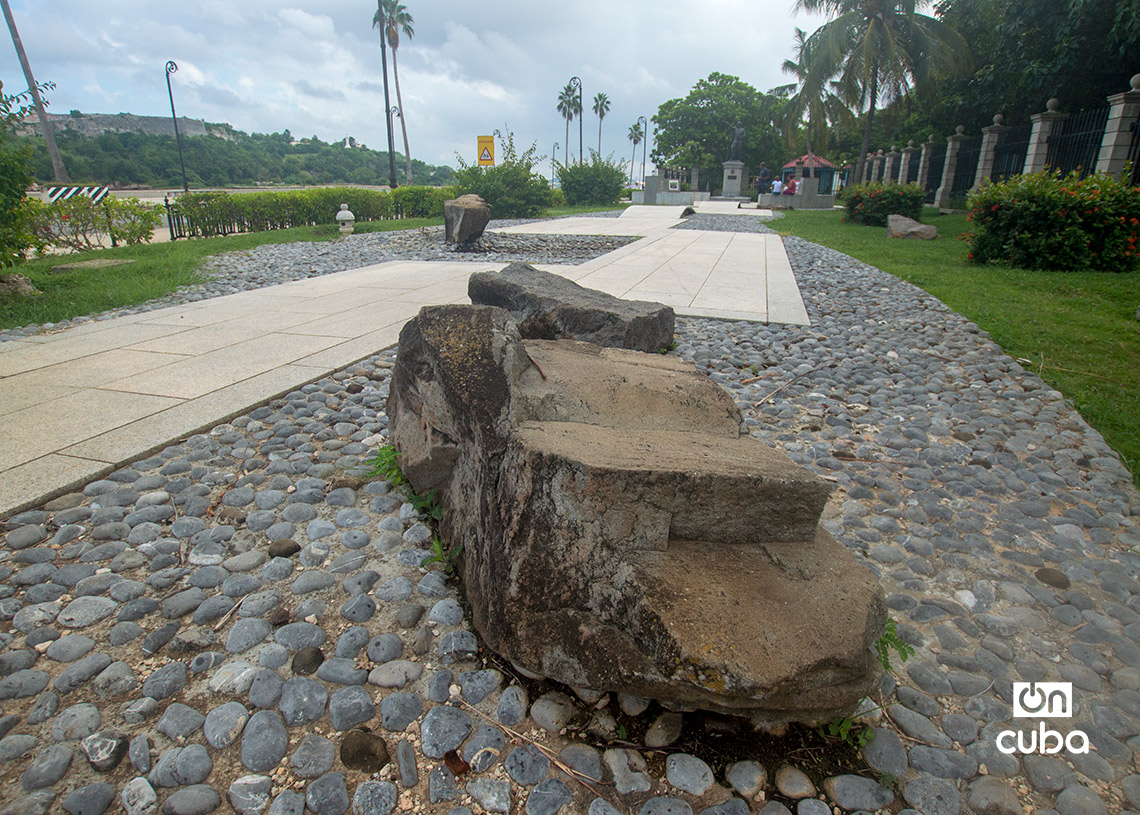
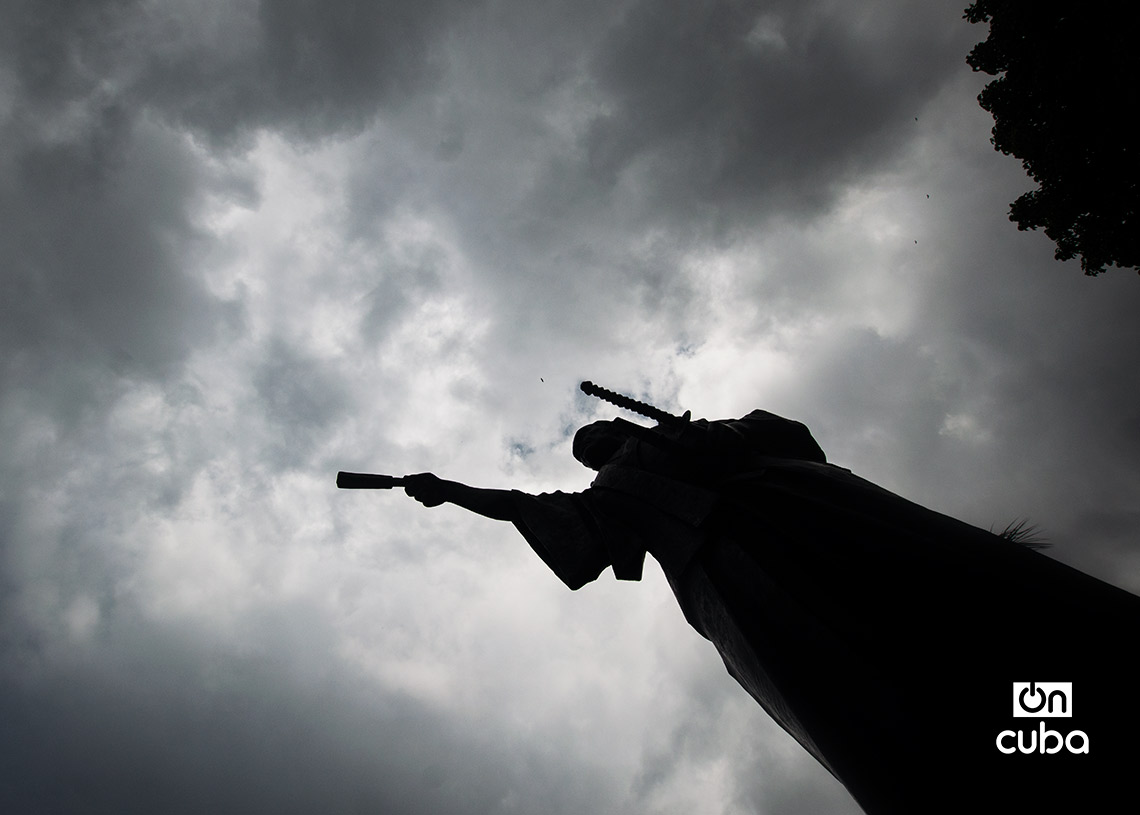
The sculpture, cast in bronze on a granite pedestal, shows the samurai in a ceremonious posture, with his arm outstretched holding a fan. Meanwhile, the floor points towards Rome, where Tsunenaga arrived on his diplomatic mission, and towards Sendai, his hometown.

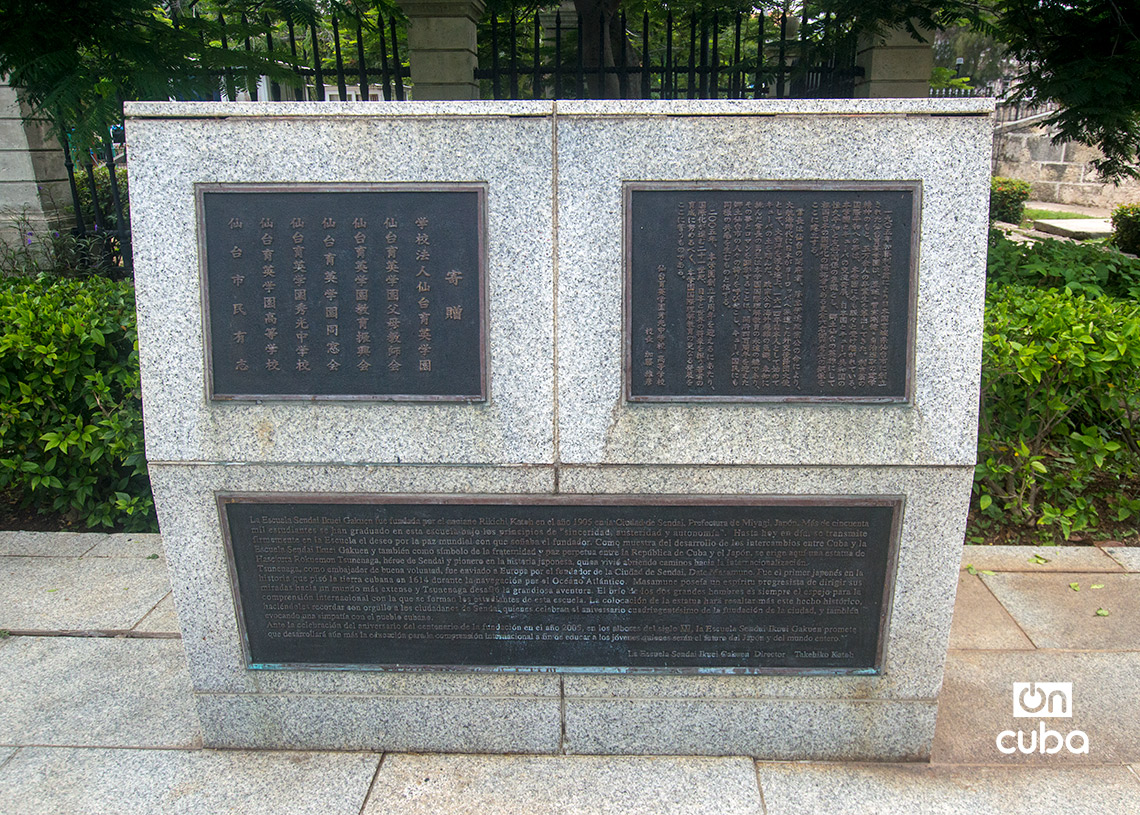
Donated by the Sendai Ikue Gakuen School, the work constitutes a symbol of the historical and cultural ties between Cuba and Japan. The photojournalist brings us closer to her today in his usual Sunday gallery. Otmaro Rodríguez.
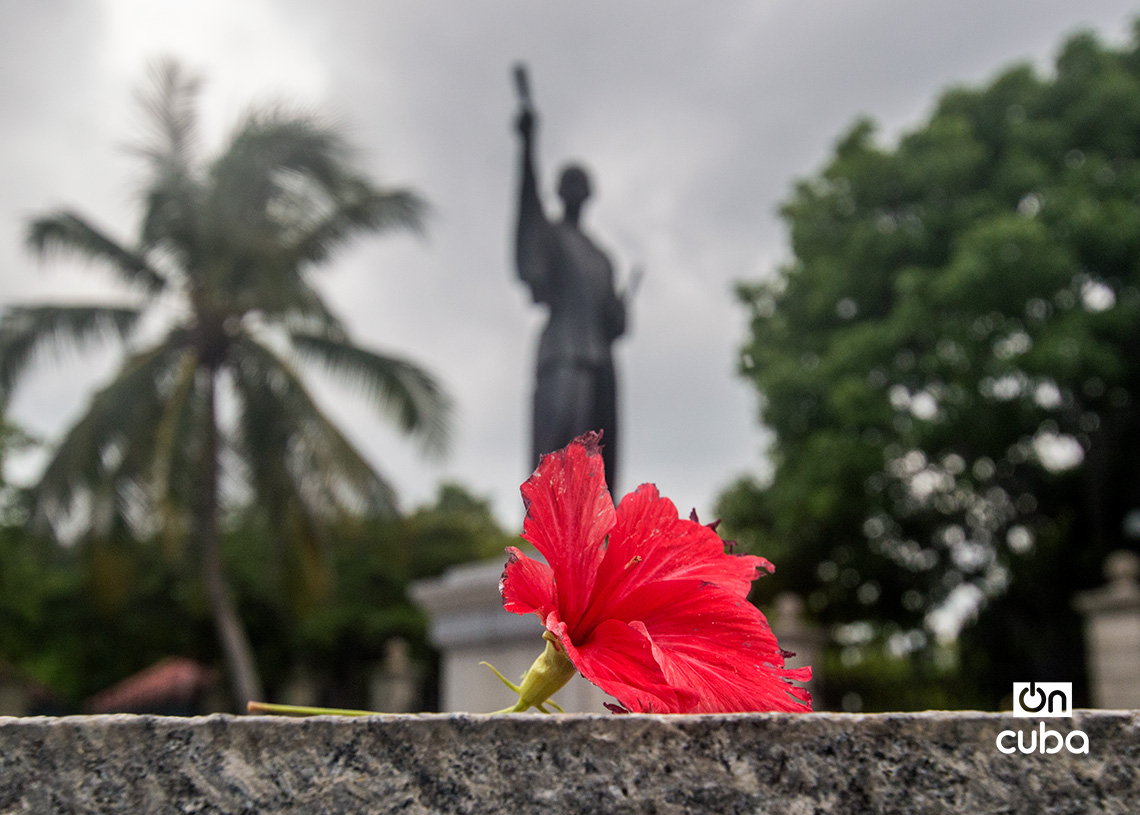
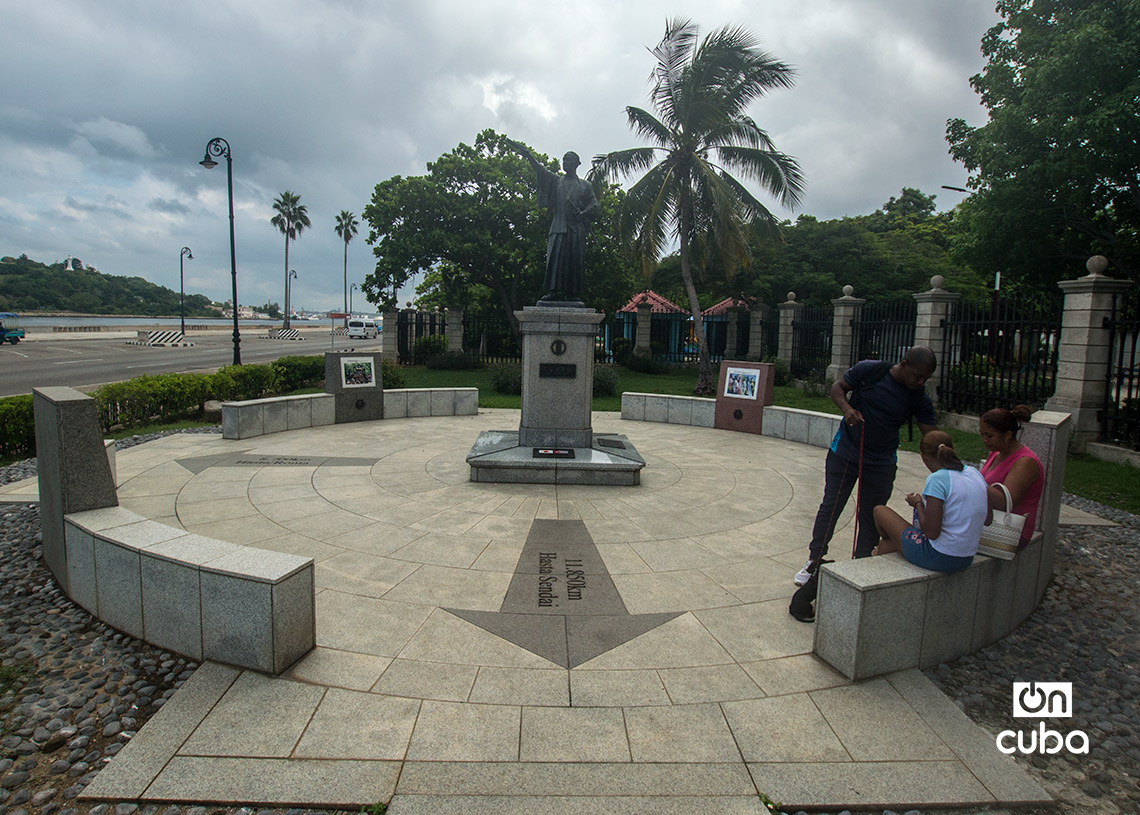
Monument in Havana to Hasekura Tsunenaga, the first samurai to visit Cuba. Photo: Otmaro Rodríguez.


Monument and park in Havana in honor of Hasekura Tsunenaga, the first samurai to visit Cuba. Photo: Otmaro Rodríguez.
Park in Havana in honor of Hasekura Tsunenaga, the first samurai to visit Cuba. Photo: Otmaro Rodríguez.





Fragments of the wall of Sendai Castle, in the park in Havana in honor of Hasekura Tsunenaga, the first samurai to visit Cuba. Photo: Otmaro Rodríguez.
Park in Havana in honor of Hasekura Tsunenaga, the first samurai to visit Cuba. Photo: Otmaro Rodríguez.

Source link

Latest Posts

They celebrated "Buenos Aires Coffee Day" with a tour of historic bars - Télam
Cum at clita latine. Tation nominavi quo id. An est possit adipiscing, error tation qualisque vel te.

Categories

The guajiros of Hanabanilla live to the rhythm of the boats
Previous Story

The guajiros of Hanabanilla live to the rhythm of the boats

The currencies with which the most market operations are carried out in the world
Next Story

The currencies with which the most market operations are carried out in the world

Latest from Blog

In Amazonas, 62% of logging is done illegally

In Amazonas, 62% of logging is done illegally

Of the 68 thousand hectares in which logging is carried out in Amazonas, 42 thousand did not have authorization from environmental agencies for the activity, according to a survey released this Friday
Go toTop