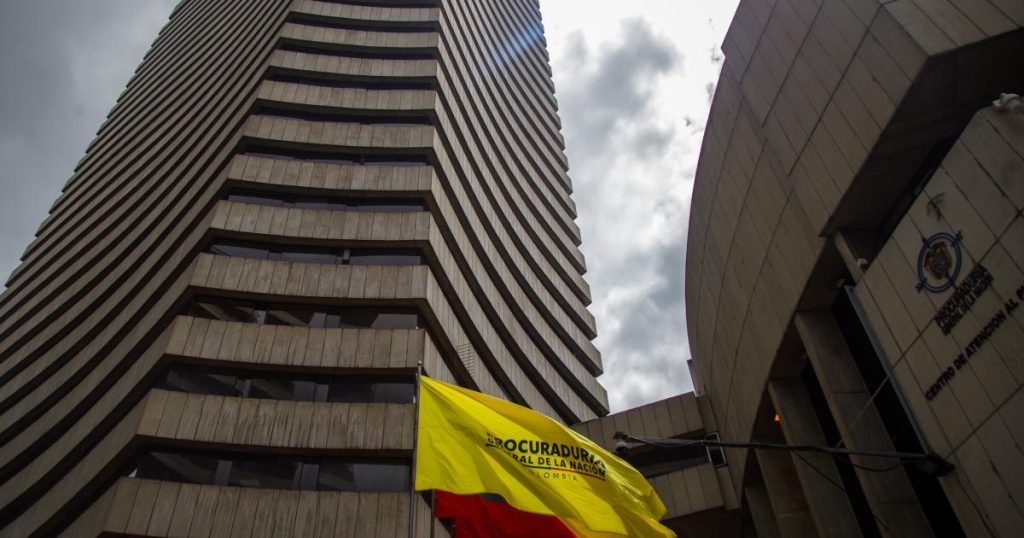
The decision of the Council of Ministers was reflected in the Official Gazette of the Republic of Cuba Extraordinary No.65, Agreement 10247.
LIMA, Peru – The Council of Ministers in Cuba approved this Saturday that the State Budget finances only 50% of the sales prices of construction materials for the victims of Hurricane Melissa in the provinces of Guantánamo, Santiago de Cuba, Granma, Holguín and Las Tunas.
On October 31, 2025, the Official Gazette of the Republic of Cuba Extraordinary No.65, publishes Agreement 10247, establishing that the affected population to whom the products are sold acquire them with a 50% discount on their current prices.
A report from the state Cubadebate attempts to portray the Cuban regime in the light of a socialist and welfare state. This, in the midst of a context of helplessness, crisis, and widespread health emergency on the Island, now aggravated in Eastern Cuba after the passage of the cyclone.
The Agreement also stipulates that people whose income is not sufficient to purchase construction materials, “may access bank loans or request subsidies for the purchase (…) from the State Budget or request financing from Social Assistance.”
As has happened with previous disasters in Cuba, this type of official information is not initially accompanied by details of dates, prices or what the construction materials in question are.
However, despite past complaints of malfunctions, the report assures that “procedure offices will be deployed again, where the affected population is cared for, each case is evaluated and its possible solution is guided.”
The gravity behind Melissa
The United Nations World Food Program (WFP) warned this week that around 700,000 people in Cuba, more than 7% of the population, require urgent humanitarian assistance following the devastating passing of Hurricane Melissa. The agency noted that the cyclone left serious damage to homes, crops and basic supply networks.
Despite the critical outlook, authorities of the Castro regime are preventing the entry of humanitarian aid organized by churches and independent organizations to the areas most damaged by the cyclone.
So He reported it this Friday the Cuban Observatory of Human Rights (OCDH), pointing out that these obstacles further exacerbate the crisis in the eastern region of the country.
Hurricane Melissa—a system that entered eastern Cuba as a category three hurricane, after having reached category four as it passed through Jamaica—hit the eastern region from early morning until the morning of Wednesday, October 29.
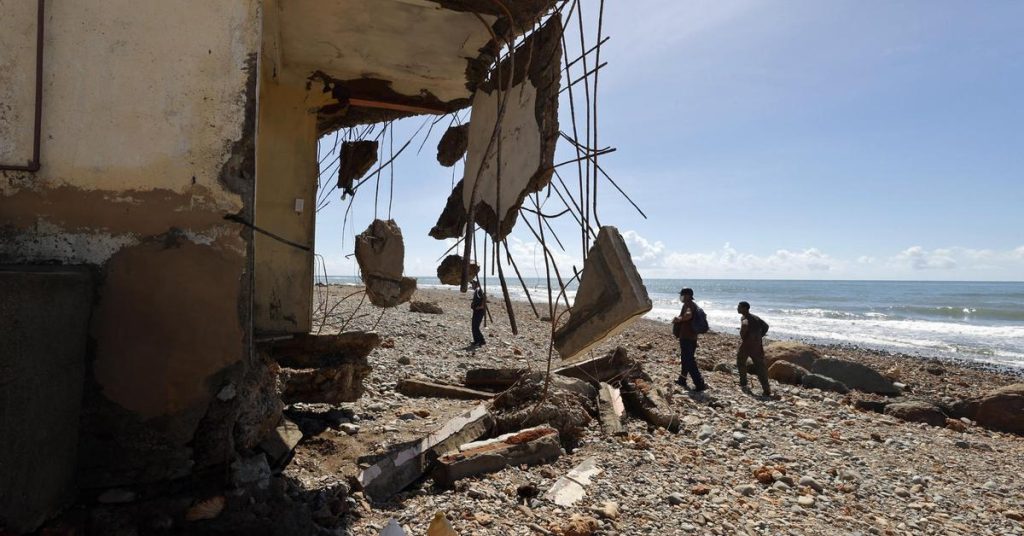
Although the authorities have not yet published an exhaustive official report of the damage, multiple images and testimonies have been released showing destroyed homes, entire communities flooded, people who have lost everyone, and entire areas cut off.
The rainfall was extraordinary: accumulations of up to 500 mm were recorded in mountainous areas, storm surges that raised the sea level between 2.5 and 3.7 meters above normal on the southeastern coast, and wind gusts that exceeded 190 km/h at the time of impact.
The magnitude of the phenomenon and the lack of communication generate a scenario of high vulnerability, in which the most affected communities are still waiting for assistance.