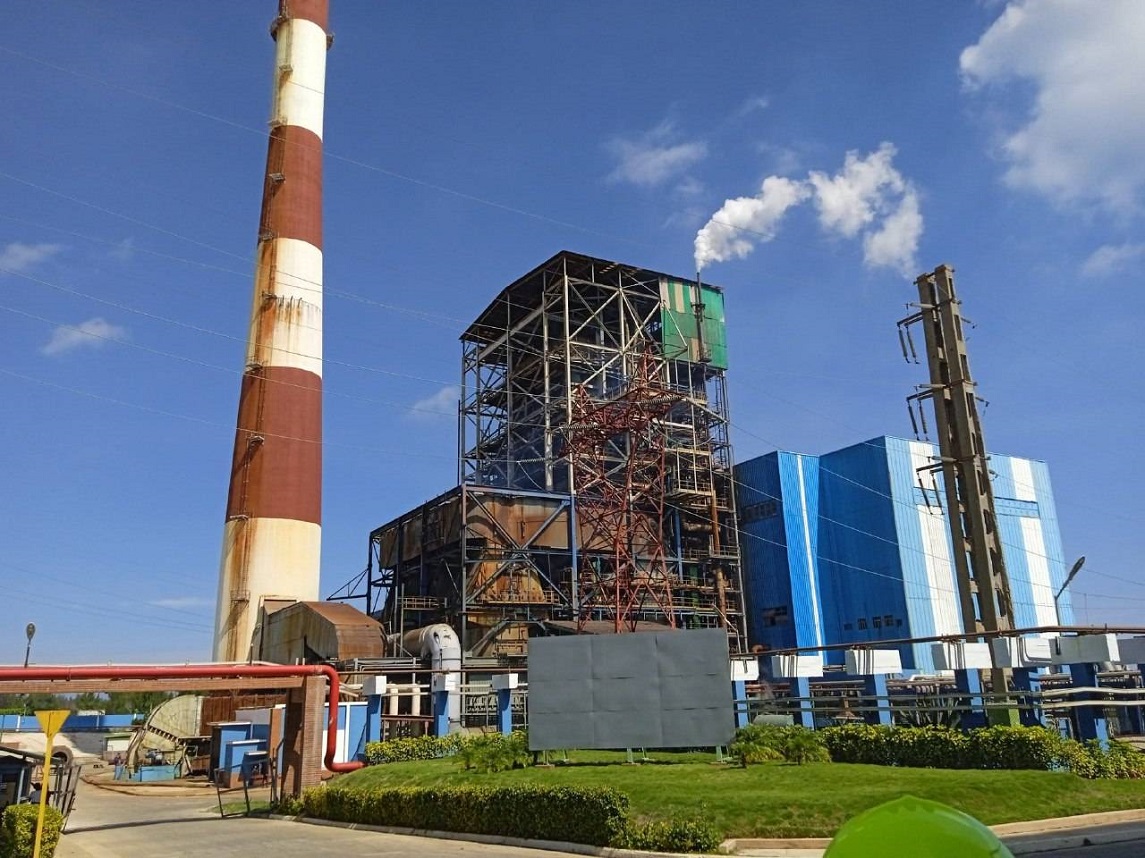
Electricity generation has improved in recent hours in Cuba, after the entry of the central Antonio Guiteras and other plants in the country, according to the official report.
The Matanzas thermoelectric plant, the main unitary block of the country, connected in the early hours of the morning and was uploading loads, after several days outside the National Electric System (SEN) for a “urgent” maintenance.
Also between yesterday and this morning they synchronized unit 5 of Renté and unit 3 of the Cienfuegos thermoelectric plant, the latter after having left a few hours earlier.
The Electrical Union (UNE) also reported the departure yesterday of unit 2 of Santa Cruz del Norte, which had been incorporated the day before, but in this Wednesday’s report It is not reported as a fault, so presumably it was reconnected.
AND just this morning Unit 1 of that own thermoelectric plant was disconnected due to a “cause pending to be identified”, which modifies the official forecasts downwards.
This plant joins the other five reported today in breakdown or maintenance by the UNE, including plant 4 in Cienfuegos, plant 5 in Mariel and plant 5 in Renté.
Three hours without blackouts due to deficit in the early morning
According to the UNE report, blackouts due to generation deficits had a three-hour break in the most recent morning. This occurred between 2:01 and 5:04 AM, and was most likely influenced by low demand caused by a drop in temperatures.
The maximum impact this Tuesday was 1781 MW at the beginning of the night, about 200 MW less than the day beforewhile at 6:00 this morning only 439 MW had been affected, a figure lower than those of the previous days.
At that time the availability was 1,440 MW, visibly above yesterday’s 1,060 MW and the same figure that the UNE estimated for today’s night peak before the departure of block 1 of Santa Cruz del Norte.
This incident should cause both the expected impact for midday (750 MW) and for the night (1540 MW) to increase, which will increase the blackouts above the official forecast.
In recent weeks, the UNE has stopped specifying the number of distributed generation plants (engines) stopped due to lack of fuel (diesel and fuel oil) and lubricant, a key data to verify the impact of the closure of oil supply to the island after the events at the beginning of the year in Venezuela.
However, according to estimates by the EFE agency based on the rest of the published figures, everything seems to indicate that the number of stopped engines is very significant and the impact due to this is above 1000 MW.