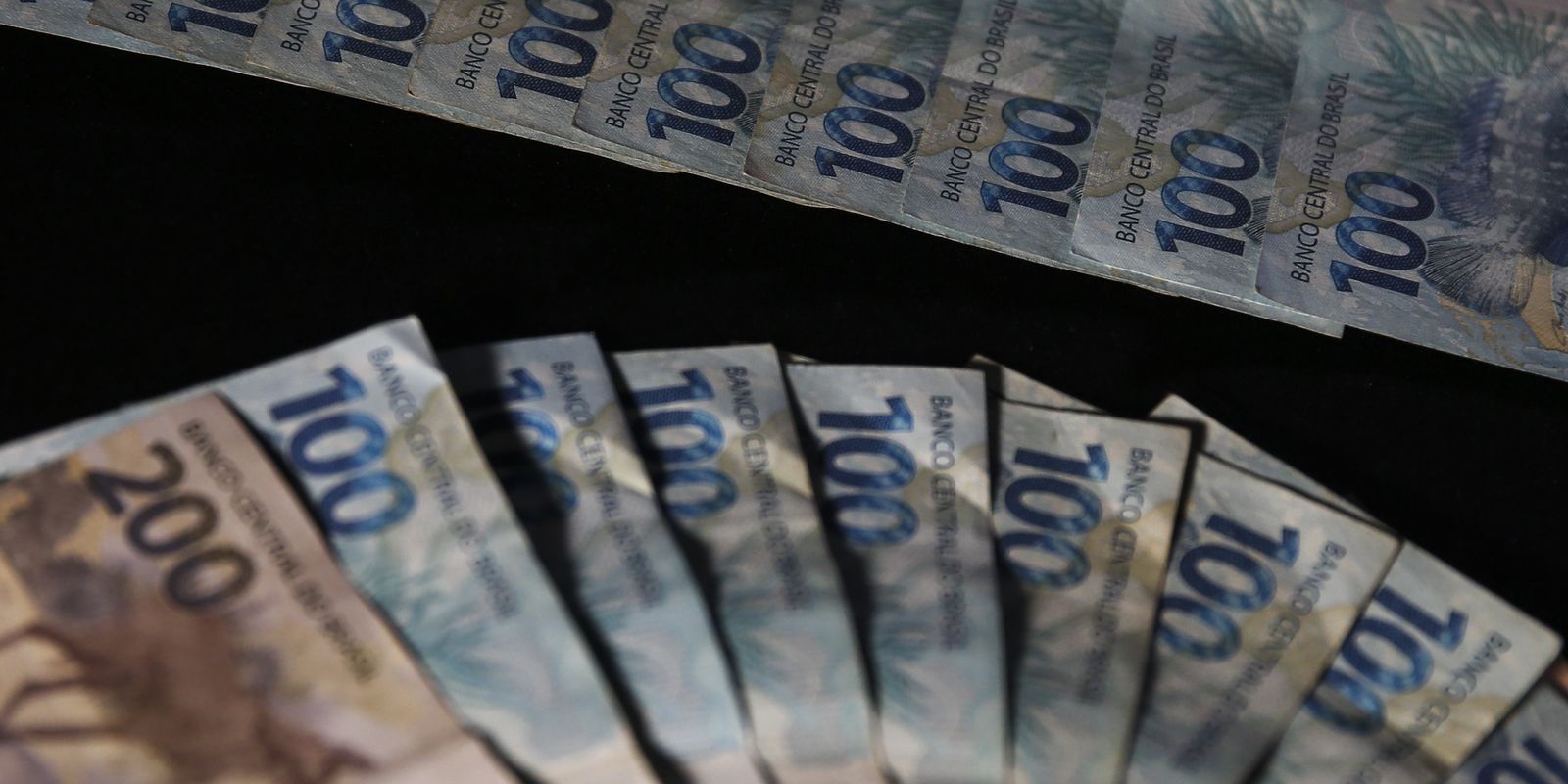
With the partial maintenance of the decree that raised the Financial Operations Tax (IOF), the 2025 budget will have R $ 20.6 billion released, the Ministries of Finance and Planning were recently reported. The amount is contained in the Bimonthly Revenue and Expenses Evaluation Report, a document sent to Congress every two months that guides the execution of the budget.
In May, the government had frozen R $ 31.3 billion from the budget. With the decision, the volume of frozen resources drops to $ 10.6 billion.
All the money released comes from the funds that were contingent, temporarily blocked to meet the target of primary result. Although the 2025 Budgetary Guidelines Law (LDO) sets zero primary result target (neither deficit nor surplus), the economic team considered the lower tolerance limit, which allows $ 31 billion deficit for this year.
Despite releasing the funds, the government blocked $ 100 million (non -mandatory) discretionary expenses to meet the tax frames limit, which foresees spending growth up to 2.5% above inflation for this year. THE Volume of funds blocked in the budget increased from R $ 10.6 billion to R $ 10.7 billion.
The release of R $ 10 billion by bodies and ministries will be detailed on the 30th, when the government published a presidential decree with the limits of commitment (spending authorization).
>> Follow the channel of Brazil agency on WhatsApp
Primary result
To justify discontinishing, the report raised by R $ 27.1 billion the forecast of net revenues (federal revenues, discounted mandatory transfers to states and municipalities). Speech forecast rose R $ 5 billion.
With the combination of increased revenues and expenses, The estimated primary deficit by 2025 fell from R $ 97 billion to R $ 74.1 billion. This amount considers spending outside the tax framework, such as precatory and extraordinary credits. When considering only expenses within the tax framework, the primary deficit forecast drops from R $ 51.7 billion to R $ 26.3 billion.
The primary deficit represents the negative result of government accounts without interest on public debt.
IOF AND REVENUE
In May, the government had frozen R $ 31.3 billion. Without the IOF decree, the government would have to freeze another R $ 20.5 billionincreasing the retention of discretionary spending to R $ 51.8 billion. The freezing of this amount would threaten the functioning of the public machine.
After successive dehydration and a decision of the Supreme Court Minister (STF) Alexandre de Moraes, The government reduced to R $ 8.6 billion the expected collection with the IOF decree in the remainder of the year. The net revenue forecast, however, rose R $ 27.1 billion and allowed the complete reversal of contingency announced in May.
Originally, the government had announced that The collection forecast would be R $ 11.55 billionbut withdrew about R $ 1.4 billion because of the period when the decree was suspended by the National Congress and about R $ 700 million because of the IOF collection for a month, between the end of May and the end of June.
Regarding the increase of revenues, most of R $ 17.9 billion, comes from the increase of the forecast of royalties This year, which includes the approval of the bill authorizing R $ 15 billion additional oil auctions in the pre-salt layer. Then come $ 2.4 billion from the raising estimates of revenue of the IRS, associated with the increase of $ 12.2 billion in income tax revenues, dehydrated the dehydration of $ 10.2 billion from the original IOF decree.
Regarding income tax, estimates consider the provisional measure that raises the collection of investments from individuals and legal entities and intends to reinforce federal coffers at R $ 10.5 billion. There are still $ 1.7 billion associated with profit growth.
It also contributed to the increase in the estimation of revenues the entry of R $ 1.8 billion of contributions to Social Security, due to the recovery of formal employment.
*Text changed at 18h to change numbers on the collection forecast with the IOF decree