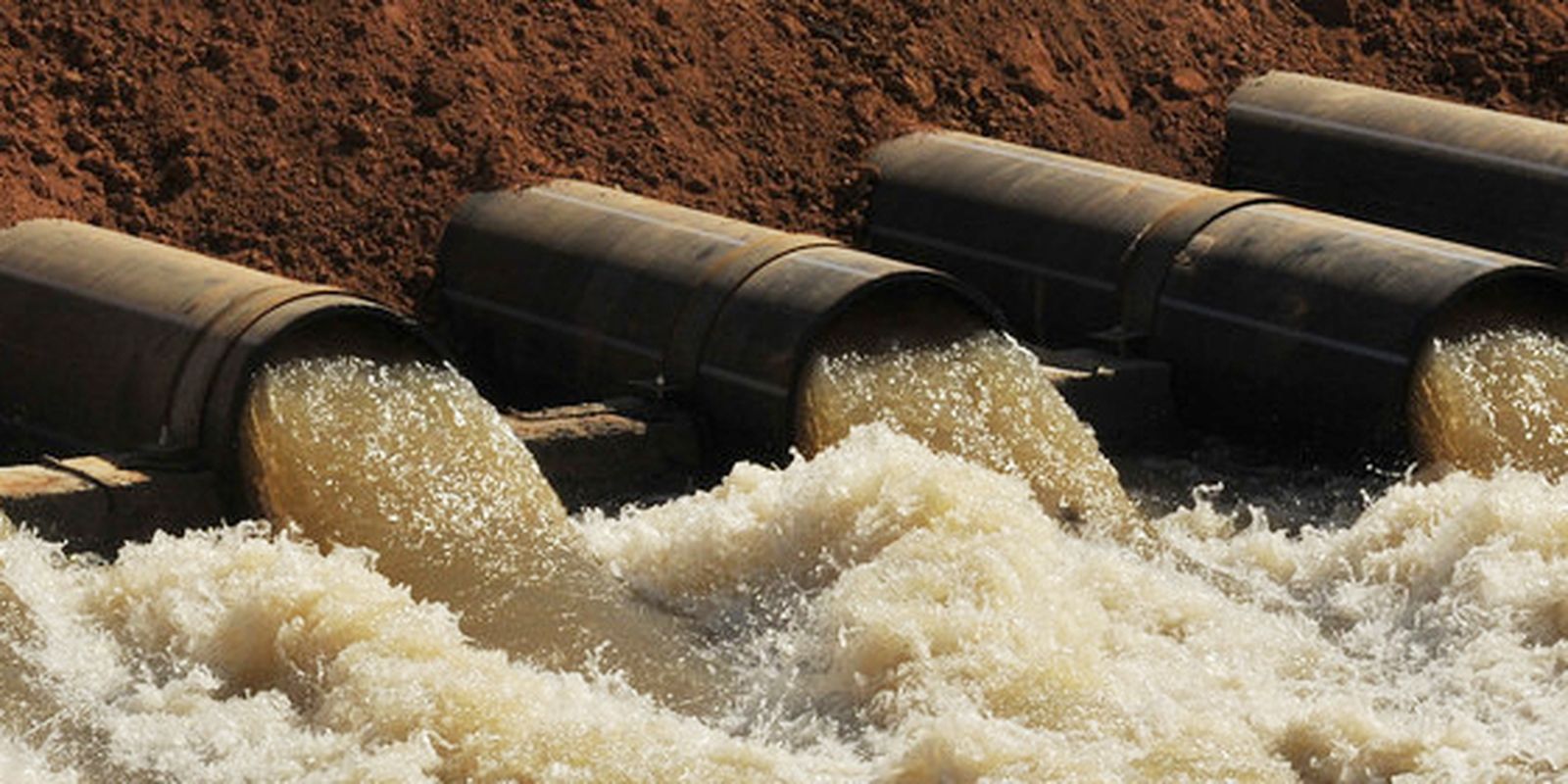
The São Paulo government has already started putting measures into practice to mitigate the impact of the water crisis. The so-called contingency plan, which came into force from the Deliberation 1,729/2025provides seven levels of measures. Currently, the decrease in pressure in the water supply It’s been going on for ten hoursduring the night, which characterizes the third level.
The supply system in the metropolitan region of São Paulo is at 28.7%. In the contingency plan, the worst of these levels, called action bands, is number 7, corresponding to rotation.
In the first stage, number 0, conditions are normal. In stage 1, with the reduction in the volume of water sources already slightly felt, the Differentiated Supply Regime (RDA) is applied.
From stages 2 to 6, different degrees of Night Demand Management (GDN) are planned, with a decrease in network pressure for periods of 8 am, 10 am, 12 pm, 2 pm or 4 pm. The rotation is implemented, according to the authorities, only when these determinations do not resolve the problem and after express consent from Arsesp’s board of directors.
When they want to move forward or backward from one band to another, concessionaires that provide services in the region must submit the proposal for approval by the board of directors of the Public Services Regulatory Agency of the State of São Paulo (Arsesp). To adopt a more severe measure, the worsening situation must last a full week and, to be able to resume milder actions, the requirement is 14 consecutive weeks.
In an interview this Friday afternoon (24), the CEO of Arsesp, Thiago Mesquita Nunes, denied that the choice of water rationing areas is based on location, so that the periphery is more affected. According to him, the criterion is technical.