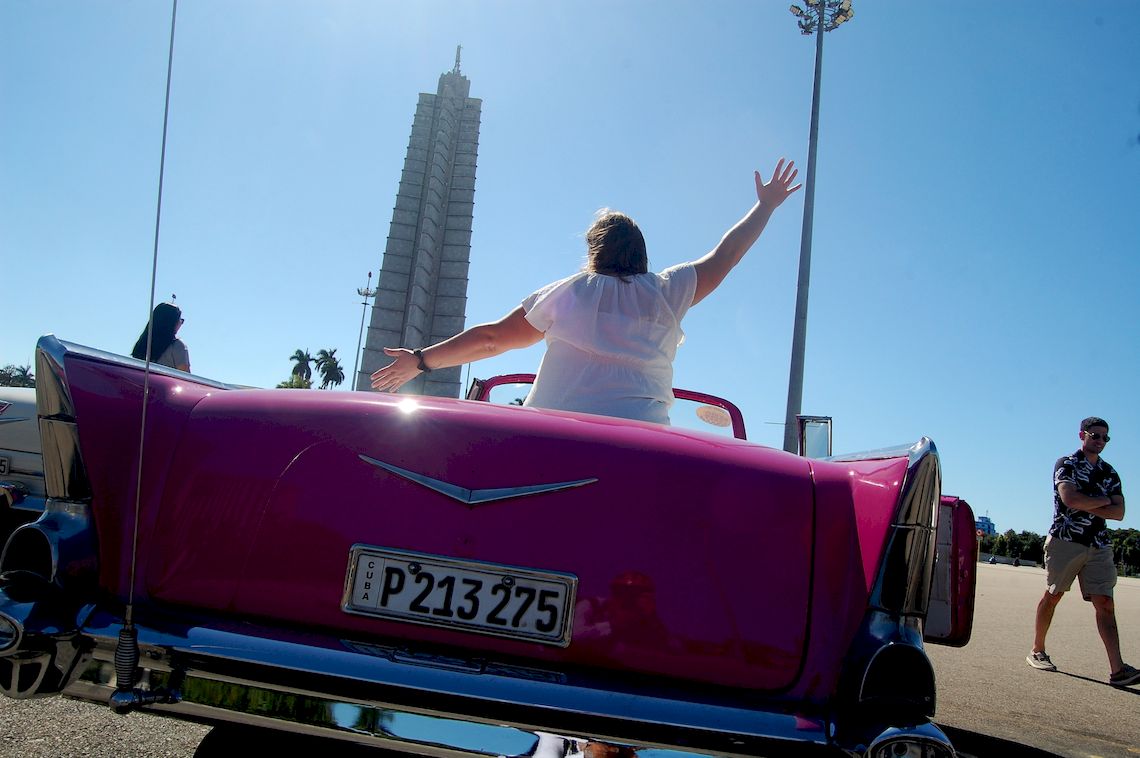
Perhaps they are the penultimate “yumas” that Guajiro brings to visit the Plaza de la Revolución.
“I barely have a few left liters and the agency has told us that it has no assignments at the moment,” says this driver of a 1953 Chevrolet, with multi-layer paint, bull’s blood red and transformed into a convertible by a scrap metal industry that in Obama’s time was erected into a pocket Detroit, unroofing the old models from the old Motor Citythe automobile capital of the world for much of the 20th century.
“After these days I will have to save… The oil is so bad that no one can put their teeth into it,” he admits with an air of defeat, bringing his right hand to his clean-shaven chin. At the front of the caravan of classics, El Guajiro —someone in the group called him by that name— It makes the journey from the Paseo del Prado, in front of the Hotel Inglés (1875), the oldest operating in Havana, to the Plaza, which is one of the obligatory stops on any tourist itinerary.
Guarded from few sentry boxes, it is an empty esplanade of 72 thousand square meters since Fidel Castro’s gargantuan speeches, the last of which was delivered on May 1, 2006. Since then, one of the largest public squares in the world is only filled once a year in the parades for International Workers’ Day.
Americans and Russians in a 20th century toy store
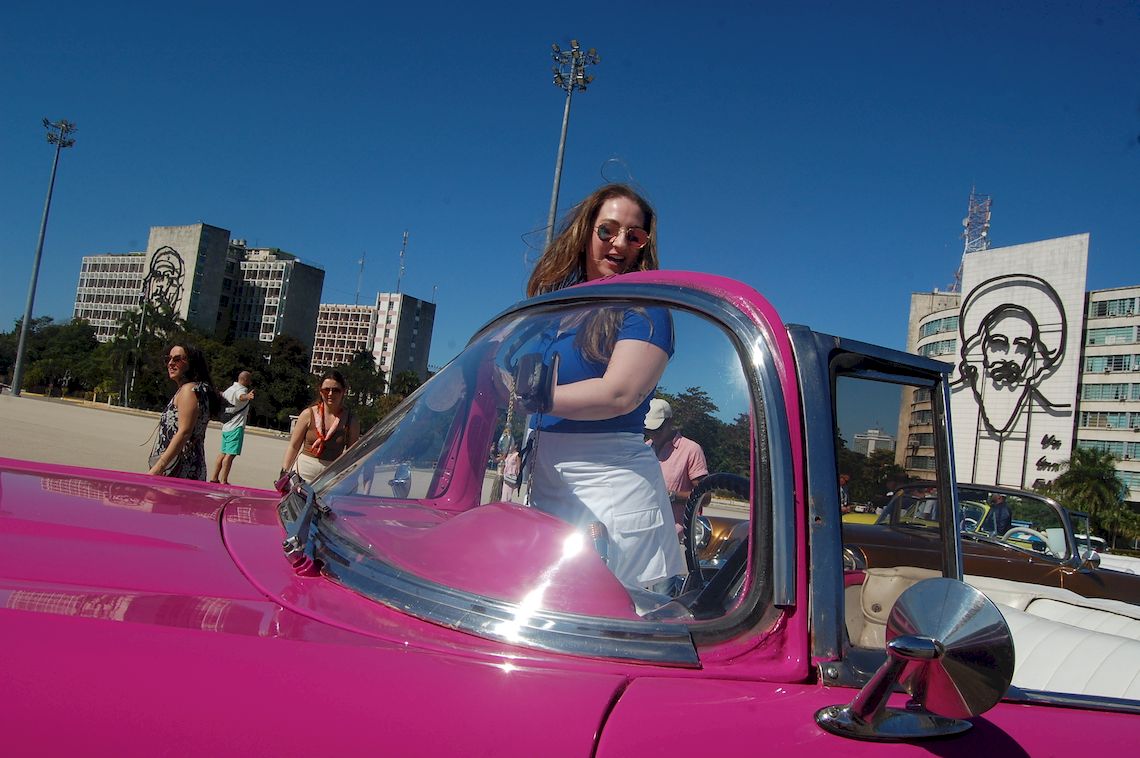
Joyful, Americans behave like children. They get into cars; photos are taken; they honk their horns; They look at their faces in the rearview mirrors; They eagerly review the careful upholstery and control panels; They assimilate them like enormous toys in a theme park stuck in a time warp, sunny and without walls. An intense light accompanied by the fresh February breeze is an ineffable combination to live a tropical dream apart from the nightmare that, with the exception of Obama, who was also a stab at nothing dreamlike for some, the last 12 United States administrations have meant for Cuba.
For tourists, clearly first-timers on the communist island and forbidden for decades, the experience transports them to a state of transgression in the face of the current government’s policy of asphyxiation in the White House, especially since Washington’s blow to Chavismo that kicked the geostrategic board for the region and for the island in particular, leading it to madness and a struggle for survival to avoid being dragged to a point of no return.
“Aren’t you afraid of being in Cuba, when there are ships from the navy prowling the nearby seas?” I asked one of the ruddy girls. “No. Yes I had some fear at the beginning. The joy of the caravan drivers and the people he met has already dispelled it for me. “I am happy and carefree to be here,” she responds with moving sincerity.
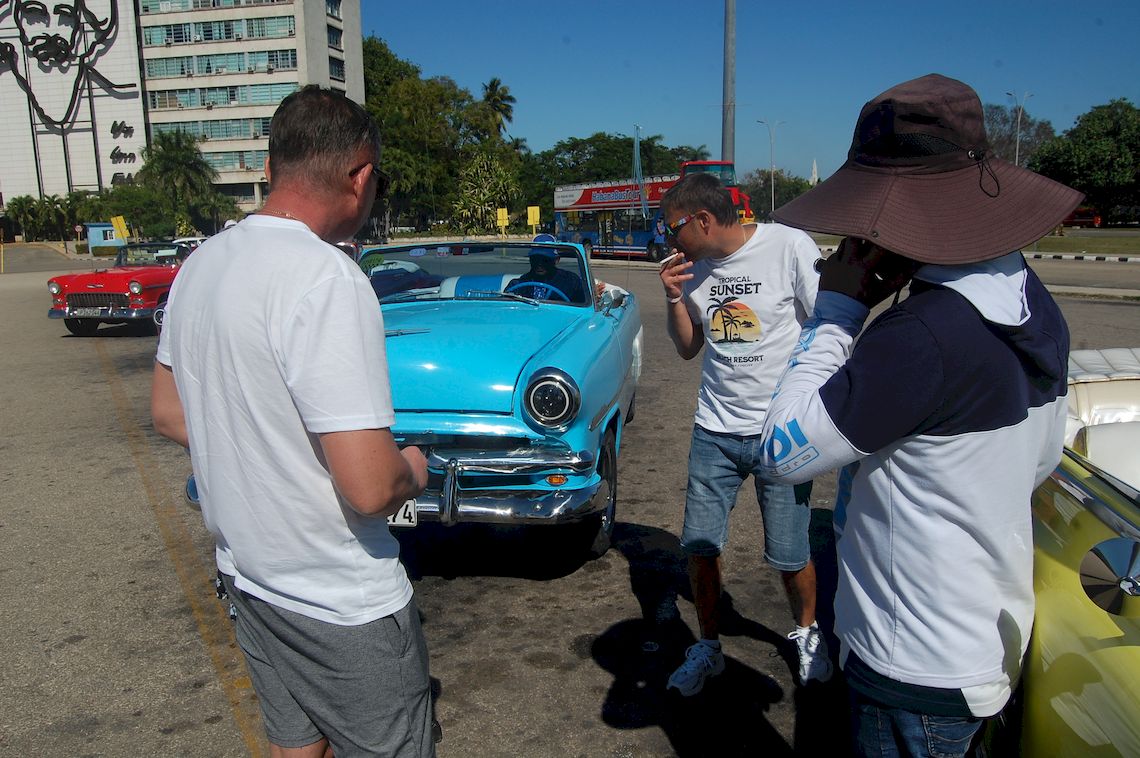
There are also Russian tourists in the caravan. They are few, but bustling, who inspect, with more technical curiosity than profane admiration, the american machinesas some old people in Cuba still call the litters coming out of the Detroit production chains. Given the standardization of Western fashion, I ask one of them what part of the United States he comes from.
He didn’t take it as an offense that I had confused him, but he wasn’t amused. “I am Russian, from Russia, vodka, Kremlin, Putina!” he unleashed a flurry of labels in his language to let me know the geographical error in judgment he had made.
Both groups coincided in the quintessential symbol of power in Cuba, a coveted island territory since the 17th century, a theater of operations desecrated more than once by the great powers: at the end of the 19th century, at the dawn of the 1960s, and now, in the midst of another geopolitical dispute, whose outcome, with an agonizing economy on the verge of collapse and a national psyche in a state of fatigue, is simmering in executive offices in Washington, Moscow, Beijing, the Vatican… Havana.
Blows and collapse statistics
At the height of foreign tourism on the island, and before the pandemic hit in the spring of 2020, the Plaza de la Revolución was congested with buses and cars, mostly classic, with flocks of vacationers, many Americans, especially during the second term of Obama, who personally visited the place to honor José Martí with his right hand over his heart.
The record number of American visitors to Cuba during the thaw was recorded in 2016, when a hornet’s nest of more than half a million US citizens traveled to the island and there was not a booking open not even remotely in December of that year. That overflow exceeded any expectations. It was a tourism of curiosity paved by the easing of travel restrictions and the reestablishment of diplomatic relations in 2015.
Cuban tourism, once the locomotive of the national economy, is going through a systemic collapse. The closure of hotels in Varadero and the northern keys, along with the forced relocation of tourists, marks the most visible image of a sector that ran out of fuel and supplies to sustain its machinery.
The “compaction” of facilities, announced by Deputy Prime Minister Oscar Pérez-Oliva Fraga, is just a euphemism to describe the contraction of a system that once received more than 4.7 million visitors in 2018 and that in 2025 barely managed to attract 1.8 million, the worst record since 2002.
Cuba loses its main source of tourists after the suspension of flights from Canada
Dissident markets
The most devastating blow came from Canada, the main source of tourists to the island. With more than 754 thousand visitors in 2025, equivalent to 41.5% of the total, the suspension of flights by Air Canada, Westjet, Sunwing and Transat left Cuba without its healthiest market.
In a matter of hours, more than a hundred weekly flights were canceled and some 25,000 Canadians had to be repatriated. The temporary disappearance of this flow means, according to economists’ calculations, a 50% drop in tourist income and a 3% drop in GDP.
Russia, the second issuing market with 131 thousand travelers in 2025, also left the board. The Rossiya and Nordwind airlines suspended their operations after evacuating the 4,000 tourists stranded on the island, unable to supply their planes at Cuban airports. The Kremlin reacted with promises of help, but the reality is that Cuba lost its two main sources of international visitors overnight.
Russia announces temporary cessation of flights to Cuba due to the fuel crisis on the island
Tourism, which was once a symbol of openness, modernity and currencies, has become the opaque mirror of a country that is struggling to survive between fuel shortages and the pressure of US sanctions on an exhausted economic model that has accumulated a drop in GDP of more than 15% in the last five years, skyrocketing inflation and a massive migration that cut more than 10% of the population in just a few years.
From the bonanza of the thaw with Obama to the current energy asphyxiation, each statistic confirms that the island has lost one of its most important economic respirators.
This crisis situation, however, has not canceled the 44th edition of the International Tourism Fair, scheduled for May 6 to 10 at the Plaza América Convention Center in Varadero, which will have Canada as the guest of honor.
On networks, many question the relevance of the event and some ask sulfuric questions such as: “With what tourism?”, “Is it a joke?”, “Fairs without tourists, that’s good” and “You definitely live in another galaxy.”
Snooping around El Vedado
There are no official figures published for 2025 that indicate precisely how many rooms in rental houses in El Vedado are dedicated to international tourism.
Along with Old Havana, with its hospitality system, this capital neighborhood taken as a reference for a frozen capitalist modernity stopped at the end of the 1950s, continues to be one of the main centers of alternative accommodation, with a wide range of private homes, apartments, logistics and air-conditioned rooms for foreigners, most of them licensed and connected to international markets operated by platforms such as Airbnb and specialized rental sites that refer to numerous options and prices.
“At this moment when there is no yumas“We only pay the license, but not the income taxes,” says one of the rental owners in the La Rampa area, almost reaching the Malecón.
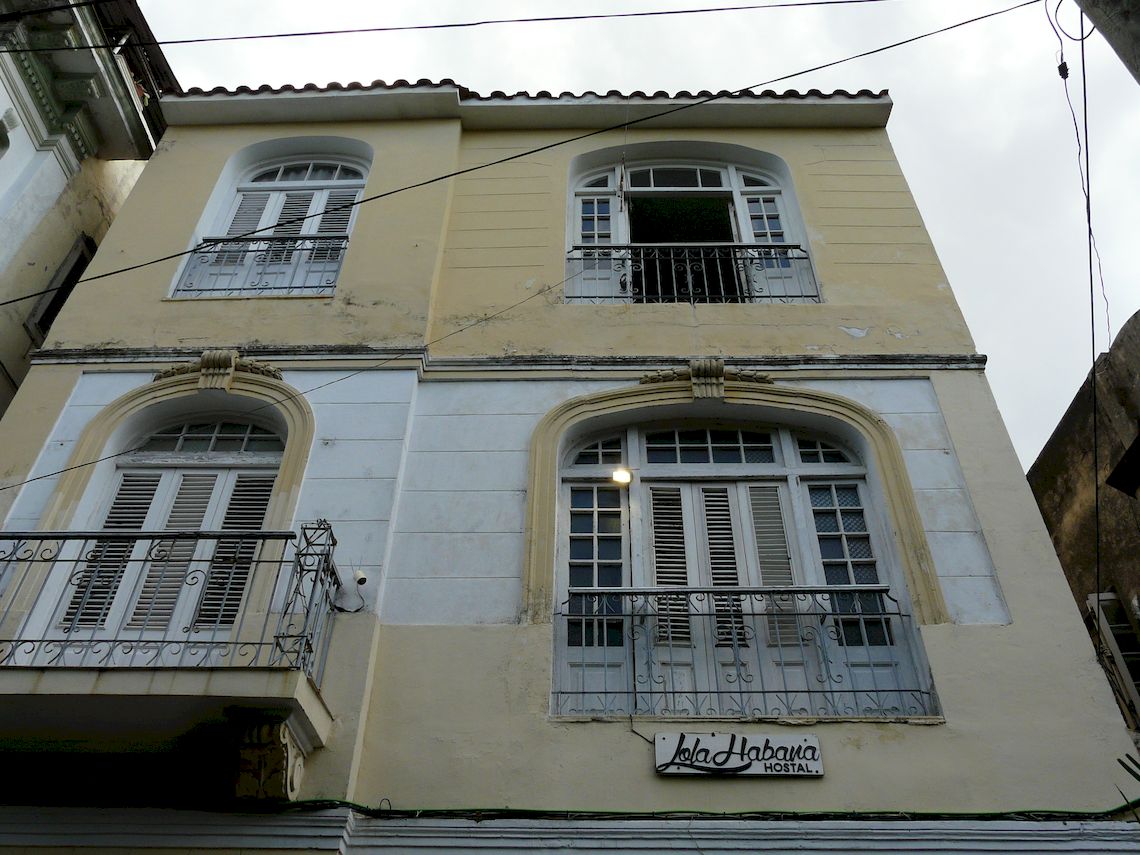
At the Lola Habana hostel, on 27th Street, a few blocks from the University, the owner of the establishment, Sara, reluctantly admits that the situation is quite tense.
Has the number of tourists decreased?
“It hasn’t decreased, it just doesn’t exist. I always have someone, you know? In one month I can have two tickets, in another month three or four tickets, and I’ve been doing that for a long time, but now it’s very bad. Although after the pandemic passed, tourism really isn’t like before. It’s never been the same again.”
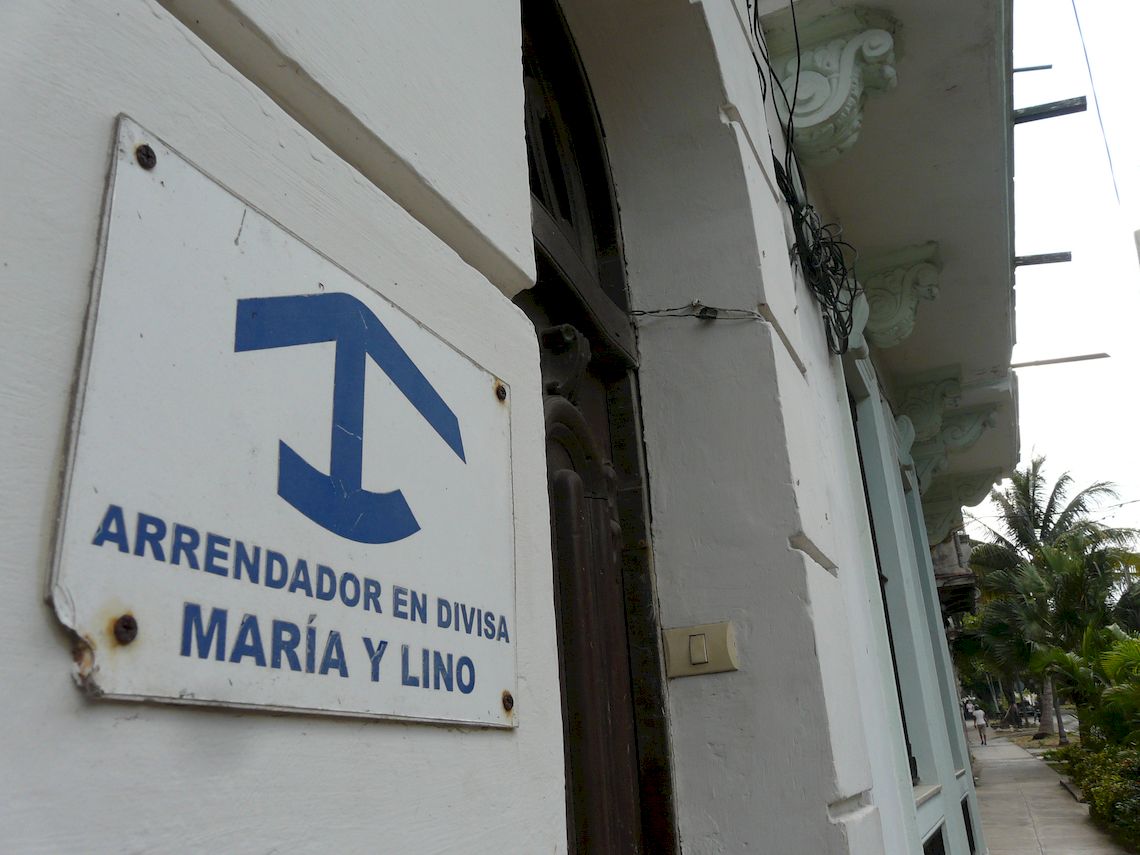
On the same block, a few steps away, there is another building with a rental service in foreign currency, on the ground floor of which there is a clothing atelier with more than one mannequin hanging out of the window.
“At this time there is little movement of tourists. I think the few there are are Europeans and some North Americans. When there is a blackout, the (electrical) plant turns on at 6 in the afternoon and leaves it on all night, until early in the morning,” explains the girl from the fashion workshop.
The hospitality sector, fortunately, does not seem to suffer the same fate as accommodation for foreign tourists. It has been able to seek rearrangements by focusing on the domestic market, although profit percentages have decreased, but without falling into the red that would force it to close.
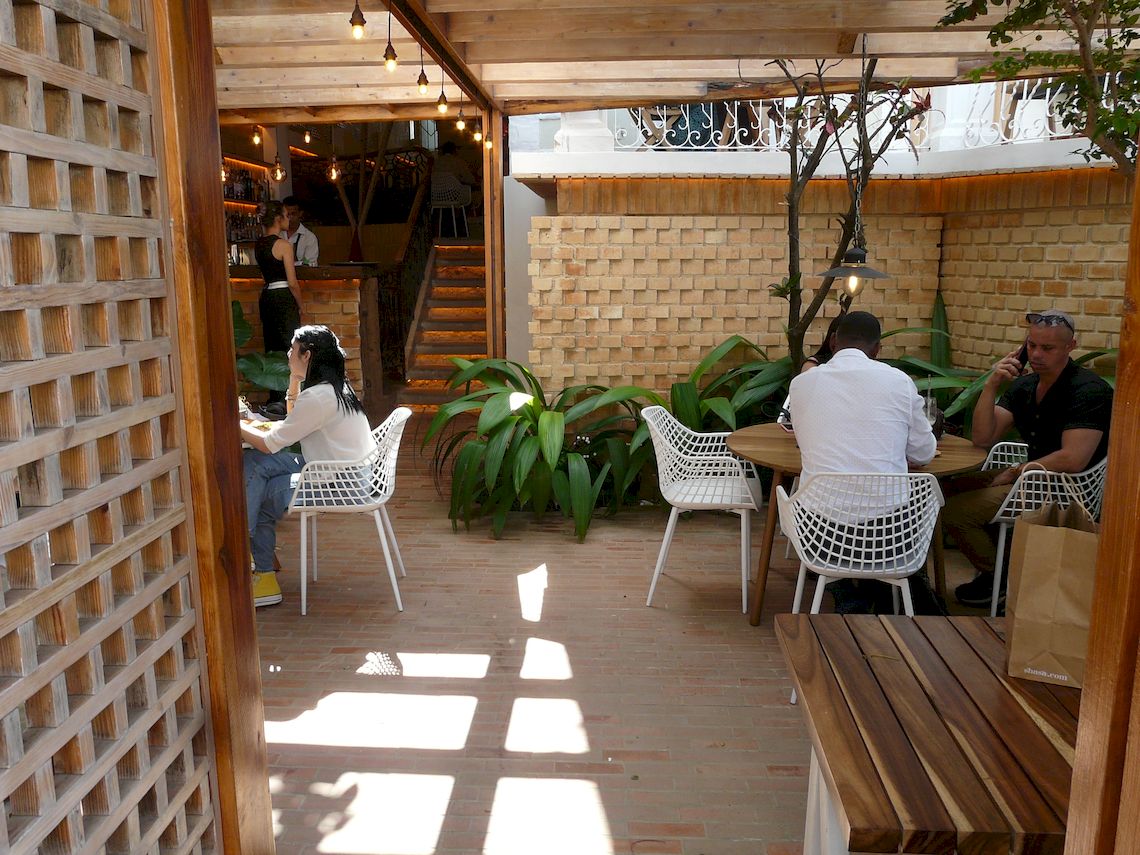
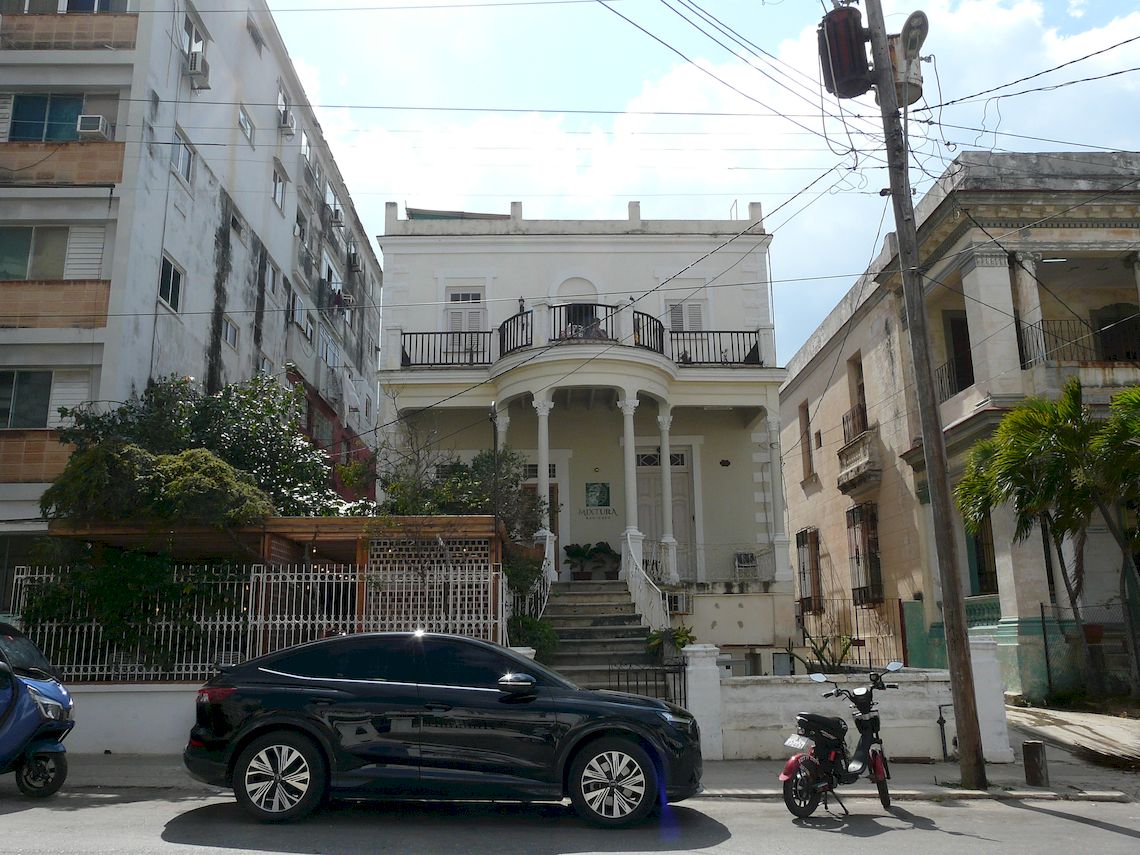
At Mixtura, an elegant bar-cafeteria on L Street, there was no vacant table on a Thursday afternoon and if the customer was eager for a coffee or a Cuba Libre, the option was to go up to the terrace of the house. “Until now we have not suffered from the decrease in tourists. As you can see, the room is full,” he explains to OnCuba a business administrator. “It is true that foreigners have decreased, but Cubans come and that maintains our dynamic,” he adds.
In front of Línea Avenue, very close to the American embassy and the Focsa building, one of the seven wonders of Cuban civil engineering, Fast Food is strategically located, a private cafeteria located on the ground floor of a mansion from the first half of the 20th century. The interior design refers to traditional rustic concepts.
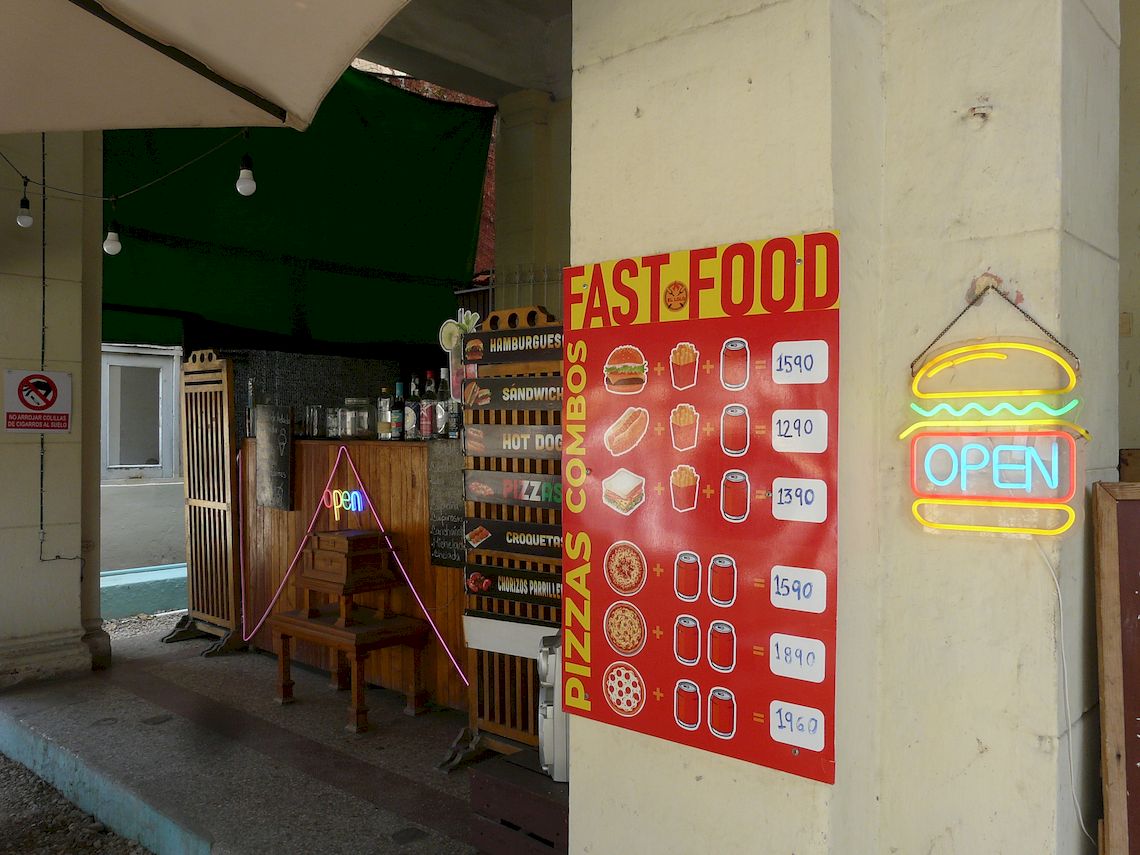
There are hardly any diners at this early hour of the afternoon and cars pass sporadically along the avenue. “Yes, there are no tourists like there were a few months ago,” admits the saleswoman, a very young girl with the appearance of a dancer.
“With the blackouts it happens that since we have a plant, we are like in a cocuyo in the neighborhood and it makes tourists staying nearby or the neighbors themselves come to consume. So we are not doing so badly with the blackouts. You can say that in a certain way they are a marketing advantage,” he ends by saying with a smile.